

Mark Haddon's 2003 novel is built around one of fiction's most memorable voices: Christopher John Francis Boone, a fifteen-year-old who knows every prime number up to 7,057, cannot stand to be touched, and has just found his neighbour's dog dead on the lawn with a garden fork through it. What follows is ostensibly a murder mystery, but the real subject is consciousness itself. Christopher's narration strips the world of social noise and sends the reader back through scenes we take for granted, forcing a fresh look at grief, marriage, suburban loneliness, and the terror of Paddington Station. The book's power comes from its constraint: a narrator who cannot lie, cannot read faces, cannot soften the truth. Fans of The Curious Incident are chasing that quality, the feeling of seeing clearly through a radically different pair of eyes, and the way that precision can be more devastating than metaphor.
Novels Told From the Inside Out
First-person narrators whose way of thinking reshapes the story around them.


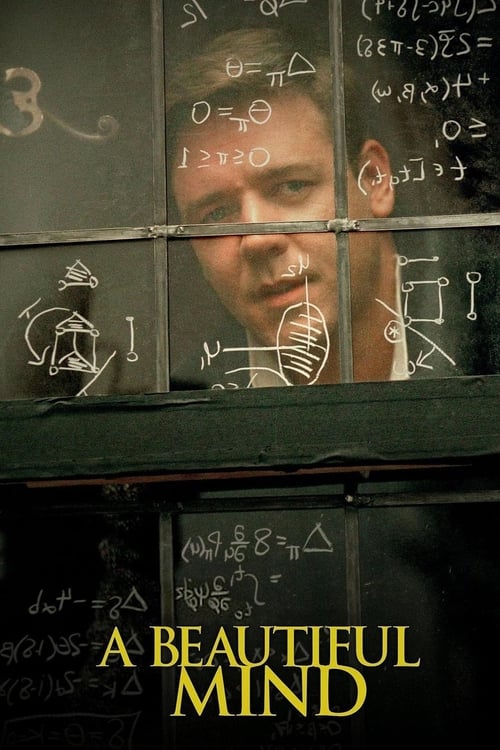
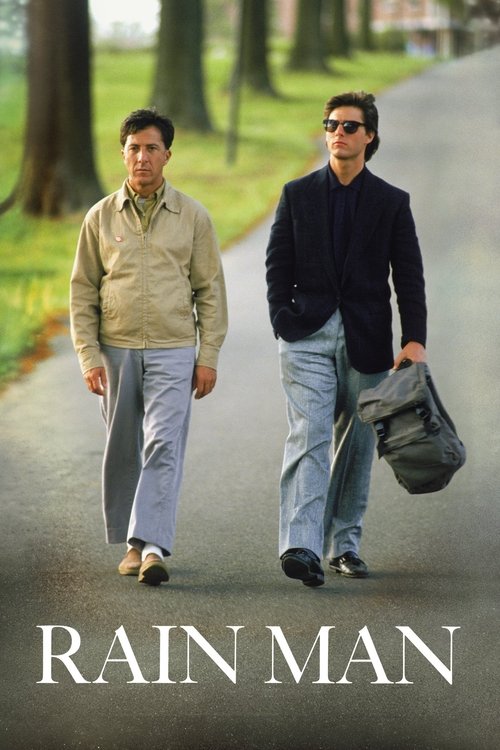
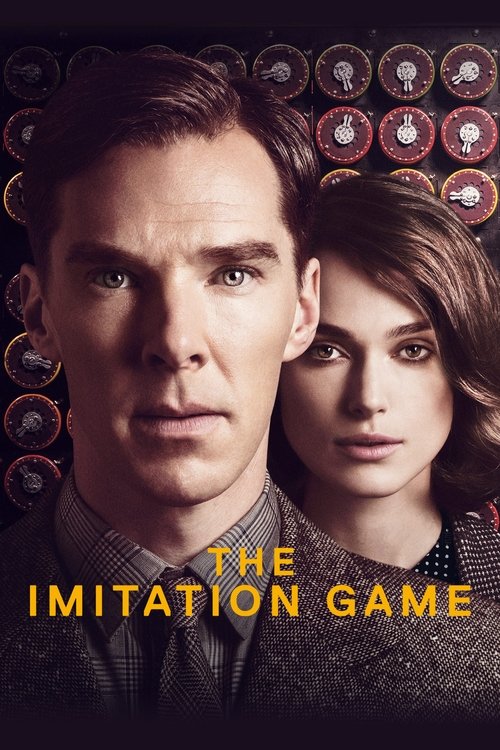
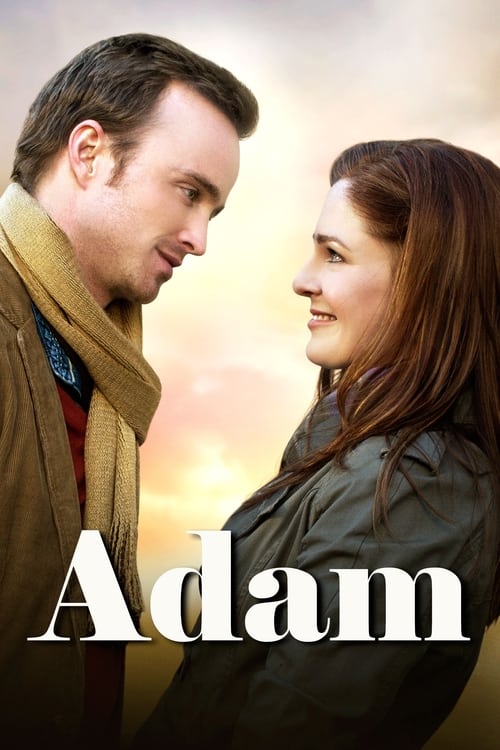
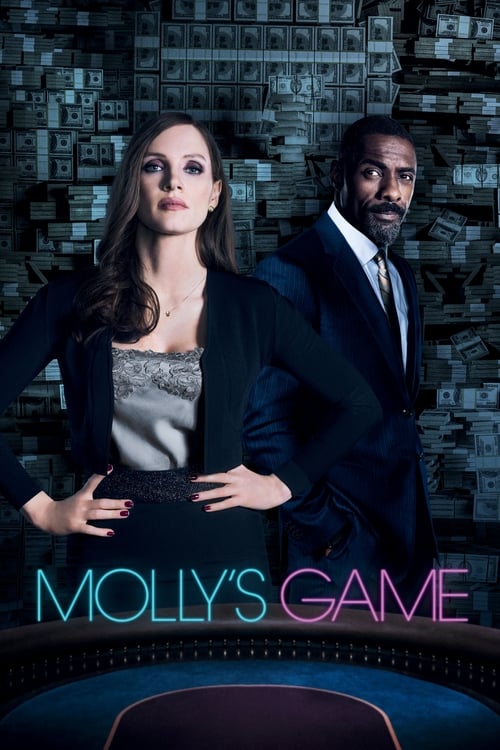
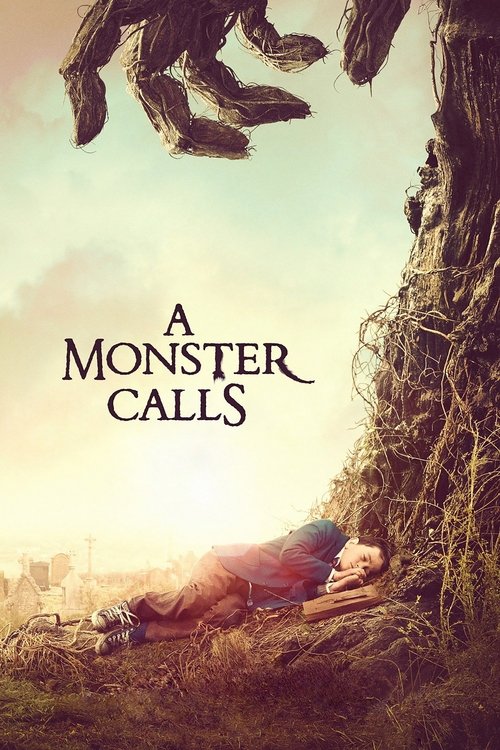
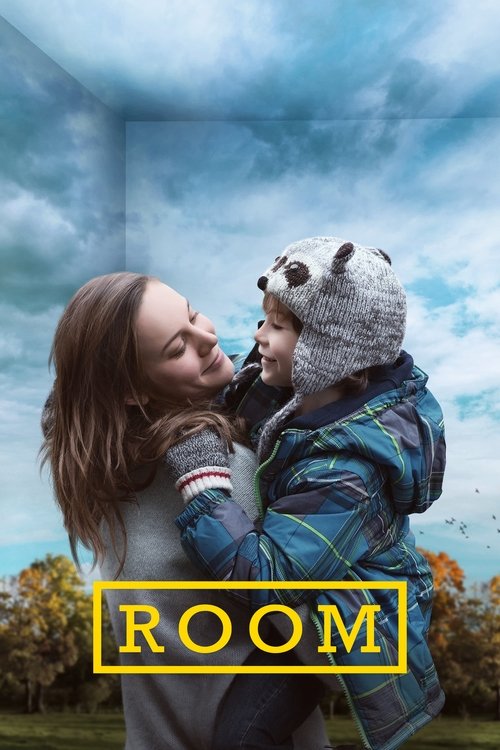
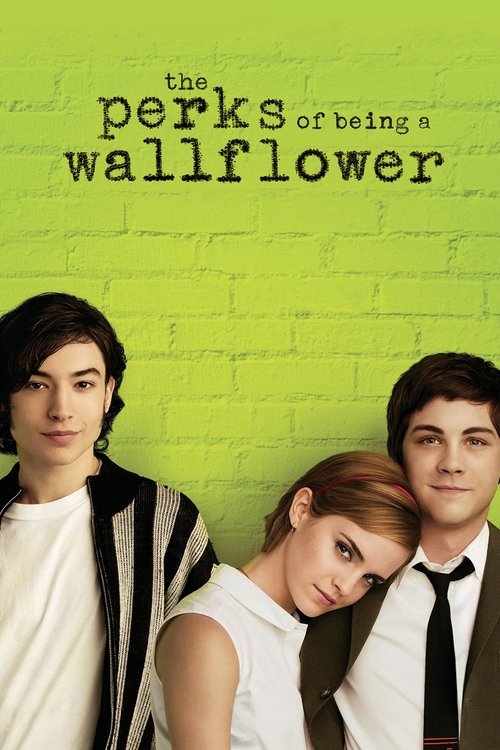
Films That Put You Inside a Different Mind
Movies where the camera commits fully to a single, unconventional point of view.


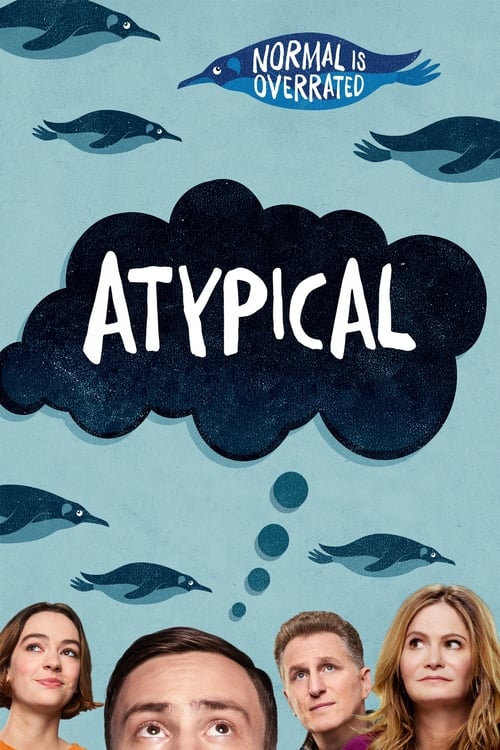
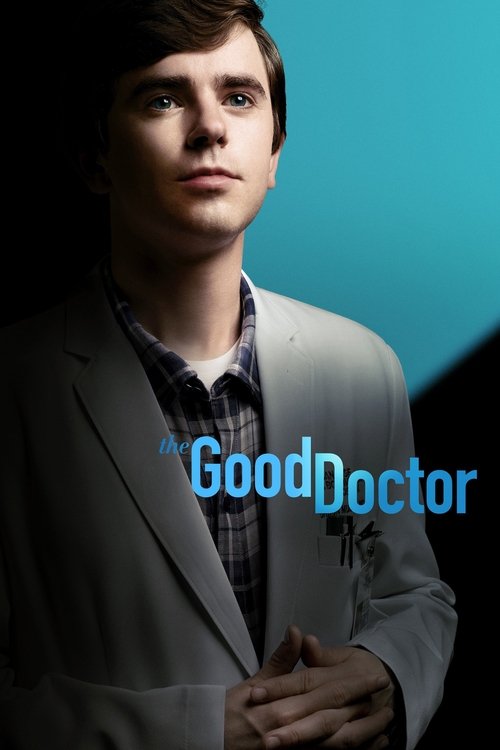
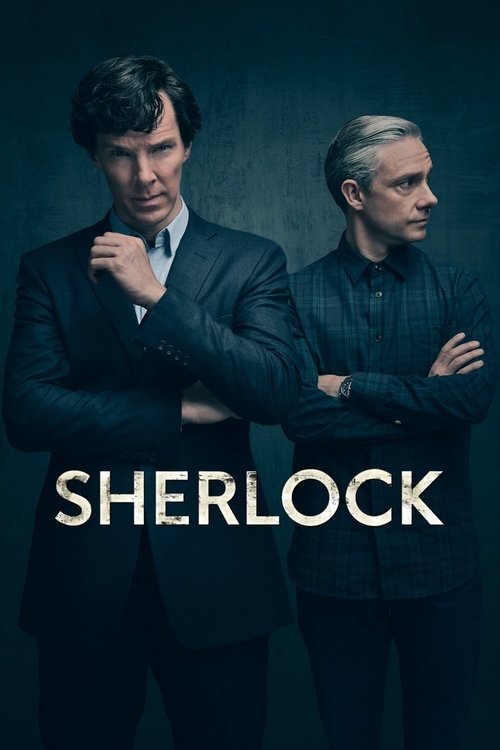
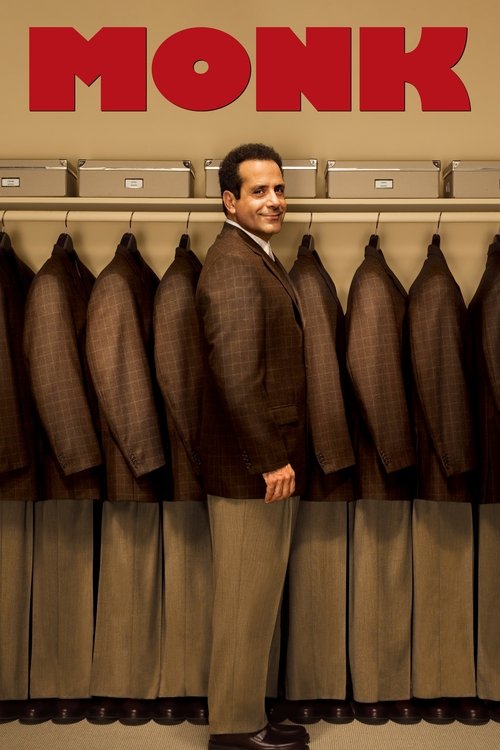
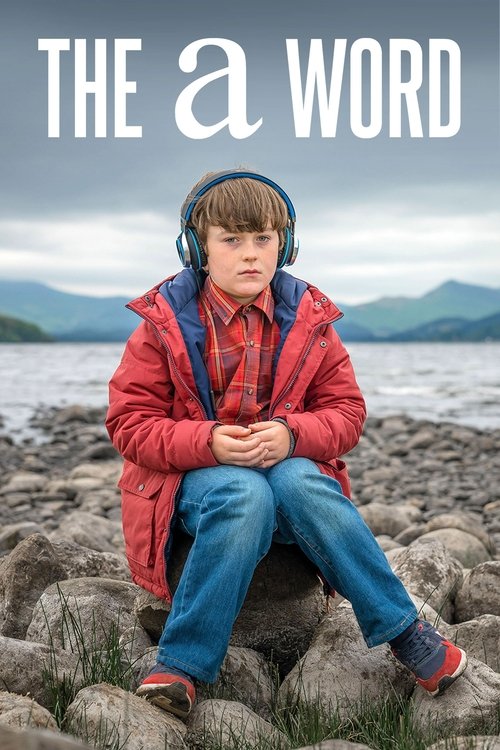
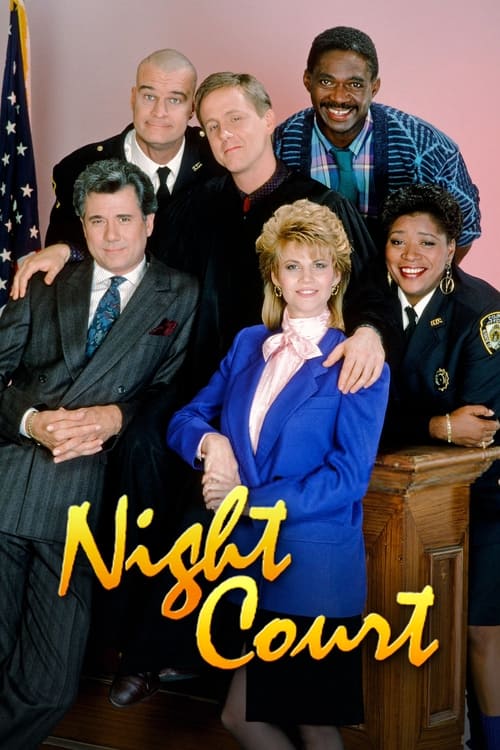
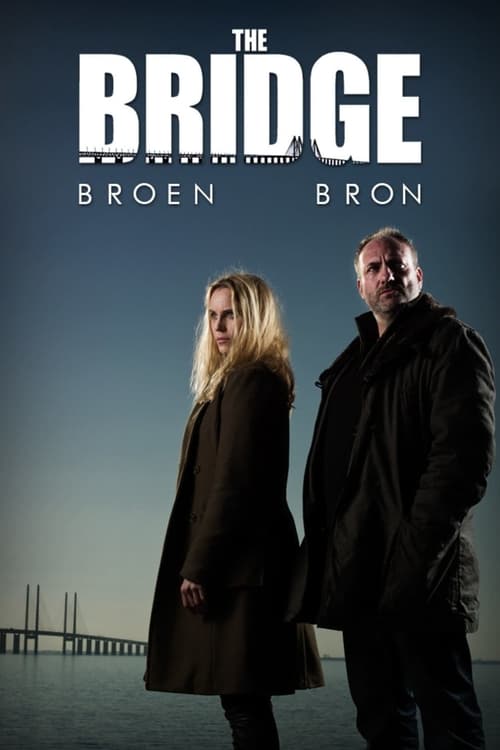
Series Where the Outsider Is the Smartest Person in the Room
Television that builds its world around a mind that sees differently.

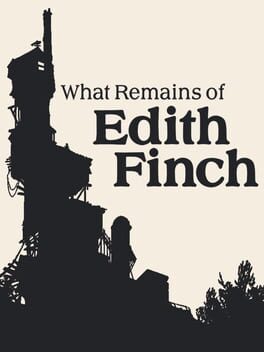
Games That Play With Perception and Logic
Puzzle and narrative games where an unusual perspective is the core mechanic.


Scores and Albums That Think in Patterns
Music built on mathematical precision, repetition, and emotional architecture.
Haddon Never Diagnoses Christopher, and That Is the Point
The words 'autism' and 'Asperger's' never appear in the novel. Haddon has said he was not writing a book about autism but about a character who happens to think in a particular way. This was and remains a deliberate artistic choice, not an oversight, and it forces the reader to meet Christopher on his own terms rather than through a clinical label. The debate it sparked in disability communities is worth reading about, but the literary effect is real: Christopher feels singular rather than representative. Atypical on Netflix takes the opposite approach, naming the condition throughout, which makes for an interesting comparison.
A Timeline of the Book and Its Life
- 2003Mark Haddon publishes the novel; it wins the Whitbread Book of the Year and the Whitbread Novel Award. The Curious Incident of the Dog in the Night-Time
- 2004Simultaneous U.S. release reaches the New York Times bestseller list; the book crosses into adult and YA markets simultaneously.
- 2012National Theatre stage adaptation by Simon Stephens opens at the Cottesloe, directed by Marianne Elliott.
- 2013West End transfer to the Apollo Theatre; the production wins seven Olivier Awards including Best New Play.
- 2014Broadway transfer to the Ethel Barrymore Theatre; wins five Tony Awards including Best Play.
- 2020National Theatre Live filming of the stage production broadcast globally, making the production widely accessible.
Prime numbers are what is left when you have taken all the patterns away. I think prime numbers are like life. They are very logical but you could never work out the rules, even if you spent all your time thinking about them.Christopher Boone, The Curious Incident of the Dog in the Night-Time
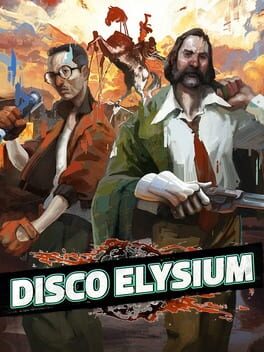
The Real Heir to Curious Incident Is Disco Elysium
No game has come closer to the novel's central trick, placing the player inside a consciousness that processes the world through a rigid personal system, than Disco Elysium. Where Christopher uses logic and prime numbers to hold the world at bay, detective Harry Du Bois uses a fractured psyche and a set of competing skill-voices. Both works use that interior system to excavate their protagonist's past catastrophe. The form is entirely different but the emotional experience, of watching a broken mind use its particular genius to survive, is the same.