

The Grand Budapest Hotel (2014) does something rare: it grieves a fictional world so completely that the grief becomes real. Wes Anderson's most purely cinematic film wraps a heist, a murder mystery, and a wartime escape inside a frame-within-a-frame-within-a-frame, all so that the elegance of a vanished Europe can be mourned properly. What fans chase is the combination of meticulous visual order and genuine emotional weight underneath it, the sense that beauty is precious exactly because it disappears. The films, series, books, games, and scores below share that quality in some register.
Essential Wes Anderson
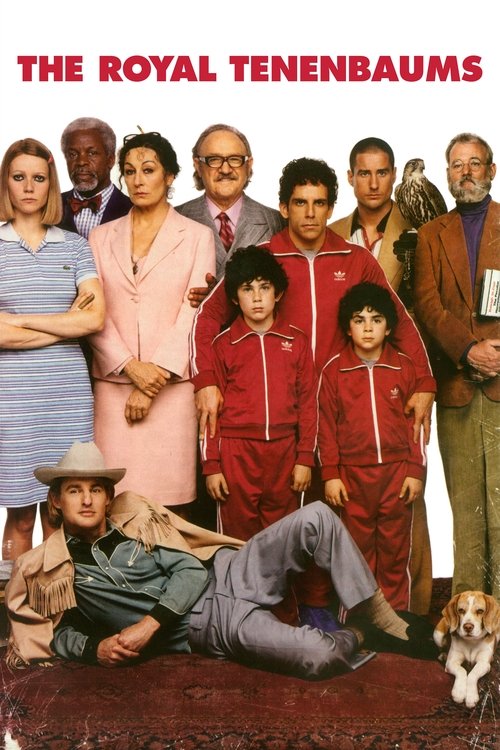
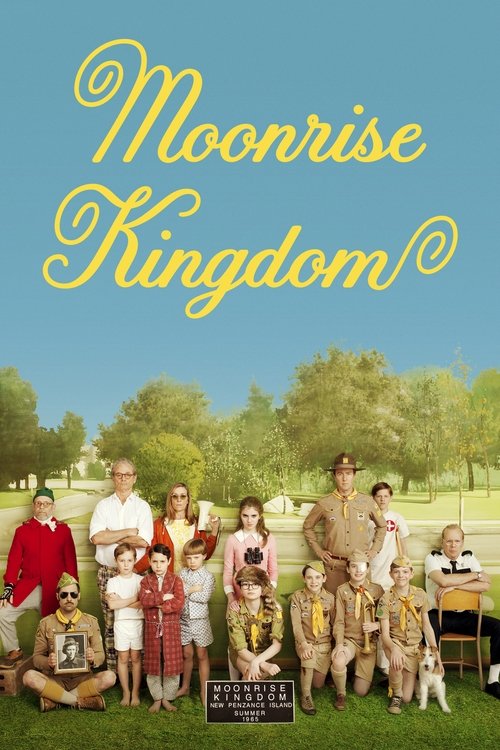
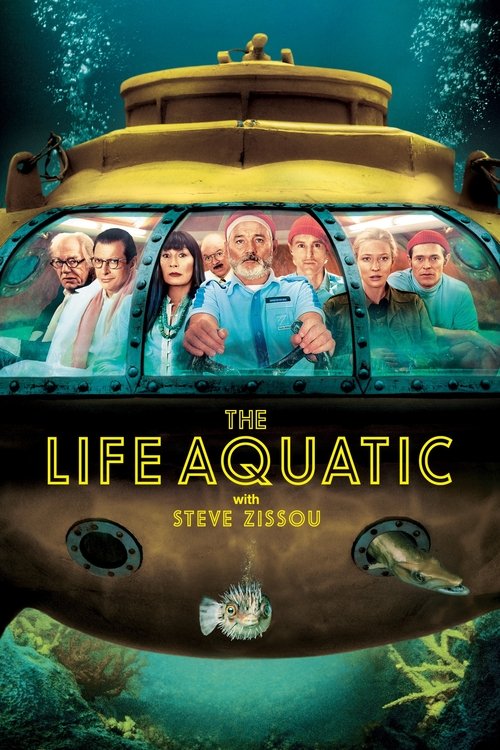
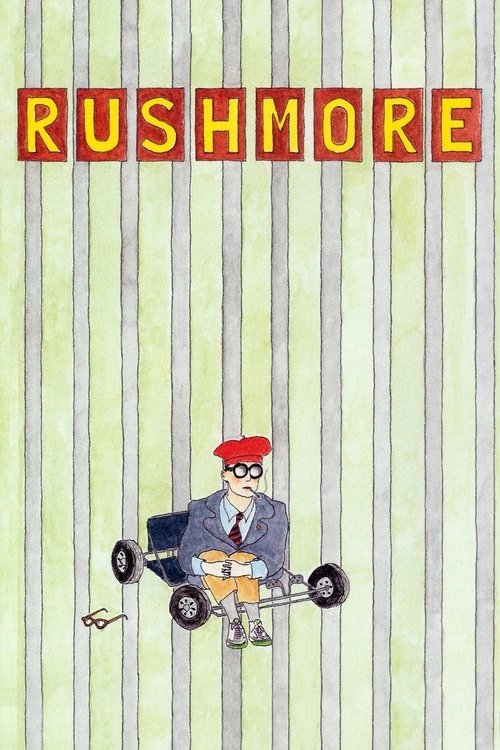
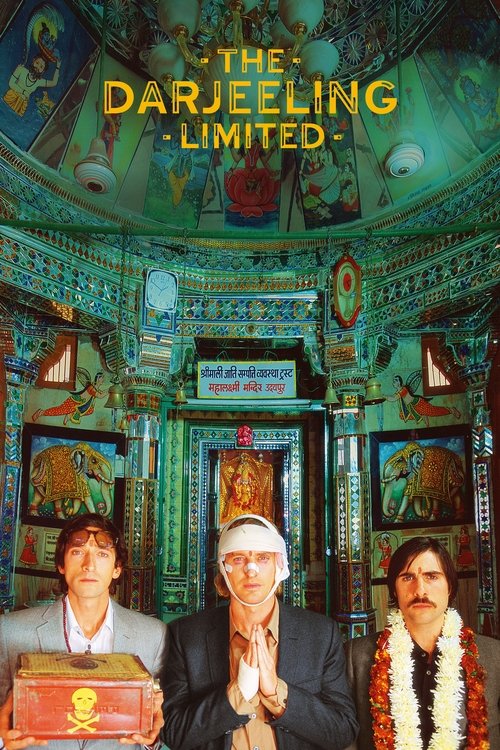
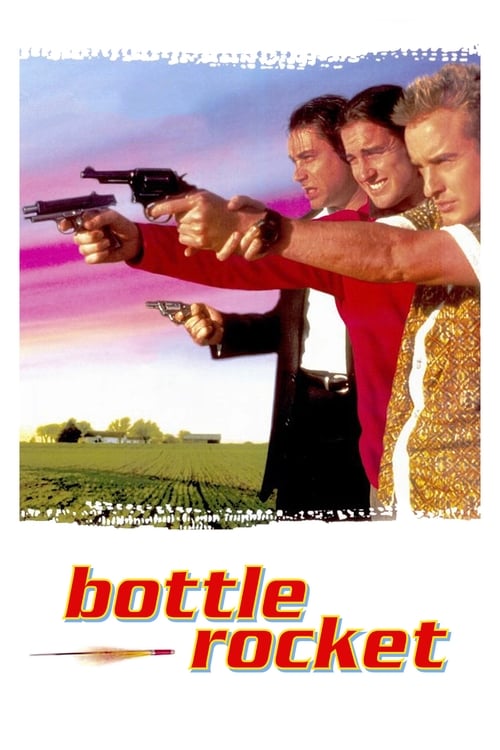
The director's own films, ranked by how much they share Grand Budapest's tone of stylised loss



If You Love the Absurdist Caper
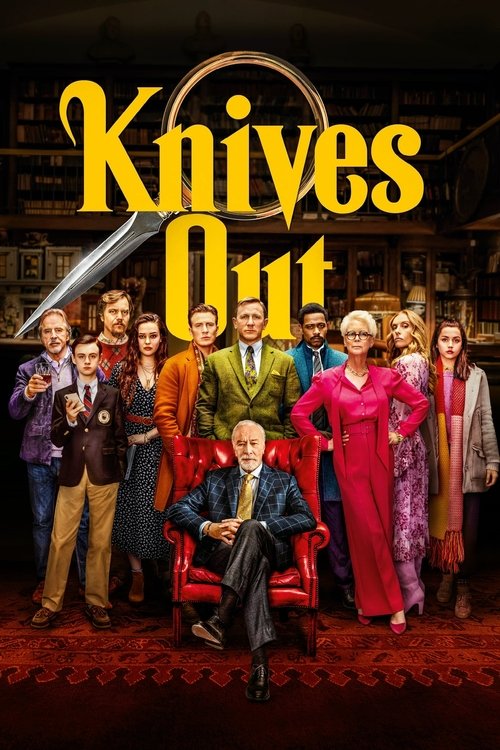
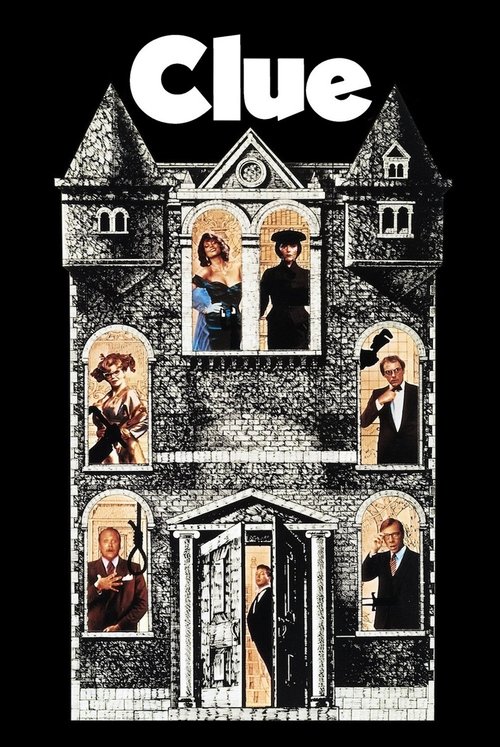
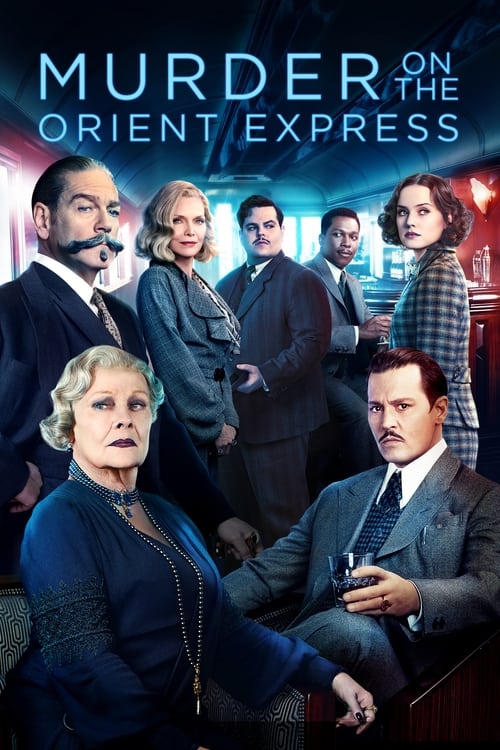
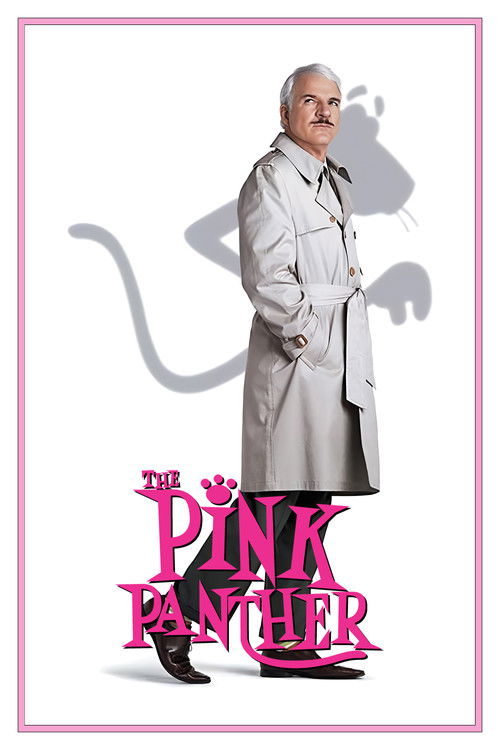
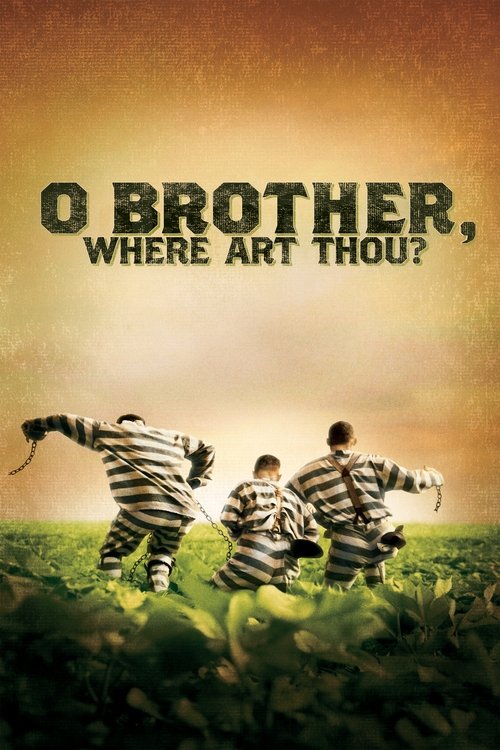
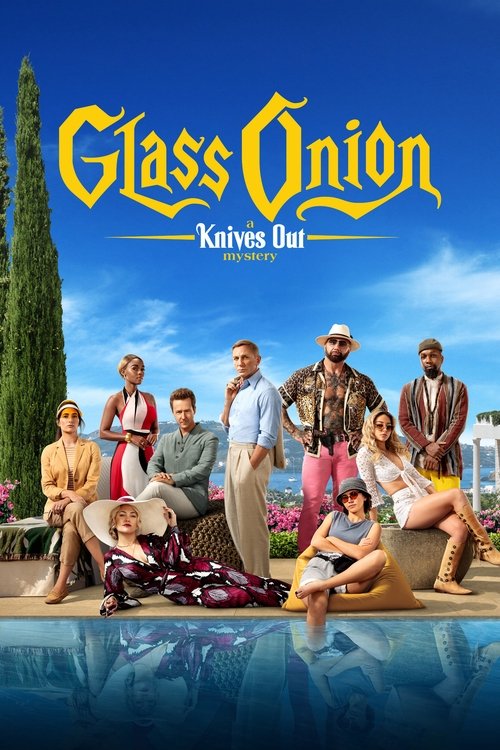
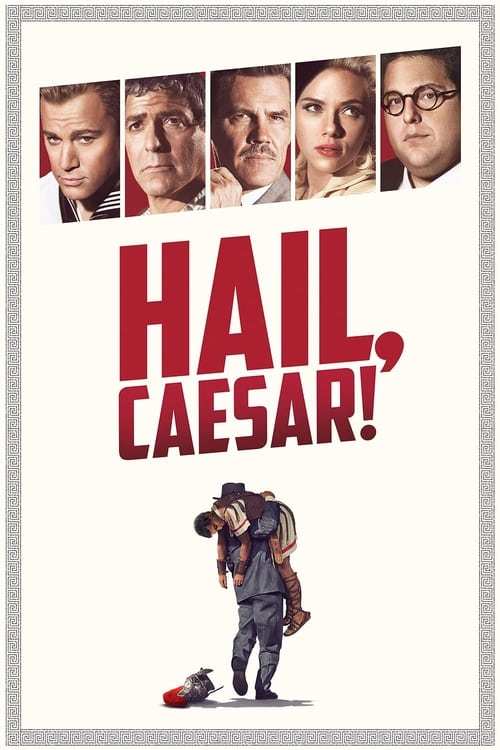
Films that share the same mix of deadpan wit, ensemble precision, and an elaborate plot treated like a game


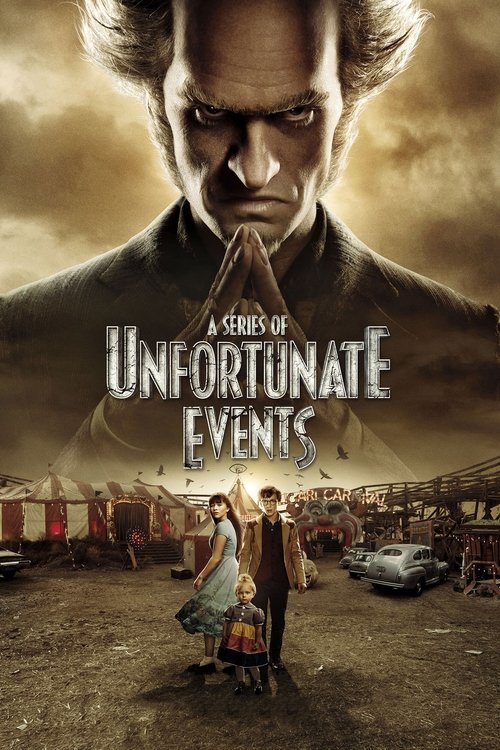
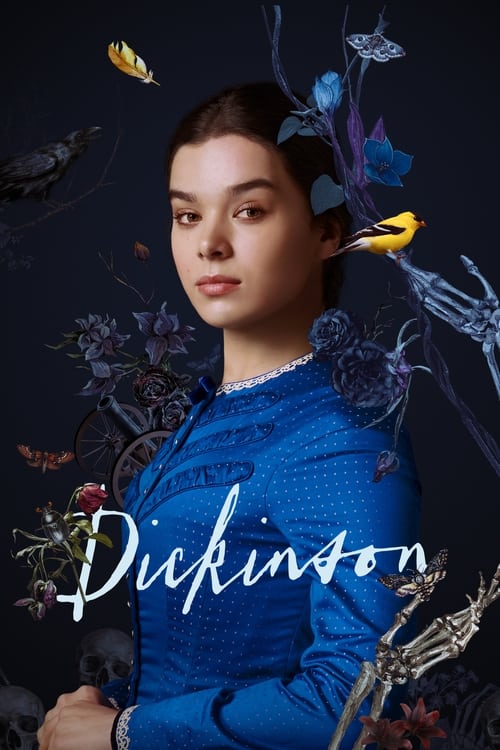
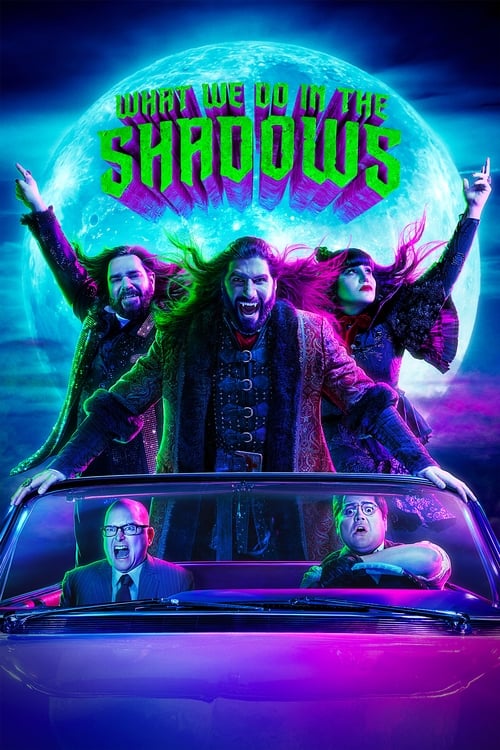
Series with the Same Precise Wit
Television that shares Grand Budapest's eye for detail, ironic warmth, and ensemble storytelling


The Novels Behind the Feeling
Books that share the melancholy of a gilded world at the edge of collapse, or the pleasure of an intricate story inside a story


Games that Share the Aesthetic Soul
Games built on symmetry, dark absurdism, or a love of a world slightly too designed to be real


Stefan Zweig Is the Hidden Co-Author
Anderson has said publicly that The Grand Budapest Hotel grew from Stefan Zweig's memoirs and fiction, particularly 'The World of Yesterday' and 'Beware of Pity.' Zweig wrote with the same ache for a cultured European world erased by war. Reading him is not background research; it is the emotional key to why the film feels the way it does. The nostalgia is not decorative. It is the point.
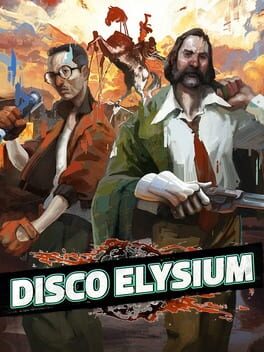
Disco Elysium Is the Game That Matches the Grief
Disco Elysium shares something essential with Grand Budapest: both are comedies that take loss seriously. The Revachol of Disco Elysium is a city that had a revolution, lost its way, and cannot stop picking at the wound. The Hotel is a Europe that had elegance, lost it to war, and cannot stop pretending. Both works are funniest at the moments when the sadness breaks through.
The Caper Plot Is a Delivery Device for Something Else
Grand Budapest runs a murder mystery, a prison break, a ski chase, and a shoot-out through its ninety-nine minutes. None of those set pieces are really the film. Anderson uses the plot machinery to keep the frame moving while Zero and Gustave's relationship, and the elegy for old Europe, unfold underneath. The lesson for what to watch next: look for films where the plot is a vehicle and the real subject is a relationship or an era.
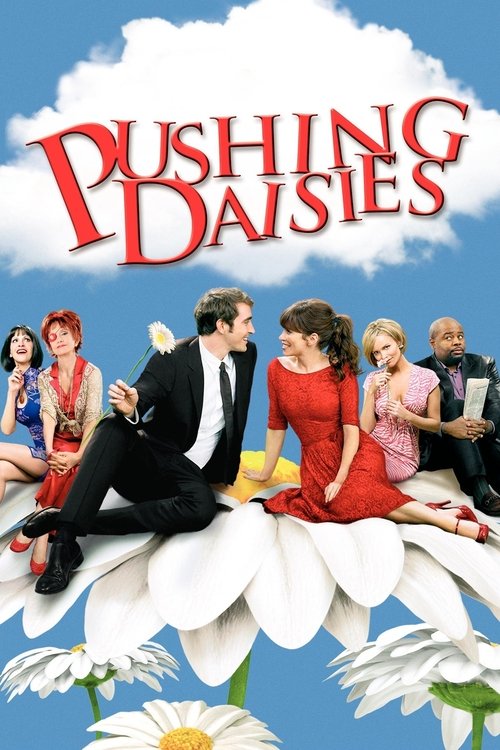
Pushing Daisies Did It First on Television
Bryan Fuller's Pushing Daisies (2007-2009) arrived years before The Grand Budapest Hotel and cracked the same formula: a saturated, impossible visual world; a narrator who mourns events as they happen; a story about love that is structurally unable to be consummated. It was cancelled before its time. If you have not watched it, it is the single closest television cousin to what Anderson made.
A Genealogy of Stylised Melancholy
- 1942Stefan Zweig publishes 'The World of Yesterday' posthumously, the memoir that would seed the film's emotional core The World of Yesterday
- 1998Rushmore: Anderson's first full statement that comedy and grief can share a frame Rushmore
- 2001The Royal Tenenbaums makes the loss structural, not incidental The Royal Tenenbaums
- 2007Pushing Daisies arrives on television: same saturated world, same narrator mourning in real time Pushing Daisies
- 2012Moonrise Kingdom: Anderson's most direct expression of a world about to be changed forever Moonrise Kingdom
- 2014The Grand Budapest Hotel: the synthesis, and the most awarded film of Anderson's career The Grand Budapest Hotel
- 2019Disco Elysium arrives: the game that matches the grief, different medium, same wound Disco Elysium
- 2021The French Dispatch: Anderson doubles down on the magazine-issue structure, one more love letter to a print culture already gone
Wes Anderson whimsy and melancholy
For Fans of Wes Anderson
Explore the For Fans of Wes Anderson guide →The Grand Budapest Hotel is a film about a man who loved something beautiful and transient and spent the rest of his life curating the memory of it. That is also what the film itself does to its own world.CrossBinge