
The World According to Wes
Wes Anderson makes films the way certain people arrange bookshelves: with an almost frightening specificity, as though the exact placement of each object keeps something terrible at bay. His movies are boxes inside boxes, framed and reframed, saturated to a particular shade of mustard and coral and institutional green that exists nowhere in nature but feels more real than reality. A father who cannot communicate love except through elaborate expeditions. A family hotel staffed by ghosts and concierges in perfect formation. A fox who simply refuses to stop being a fox.
But the obsessive symmetry and storybook production design are not the point, they are the container. Inside every Anderson film is something genuinely raw: the particular grief of fathers and sons who cannot reach each other, the comedy of people who refuse to let catastrophe disrupt their routines, the melancholy of things that are already gone before the story begins. He builds elaborate sets so that the emotion sneaking in through the back door arrives harder.
If that combination, the gorgeous surface tension and the feeling pooling underneath, is what keeps you returning, then you already know the frequency. Here is the rest of the dial.
Essential Wes Anderson
The films, ranked for the first-timer and the devotee alike

Start with The Royal Tenenbaums
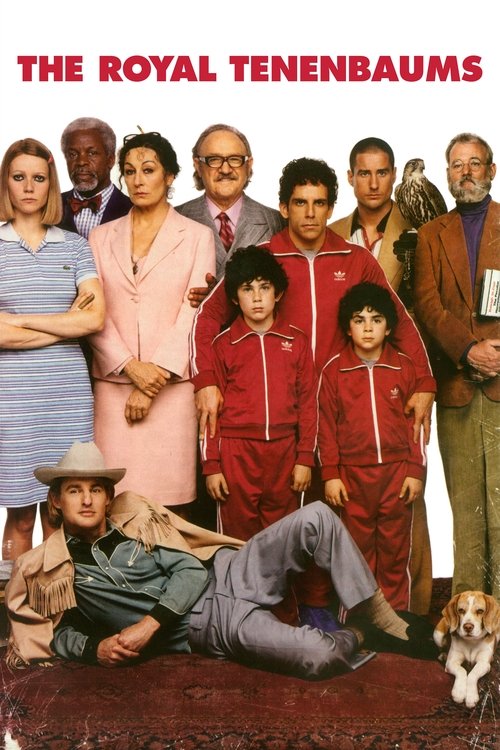
Every director has the film where everything they would ever do crystallizes at once. For Anderson that film is The Royal Tenenbaums (2001). The scope is right: a single crumbling family, a whole invented city. The tone is locked: comedy that keeps stepping on its own punchlines to make room for sorrow. The ensemble, Gene Hackman doing the best work of his career as a man who has failed everyone and knows it, is the proof of concept that every film afterward would refine. If you have seen it four times it still rewards a fifth; if you have not seen it, do not read another word of this guide first.
The Melancholy of Beautiful Systems
Films and shows where exquisite form holds grief or absurdity just barely in check
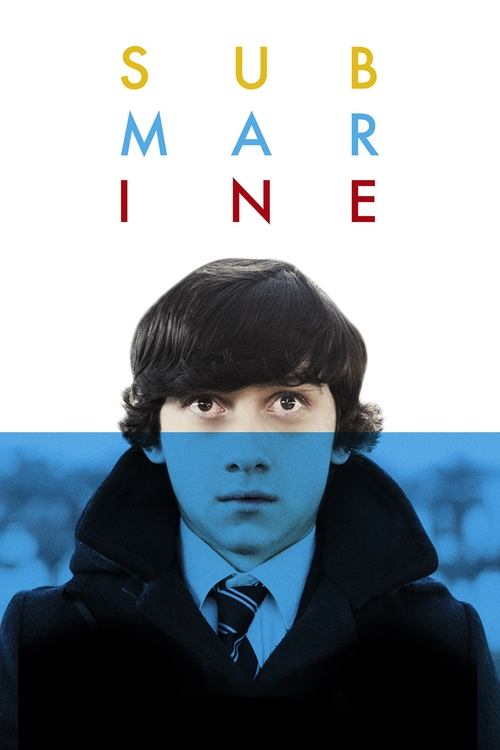

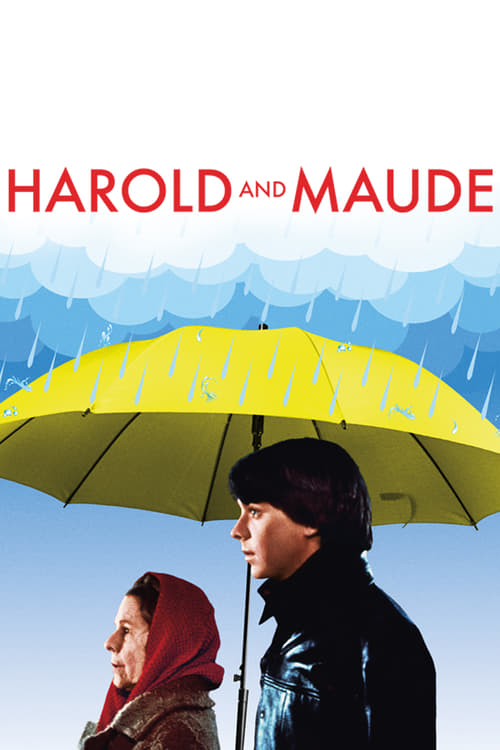
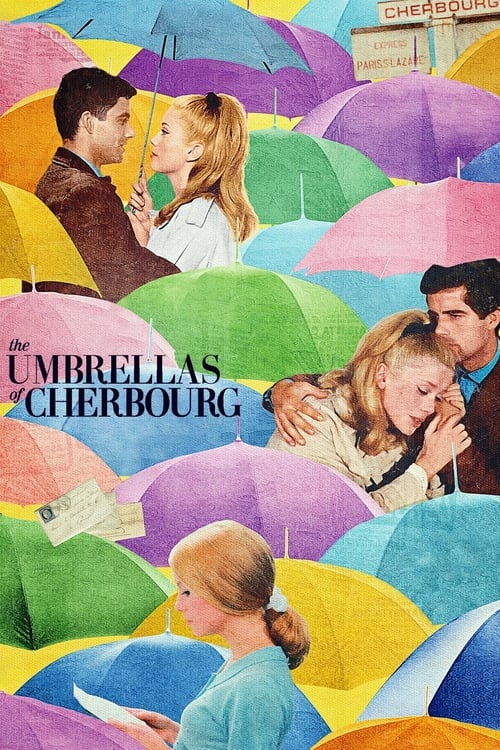
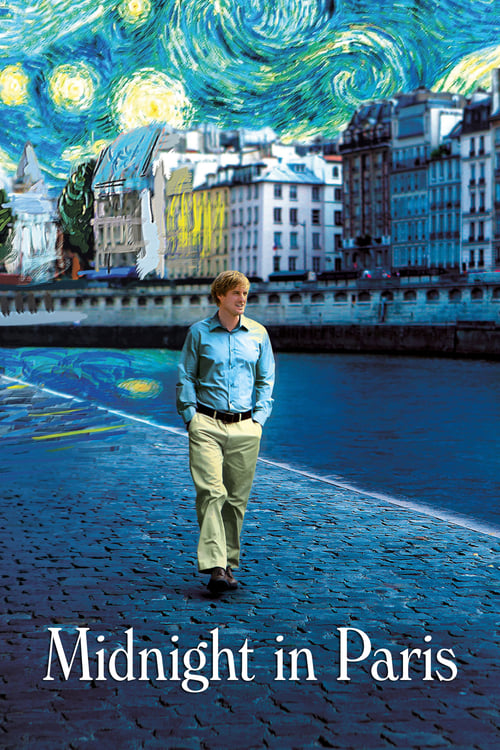
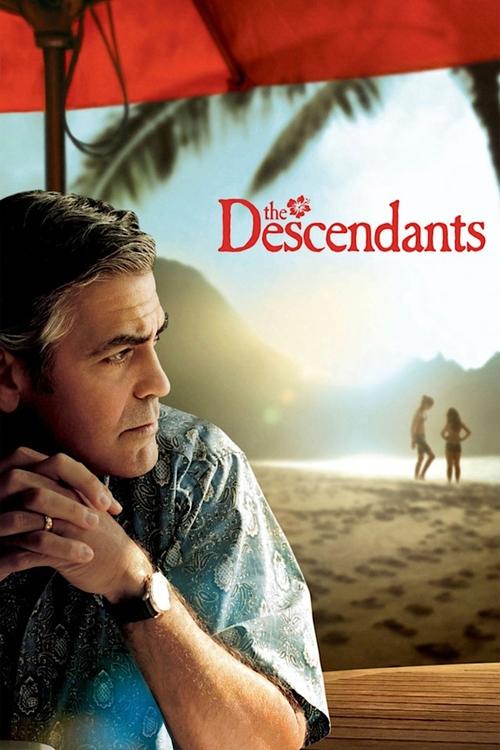
Families Coming Apart in Slow Motion
Dysfunction rendered with precision and unexpected tenderness
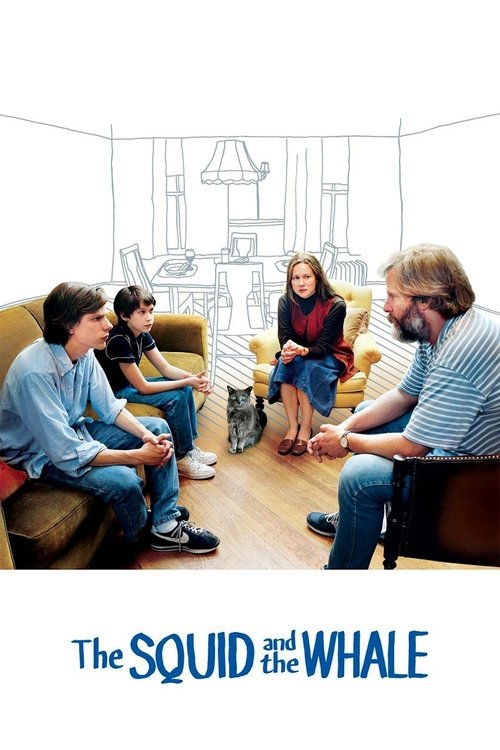
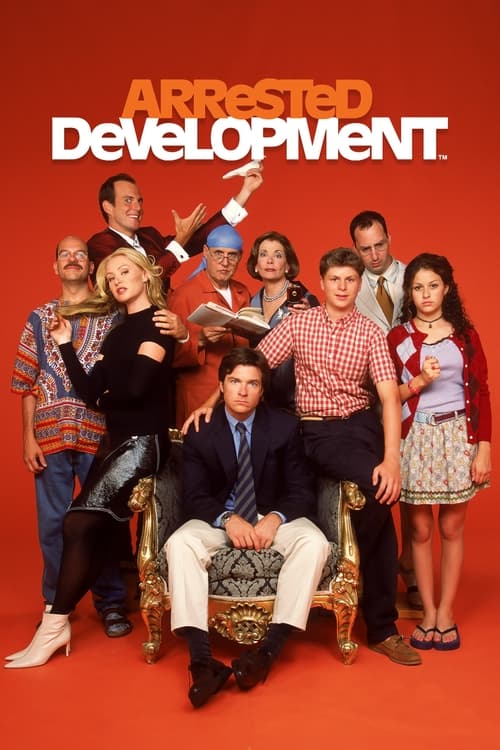
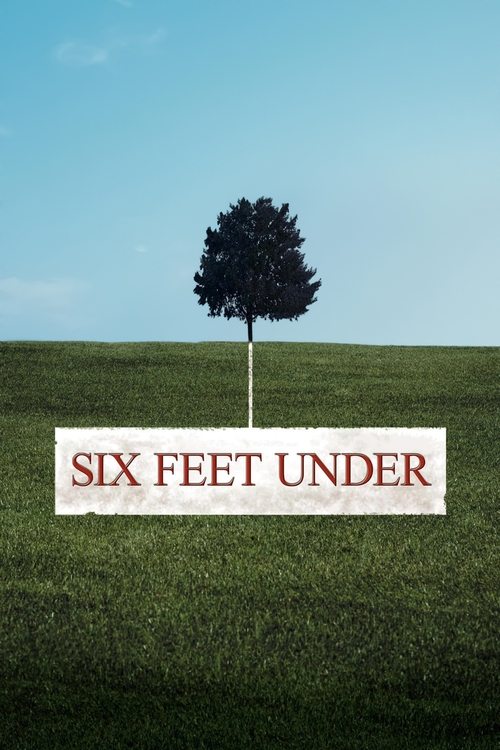

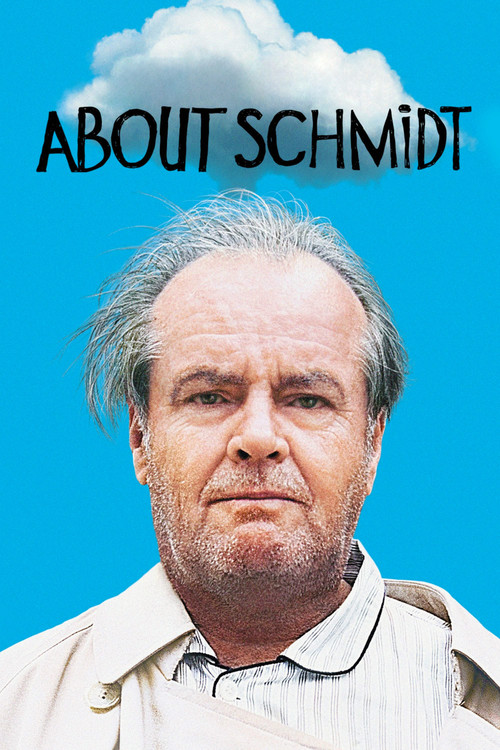


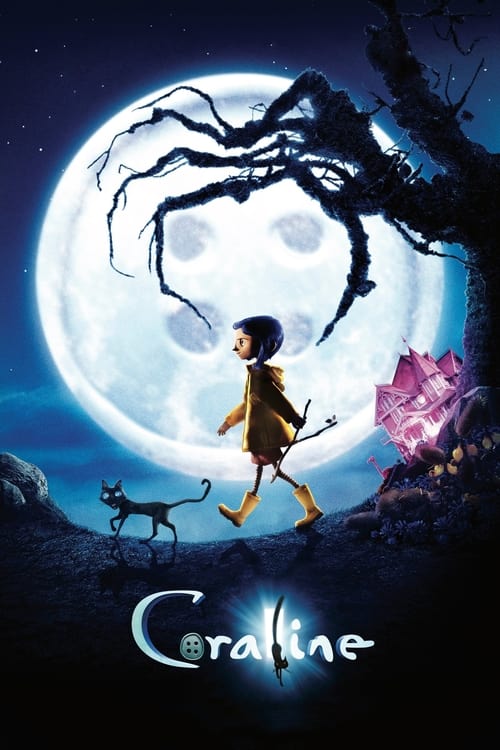
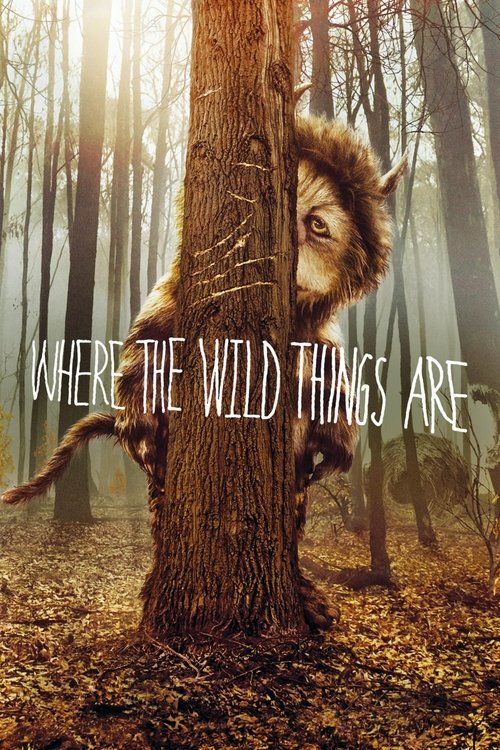
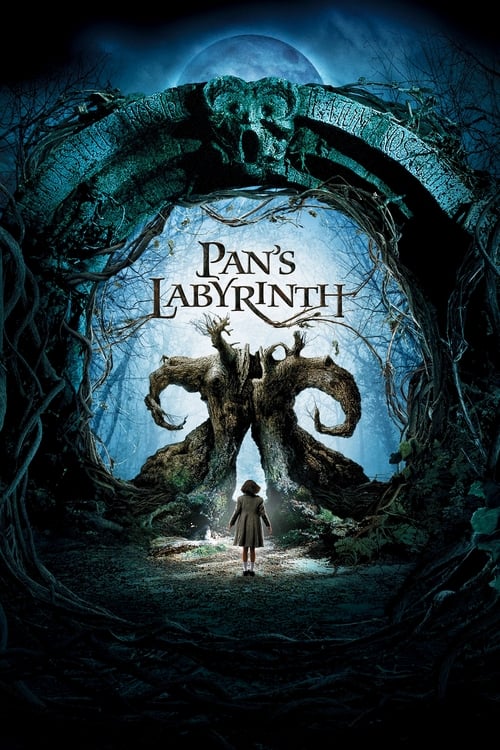
Storybook Worlds with Teeth
Constructed realities, miniature and elaborate, where darkness enters through the cracks



Games with Wes Anderson's Eye
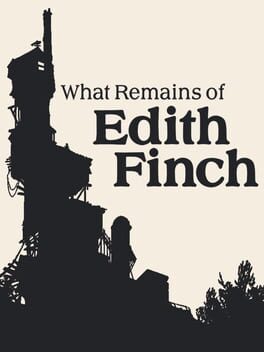
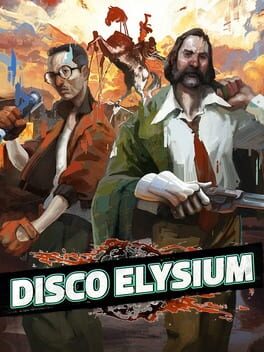
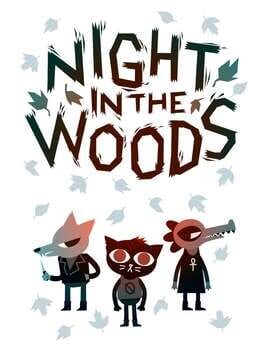
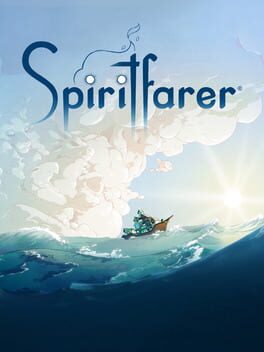
Precise worlds, diorama aesthetics, the poetry of small spaces






The underrated one: The Life Aquatic with Steve Zissou
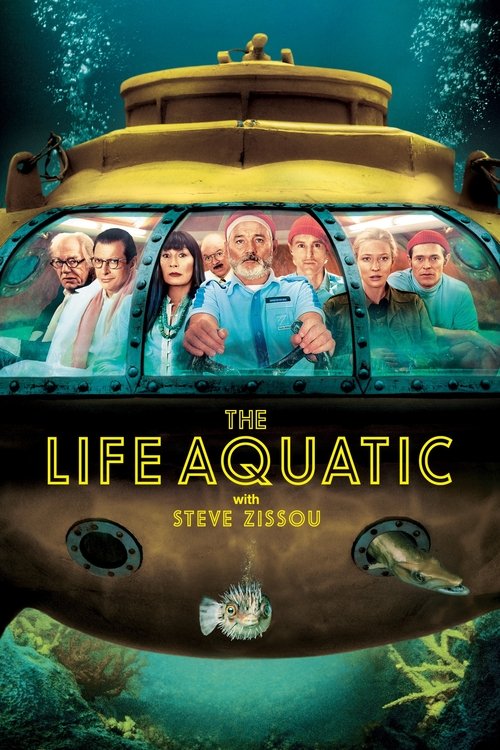
The Life Aquatic with Steve Zissou (2004) was dismissed on release as cold and indulgent. It is now easy to see it as the film where Anderson's emotional project becomes most explicit: a man performing competence and legend-building as a substitute for feeling, finally forced to grieve. Bill Murray has never been more still. The film is about pretending, and how exhausting it is, and how pretending is also sometimes the only way certain men can love.
He makes films about people who are drowning very slowly in very beautiful rooms, and who cannot stop rearranging the furniture.CrossBinge editors
Wes Anderson: Feature Films
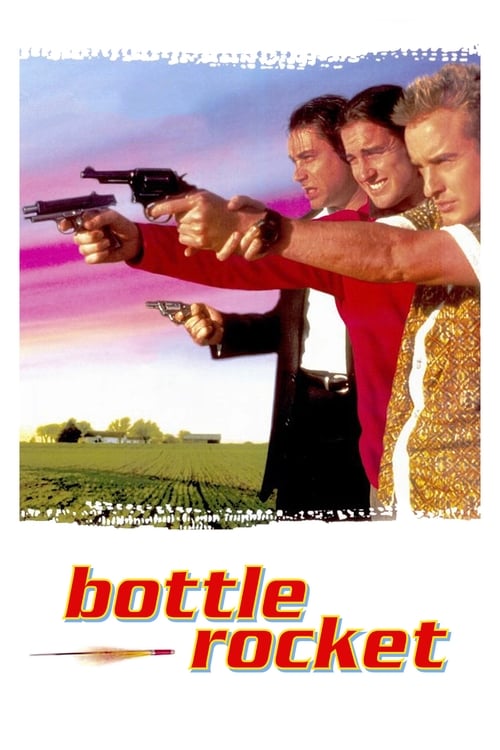
- 1996Debut feature Bottle Rocket
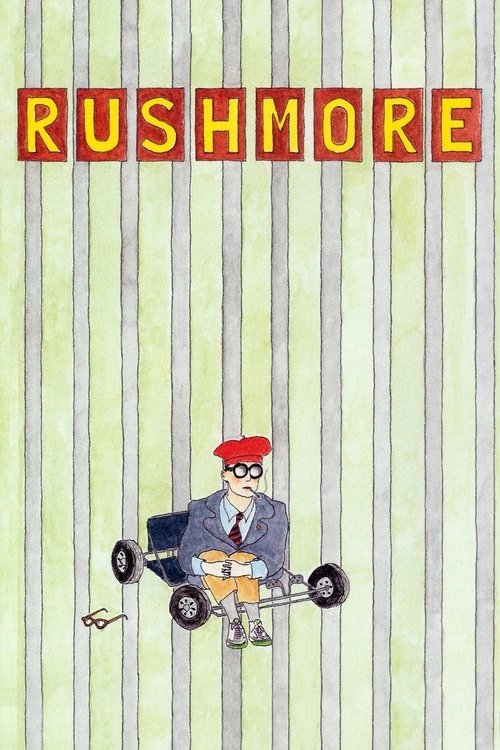
- 1998Breakthrough Rushmore
- 2001Masterpiece The Royal Tenenbaums
- 2004Sea voyage The Life Aquatic with Steve Zissou
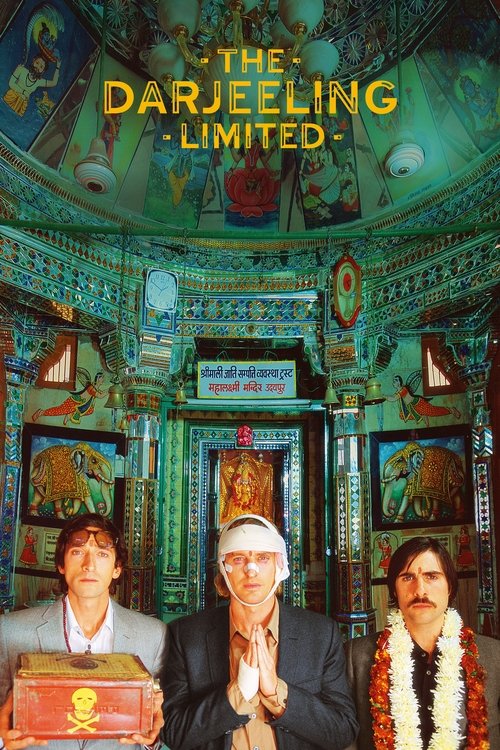
- 2007India The Darjeeling Limited
- 2009First animation Fantastic Mr. Fox
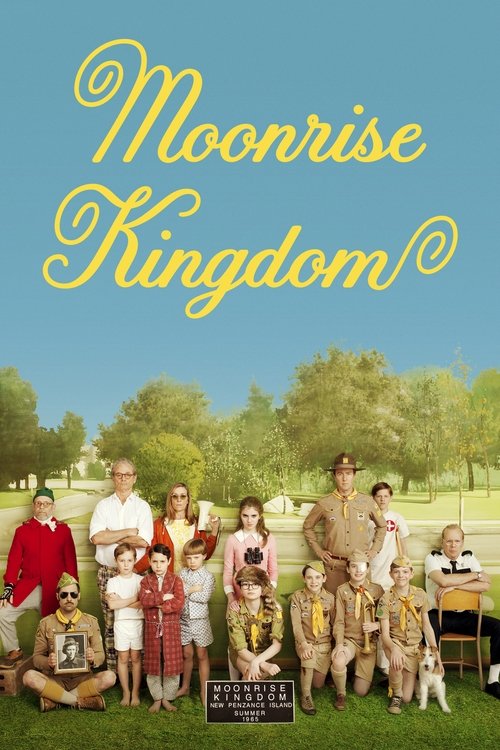
- 2012Young love Moonrise Kingdom
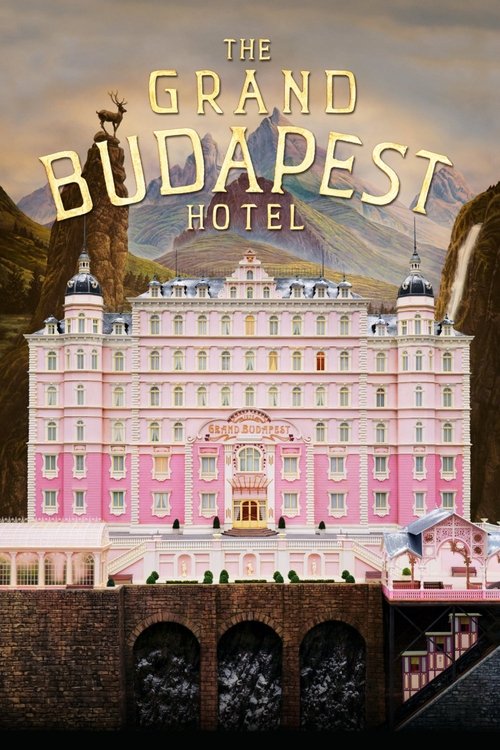
- 2014Hotel interlude The Grand Budapest Hotel
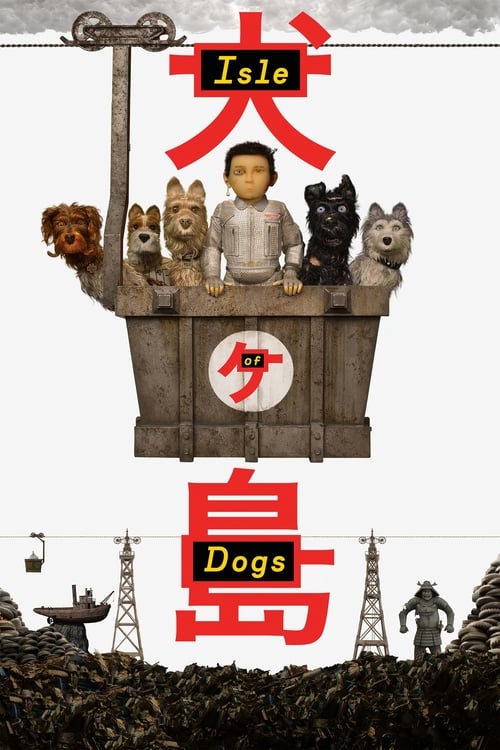
- 2018Second animation Isle of Dogs
- 2021Anthology
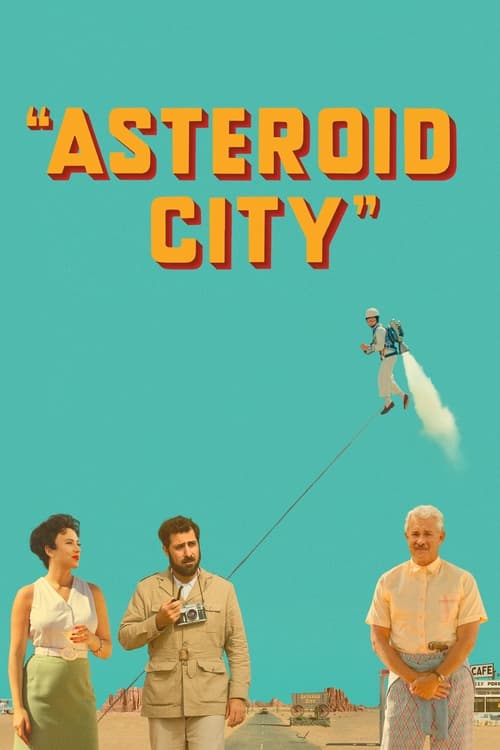
- 2023Desert tableau Asteroid City
The spiritual successor: Paddington 2
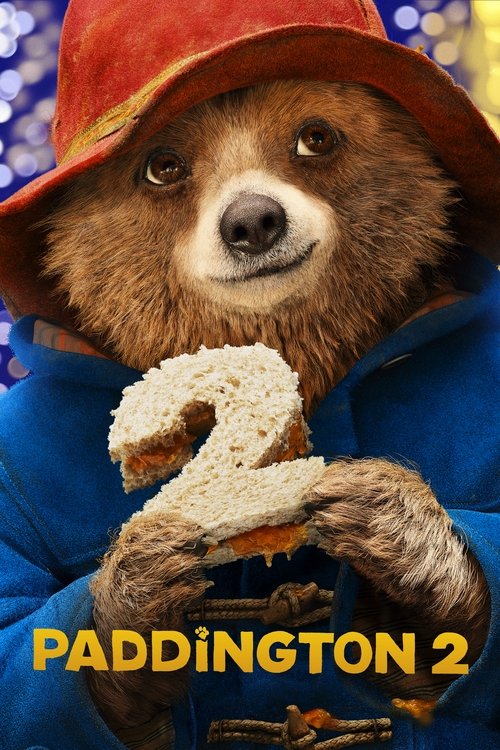
Paddington 2 (2017) is not an Anderson film. But it is the most Anderson-adjacent film made by someone else: a deeply moral story about a small creature who insists on seeing the best in everyone, set inside a precisely designed and color-coded world, where the villain is a man who mistakes spectacle for achievement. It is symmetrically composed, warmly sad in exactly the right places, and far better than its premise has any right to be. Anyone who loves the Anderson sensibility and has somehow missed it is in for a genuine surprise.