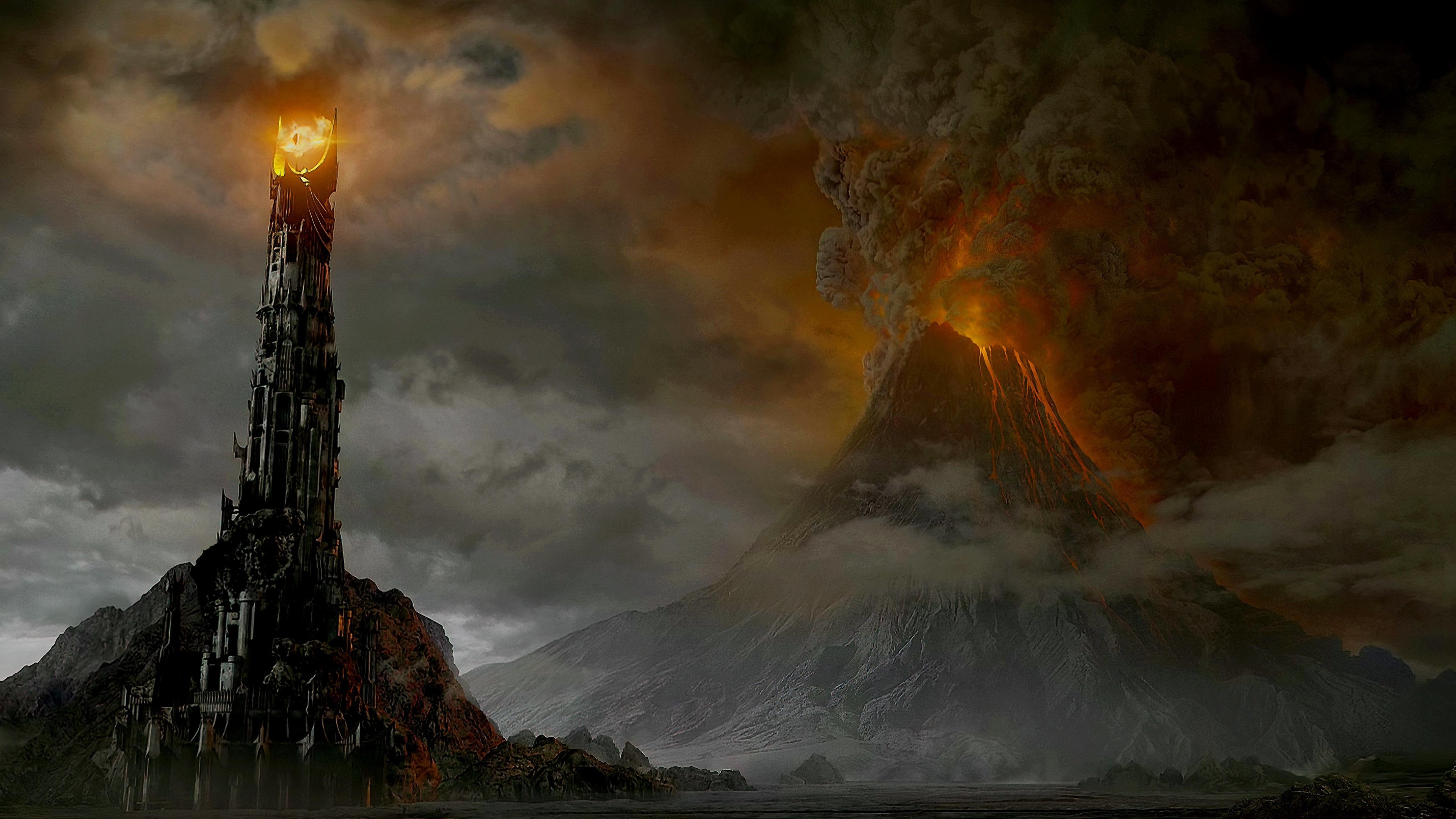

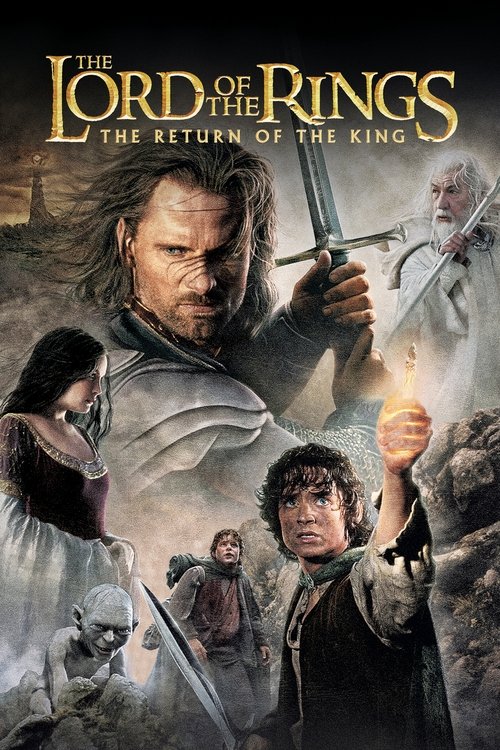
What Peter Jackson and his collaborators pulled off in 2003 was not merely a satisfying conclusion: it was a sustained emotional demolition spanning three hours and twenty minutes. The Return of the King earns its eleven Academy Awards not through spectacle alone but through the specific weight it places on small people carrying impossible burdens. Frodo and Sam crawling toward Mount Doom while Aragorn's army buys them minutes they may not have is one of cinema's great structural gambits, and it works because Jackson spent two entire films making you feel the cost of every step. The thread fans keep chasing across other media is this: grandeur that never loses sight of the individual. Massive battles rendered with practical and digital craft, scored by Howard Shore in ways that feel like memory surfacing rather than music imposed from outside, and underneath it all a story about what ordinary courage looks like when the stakes are genuinely absolute. If that combination of scale and intimacy is what you return to, here is where to look next.
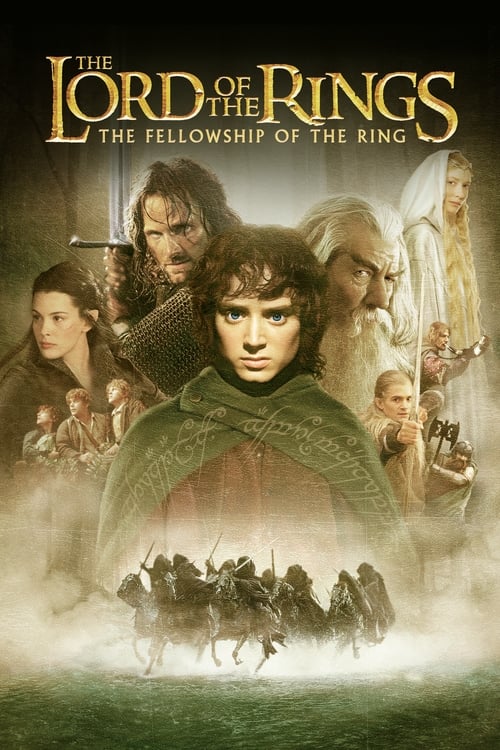
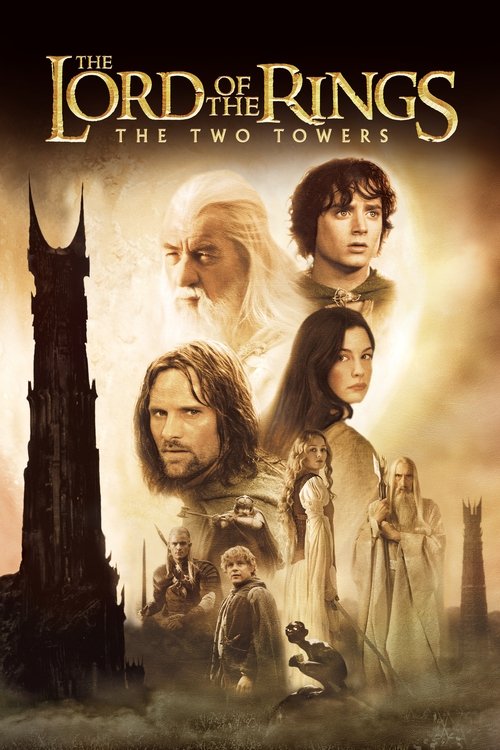
The Lord of the Rings Trilogy
Start with the whole journey: all three films reward revisits as a single continuous work.
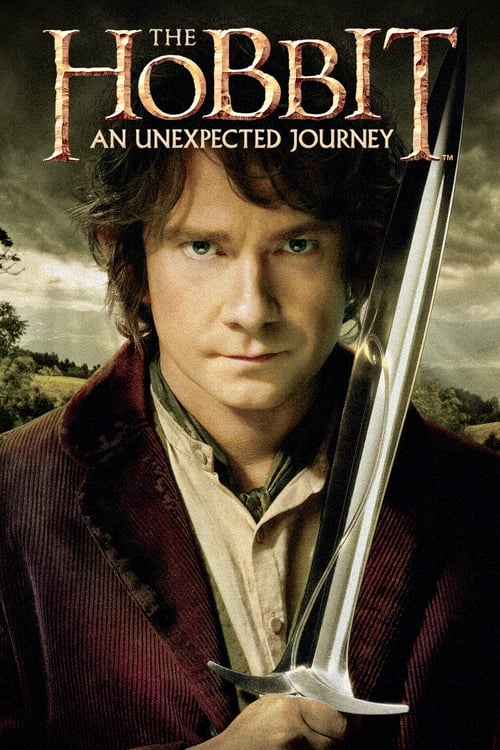
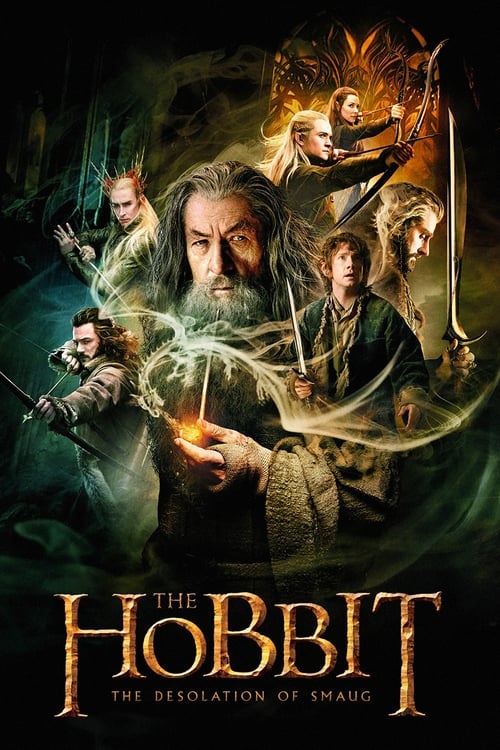
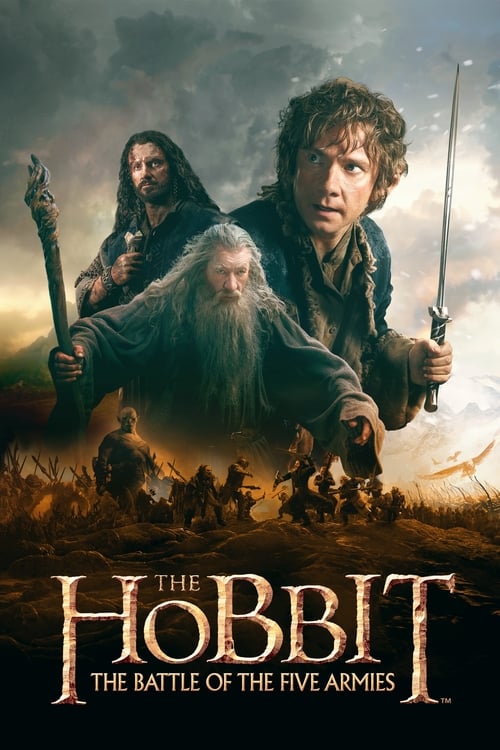
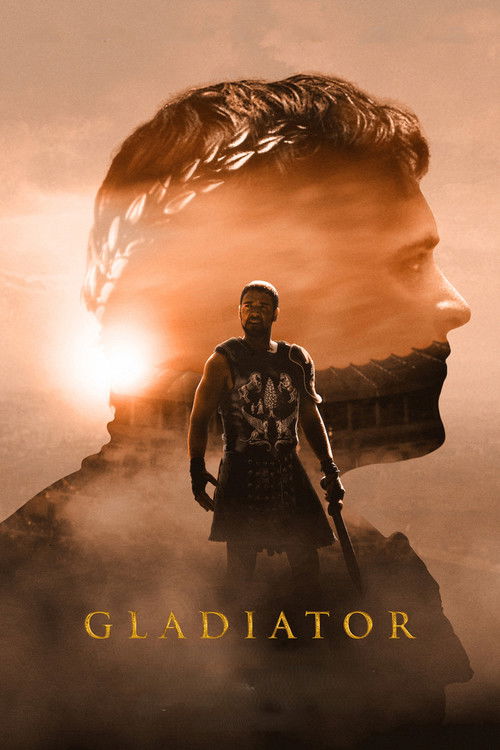
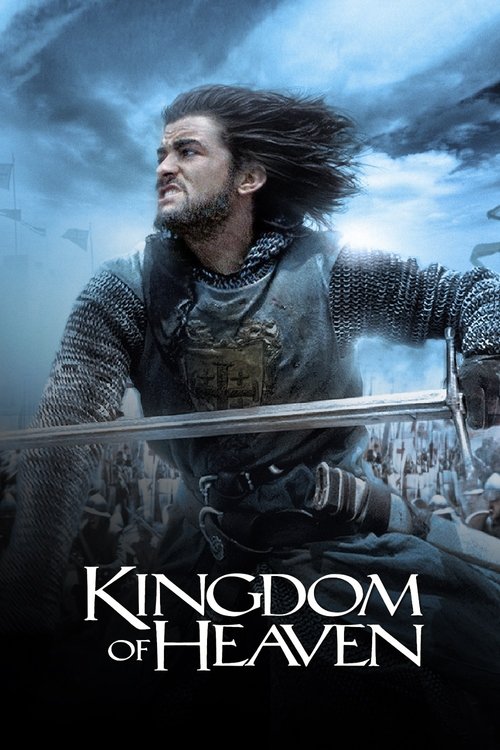
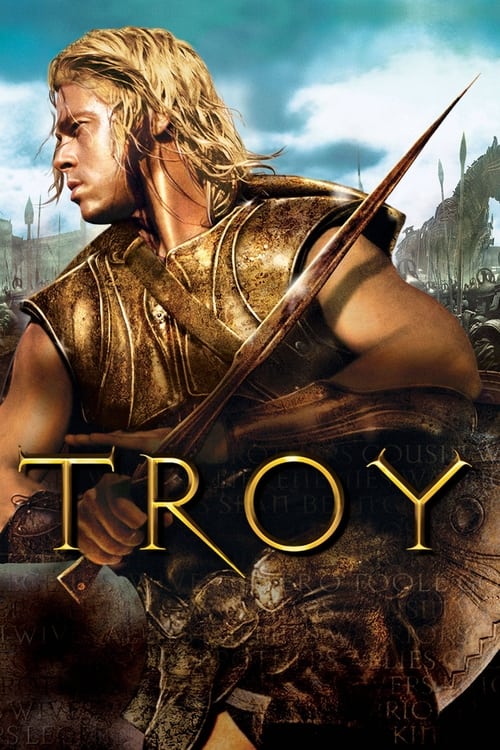
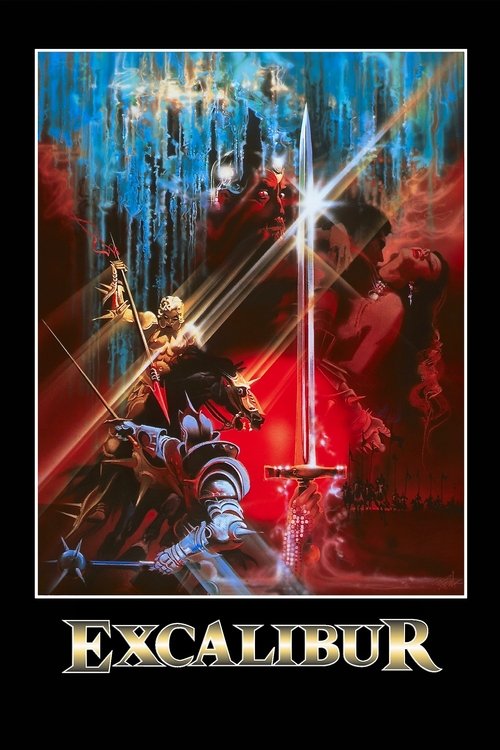
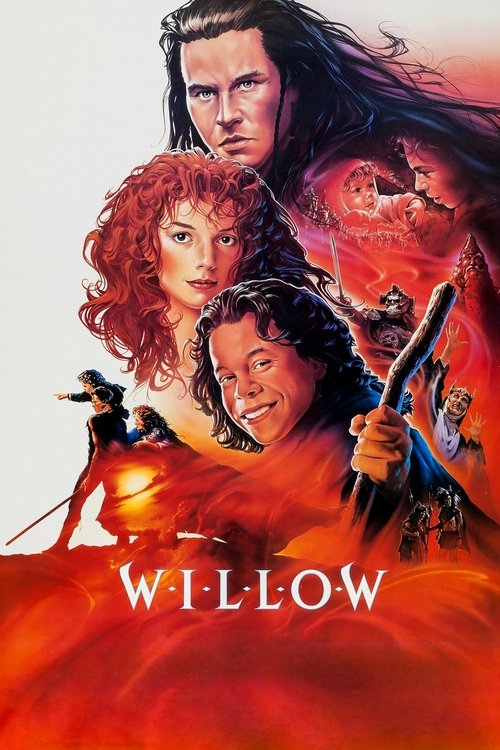
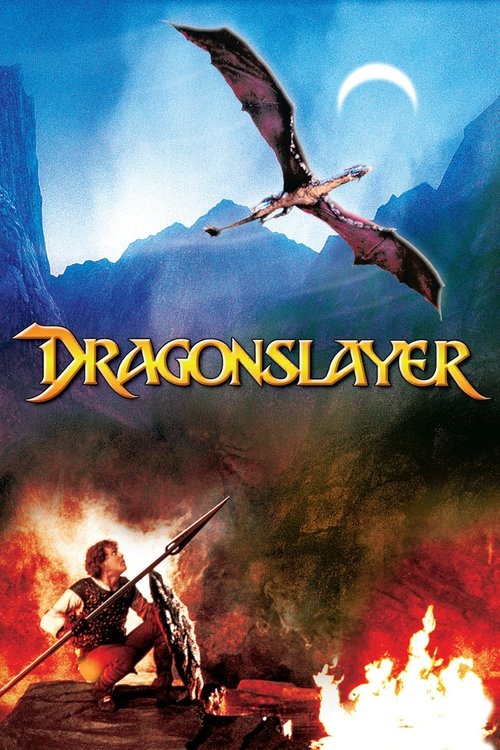
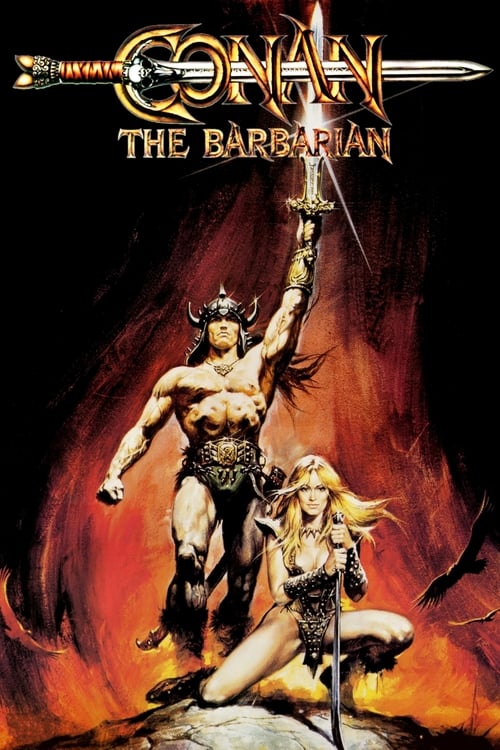
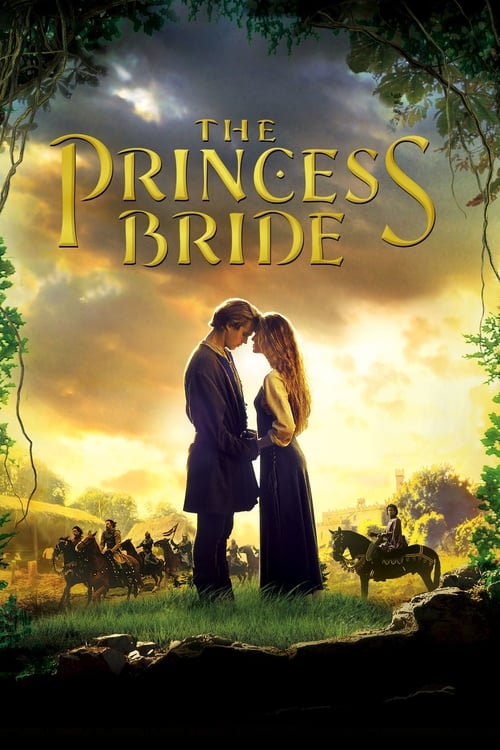
Films That Scale the Same Heights
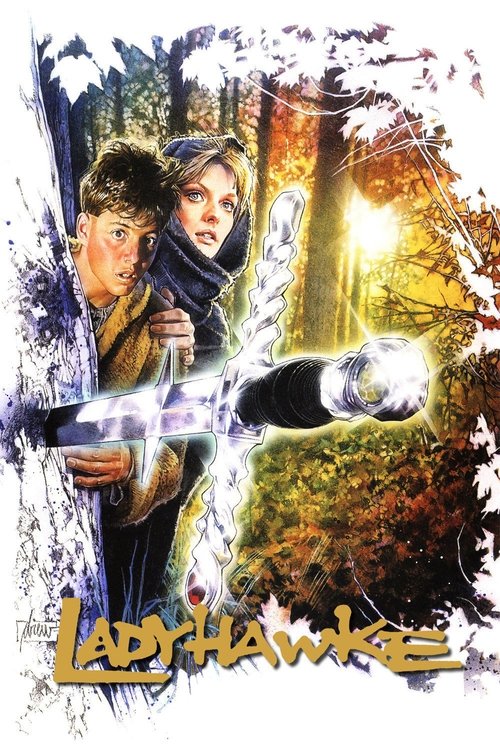
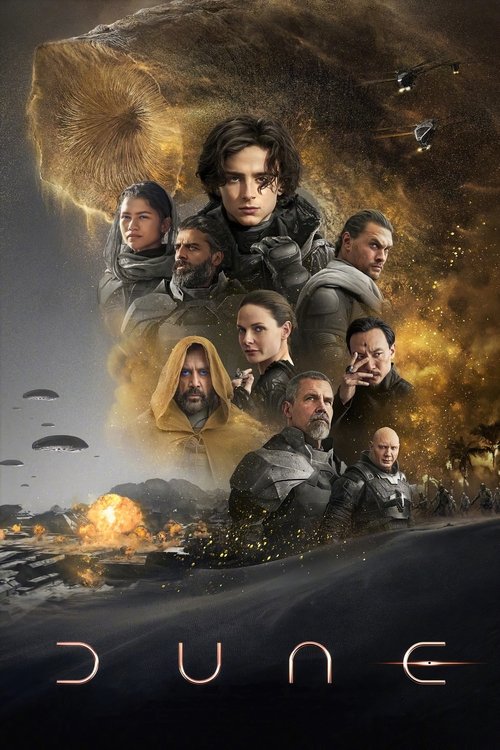
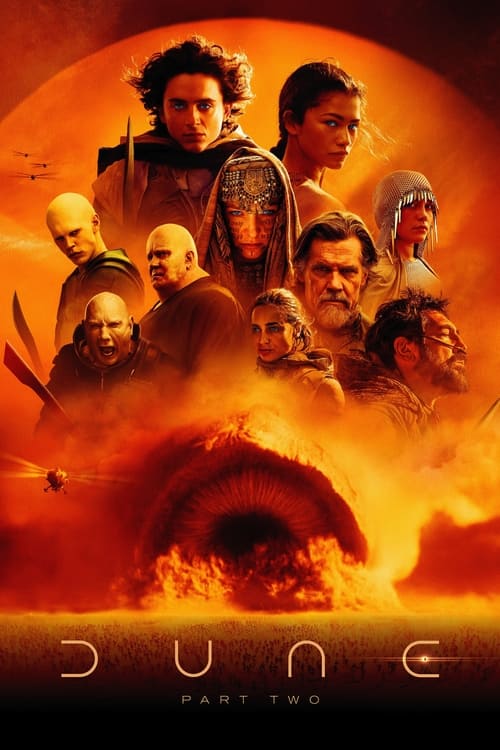
Epic fantasy and myth on screen, each committed to emotional payoff at enormous scope.
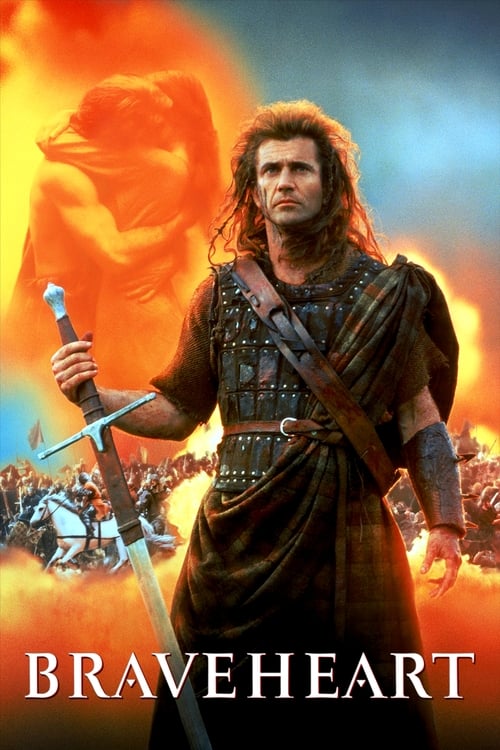
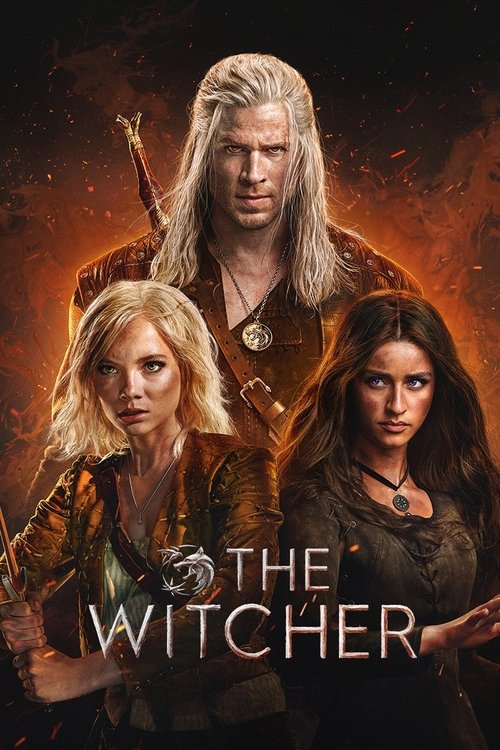
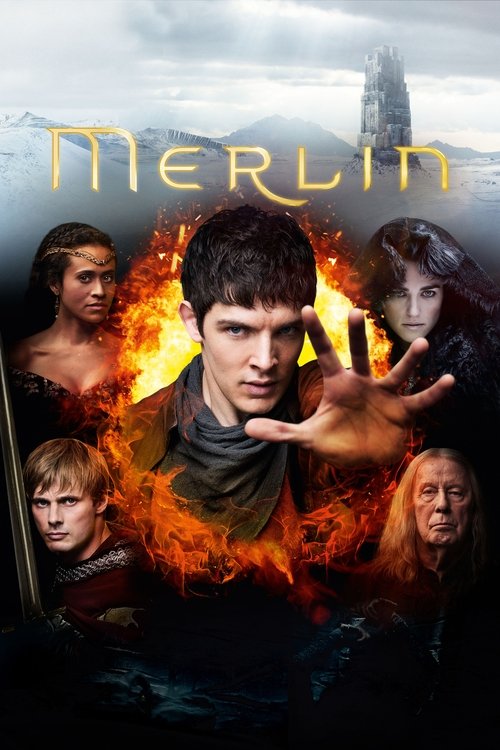
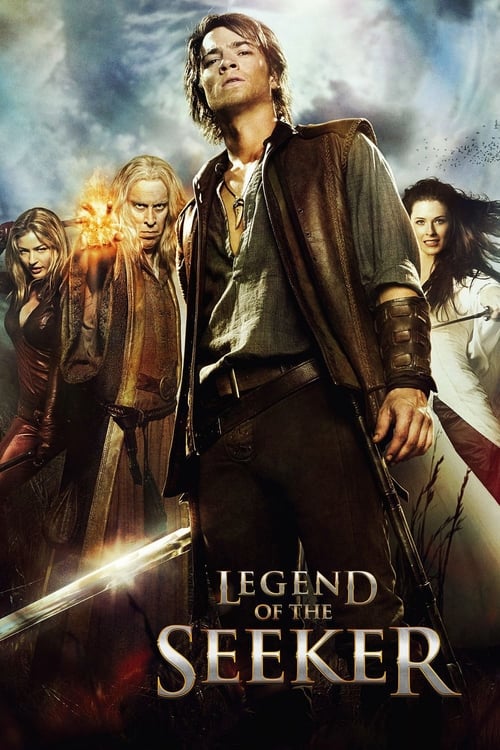
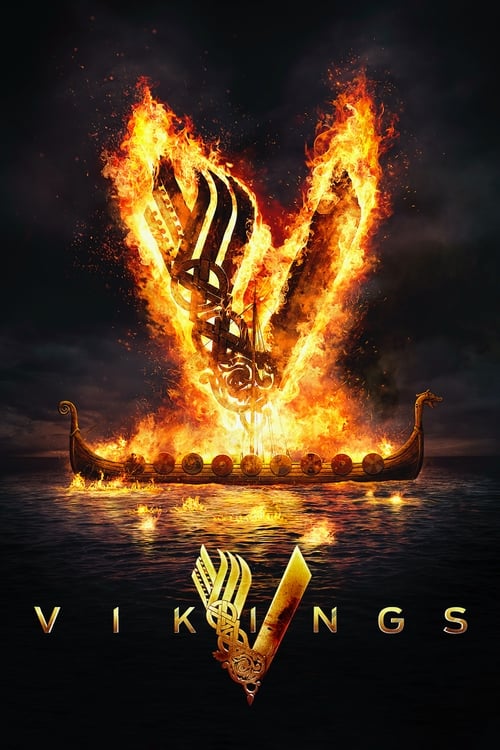
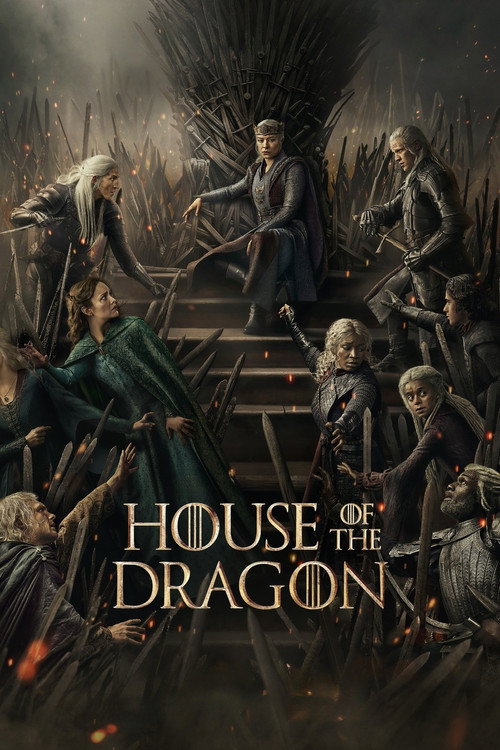
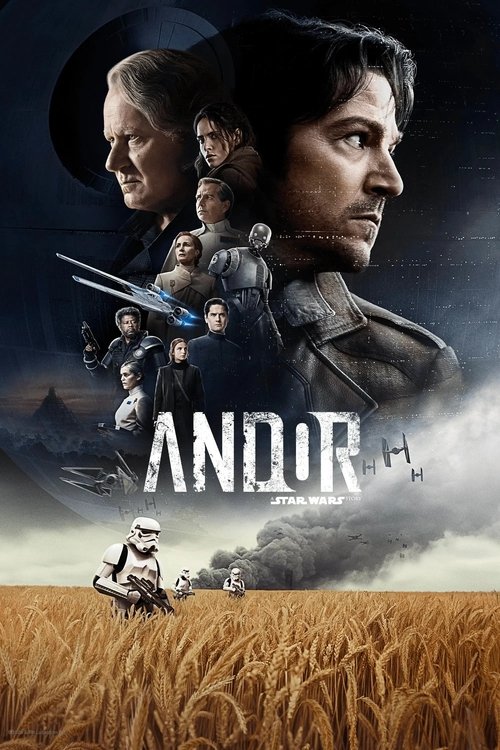
Series That Build Worlds Worth Living In
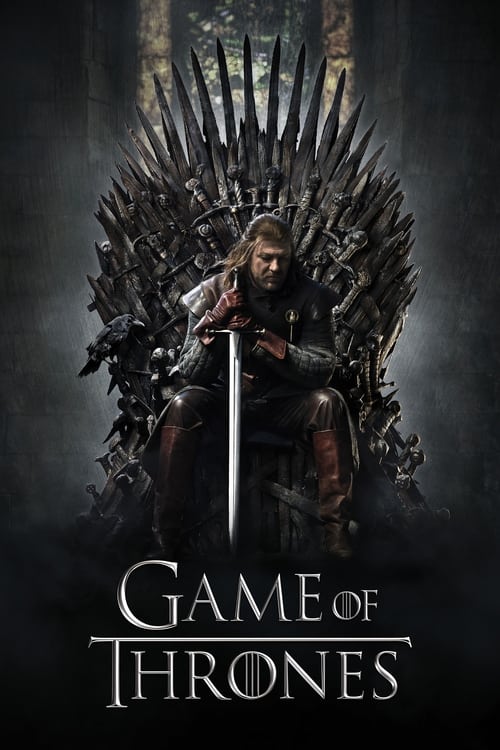
Long-form fantasy and epic storytelling that rewards the commitment the trilogy demands.
The Books That Started Everything (and Their Kin)
Tolkien's source texts and the foundational fantasy novels that share his DNA.


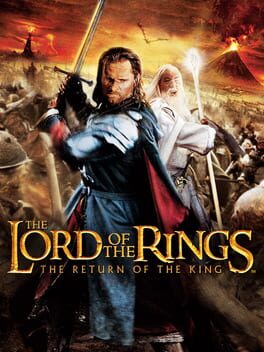
Games That Carry the Torch
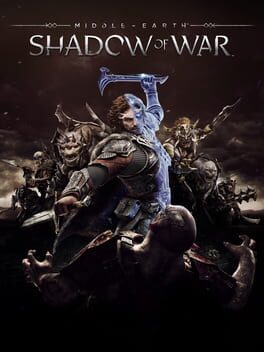
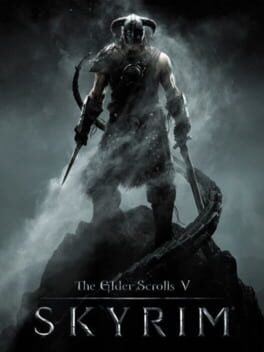
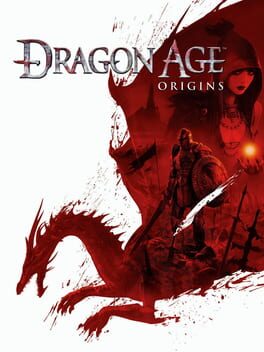
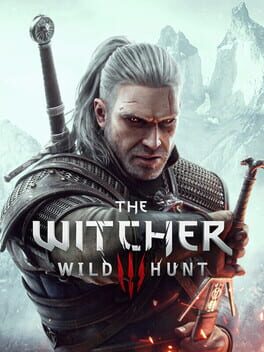
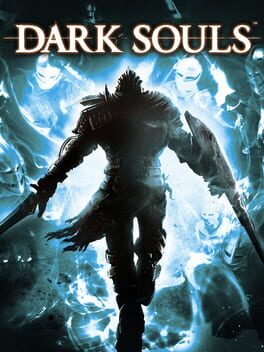
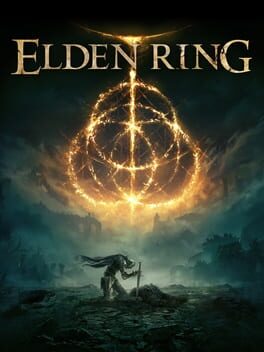
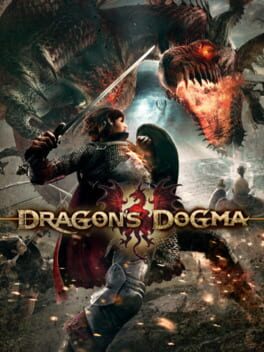
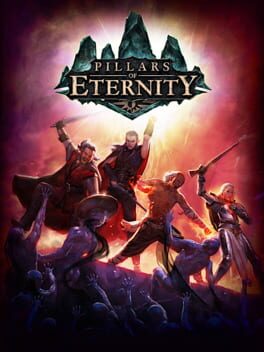
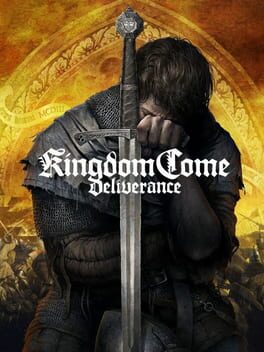
Fantasy action and open-world RPGs built around the sense of a vast, lived-in world where your choices carry weight.
Sam Gamgee Is the Protagonist and the Film Knows It
Frodo is the burden-bearer, Aragorn the king restored, but Sam is the one who actually chooses every moment. He turns back at the river. He carries Frodo up the mountain. His speech about the stories that mattered is the film's thesis delivered in plain language. Tolkien said as much in his letters, and Jackson's casting of Sean Astin makes it felt rather than argued. Any game, book, or sequel that tries to recapture what the trilogy does should look at Sam first.
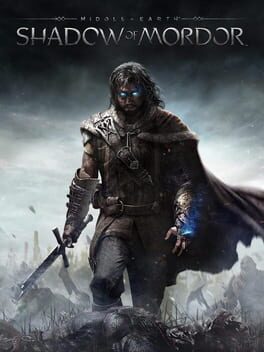
Middle-earth: Shadow of Mordor Finds Its Own Angle on the Same Landscape
Rather than retell Tolkien directly, Monolith's game invents a lore-adjacent story and uses the Nemesis system to give every player a slightly different antagonist. It is one of the few Tolkien-adjacent works that does not coast on the source material's warmth but instead builds something specific to its own medium. The sequel overloads the same idea, but the original is a genuine case of adaptation that earns its place in the canon.
Middle-earth on Screen and Page: Key Dates
- 1937Tolkien publishes The Hobbit, introducing Middle-earth to readers. The Hobbit
- 1955The Return of the King (the novel) completes the trilogy after a decade of writing. The Return of the King
- 1978Ralph Bakshi's animated Lord of the Rings covers roughly the first half of the story.
- 1977Rankin/Bass produces The Hobbit as an animated TV special.
- 2001Jackson's Fellowship of the Ring arrives and redefines epic fantasy cinema. The Lord of the Rings: The Fellowship of the Ring
- 2002The Two Towers raises the battle stakes with Helm's Deep. The Lord of the Rings: The Two Towers
- 2003The Return of the King closes the trilogy and wins all eleven Oscars it is nominated for. The Lord of the Rings: The Return of the King
- 2014Shadow of Mordor introduces the Nemesis system to the franchise. Middle-earth: Shadow of Mordor
- 2022The Rings of Power brings the Second Age of Middle-earth to Amazon Prime Video.
I can't carry it for you, but I can carry you.Samwise Gamgee, The Return of the King (2003)