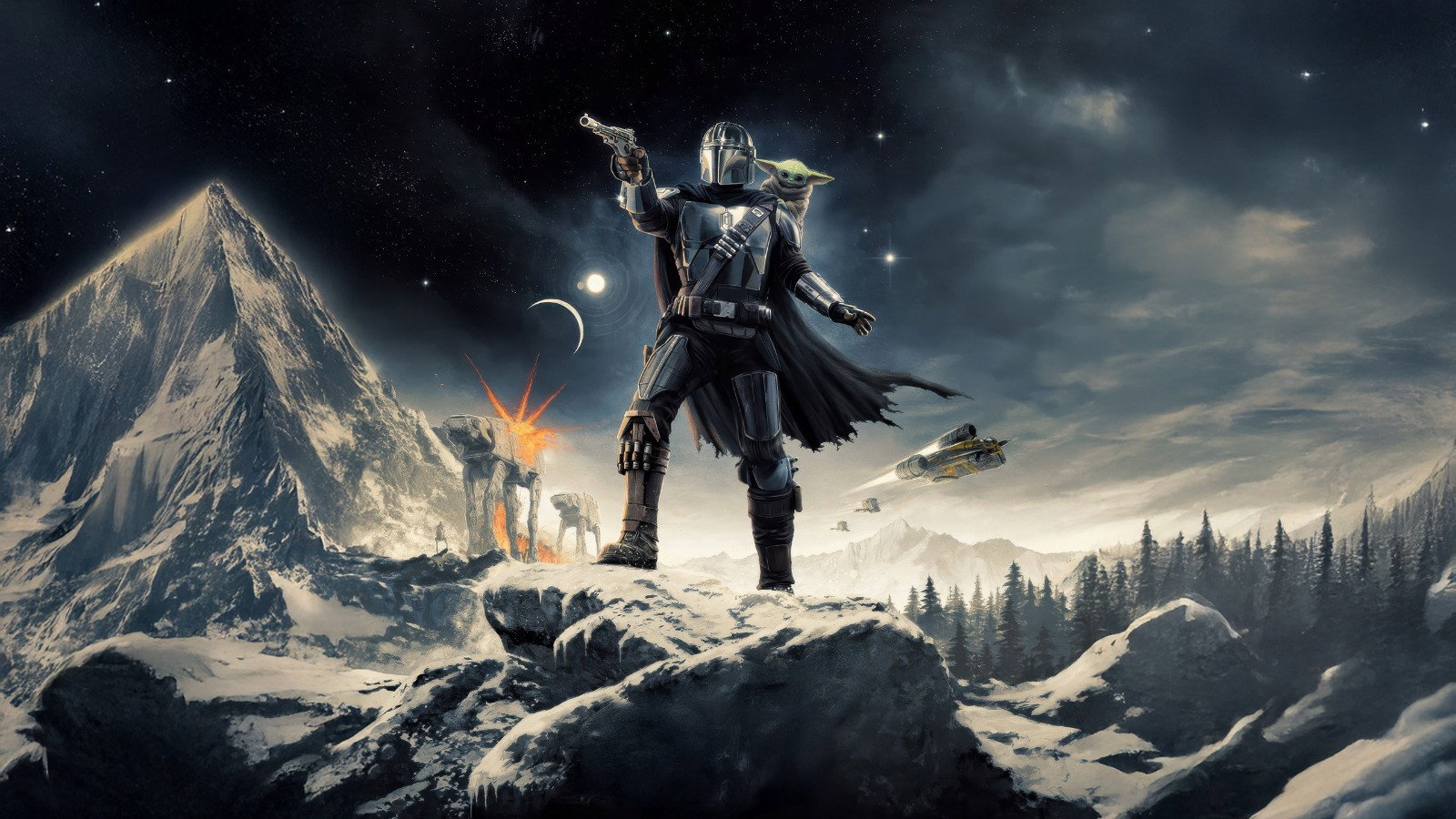

What hooked the world on The Mandalorian was not the lore or the action, though both delivered. It was the image of a battle-hardened loner cradling a small green creature and choosing, wordlessly, to upend his entire life for it. The show proved that Star Wars could work as a slow, dusty Western: sparse dialogue, wide vistas, strangers met once and barely named, and a moral code worn like armor. Grogu ("Baby Yoda" to the internet) became a cultural phenomenon not because of what he does but because of what he costs Din Djarin to protect. That tension, between duty and love, between belonging nowhere and belonging to someone, is the current that runs through every great work on this list. Fans of The Mandalorian are after a specific feeling: the quiet before the blaster fight, the helmet that never comes off, and the look exchanged between a guardian and a child that says everything neither of them can say out loud.
Essential Mandalorian Viewing
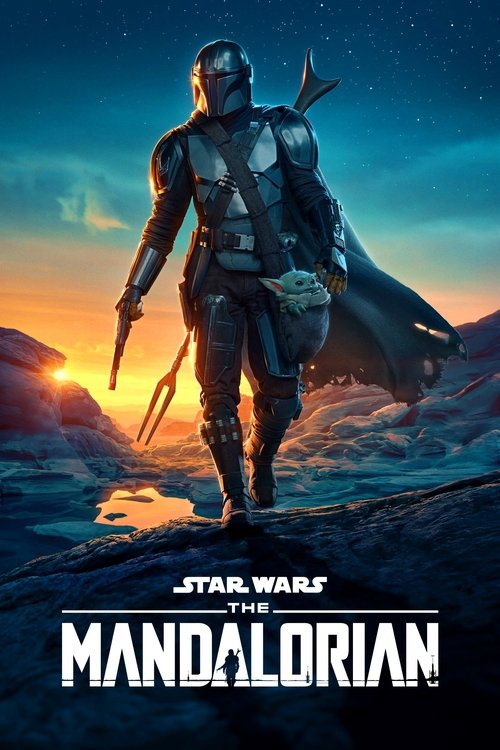
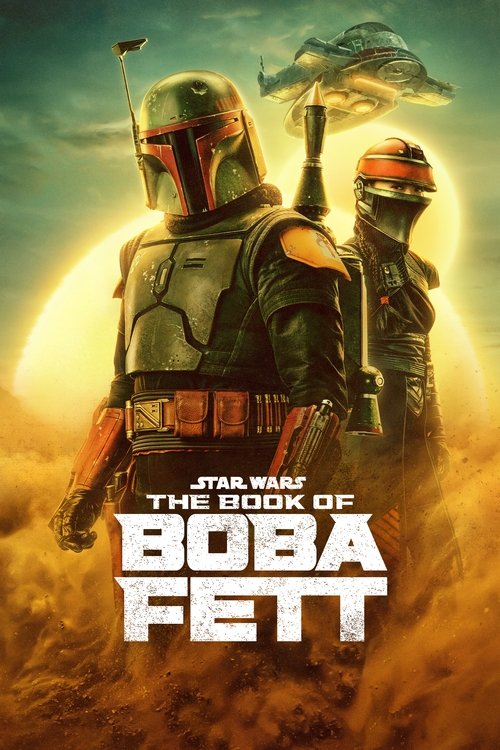
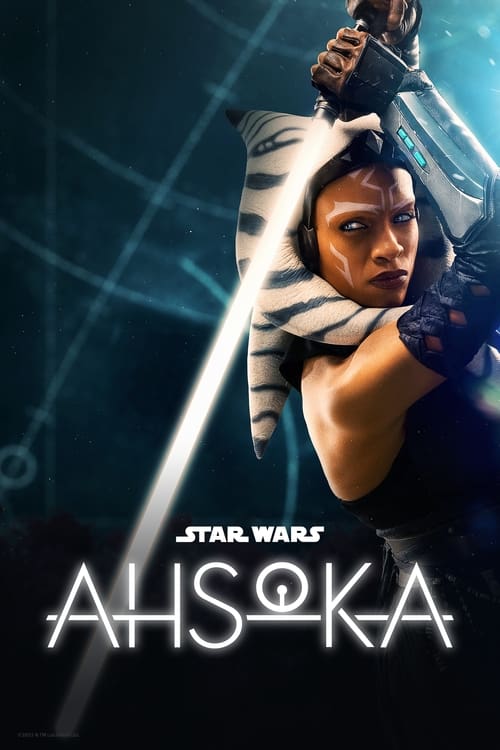
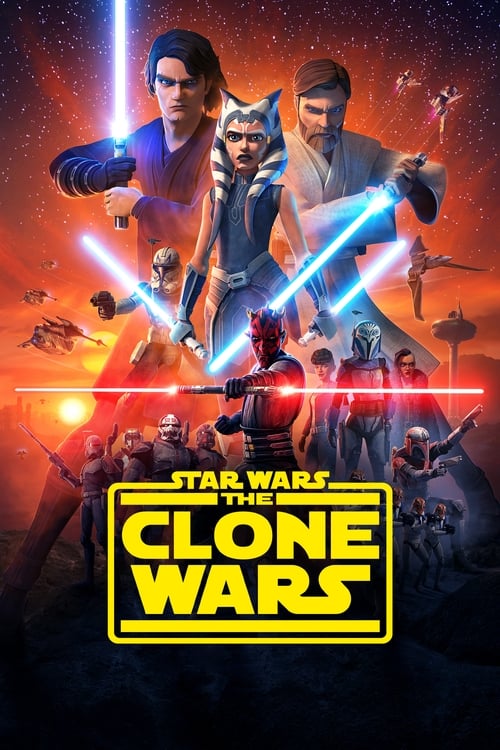
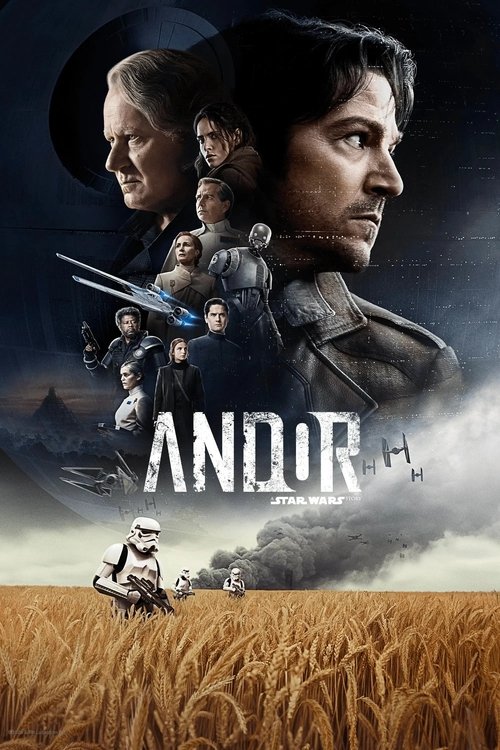
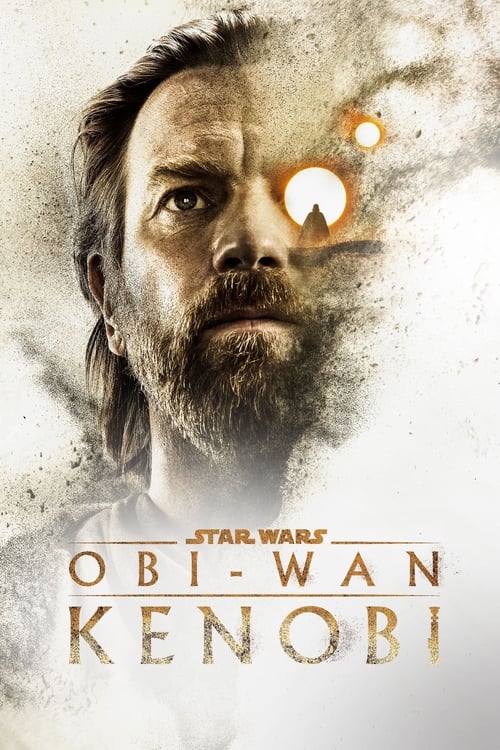
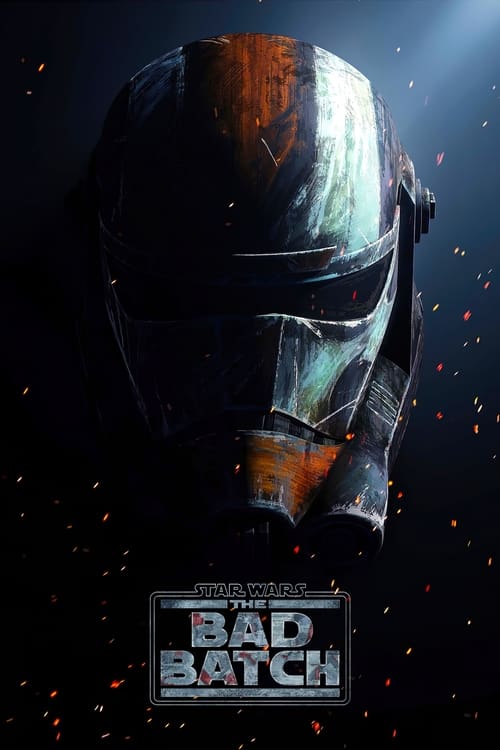
The core Star Wars TV canon that expands Din and Grogu's story, from the beginning to the wider galaxy they inhabit.
If You Love the Lone Protector Arc
Films and series built around a stoic, weaponized adult reluctantly becoming someone's anchor.

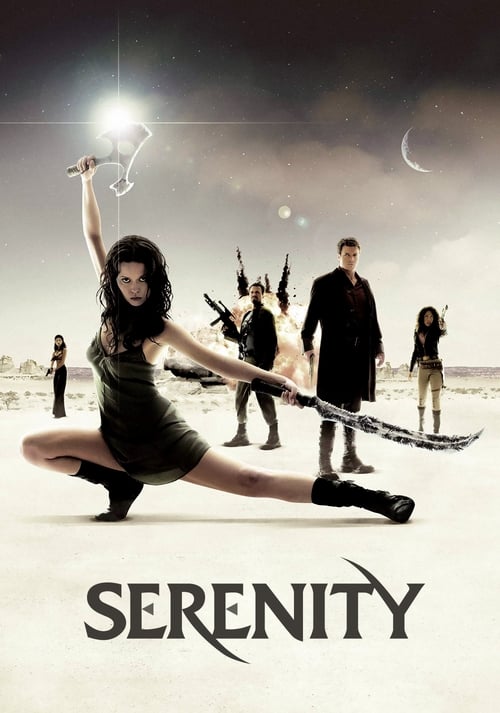
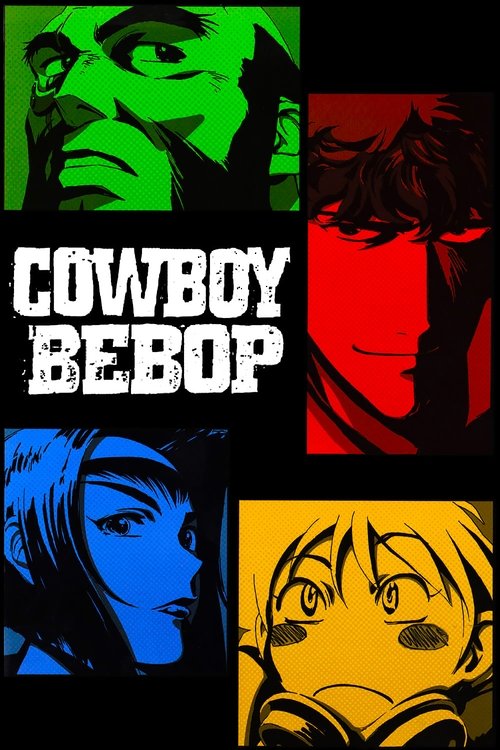
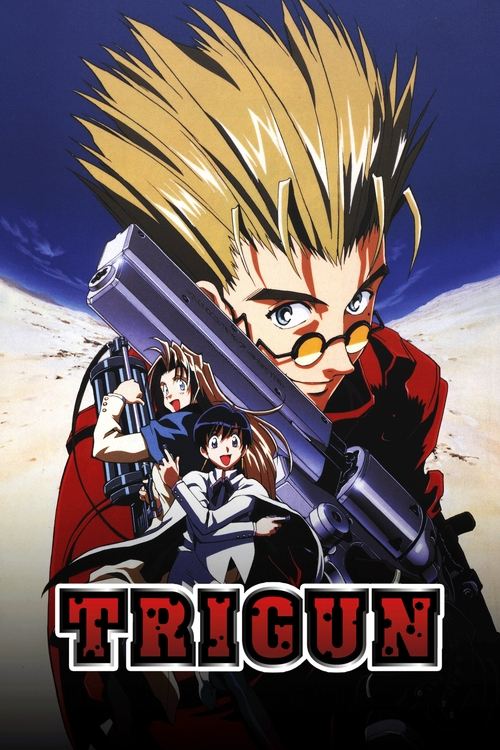
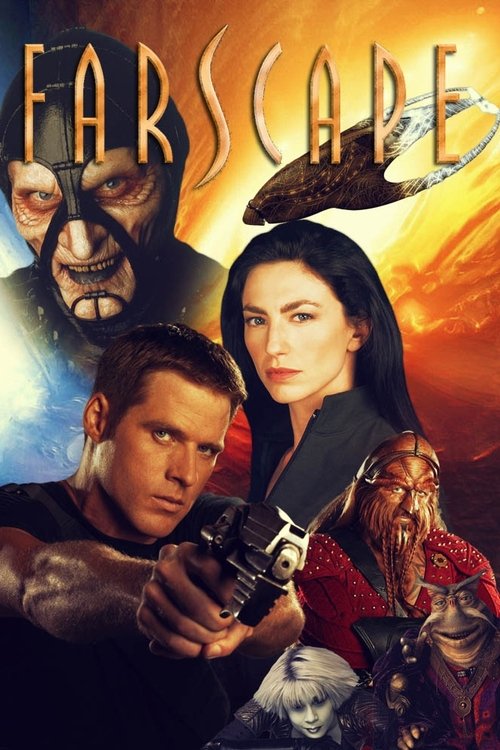
Space Westerns and Outlaw Frontiers
The genre DNA of The Mandalorian runs through these: bounty hunters, frontier codes, and nowhere left to run.

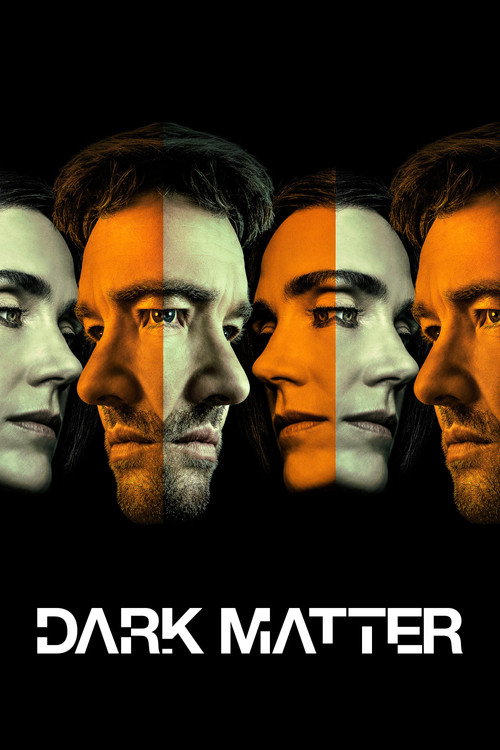
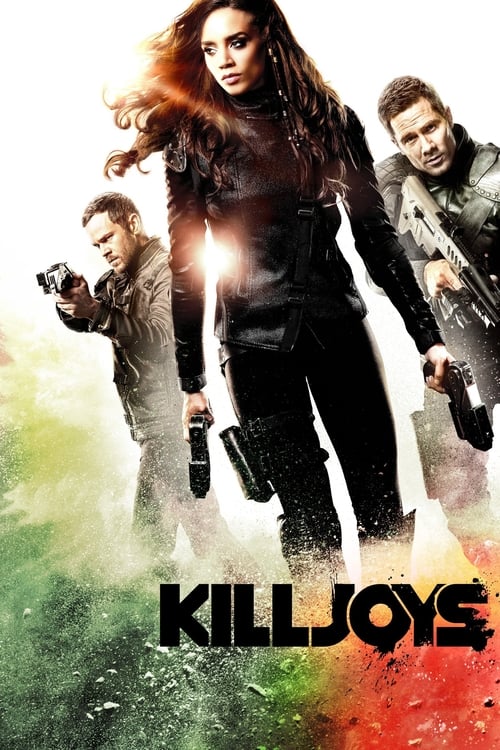

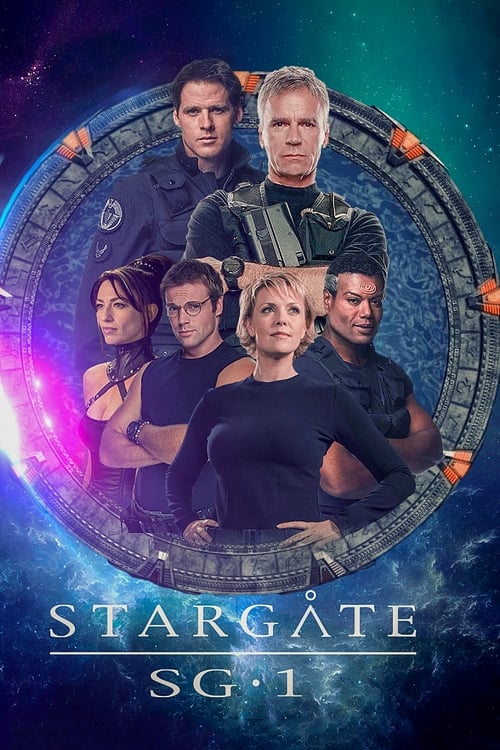
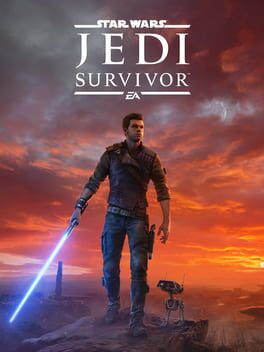
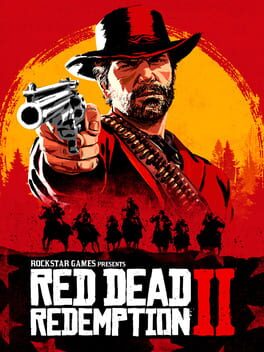
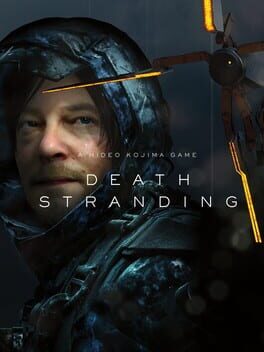
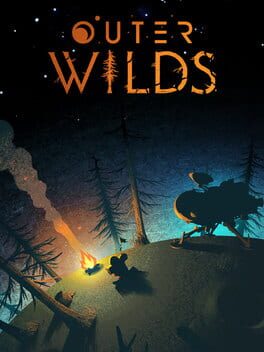
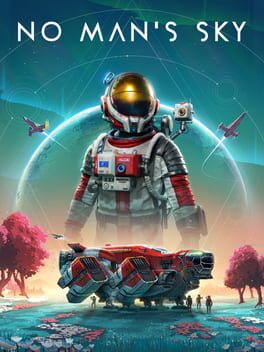
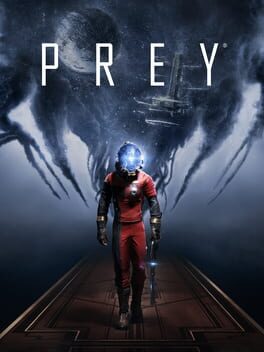
Games That Feel Like the Galaxy's Edge
Lone-operative action, moral codes in hostile terrain, and the weight of every decision in your hands.
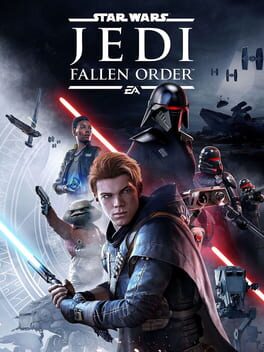
The Helmet Is the Whole Character
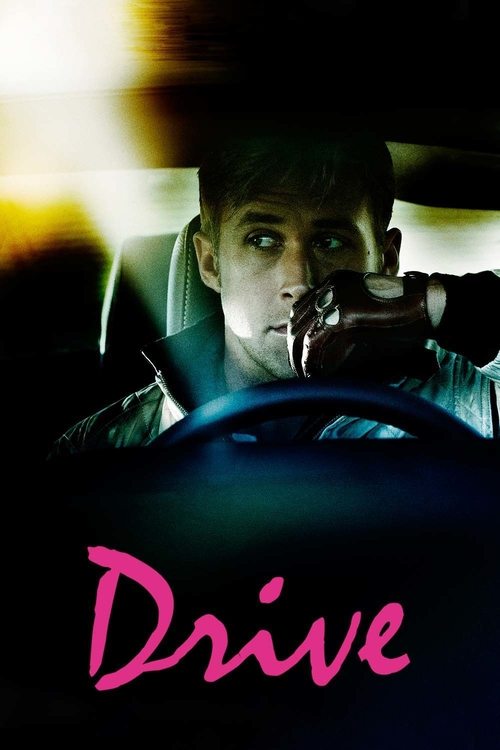
Pedro Pascal never shows his face for most of the first two seasons, and that restraint is what makes Din Djarin work. The audience projects onto the helmet the same way we project onto a silent Eastwood squint. Every flicker of emotion has to come through posture, head-tilt, and the way he holds a child. The shows that have tried to replicate this trick, giving us a lead defined by code rather than confession, are the ones worth chasing next.
Grogu Won Because He Did Almost Nothing
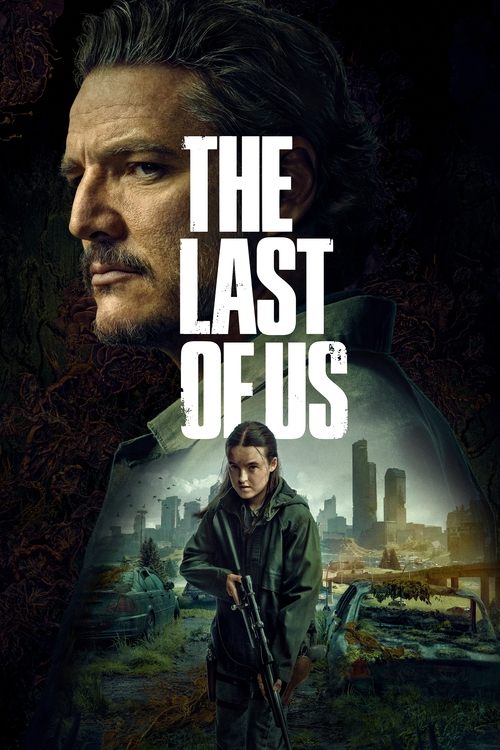
Grogu barely speaks, barely acts, and barely changes the plot. He is almost entirely a receiver of action, not a generator of it. That passivity is the trick: all the emotional labor falls on the adults around him, and the audience reads every scene through the question of whether he will be safe. It is the oldest narrative engine in fiction, and the show uses it without apology. The Last of Us understood exactly the same thing about Ellie in its first season.
Jon Favreau Revived the Serial Western for Television
Each Mandalorian episode is essentially a self-contained genre piece, a bottle episode with a clear problem, a hired gun, and a resolution, threaded onto a longer arc only lightly. Favreau borrowed this from 1970s and 80s TV Westerns and from classic samurai serials. The approach lets the show work as comfort viewing while still building mythology. Andor later pushed the opposite direction, making a novelistic single story, and both proved the Star Wars universe has range when a showrunner commits to a form.
The Code of Honor Is the Real Genre
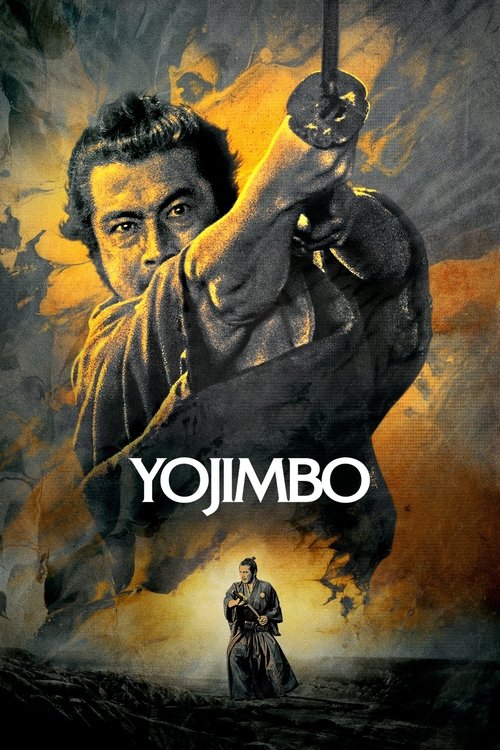
The Mandalorian is less a sci-fi Western than it is a bushido story wearing Western clothes. Din's creed, the Way of the Mandalore, functions exactly like the samurai codes that animate Kurosawa's best work: it gives the protagonist a reason to make the hard, costly choice when a simpler man would walk away. Fans of this show almost always cross over to Kurosawa, to classic samurai cinema, and to any story where a man's honor is an actual load-bearing structural element of the plot.
The Galaxy Behind the Helmet: A Lineage
- 1954Kurosawa's Seven Samurai establishes the lone-protector-of-the-weak template that every space Western will borrow. Seven Samurai
- 1964A Fistful of Dollars transplants the ronin archetype to the American West, completing the circuit between samurai and cowboy. A Fistful of Dollars
- 1977Star Wars arrives, fusing samurai, Western, and serial adventure into a mythology that will define decades. Star Wars
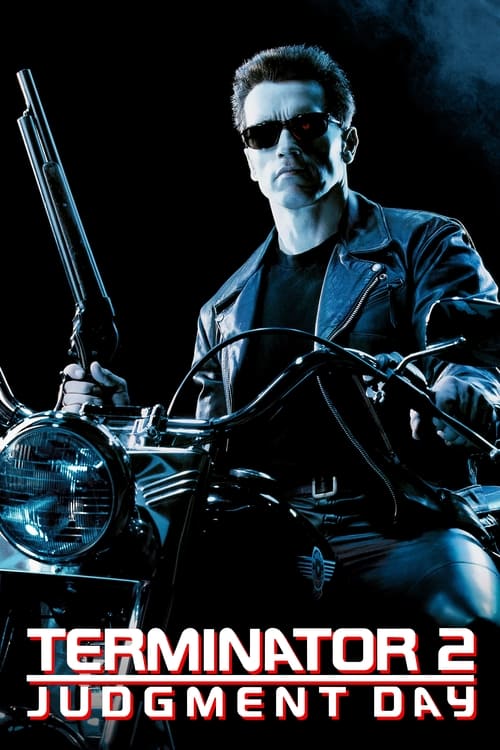
- 1984The Terminator introduces the machine-as-protector idea that will echo in every guardian-of-a-child story that follows. The Terminator
- 1991Terminator 2 completes the arc: the killer becomes the father, the child humanizes the weapon. Terminator 2: Judgment Day
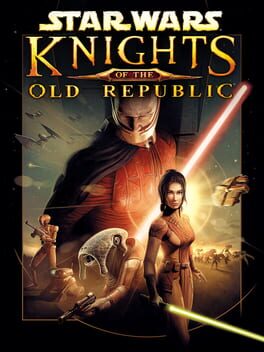
- 2003Star Wars: Knights of the Old Republic gives players the first great moral-code RPG set in the galaxy. Star Wars: Knights of the Old Republic
- 2008The Clone Wars series begins, building the deep-lore canvas that The Mandalorian will later draw from heavily. Star Wars: The Clone Wars
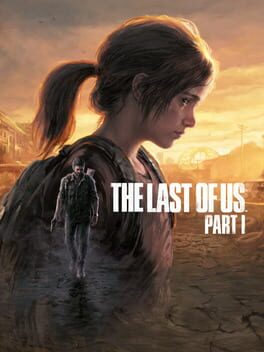
- 2013The Last of Us (game) proves that a found-family survival story can be the defining emotional experience of a console generation. The Last of Us Part I
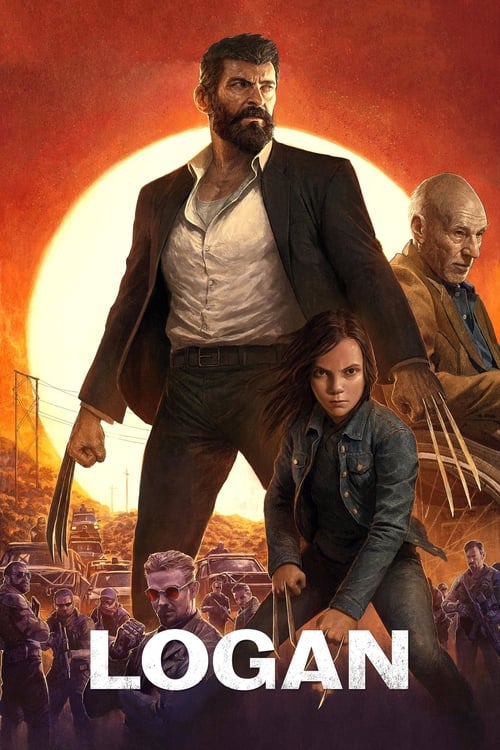
- 2017Logan puts the aging protector and the child-in-danger story into a bleak Western frame, raising the bar for superhero pathos. Logan
- 2019The Mandalorian premieres on Disney+; Grogu (first seen as 'Baby Yoda') breaks the internet within 48 hours. The Mandalorian
- 2022Andor reframes Star Wars as a serious political thriller, proving the universe can support any tone a writer commits to. Andor
- 2023The Last of Us HBO series adapts the game beat-for-beat and becomes television's most-discussed found-family story in years. The Last of Us
I have spoken.The Armorer, The Mandalorian