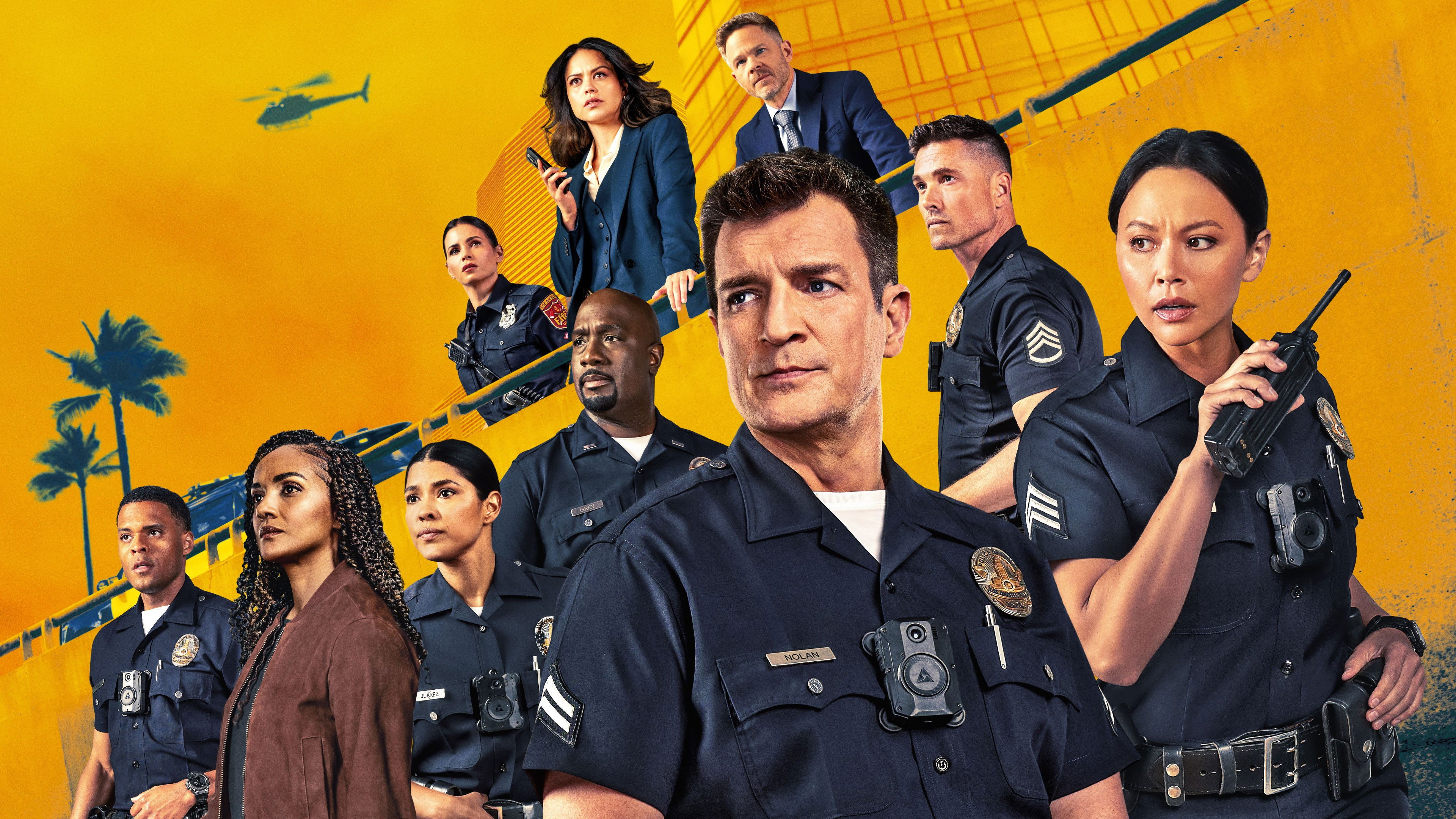

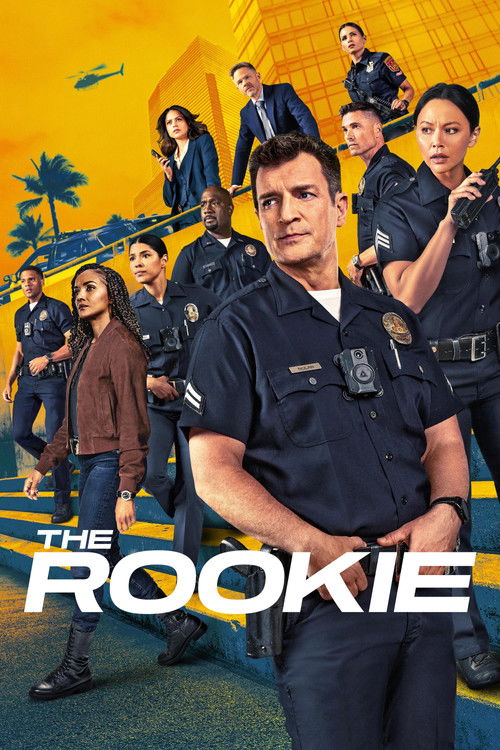
John Nolan walked into the LAPD at 40 and turned a mid-life crisis into a second act worth watching. That premise should feel gimmicky, but The Rookie earns its charm through something harder to manufacture: a genuinely warm ensemble that makes the precinct feel lived-in, plots that keep one foot in grounded police procedure while the other drifts into satisfying soap-opera territory, and a lead performance from Nathan Fillion that leans into likability without sacrificing stakes. The show is not grimdark, it is not prestige, and it does not apologize for either. The throughline its fans love is optimism with consequences: the belief that good intentions matter, that mentorship shapes people, and that the daily grind of public service is both mundane and occasionally heroic. If any of that hits the right note, the works below share that frequency across every medium.
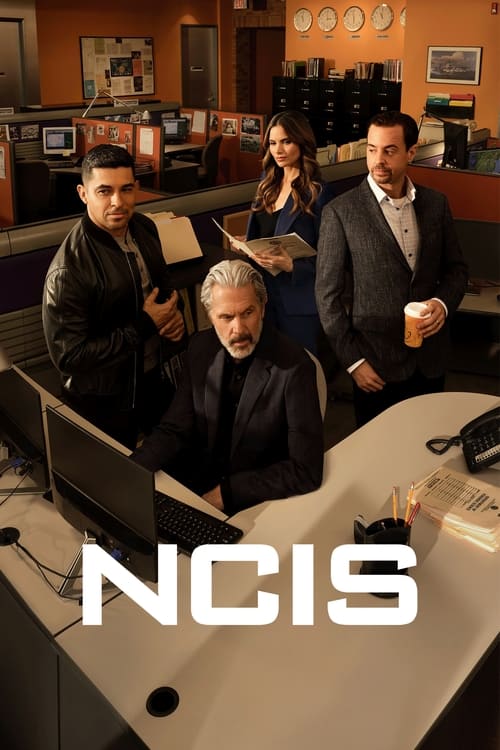
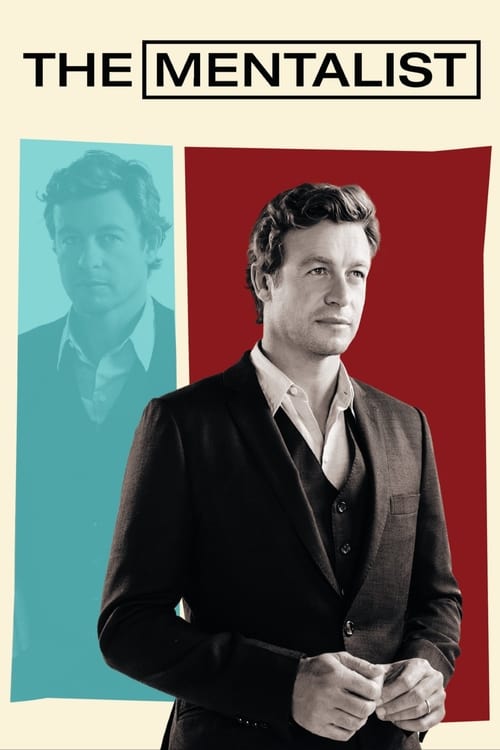
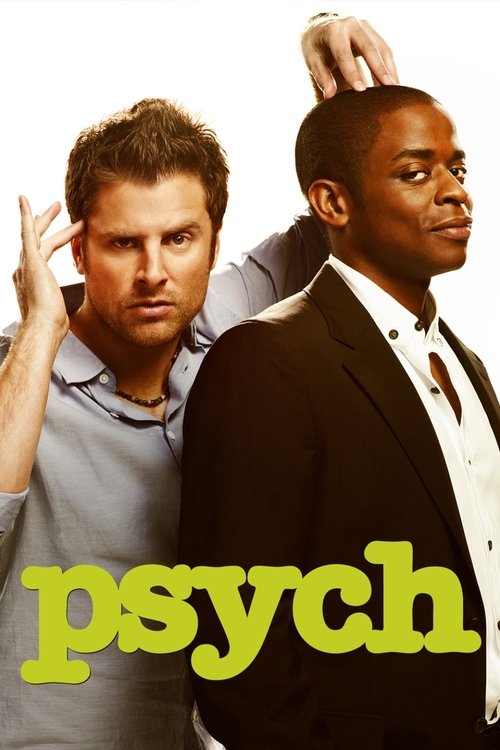
Same Precinct Energy: Ensemble Procedurals Worth Your Time
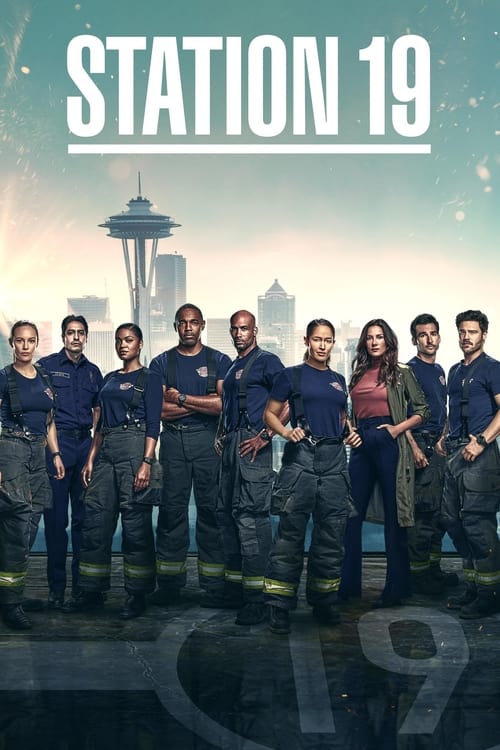
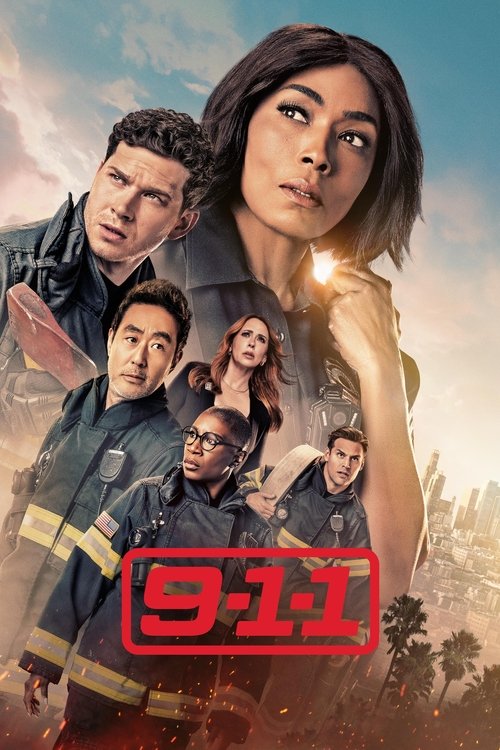
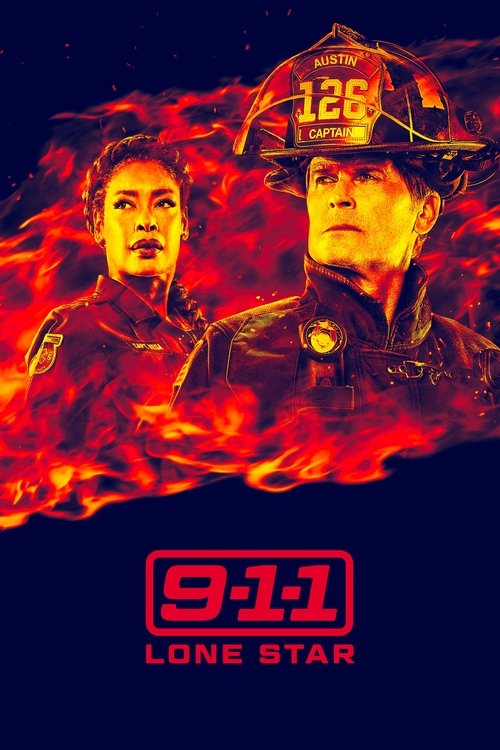
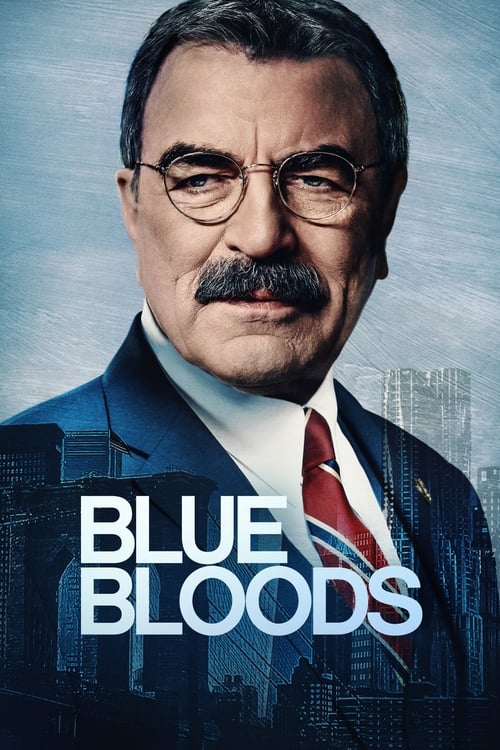
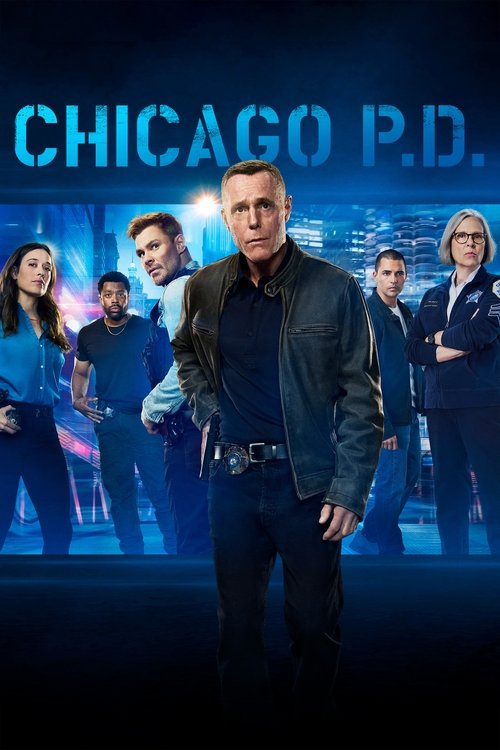
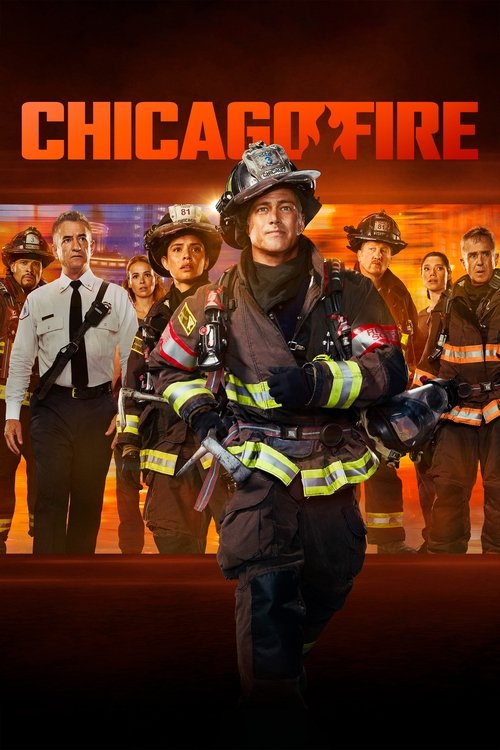
Series that balance character comedy, workplace bonds, and genuine police drama the way The Rookie does.

Second Acts on Screen: Films About Starting Over
Movies that share The Rookie's DNA of ordinary people stepping into extraordinary new roles, often later than planned.

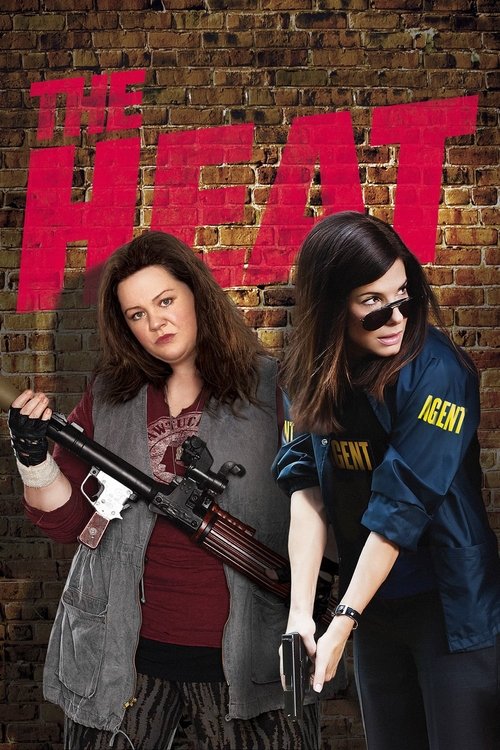
Badge and Burden: Books That Get Police Work Right
Crime fiction and memoirs that share The Rookie's interest in the human cost of law enforcement, the mentor-rookie dynamic, and street-level justice.


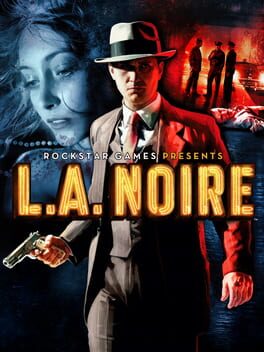
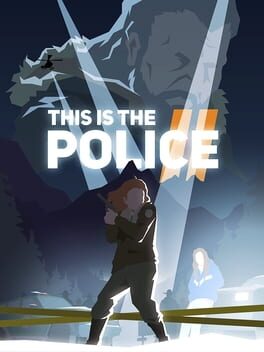
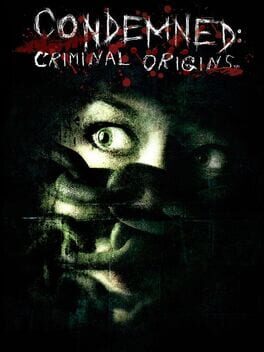
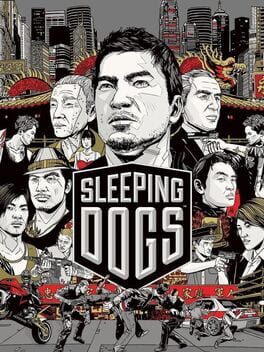
On the Beat: Games That Put You in the Uniform
Games that replicate the procedural loop, the snap judgments, and the tension of working the streets.
The Sound of the Shift: Music for Long Drives and Late Nights
Albums and artists that match the show's blend of everyday tension, warmth, and Californian optimism.
The Rookie Perfected the Nathan Fillion Formula, Not Castle
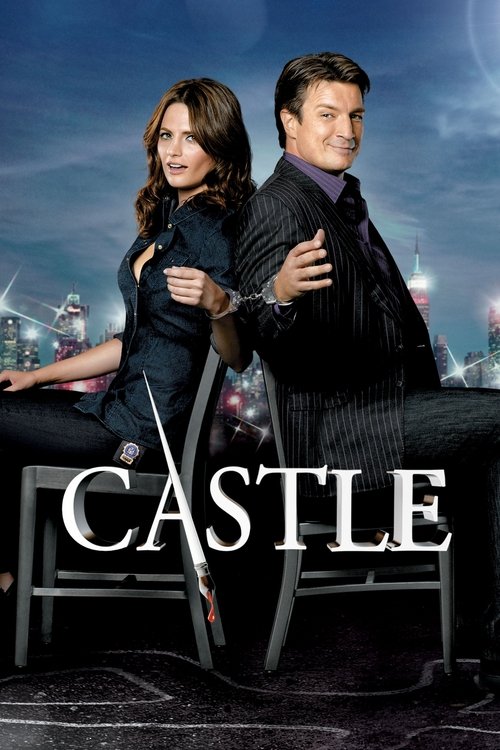
Castle was the show that made Fillion a broadcast TV star, but it was built around his charm as a shortcut. The Rookie forces that same charm to do actual dramatic work: Nolan is credibly out of his depth, credibly earnest, and credibly aging. The result is a performance with more range than anything the earlier show asked of him. Fans who write The Rookie off as Castle-with-a-badge are missing the structural difference.
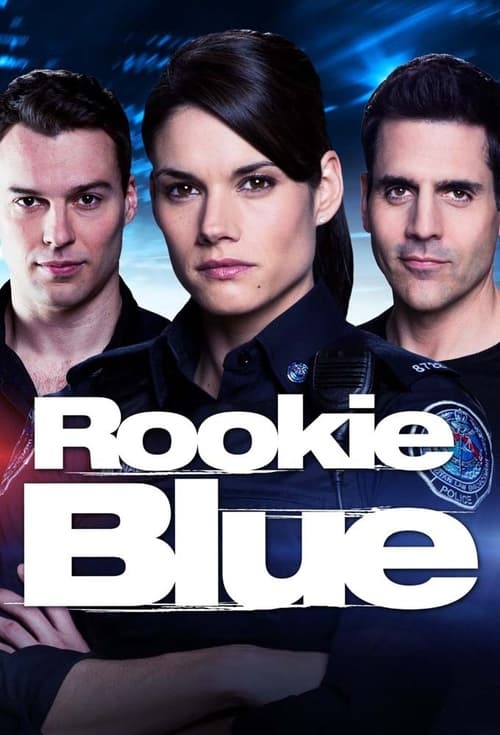
Rookie Blue Deserves a Full Reassessment
The Canadian series ran six seasons before ABC imported the concept that eventually became The Rookie, and it is sharper than its reputation suggests. The ensemble is tighter, the romantic stakes are higher, and the show commits to consequences in ways the American procedural genre usually avoids. If you burned through The Rookie and want something that feels familiar but slightly more demanding, this is the correct next step.
L.A. Noire Is the Only Game That Captures Procedural Television
Most crime games are about action. L.A. Noire is about the pause before the action: reading a witness, choosing which question to push, deciding whether a suspect is lying or simply scared. That rhythm is exactly what The Rookie delivers at its best, and Rockstar's period recreation of Los Angeles gives it a visual grammar that feels cinematic in the right direction, toward neo-noir rather than blockbuster. Play it after a long weekend of The Rookie and the tonal overlap is striking.
End of Watch Is the Film The Rookie's Writers Probably Referenced
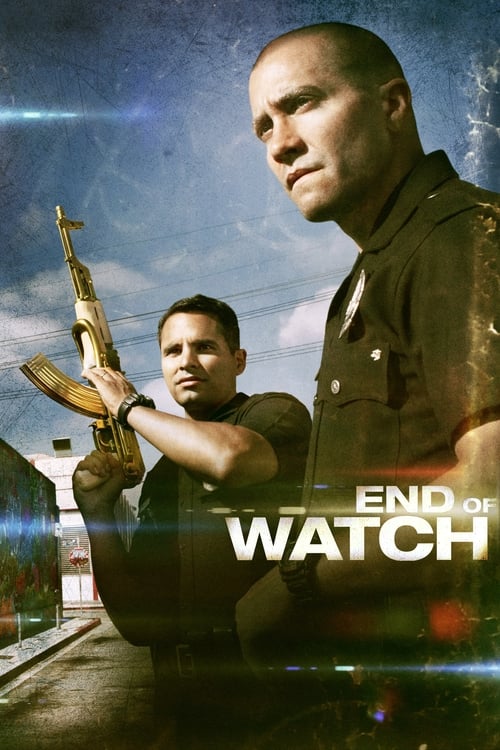
David Ayer's 2012 film is found-footage in structure but character study in spirit. Two LAPD officers, a genuine friendship, and escalating danger that never feels manufactured. The Rookie borrows the same emotional core: the idea that the person next to you in the patrol car matters more than the case you are working. End of Watch earns its violence in a way that makes the warmth feel real rather than sentimental.
The Modern Cop Procedural: A Short History
- 1981Hill Street Blues redefines the genre by treating the precinct as a community with memory, not a reset-button setting. Hill Street Blues
- 1993NYPD Blue brings moral ambiguity and serialization to network TV, establishing the template the next 30 years would either follow or react against. NYPD Blue
- 2002The Shield premieres on FX and proves cable can do what networks won't: a corrupt cop as the protagonist, no moral safety net. The Shield
- 2002The Wire begins its five-season dissection of Baltimore institutions, changing what the genre is allowed to argue. The Wire
- 2009Castle inverts the procedural by centering the civilian observer, making personality the engine instead of plot. Castle
- 2013Brooklyn Nine-Nine applies pure sitcom structure to the cop show, proving the genre can be genuinely funny without self-parody. Brooklyn Nine-Nine
- 2018The Rookie splits the difference: a broadcast procedural with real stakes, warm ensemble comedy, and a lead whose age is the point. The Rookie
- 2020Cobra Kai demonstrates that second-act, legacy-character storytelling has real appetite on streaming, adjacent optimism about reinvention. Cobra Kai
The best procedurals are not really about crime. They are about what happens to people who choose, every shift, to show up anyway.CrossBinge