Nine Inch Nails dropped The Slip in May 2008 with no advance notice and no price tag, a gift to fans at the tail end of a blistering touring cycle. It is the leanest record Trent Reznor made in the NIN years: tight, angular, built on brittle drum machines and guitars that feel like they are trying to escape the mix. Where Year Zero was a concept record and With Teeth was a comeback statement, The Slip is pure motion. Reznor trusts the riff, trusts the groove, and gets out. Fans of this record are chasing a specific energy: the place where industrial rock stops being theatrical and starts being physical, where the noise has weight but never loses momentum. That thread runs through decades of music, a handful of essential films, and a vein of fiction that understands brutalism as beauty.
Essential Nine Inch Nails
The records that define the sound, from the debut to the late-era refinements.
The Industrial Vein: Records That Hit the Same Way
Albums built on controlled noise, mechanical rhythms, and genuine menace.
"Discipline" is the best track NIN ever recorded for a stadium
Most Nine Inch Nails songs fight the listener. "Discipline" invites them in with a groove so clean it almost sounds like it belongs on a different record, then holds that tension for four minutes without releasing it. It is the sound of Reznor exercising the restraint he spent two decades learning. That restraint is what The Slip keeps returning to: aggression channeled, not unleashed.
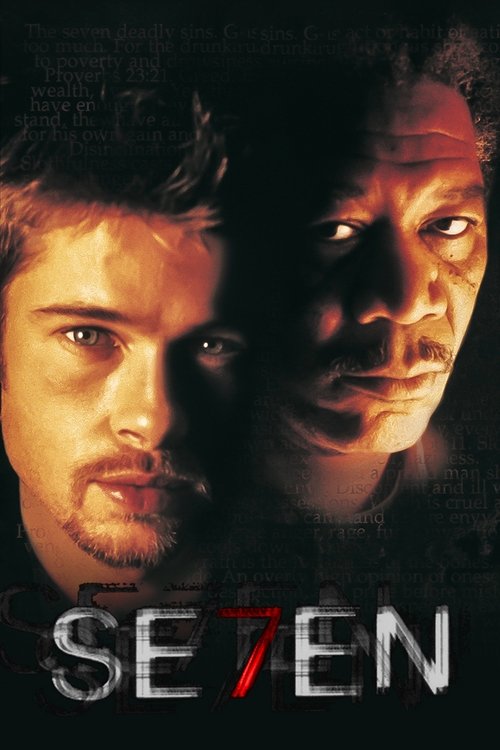
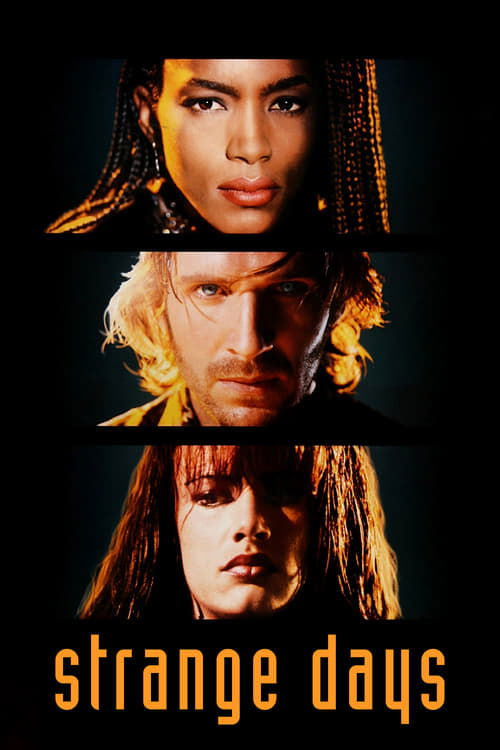
Noise Made Cinematic: Films With the Same Voltage
Films that run on aggression, paranoia, and the aesthetics of industrial decay.



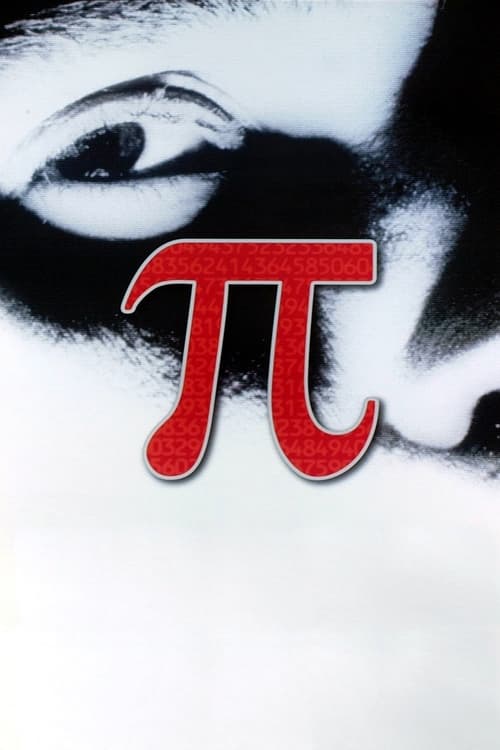
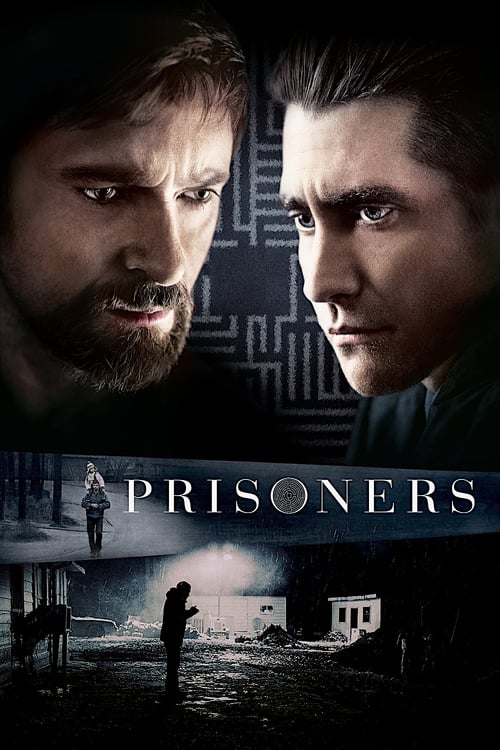
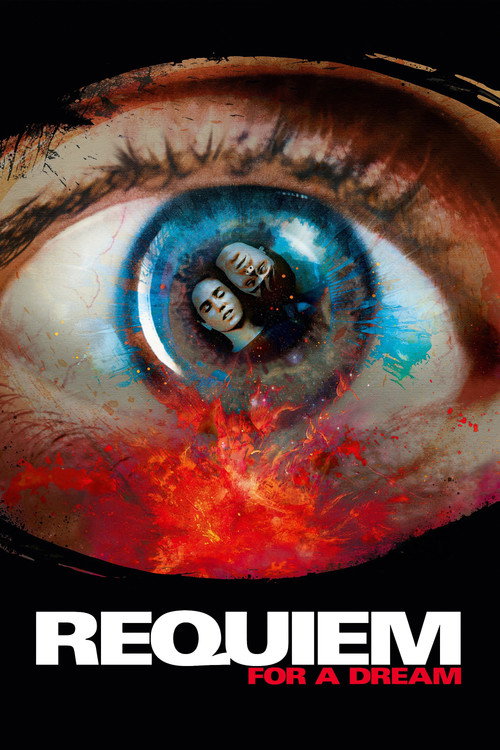
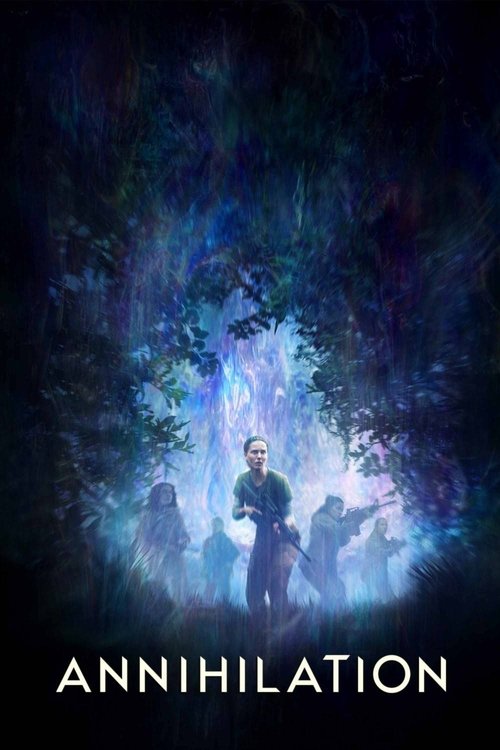
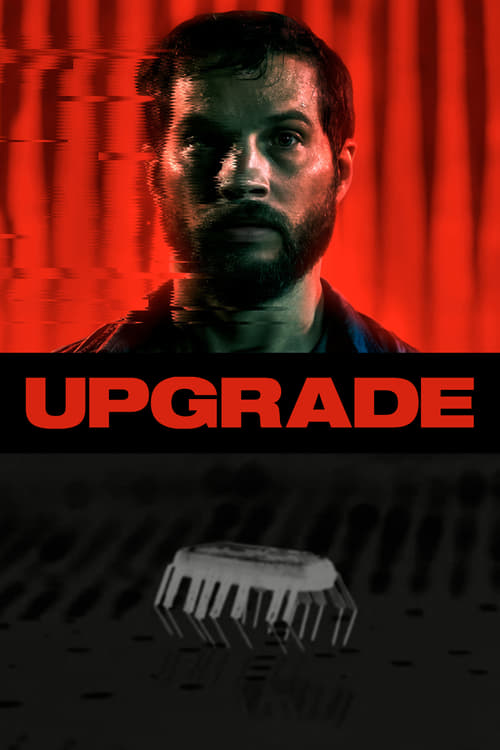
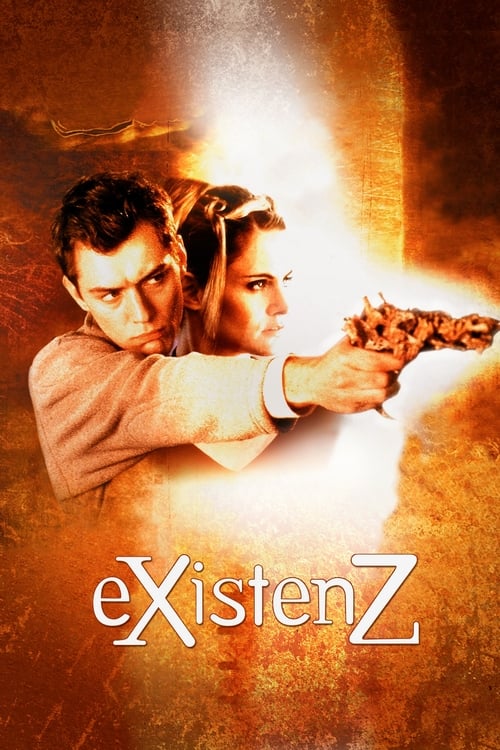
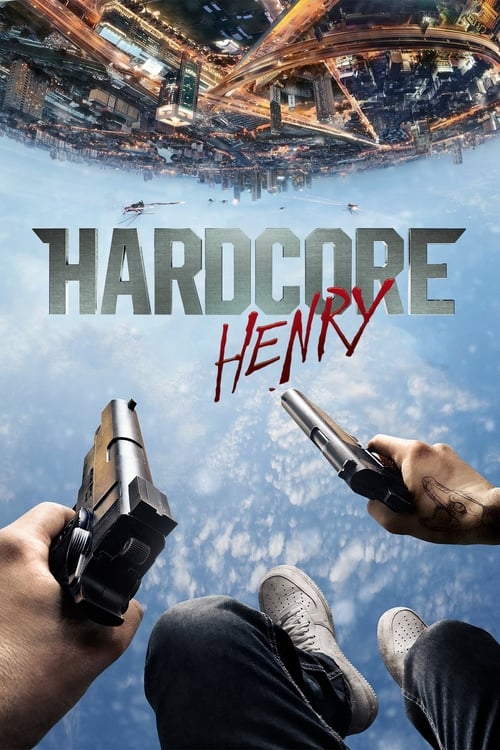
Reznor proved that giving music away could be a power move, not a concession
In 2008, releasing an album for free was still read by most of the industry as desperation. Reznor flipped it: The Slip arrived as a statement of ownership, a gift that bypassed every label intermediary. It arrived a few months after Radiohead's In Rainbows pay-what-you-want experiment and landed with more bluntness, zero price, no ceremony. The model said something about the art: this record exists on its own terms.
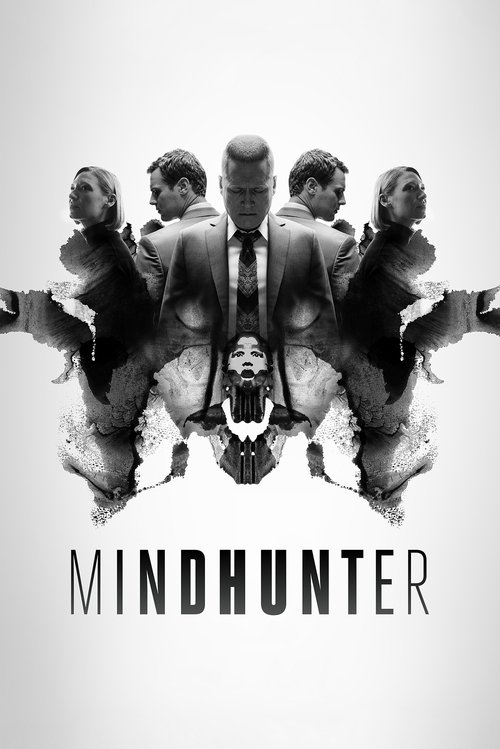
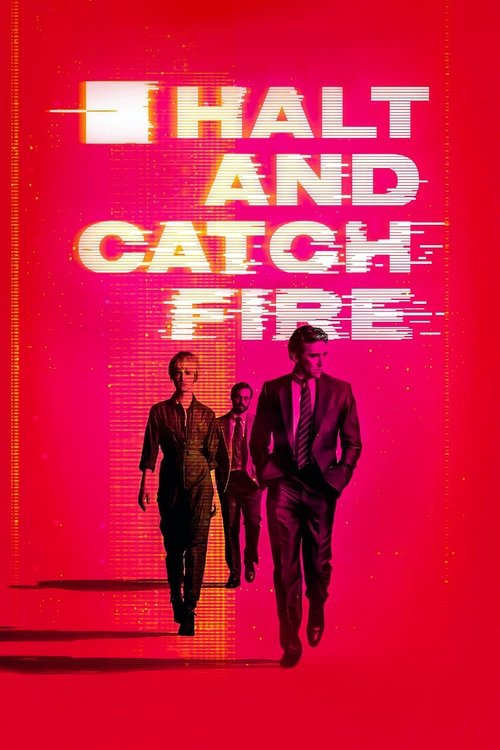
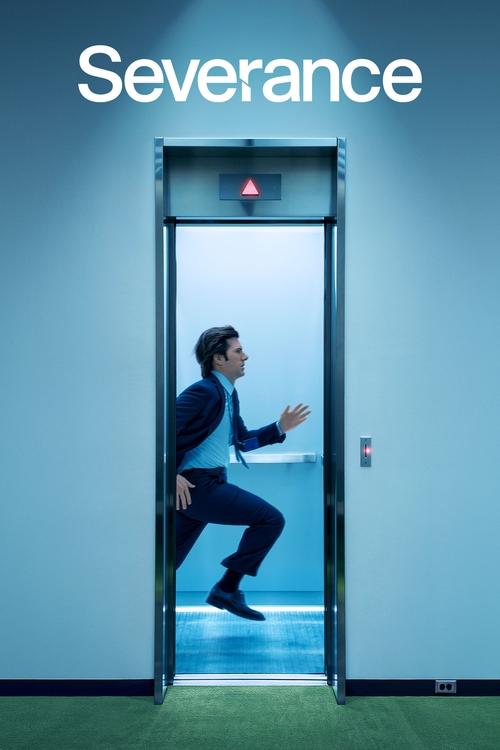
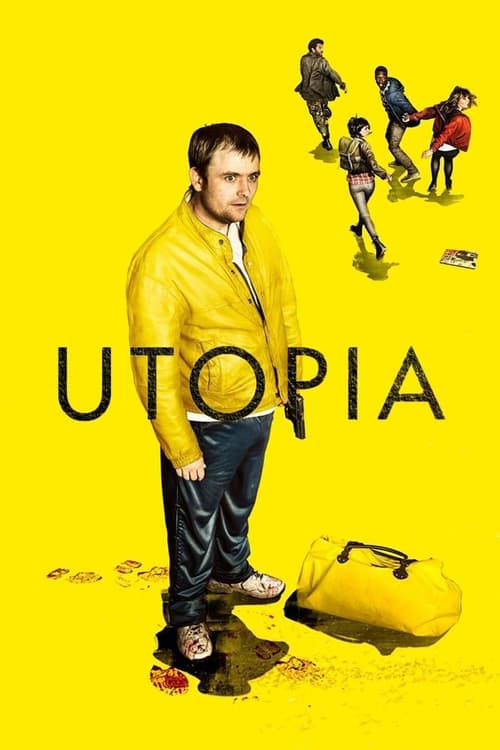
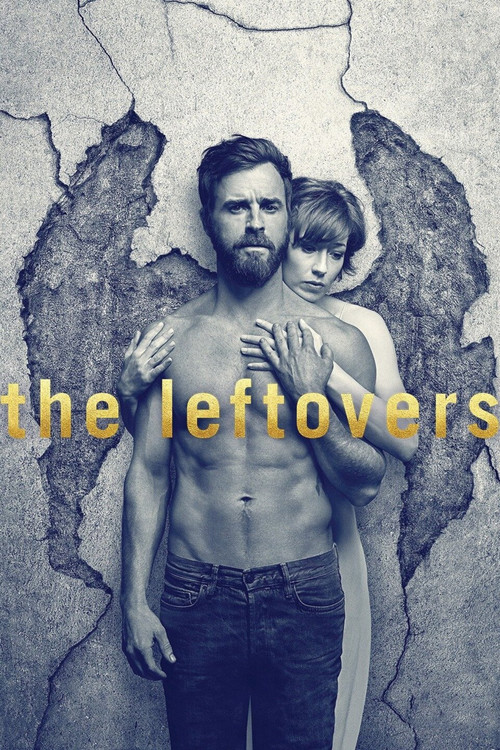
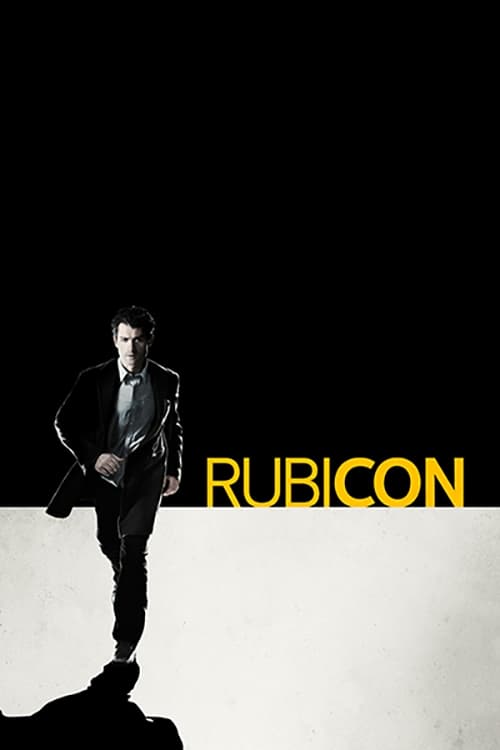
Television That Runs at the Same Frequency
Series with paranoid energy, institutional dread, or the texture of systems breaking down.



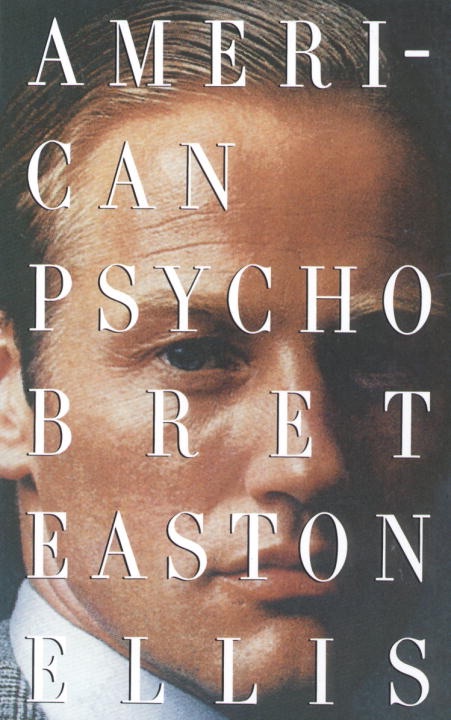
Fiction for People Who Read on Headphones
Novels and books that share the bleak momentum, systems anxiety, and interior violence of NIN at its best.


The Fragile remains the definitive statement, but The Slip is the better argument
The Fragile is the masterpiece: dense, orchestral, exhausting in the way that only a double album written through genuine psychological collapse can be. The Slip makes the opposite case: that Reznor could be economical, that the songs did not need to carry the weight of autobiography to hit hard. Fans who came to NIN through The Downward Spiral's confessional intensity sometimes miss what The Slip is doing, which is proving that the machinery works on its own.
Nine Inch Nails: A Timeline of Ruptures
- 1989Debut on Nothing Records, Pretty Hate Machine builds a cult following through synth-industrial pop before Reznor hardens the sound. Pretty Hate Machine
- 1992Broken EP arrives as a corrective: louder, shorter, angrier, and almost unlistenable in the best sense.
- 1994The Downward Spiral makes Nine Inch Nails a crossover phenomenon and remains the genre benchmark. The Downward Spiral
- 1999The double album The Fragile arrives after years of addiction and legal battles, sprawling and uneven and extraordinary. The Fragile
- 2005With Teeth is the comeback: cleaner, more direct, built on live drumming from Dave Grohl. With Teeth
- 2007Year Zero is released as a dystopian concept album with an alternate-reality game attached, and NIN leaves Interscope. Year Zero
- 2008The Slip is released free online with no announcement, Reznor's bluntest statement of independence. The Slip
- 2013Hesitation Marks is the full-length comeback after a five-year hiatus, quieter and more electronic than anything before it. Hesitation Marks
- 2018Bad Witch, an EP trilogy capstone, strips the sound back to abrasive improvisation. Bad Witch
- 2024Reznor and Atticus Ross cement their film-score identity with further major projects, the NIN project dormant but unretired.
Thank you for your continued and loyal support over the years. This one is on me.Trent Reznor, announcing The Slip, May 2008
The Reznor/Ross film scores are the true successor to The Slip's aesthetic
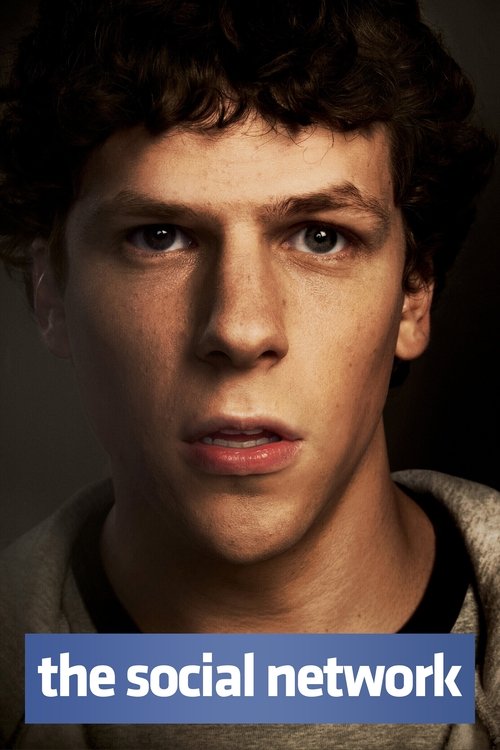
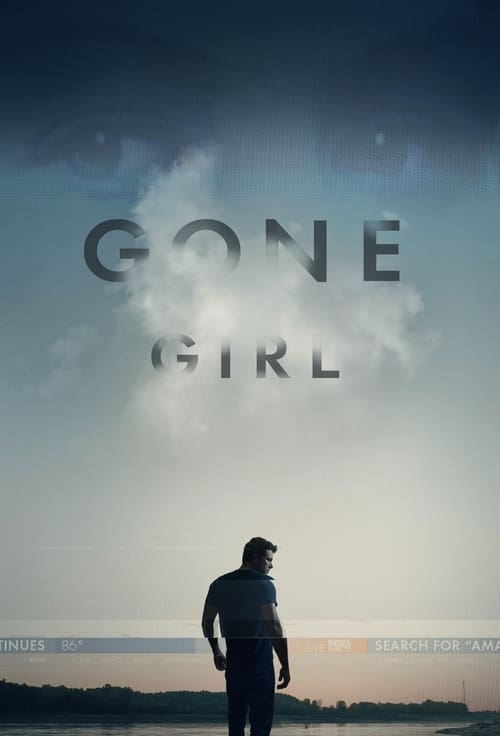
When Reznor and Atticus Ross won the Oscar for The Social Network, it felt like a category error to people who knew them only from the industrial years. It should not have. The score is all brittle percussion and uneasy ambience, exactly the sonic vocabulary of The Slip's quieter passages. Their subsequent scores for Gone Girl, The Girl with the Dragon Tattoo, and Mank proved it was not a one-off: this is where the NIN sound went when it stopped needing lyrics.