
In 2001, five kids from Manhattan walked into a studio and recorded eleven songs that sounded like nothing had changed since Television played CBGB in 1977, and also like everything had just changed overnight. Is This It arrived with such effortless conviction, such studied nonchalance, that it made the rest of indie rock look like it was trying too hard. Julian Casablancas wrote lyrics that were half-mumbled, half-confessional, riding guitar lines from Nick Valensi and Albert Hammond Jr. that were interlocked, economical, perfectly wrong. The Strokes did not invent the garage revival. They just made it feel inevitable.
Five albums in, their arc traces a band that refused to repeat itself: the FM gloss of Angles, the synth-laced melancholy of Comedown Machine, the streamlined punch of The New Abnormal. What holds it together is a specific attitude, a downtown New York cool that is more feeling than address, more era than geography. If that feeling is yours, here is a map of the wider world that shares its coordinates.
Essential The Strokes
The albums, from the debut that defined a decade to the late-career return that surprised everyone
The Garage Revival Canon
The bands that shared the moment, the venues, and the lo-fi philosophy
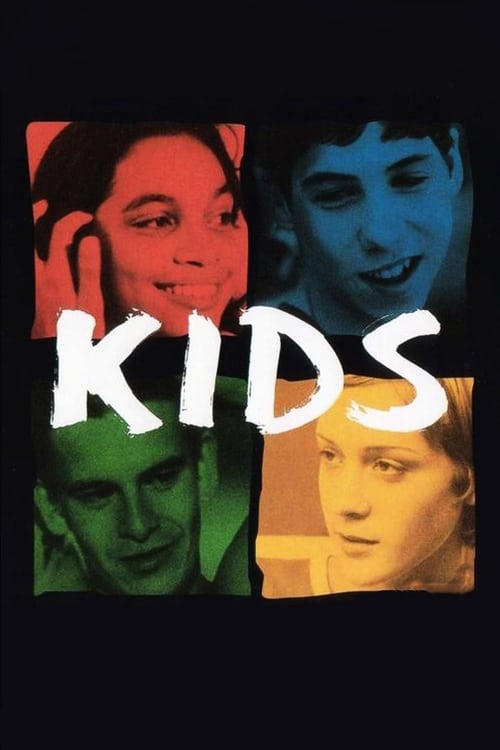
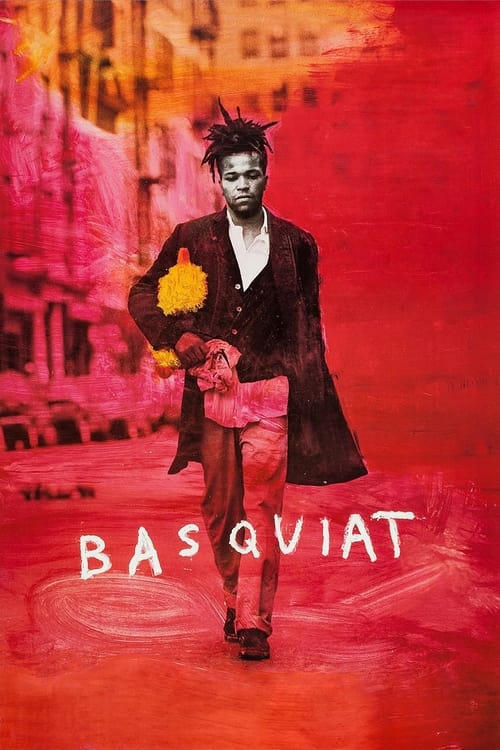
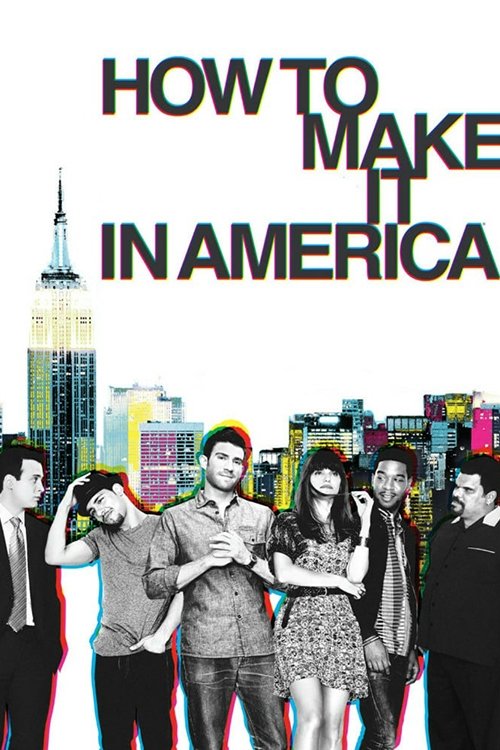
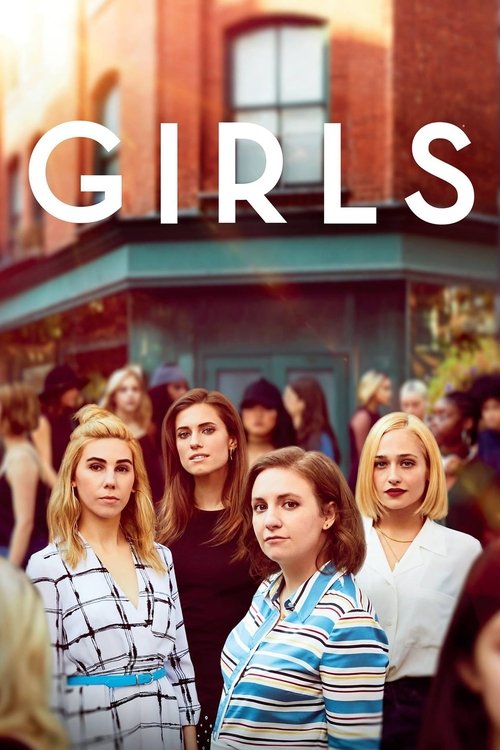
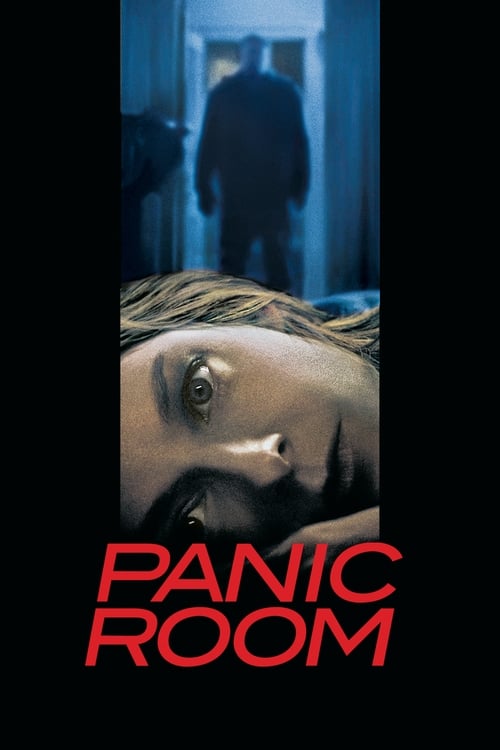
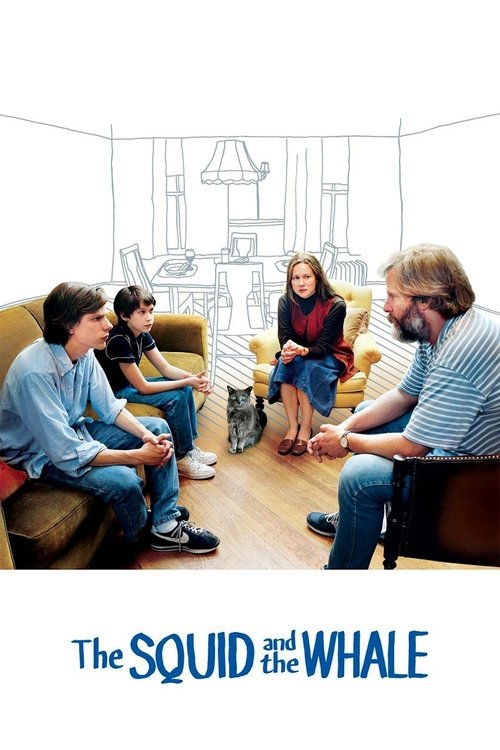
New York DNA: Downtown on Film and TV
Films and series that carry the same Lower East Side energy, frayed glamour, and art-world restlessness
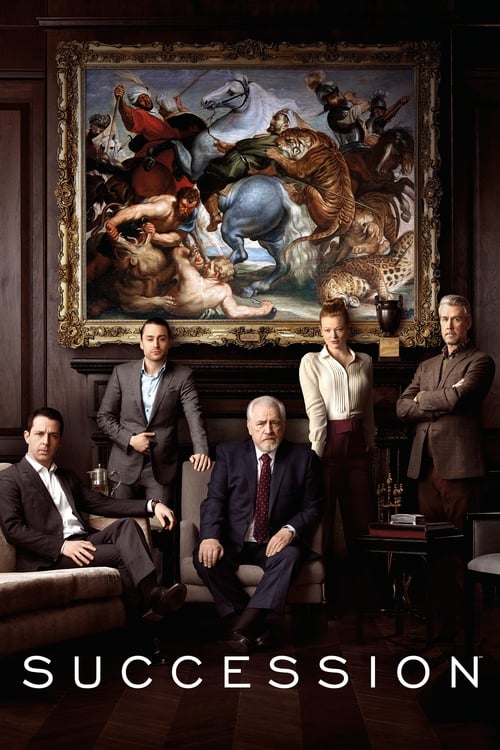

Rock Docs and Concert Films
Music documentaries and live films for the era, the scene, and the obsessive craft behind the guitar sound
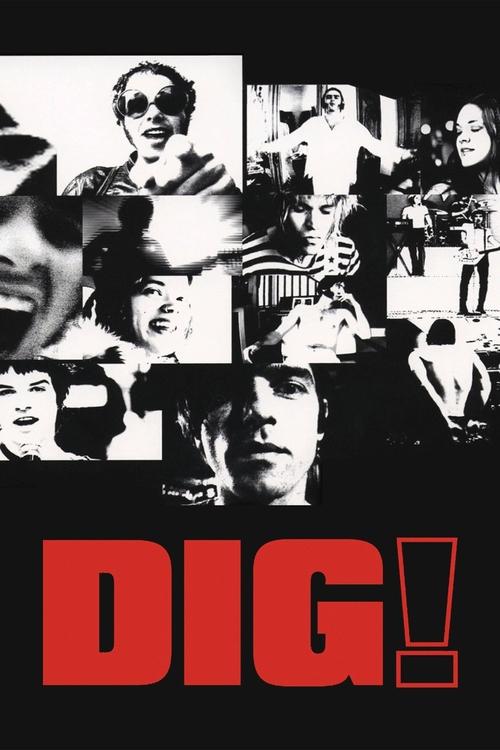
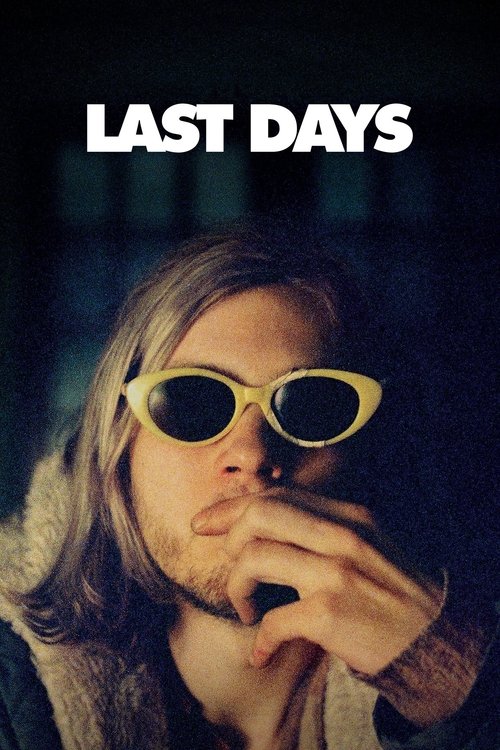

Music Games for Guitar Obsessives
Games that channel the guitar-forward energy and put the instrument front and center



Is This It is still the perfect debut
Thirty-three minutes. Eleven tracks. No filler. Is This It did something almost impossible for a debut: it arrived fully formed, with nothing to prove and nowhere to hide. The riffs are borrowed from no one you can quite name; the production is clean enough to hear every note and rough enough to feel like a rehearsal room. What Casablancas was singing about barely mattered next to the conviction with which he sang it. Two decades on, it still sounds exactly as effortless as it did the first time, which is to say it sounds like it cost no effort at all and obviously cost everything.
Meet Me in the Bathroom is the definitive scene document
Lizzy Goodman's oral history Meet Me in the Bathroom covers roughly the same years the early Strokes albums do, and it works as an authorized soundtrack to the moment: the Bowery, the Mercury Lounge, the particular way that small rooms and big ambition combined around 2001-2004. It is gossip, mythology, and scene-building all at once. Read it while listening to Is This It and Turn on the Bright Lights and you will feel like you were there, which is the best any book about a scene can do.
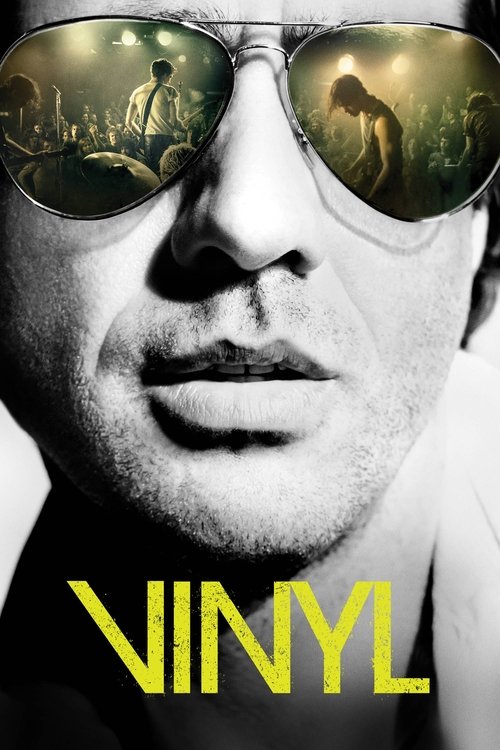
Vinyl captures the era they grew up loving
Mick Jagger and Martin Scorsese's HBO series Vinyl is set in the 1970s New York that fed directly into the DNA of bands like The Strokes: the lofts, the A&R hustle, the violent creative collision of punk and disco. It is excessive, sometimes chaotic, and sonically faithful in a way that matters. For fans who want to understand why the Strokes idolized Television, Lou Reed, and the Velvet Underground, Vinyl provides context with the volume up.
The New Abnormal proved they were still a band worth arguing about
Nineteen years after Is This It, The New Abnormal arrived and reminded everyone that the Strokes were never just a nostalgia act. Rick Rubin's production gave the record space and warmth; the melodies were looser, more melancholy; Casablancas sounded like a man looking back without regret. It is not the debut and it does not try to be. That it found new listeners who had not been born when the band formed is the kind of longevity most artists spend entire careers chasing.
The Strokes: A Timeline
- 1998The band forms in New York City, playing the Lower East Side circuit.
- 2001Is This It released, instantly hailed as the debut of a generation. Is This It
- 2003Room on Fire: a tighter, faster follow-up that silenced the difficult-second-album doubt. Room on Fire
- 2006First Impressions of Earth: ambitious, longer, and more divisive, it pushed the sound outward. First Impressions of Earth
- 2011Angles: a synth-inflected detour recorded largely apart, with each member contributing separately. Angles
- 2013Comedown Machine: the quietest, most melancholy entry in the catalog. Comedown Machine
- 2016Lizzy Goodman publishes Meet Me in the Bathroom, the oral history of the scene the Strokes helped define.
- 2020The New Abnormal, produced by Rick Rubin: a late-career resurgence and Grammy win. The New Abnormal
More guitars and downtown cool
For Fans of Arctic Monkeys
Explore the For Fans of Arctic Monkeys guide →They didn't sound like the future. They sounded like the past done so well it became the present again.Lizzy Goodman, Meet Me in the Bathroom