
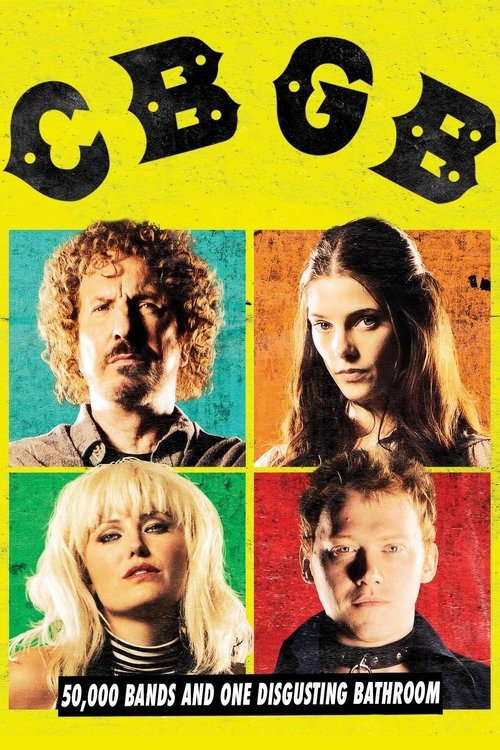
Punk rock arrived in the mid-1970s as a controlled demolition. In New York it was streetwise and literary, channeling the Velvet Underground and New York Dolls through CBGB's sticky floor. In London it was a class war with a chord. In California it sped up, stripped down, and became hardcore. What all these scenes shared was an insistence that you could do it yourself, right now, with whatever you had. That spirit leaked out of the rehearsal rooms and into films, books, games, and art, seeding a counter-culture aesthetic that is still copied today. If you feel the pull of noise, urgency, and radical sincerity, this is your canon.
Essential Punk Rock
The records that define the genre, from the first wave through hardcore and post-punk
Punk on Screen: The Documentaries
Non-fiction films that capture the scene as it actually was, chaotic and alive

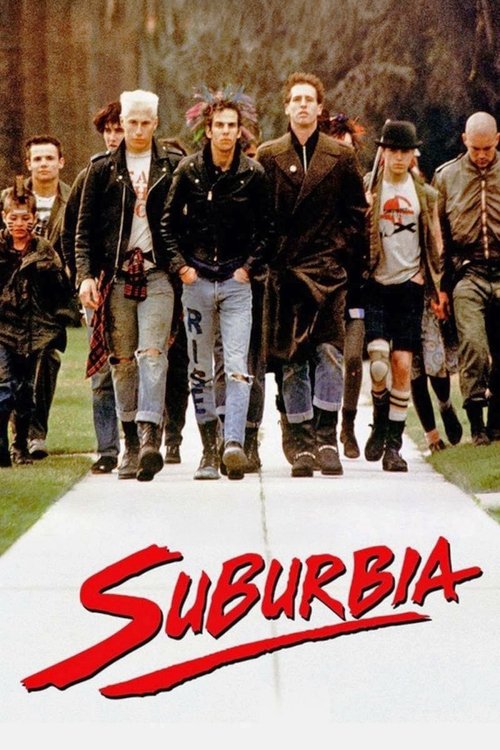
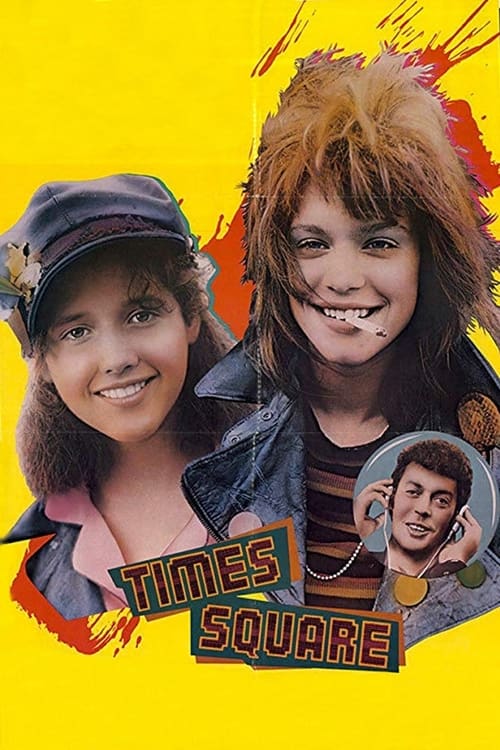
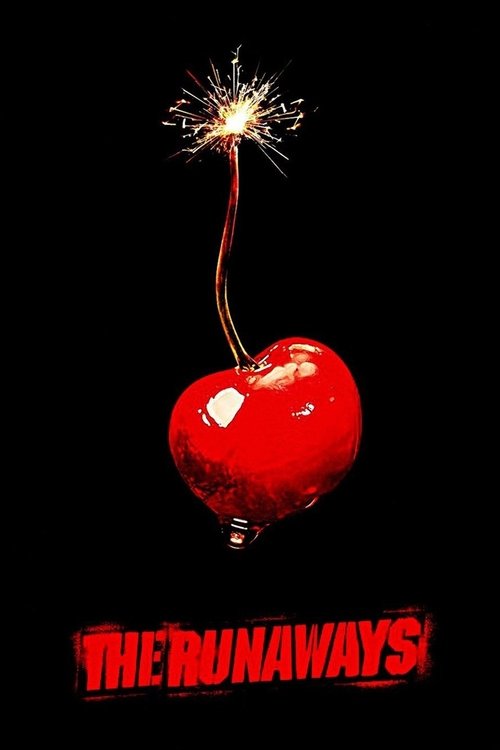
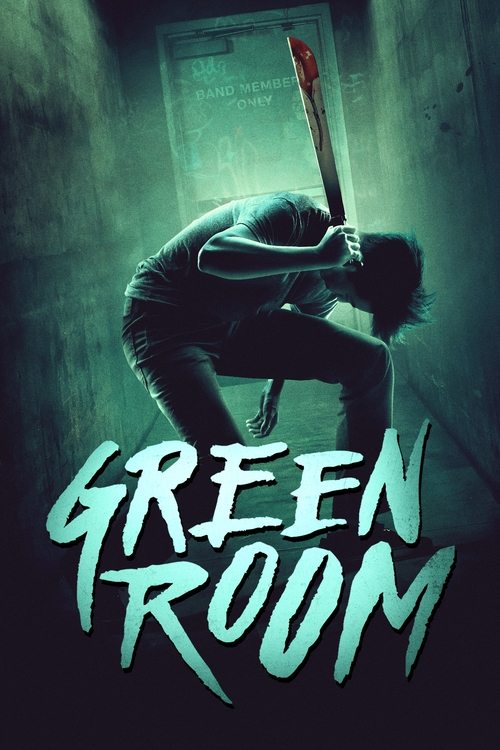
Punk on Screen: Fiction Films and Series
Narrative features and shows that live inside the punk worldview or could only exist because of it


Play It Loud: Rhythm and Music Games
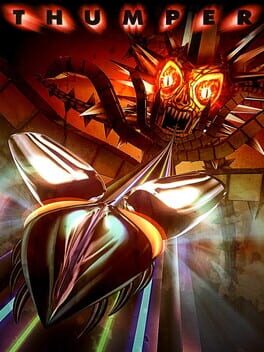
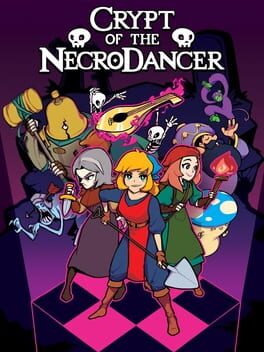
Games that bottle the physical rush of performing, or drop you straight into the rock underground


Required Reading: Punk in Print
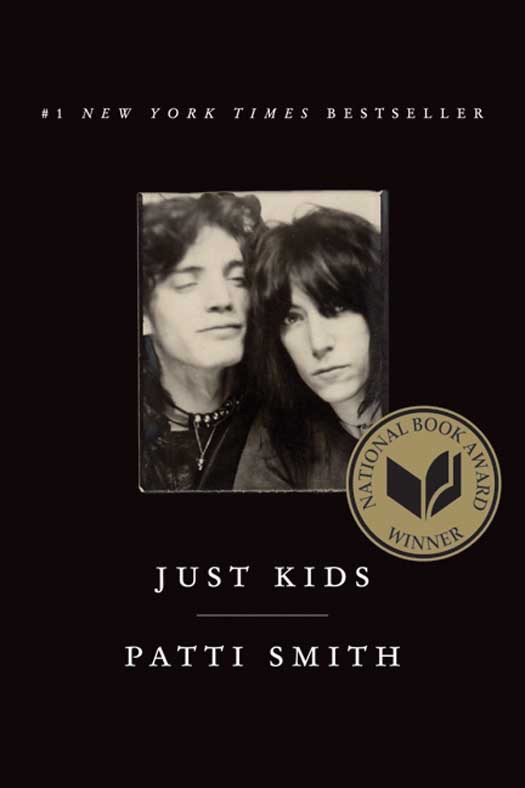
The books that document, mythologize, and theorize the scene, written by people who were there



The Ramones Were a Concept as Much as a Band
The Ramones did not improve on rock and roll. They stripped it to bone and blood: four chords, two minutes, leather jackets, matching pseudonyms. The concept was so pure it felt like a critique of everything that came before. No guitar solo lasted longer than ten seconds. No song tried to mean more than it said. That discipline, practiced before 'punk' was even a genre name, became the blueprint the rest of the world remixed.
London Calling Proved Punk Could Grow Up Without Selling Out
By 1979 many people thought The Clash had betrayed punk by adding ska, reggae, rockabilly, and R&B to their sound. London Calling is why those people were wrong. The double album ranges from grief to fury to prophecy and never once sounds like it is trying to impress anyone. The title track's bass line is the sound of water rising. If punk is about refusing to be contained, then this record is its most complete argument.
Hardcore Took the Speed and Made It a Weapon
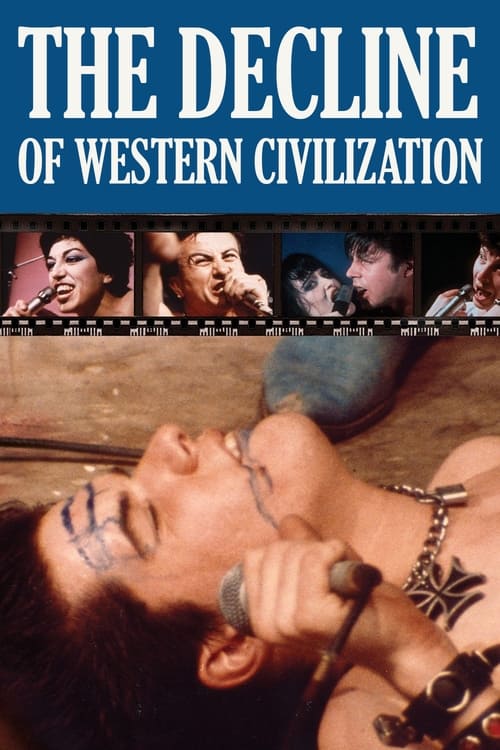
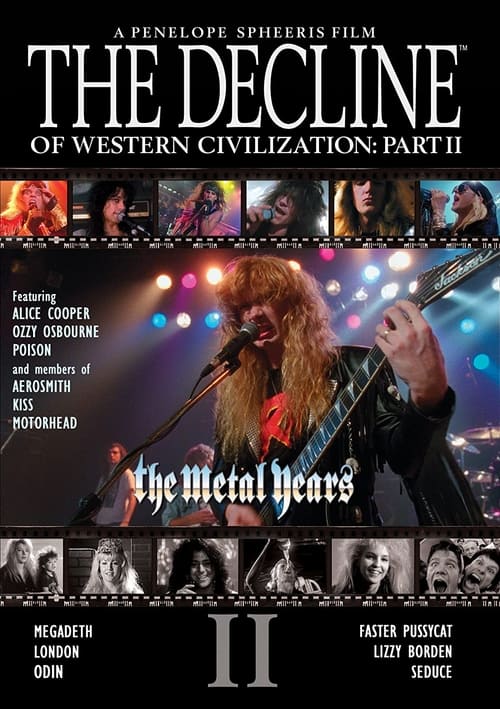
When American kids got hold of punk, they doubled the tempo and halved the melody. Black Flag, Minor Threat, Dead Kennedys, Husker Du, the Minutemen: each band found a different use for the same raw material. Greg Ginn's guitar sounded like a circuit melting. Ian MacKaye introduced the straight-edge ethic and inadvertently launched a movement. The West Coast documentaries by Penelope Spheeris preserved this era better than any studio record, catching the scene before the major labels caught on.
Punk Rock: A Timeline
- 1973New York Dolls release their debut album, dragging glam into the gutter and pointing toward punk
- 1974The Ramones form in Forest Hills, Queens, playing their first show at CBGB
- 1975Patti Smith Group releases Horses, the most literary record punk ever touched Horses
- 1976Sex Pistols play their first shows in the UK; the word 'punk' enters the British press as an insult that sticks
- 1977Never Mind the Bollocks and The Clash debut in the same month, Year Zero for British punk Never Mind the Bollocks Here’s the Sex Pistols
- 1978Wire releases Pink Flag; post-punk begins pulling away from three-chord orthodoxy Pink Flag
- 1979London Calling resets the ambition ceiling for what a punk band can record London Calling
- 1980Black Flag and Dead Kennedys crystallize West Coast hardcore; Ian MacKaye coins straight-edge
- 1981Penelope Spheeris films The Decline of Western Civilization, the definitive LA hardcore document The Decline of Western Civilization
- 1984Husker Du releases Zen Arcade, a double album that cracks hardcore open into something more
- 1988Pixies release Surfer Rosa, influencing every band that mattered in the following decade Surfer Rosa
- 1996Please Kill Me published, giving the CBGB era its definitive oral history
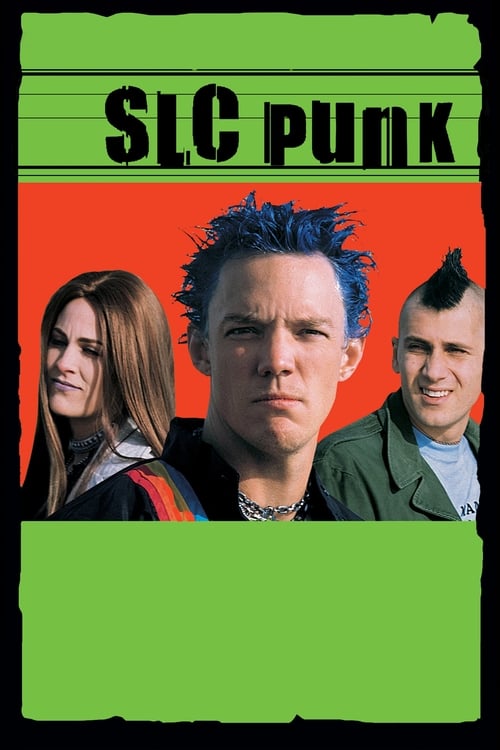
- 1998SLC Punk! brings the ideological contradictions of punk identity to the American suburbs SLC Punk
- 2001Michael Azerrad publishes Our Band Could Be Your Life, the bible of American indie/punk
- 2005Guitar Hero launches, putting punk and hard rock in the hands of a generation who missed the original decade Guitar Hero 5
- 2004End of the Century documents the Ramones' complicated legacy just after Joey's death
Louder, Faster, More Defiant
For Fans of Sex Pistols
Explore the For Fans of Sex Pistols guide →Punk is not a style of music. It is a decision about who gets to make noise.CrossBinge