
System of a Down released Toxicity in September 2001 and it landed like a grenade. Fourteen tracks, no filler, clocking under forty minutes: a record that whipped between guttural low-end chug and operatic falsetto inside the same verse, wrapped political fury in genuinely strange time signatures, and carried the weight of the Armenian Genocide without ever becoming a history lecture. What fans chase is that specific alchemy: music that is physically heavy but also melodically generous, that is angry about real things, and that sounds like nothing else in the room. The through-line across everything on this page is that same refusal to be just one thing at once.
Essential System of a Down
The five records that define the band, front to back.
Same Voltage, Different Name
Albums and artists that match the heaviness, the melody, and the political heat.
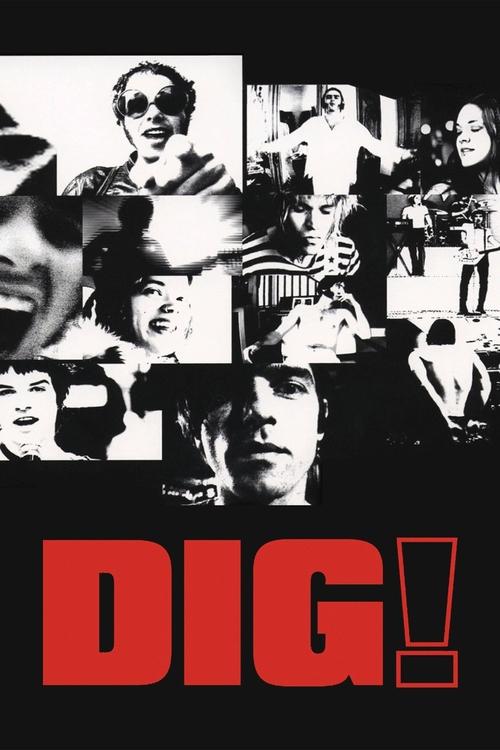
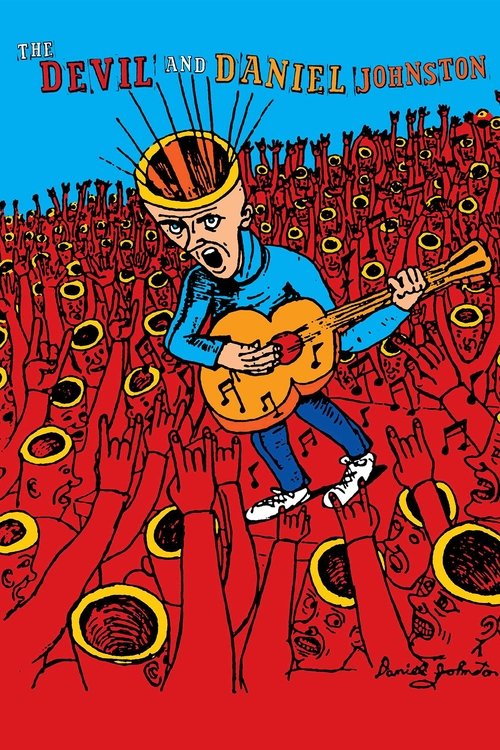
Fury on Film: Rock Docs Worth Your Time
Concert films and documentaries that put you inside the energy of heavy music.


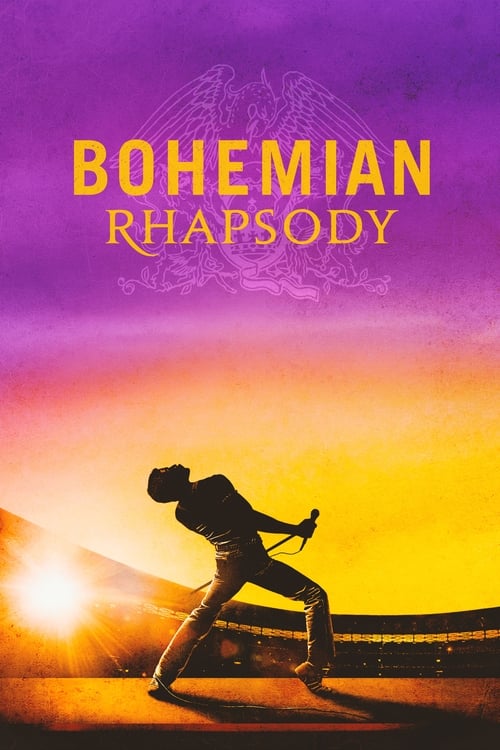
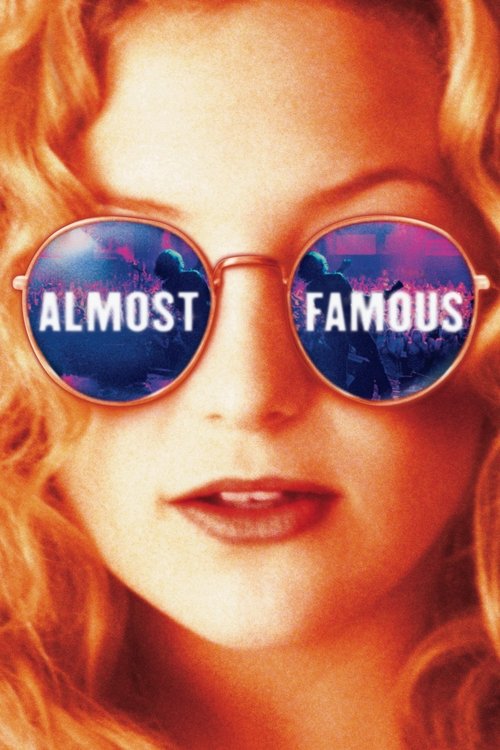
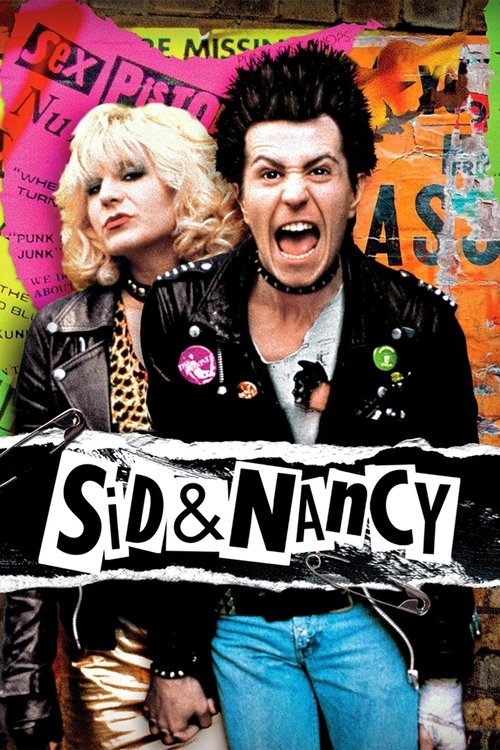
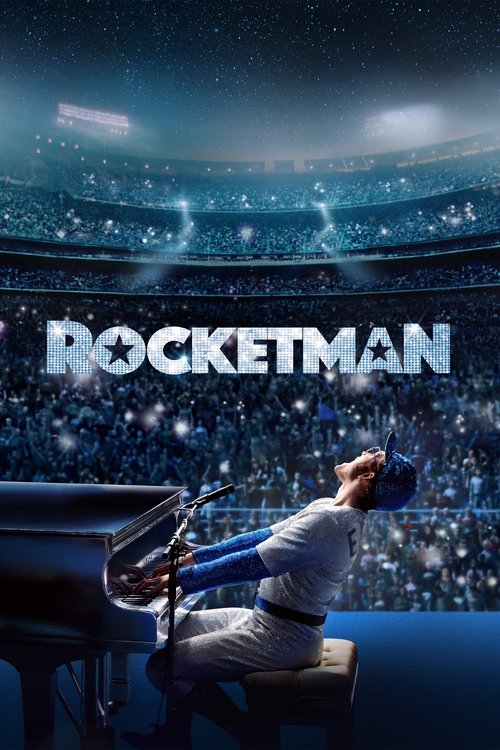
Biopics and Band Stories
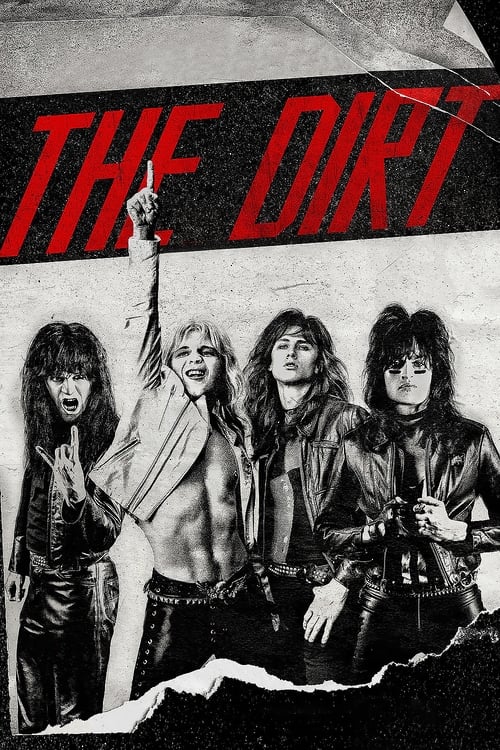
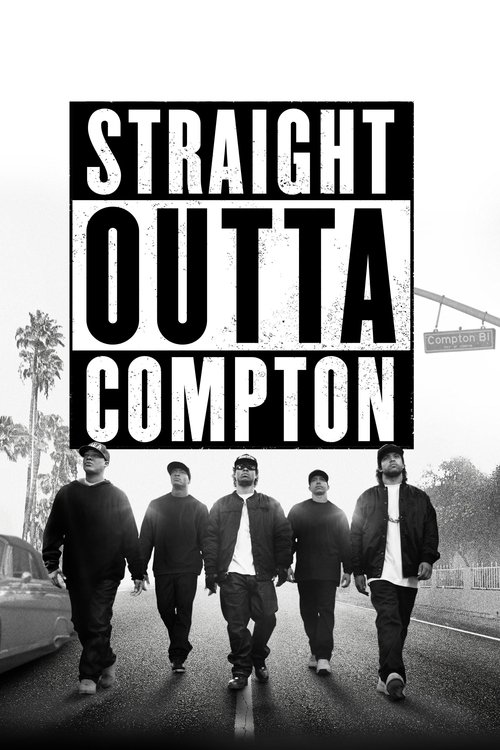
Feature films that dramatize the chaos, ambition, and wreckage of rock careers.

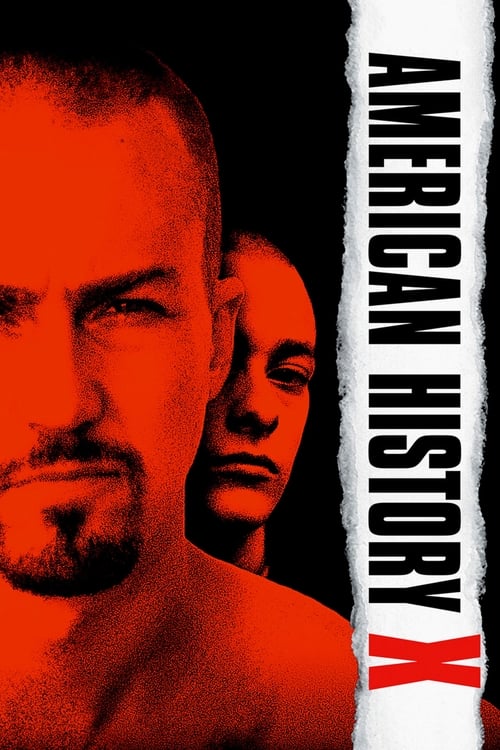
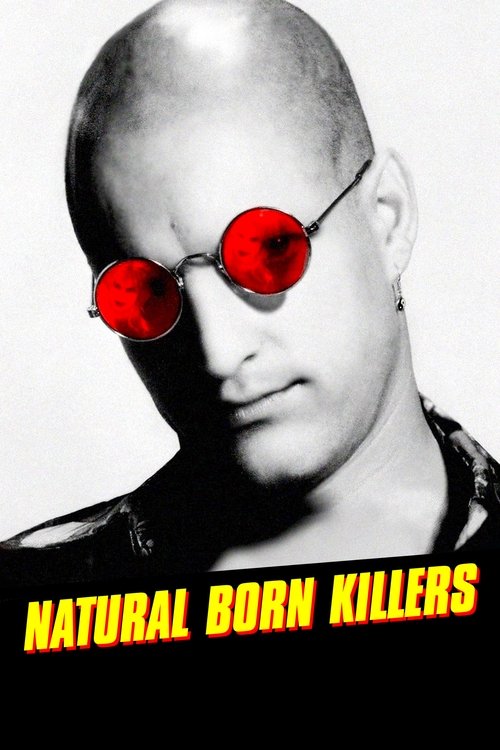
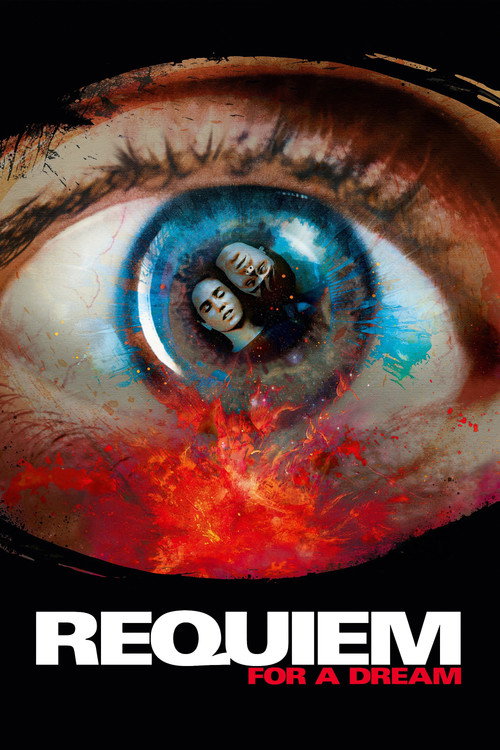
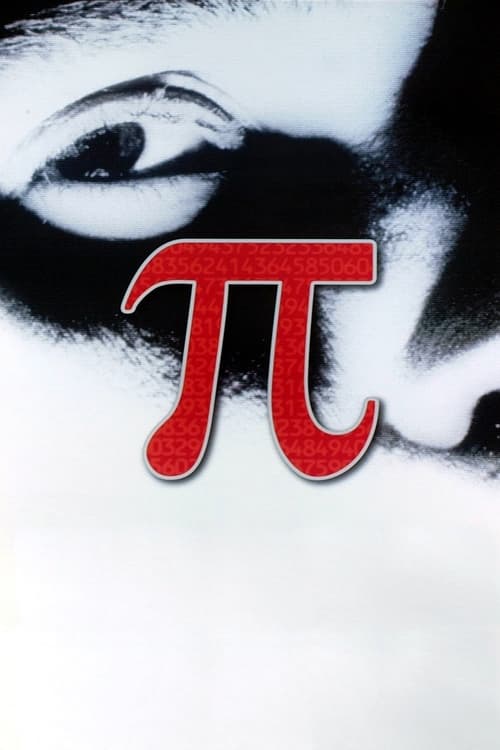
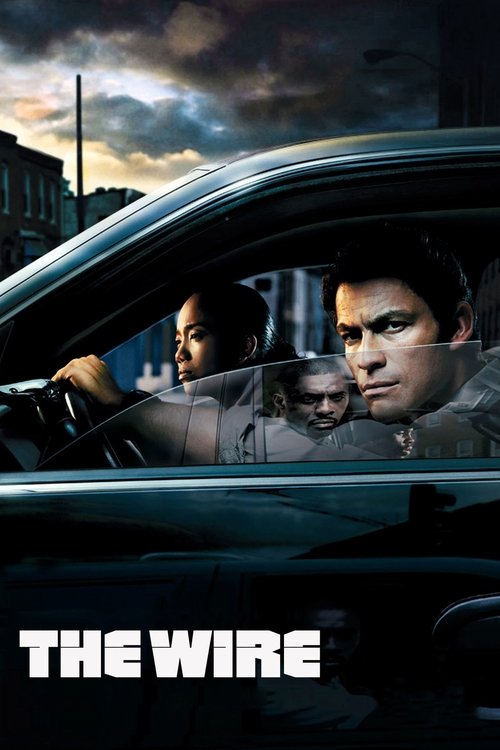
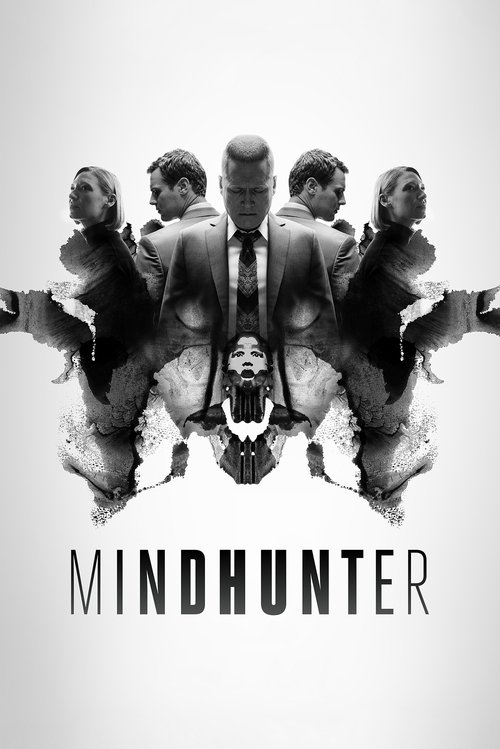
Films and Series with the Same Energy
Narratives built on the same collision of anger, alienation, and dark humor that powers Toxicity.



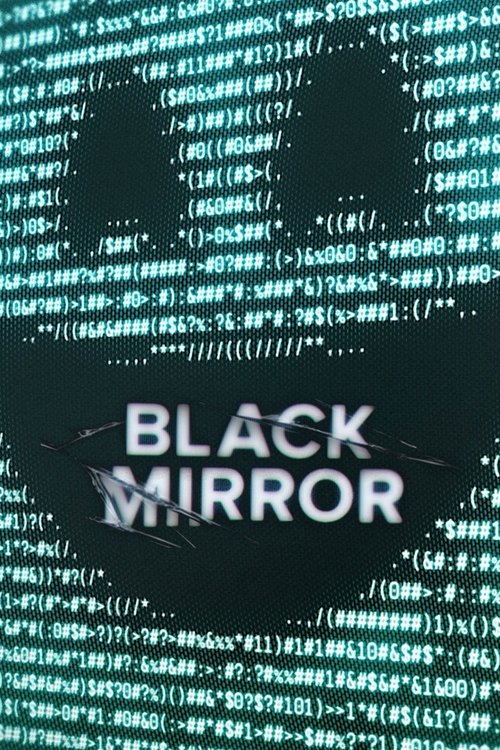
Books That Carry the Same Weight
Fiction and nonfiction that shares the album's rage at systems, history, and authority.


System of a Down: The Arc
- 1994Band forms in Glendale, California, from the Armenian-American community around vocalist Serj Tankian and guitarist Daron Malakian.
- 1998Debut album released on American Recordings. Raw, faster, and more punk-adjacent than what follows. System of a Down
- 2001Toxicity drops five days before 9/11 and goes to number one in the US and UK. The title track and Chop Suey! become generational anthems. Toxicity
- 2002B-sides and rarities compiled on Steal This Album!, named after fans who leaked the material. Steal This Album!
- 2005Mezmerize and Hypnotize released six months apart as a deliberate two-part set. Both debut at number one. Mezmerize
- 2006The band goes on indefinite hiatus amid internal tensions. Tankian and Malakian pursue solo careers.
- 2011The band reunites and tours extensively but does not record new material for fifteen years.
- 2020Protect the Land and Genocidal Humanoidz released as a pair, the first new music in fifteen years, raising funds for Armenian relief during the Nagorno-Karabakh conflict.
- 2026From Zero, the long-awaited new album, is released and enters charts worldwide. From Zero
Chop Suey! Is the Best Opening Track of the 2000s
No song front-loaded a decade of rock radio better. It opens on a quiet guitar figure, detonates into a time-signature shift within ten seconds, and puts two vocalists trading lines about self-righteous suicide and fallen angels across four minutes that feel like they should be twelve. It earns its cathedral ending. The entire album announces itself with that track and nothing after has to apologize.
Nu-Metal Needed SOAD to Have a Legacy Worth Keeping
The genre's reputation collapsed fast once the late 2000s arrived, and most of its flagship acts collapsed with it. System of a Down survived because the music was genuinely strange: the Armenian folk influences, the Malakian/Tankian co-vocal dynamic, and the political specificity kept the records from aging into costume. Lateralus from Tool operated in a similar register: heaviness plus genuine compositional ambition. Both albums are the reason the era has defenders.
Fight Club Is the Film Version of This Album
Same era, same diagnosis: consumer culture as anesthetic, masculine rage with nowhere legitimate to go, a visual and sonic style that is deliberately overwhelming. Fincher and Palahniuk made a film that critics initially misread as endorsing what it was actually dissecting, just as some listeners heard Toxicity as pure aggression rather than as satire of authority. Both aged into canonical status as the cultural conditions they were criticizing became more visible.
We're rolling in the mud of cultural malaise, but we're doing it in 7/8 time.Daron Malakian, on the compositional choices behind Toxicity