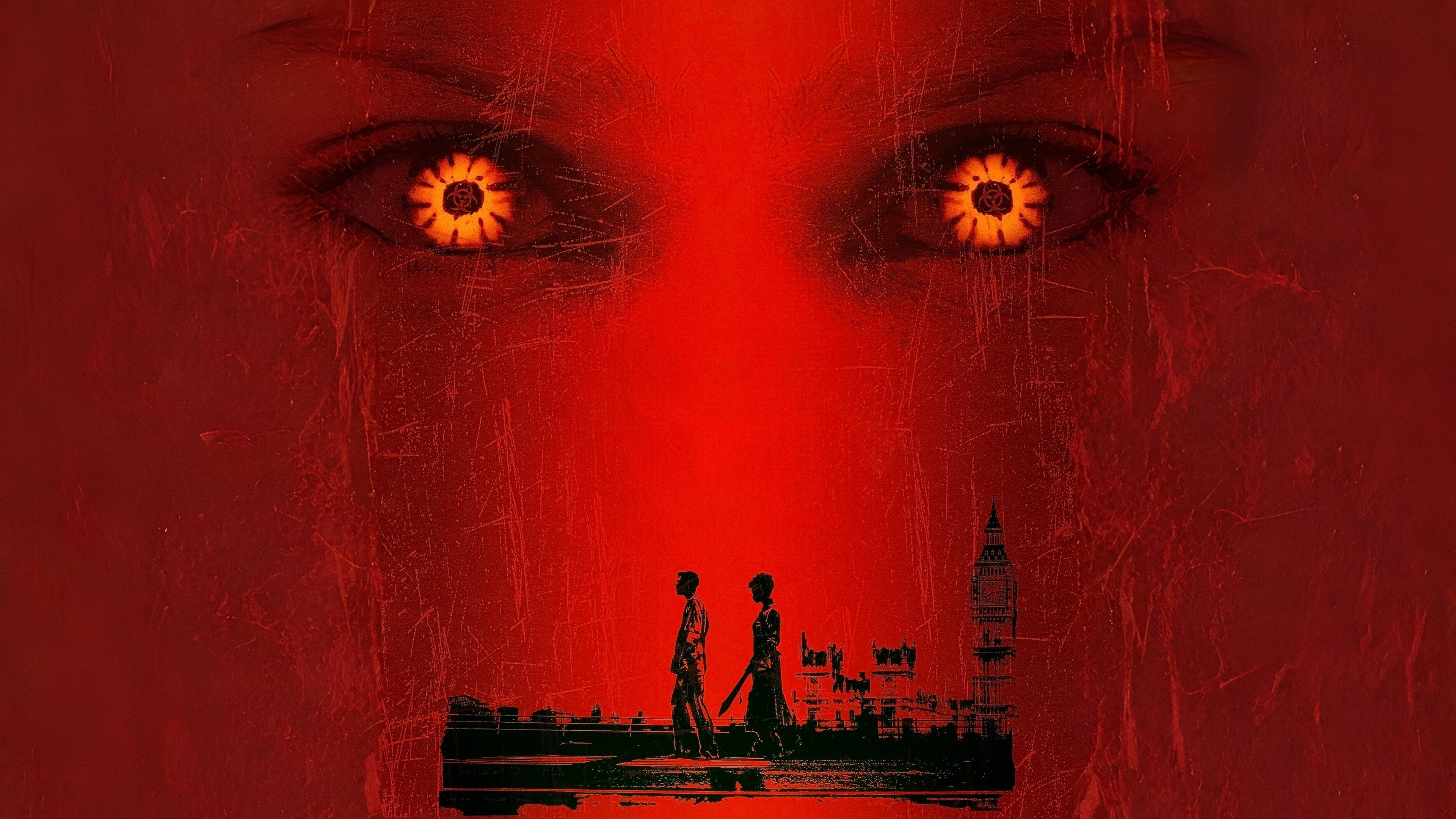

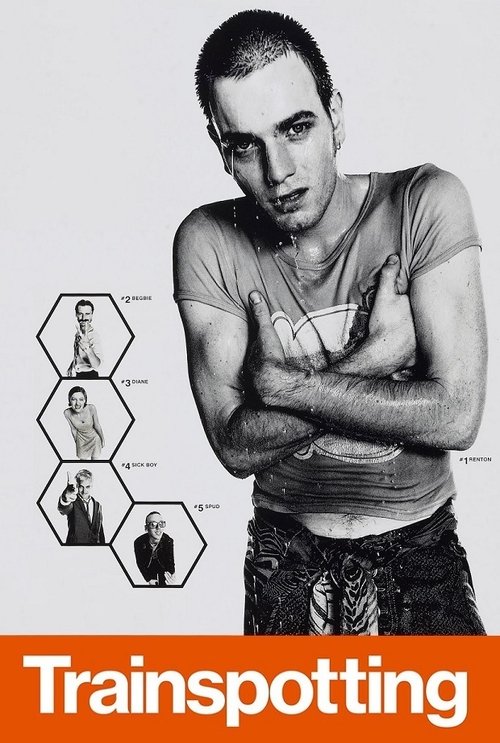
What Trainspotting gave audiences in 1996 was not a drug film. It was a velocity film. Danny Boyle and writer John Hodge (working from Irvine Welsh's novel) crammed Renton, Sick Boy, Spud, Begbie, and Tommy into a kinetic blender and hit maximum speed: jump cuts, needle-drops that rewired the brain, interior monologues that were funny and devastating in the same breath. The through-line a fan chases is that feeling of living at maximum intensity inside a world that has written you off. Poverty, boredom, addiction, and loyalty collide with an absurdist wit that refuses to condescend or moralize. It is cinema as adrenaline shot, and its DNA runs through the grittiest crime films, the most honest literary fiction about the underclass, the games that make desperation feel playful, and the post-punk and electronic records that turned working-class alienation into art.
Essential Trainspotting
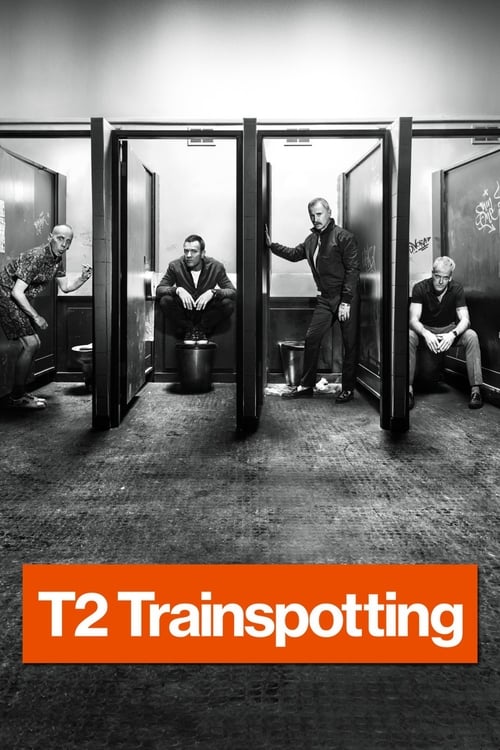
The films in the Trainspotting universe and the Danny Boyle works that share its DNA
Same Vein, Same Voltage
Films that hit that same raw, kinetic, working-class nerve
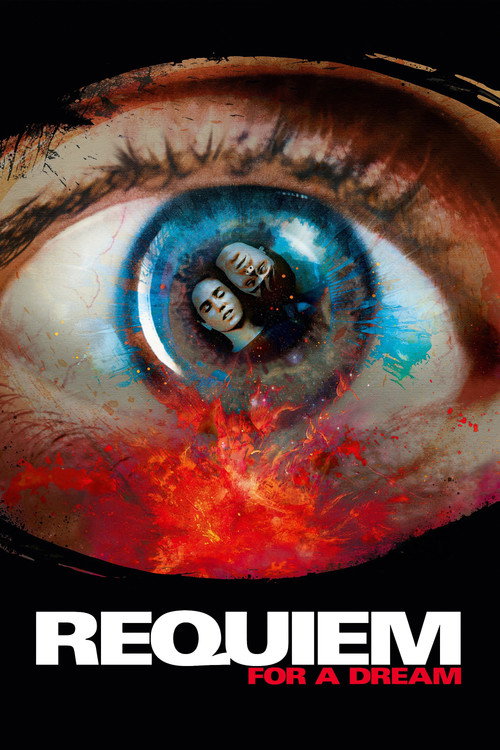
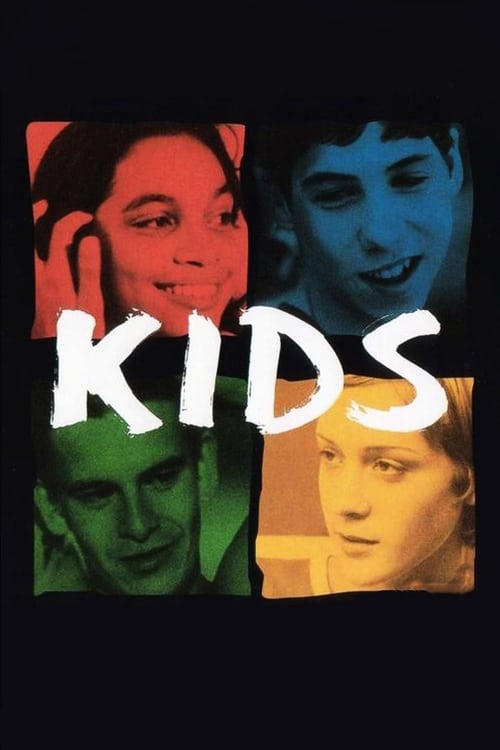
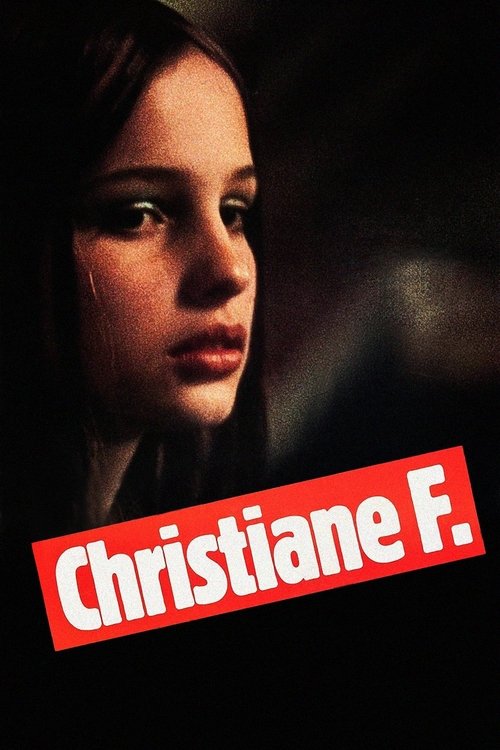

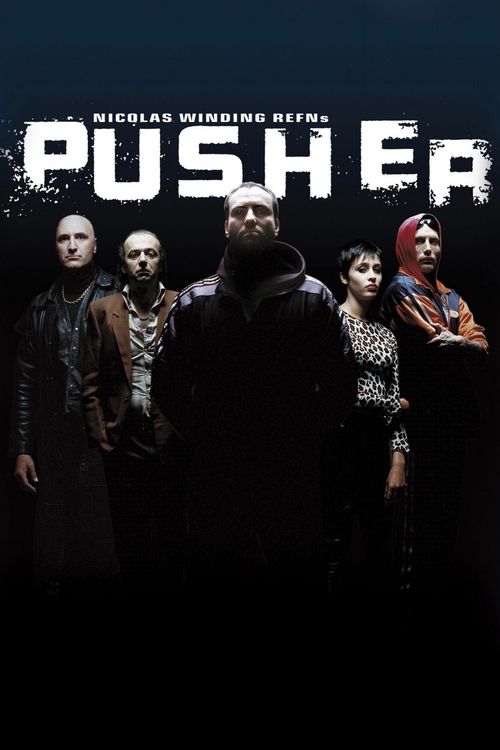
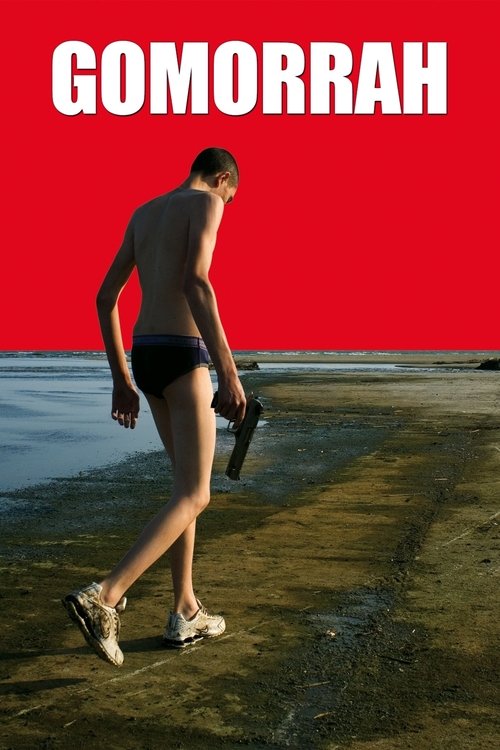
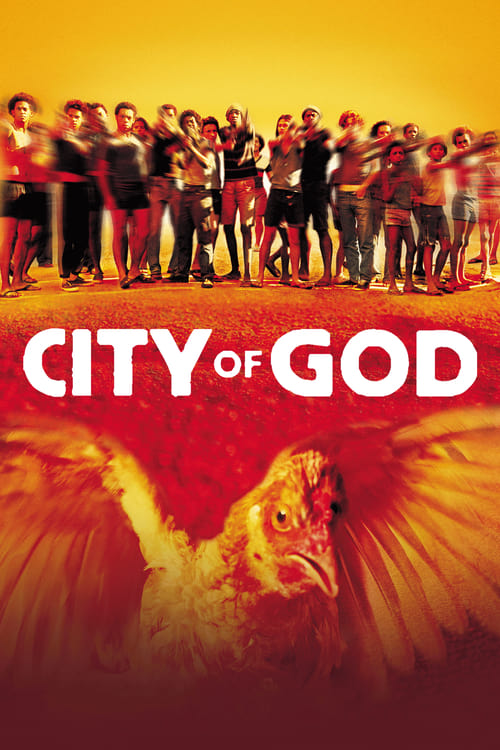
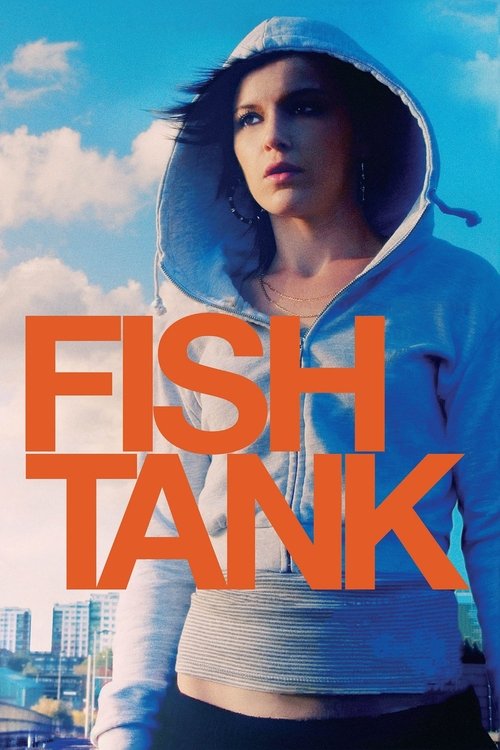
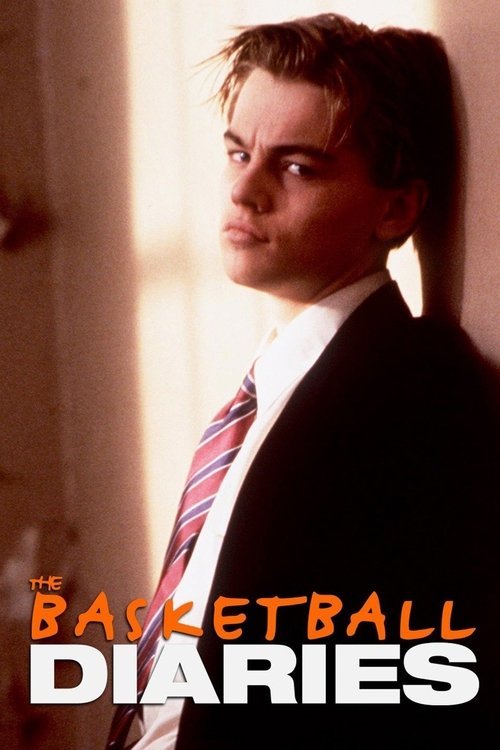
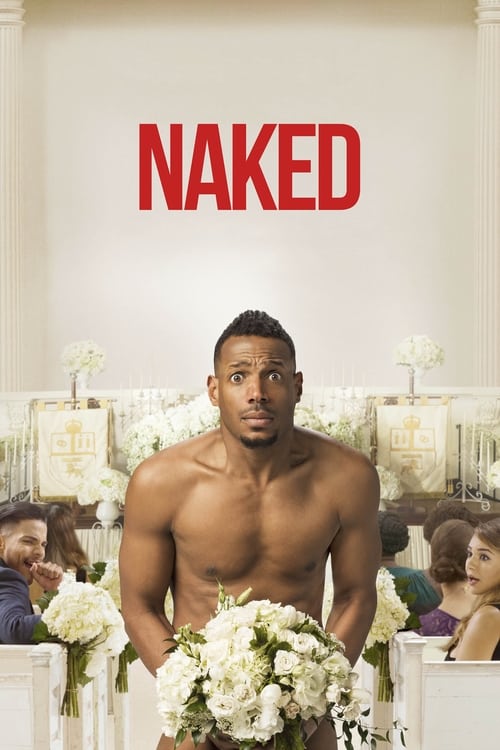
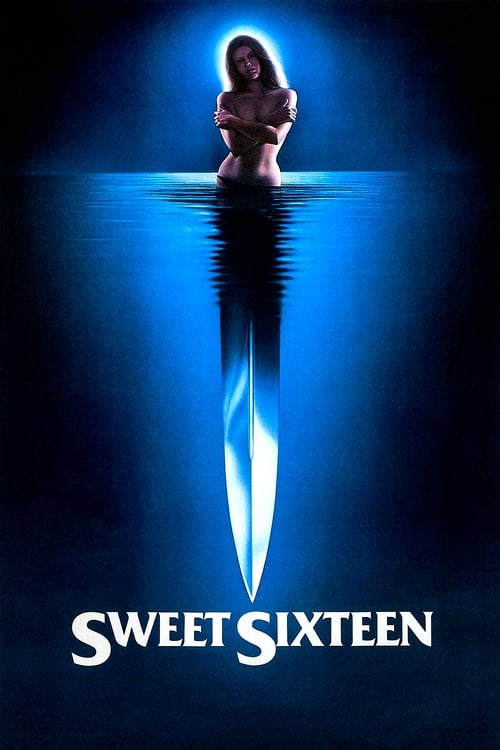
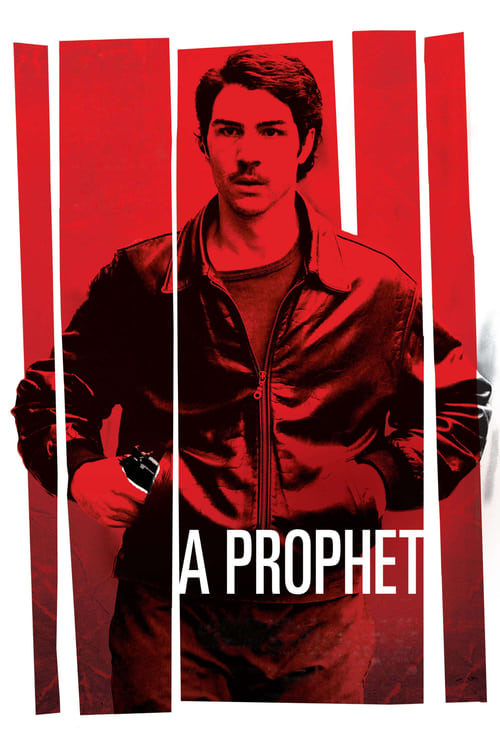
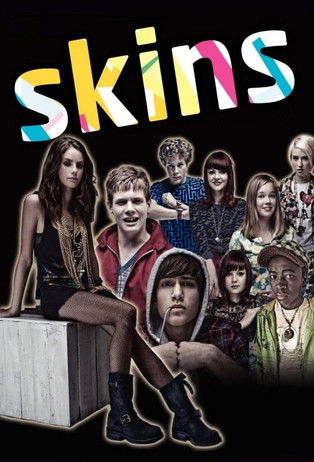
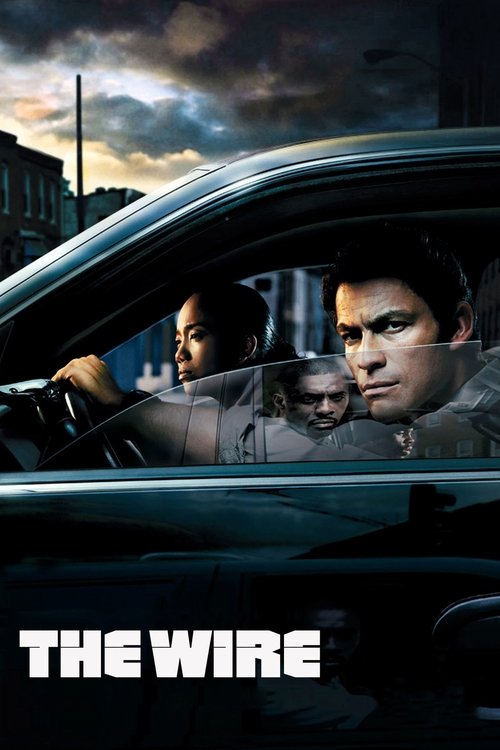
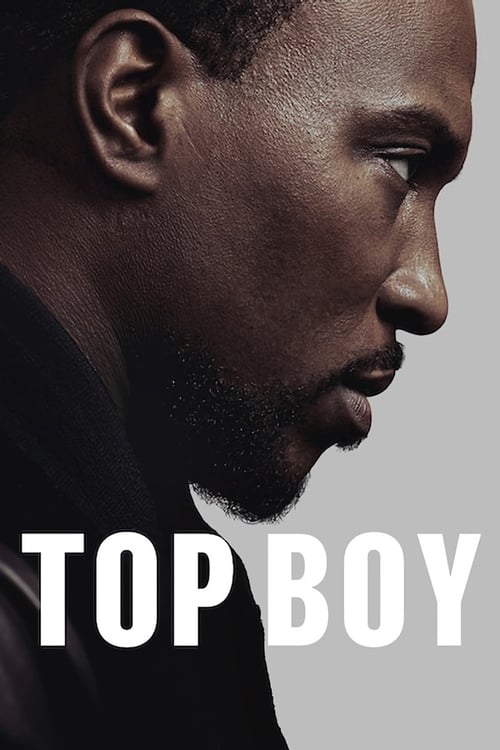
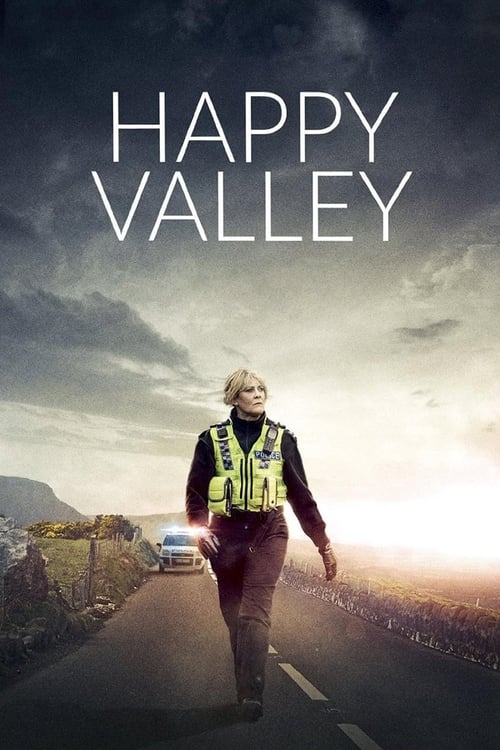
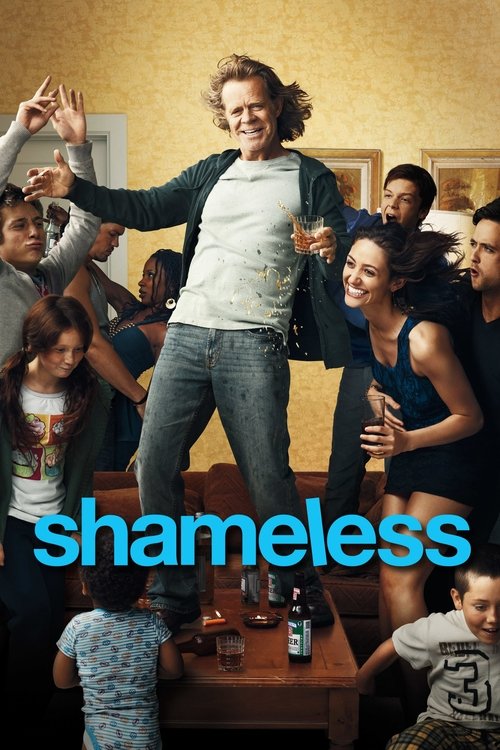
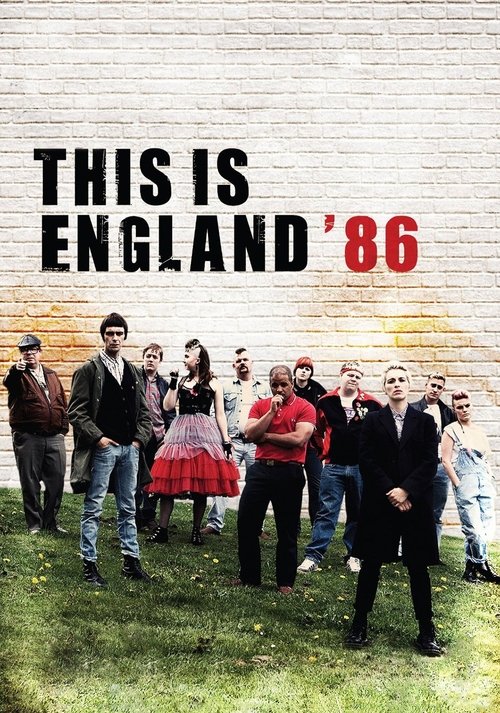
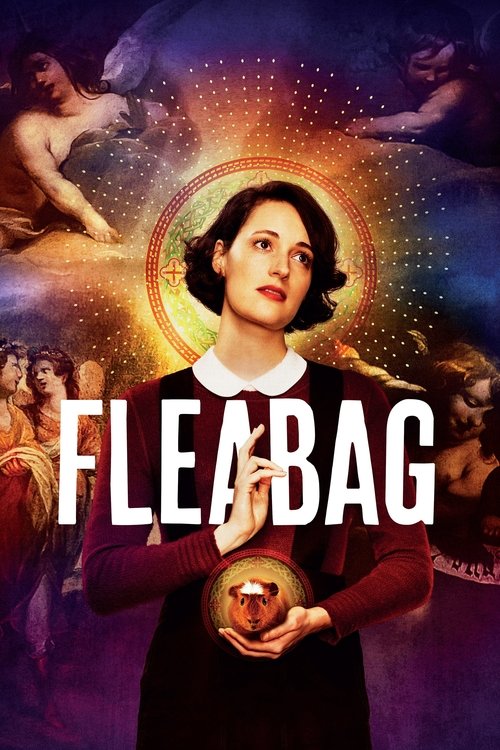
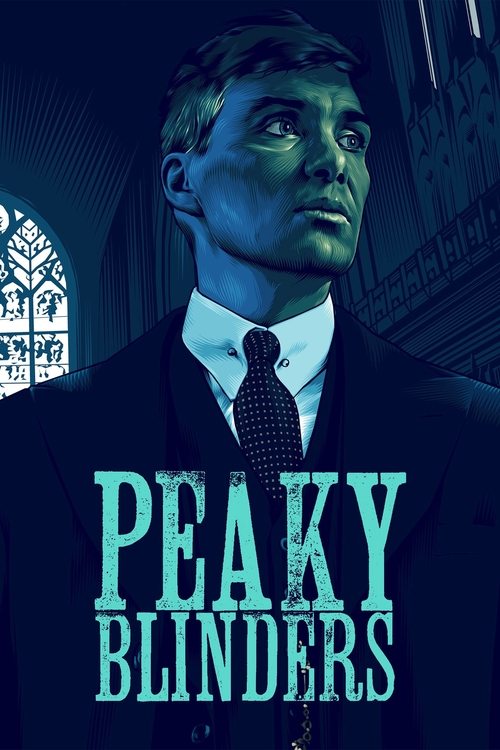
Series That Go There
TV that captures the same unflinching portrait of lives on the edge
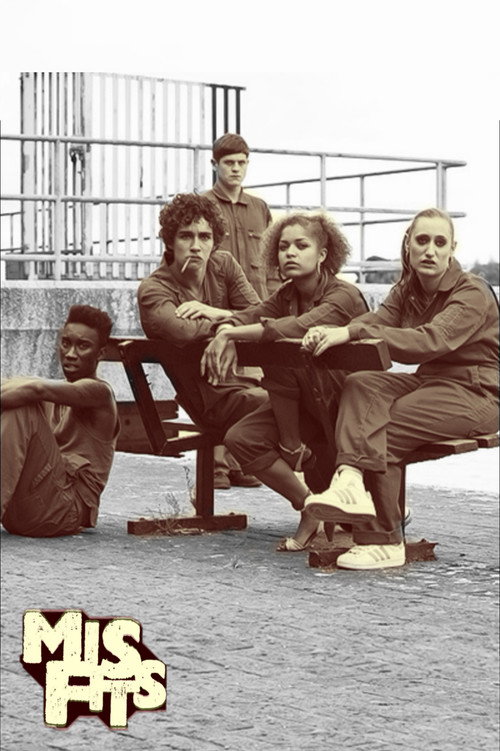
The Literature It Came From (and Its Cousins)
Novels that share the voice, the fury, or the chemical honesty


Games with the Same Desperate Energy
Games that put you in survival mode, making bad choices feel inevitable
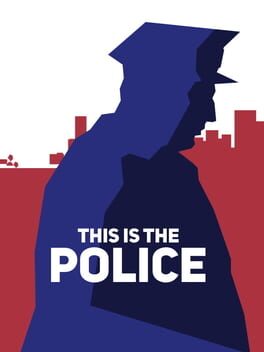
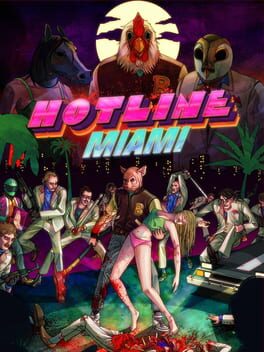
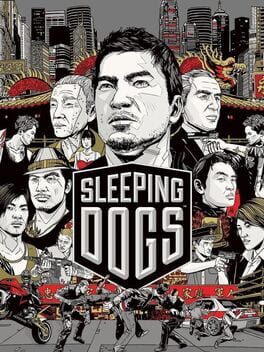
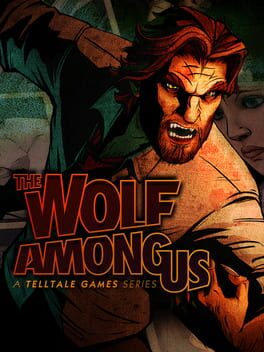


The Music: Needle-Drops and the Records Behind Them
The soundtrack era that defined the film, and the artists who owned it
Irvine Welsh's Voice Is the Real Drug
Welsh wrote Trainspotting in the phonetic Scots dialect of Leith, and every subsequent adaptation has had to reckon with that fact. The novel predates the film by three years and is structurally looser, a series of chapters told by rotating narrators, many of them characters the film barely touches. Reading it after watching the film is like discovering an entire second story existing beneath the one you already love. Welsh went on to write sequels (Porno, Dead Men's Trousers) and parallel novels (Filth, Glue, Crime) that fill in the same Edinburgh ecosystem. Filth in particular, following corrupt detective Bruce Robertson, is among the darkest and funniest things in Scottish fiction.
The Boyle Method: Style as Argument
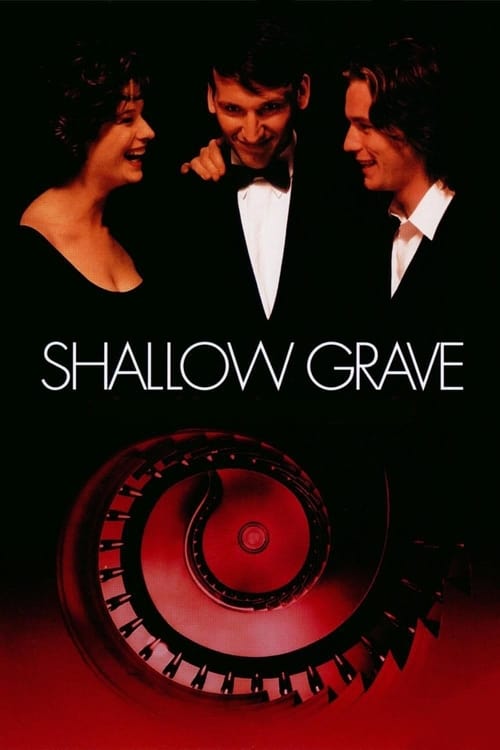
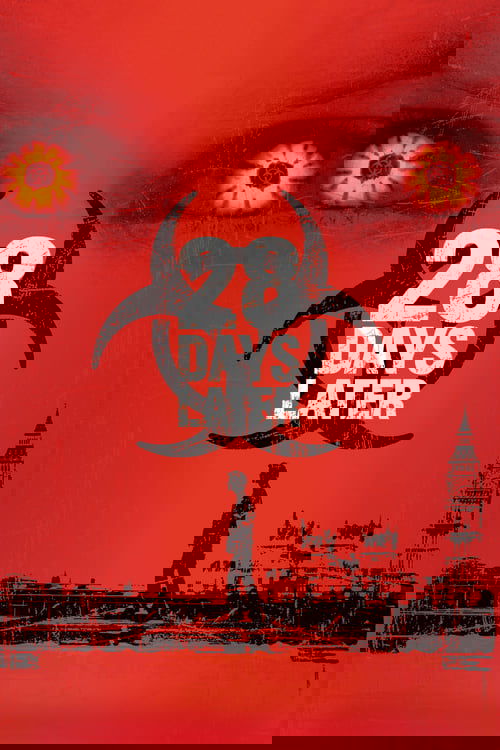
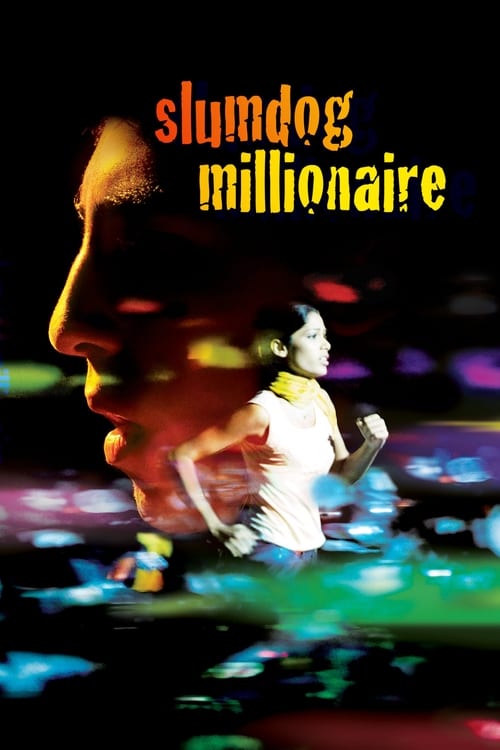
Danny Boyle's visual language in Trainspotting is not decoration. The fish-eye lenses, the overhead shots of bodies on floors, the sudden switch into fantasy sequences (the dead baby, the worst toilet in Scotland) are doing argumentative work. They put you inside a headspace, not just behind a camera. That approach connects directly to his earlier Shallow Grave (paranoia and greed among Edinburgh flatmates) and forward to 28 Days Later (a Britain depopulated and re-wild) and Slumdog Millionaire (poverty as obstacle course). Boyle uses genre energy to smuggle in uncomfortable social content, which is why his films feel alive rather than instructional.
The Soundtrack Was a Generation-Defining Statement
Underworld's Born Slippy .NUXX was already recorded before the film; Boyle and music supervisor Nick Angel heard it and built the ending around it. That decision retroactively turned the track into a generational anthem. The two-volume soundtrack (the film used both a source-music album and an Underworld score) became a bestselling document of mid-90s British club culture: Primal Scream, Pulp, Elastica, New Order, Iggy Pop. It is one of the few film soundtracks that works as a standalone listening experience, a genuine time capsule of what post-Madchester British music felt like to the people living inside it.
Trainspotting: A Timeline
- 1993Irvine Welsh publishes the novel Trainspotting Trainspotting
- 1994Danny Boyle and John Hodge adapt the stage version into a screenplay
- 1994Shallow Grave, the Boyle/Hodge/Hodge collaboration that preceded Trainspotting Shallow Grave
- 1996Trainspotting released; becomes the second-highest-grossing British film of 1996 Trainspotting
- 1996Pulp releases Different Class, sharing the same class-conscious British moment Different Class
- 2002Welsh publishes Porno, the direct sequel novel following the characters 10 years on Pornografia
- 200228 Days Later brings Boyle's kinetic style to post-apocalyptic Britain 28 Days Later
- 2015Disco Elysium begins development; its DNA is unmistakably Welsh and Boyle
- 2017T2 Trainspotting reunites the original cast, 20 years on T2 Trainspotting
- 2019Welsh publishes Dead Men's Trousers, closing the Renton cycle
Heroin, youth, and the wreckage
Coming of Age
Explore the Coming of Age guide →Choose life. Choose a job. Choose a career. Choose a family. Choose a big television. Choose washing machines, cars, compact disc players and electrical tin openers. But why would I want to do a thing like that?Renton, Trainspotting (1996)