

The Church, the Matriarch, and the Mess in Between
Tyler Perry built something that Hollywood kept insisting did not have an audience: melodrama rooted in Black Southern life, shaped by the rhythms of the Black church, soaked in grief and comedy and the kind of forgiveness that costs something real. Starting from touring stage plays performed in venues that held maybe a few hundred people, Perry became one of the most prolific writer-director-producers in American entertainment, launching a studio in Atlanta and a cable network presence that reached audiences mainstream studios consistently ignored.
The through-line in all of it is the family as a pressure cooker. Secrets passed down through generations, mothers who sacrifice until they crack, men who cannot say what they feel until it is almost too late, and faith not as easy comfort but as the last rope people grab. The tone swings hard, from broad physical comedy to scenes of raw abuse and trauma, sometimes within the same film. Critics have always wrestled with that swing. Fans understand it as the texture of actual life.
Madea, the shotgun-toting, no-nonsense grandmother Perry plays in heavy prosthetics, became a cultural icon precisely because she operates outside the usual rules. She is outrageous and she loves fiercely. She is also a way Perry gives his audience permission to laugh before crying, or cry before laughing. If you are drawn to storytelling that does not separate the sacred from the profane, that treats sentiment as strength rather than weakness, and that centers communities often treated as afterthoughts by prestige television and film, the world around Tyler Perry is vast.
Essential Tyler Perry
Where to start and where to go deep





Big Family, Bigger Secrets
Multigenerational drama where the past never stays buried

Faith, Forgiveness, and the Long Road Home
Stories where redemption is earned, not handed out

Wronged Women and the Point of No Return
When the patience finally runs out

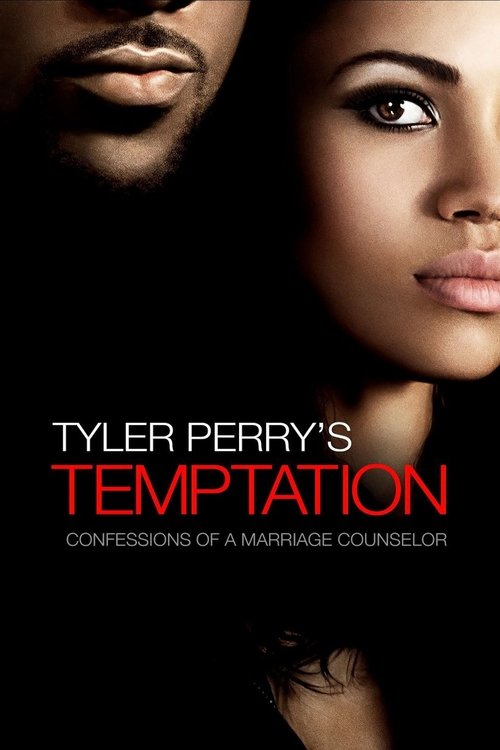
The Books Behind the Drama
Novels with the same emotional stakes and unflinching honesty


The perfect entry point is not Madea
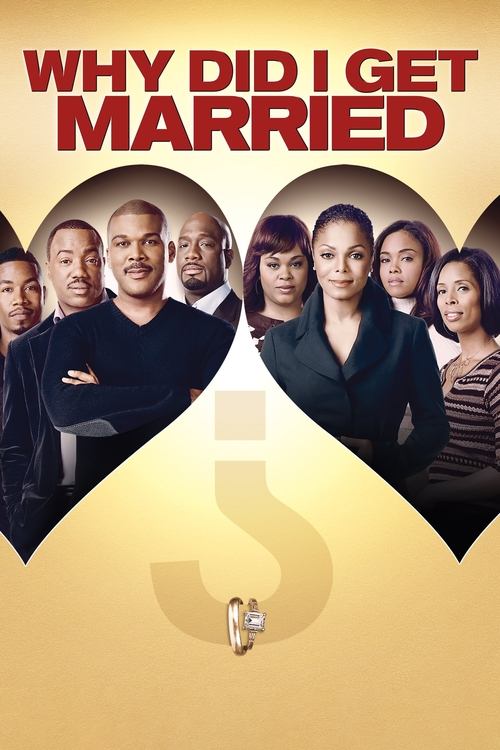
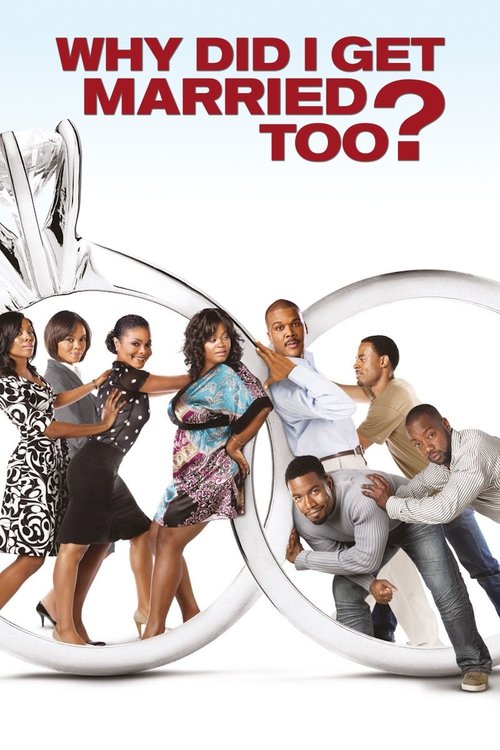
Why Did I Get Married? is the film that shows what Perry is actually capable of when he steps back from broad comedy and trusts his ensemble. Four couples at a mountain retreat, every marriage holding a different kind of wound. The performances are grounded, the script has real structure, and the emotional climax lands because Perry has earned it. This is the film to show a skeptic.
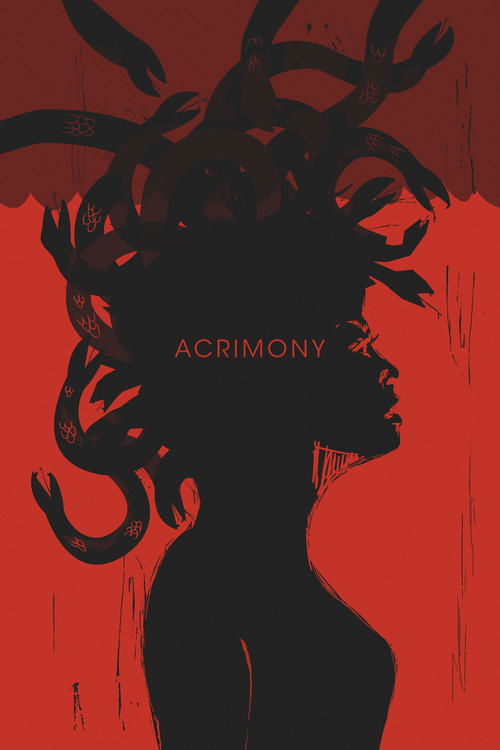
Acrimony is the most misread film in his catalog
Half the audience watched Acrimony as a villain origin story. The other half watched it as a portrait of a woman whose love was exploited for years before she finally broke. Taraji P. Henson plays both readings at once and the film never settles the question for you. That ambiguity is intentional and it is the bravest thing Perry has committed to on screen.
Greenleaf is the spiritual successor to the whole enterprise
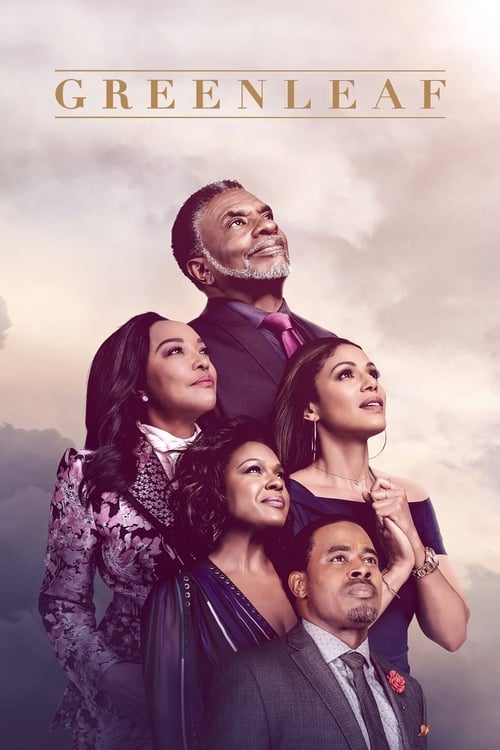
OWN's Greenleaf is what happens when Perry produces rather than writes and directs, and the result is arguably the most sustained drama the network has put out. The Memphis megachurch at its center is morally compromised in every direction: financial corruption, abuse covered up in the name of reputation, theology weaponized against the most vulnerable. It goes places Perry's own work rarely does. Five seasons, no filler.
The stage play recordings are where it all started and they still hit differently
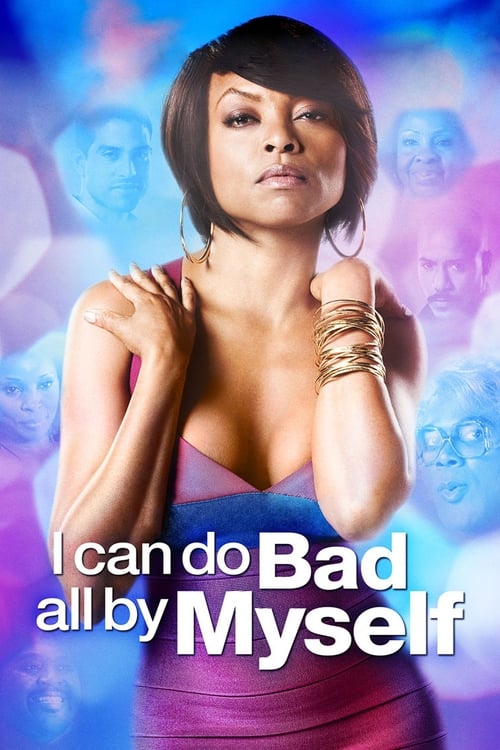
Before Perry had a Hollywood deal, he was selling out the Chitlin Circuit with filmed stage productions shot in front of live audiences. These recordings, including I Can Do Bad All by Myself: The Play and Madea's Class Reunion: The Play, have a rawness no studio budget can replicate. The crowd response is part of the performance. Watching them is not a nostalgia trip; it is a record of a community cultural tradition that existed entirely outside mainstream media, on its own terms, years before Hollywood noticed.
Perry never asked permission to make the stories he wanted to make. He rented out Chitlin Circuit venues, sold tickets himself, and found his audience before anyone in Hollywood knew the audience existed.CrossBinge
A Career Built Outside the System
- 1998I Know I've Been Changed premieres as a touring stage play in Atlanta
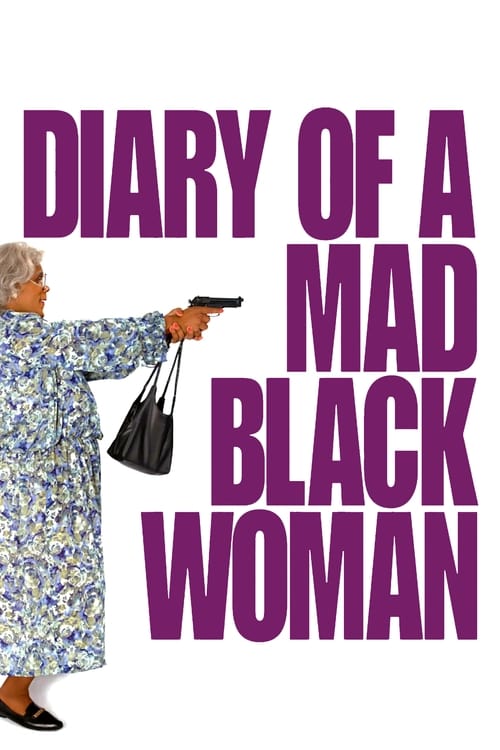
- 2005Diary of a Mad Black Woman Diary of a Mad Black Woman
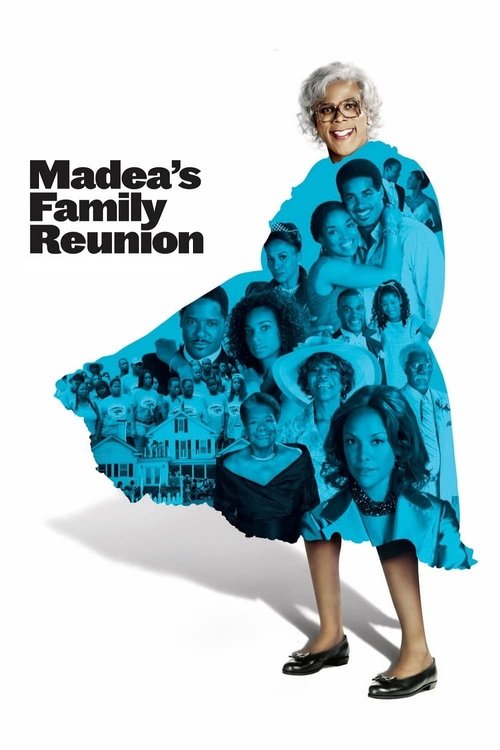
- 2006Madea's Family Reunion Madea's Family Reunion
- 2007Why Did I Get Married? Why Did I Get Married?
- 2010For Colored Girls For Colored Girls
- 2012Tyler Perry Studios moves to a new Atlanta lot
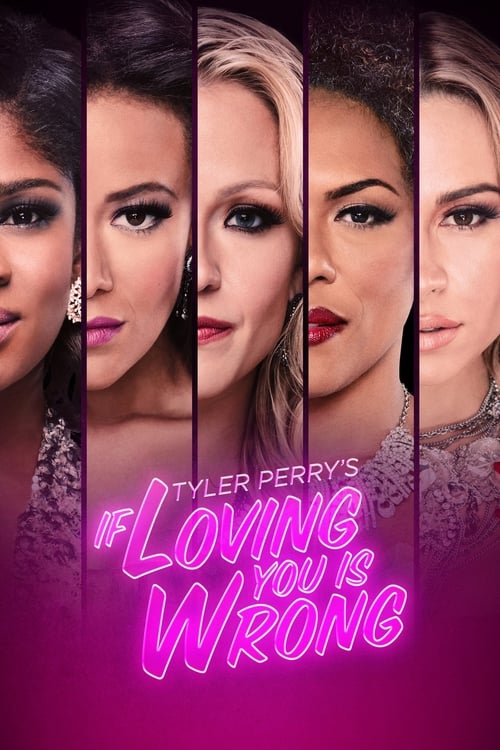
- 2014If Loving You Is Wrong premieres on OWN, Perry's first soap-format drama series Tyler Perry's If Loving You Is Wrong
- 2018Acrimony Acrimony
- 2019Tyler Perry Studios opens on the historic Fort McPherson site in Atlanta
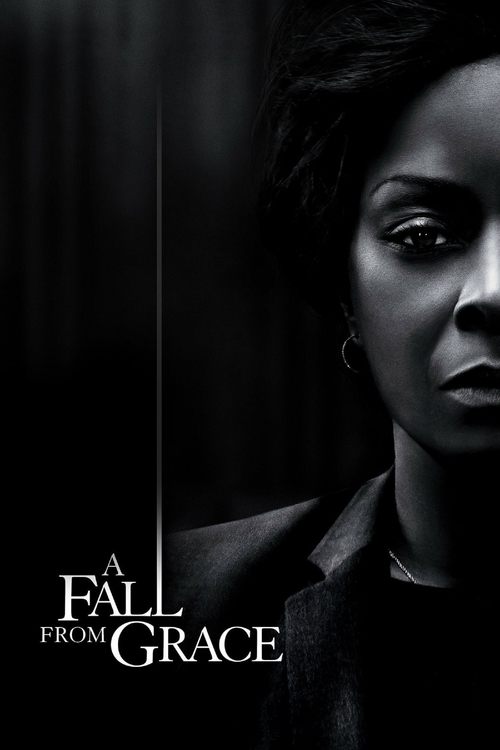
- 2019A Fall from Grace (Netflix) A Fall from Grace
- 2019The Oval premieres on BET+ The OA
- 2022Assisted Living