

The story starts in scripture
Francine Rivers published Redeeming Love in 1991 (revised and reissued in 1997 under Multnomah Publishers), and the novel has since sold over three million copies. It is a retelling of the Old Testament Book of Hosea, transposed from ancient Israel to Gold Rush-era California in the 1850s. Where Hosea takes a prostitute as his wife at God's command, Rivers gives us Angel, a woman sold into prostitution as a child, and Michael Hosea, a farmer who believes he is divinely called to love her unconditionally. The book became one of the most commercially successful works of Christian fiction ever published, and its core tension, whether a person shaped entirely by exploitation can accept love without transactional terms, gives it staying power well beyond its genre.
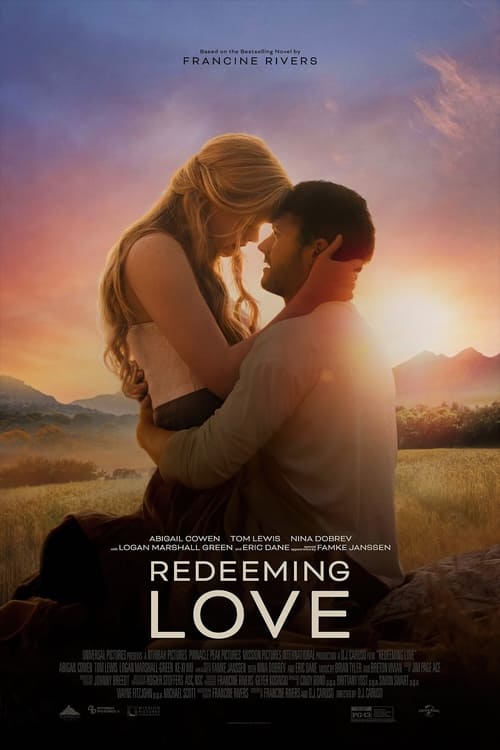
For over two decades the novel existed only on the page. A 2022 theatrical film finally brought it to the screen, with Abigail Cowen as Angel and Tom Lewis as Michael Hosea, directed by D.J. Caruso and written by Rivers herself alongside Cheryl McKay. No major TV adaptation, stage musical, or game has followed, which makes this one of the rarer cases of a massive-selling novel with essentially one screen life.
Redeeming Love across the years
- 1991Novel first published by Bantam Books Redeeming Love
- 1997Revised edition under Multnomah Publishers becomes the definitive text Redeeming Love
- 2022Theatrical film released in January, written by Francine Rivers Redeeming Love
The novel is the definitive version, and probably always will be
The 1997 Multnomah edition of Redeeming Love is the version that built the audience, and it remains the version that hits hardest. Rivers writes Angel's interiority with a rawness that no film adaptation has the screen time to match. The novel's power comes from repetition, from watching Angel leave and be brought back, over and over, until the reader understands that unconditional love is not a single dramatic gesture but a practice. That kind of cumulative emotional weight lives on the page.

If you love Redeeming Love: women who survive impossible circumstances
Stories about women rebuilding identity after exploitation or trauma





If you love Redeeming Love: faith, grace, and second chances
Stories where forgiveness and unconditional love are the central dramatic stakes




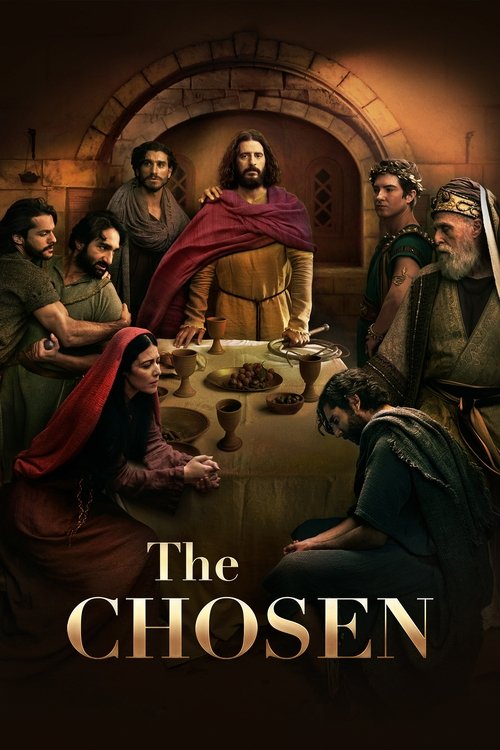


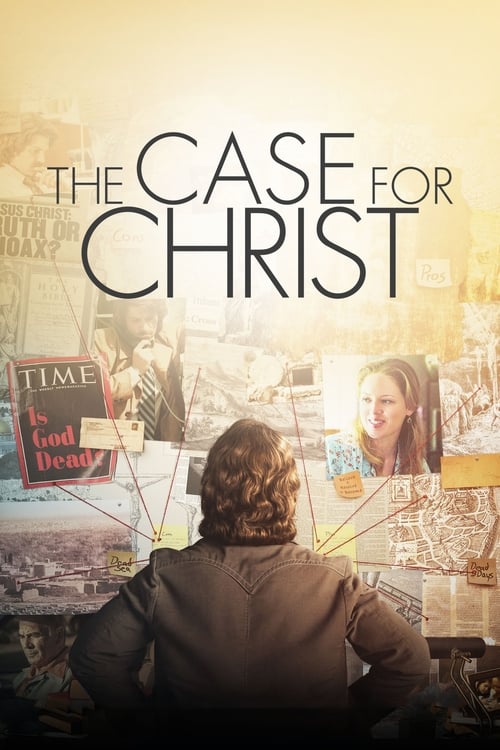
If you love Redeeming Love: Gold Rush California and frontier America
Period stories set in the same rough-hewn 1850s American West
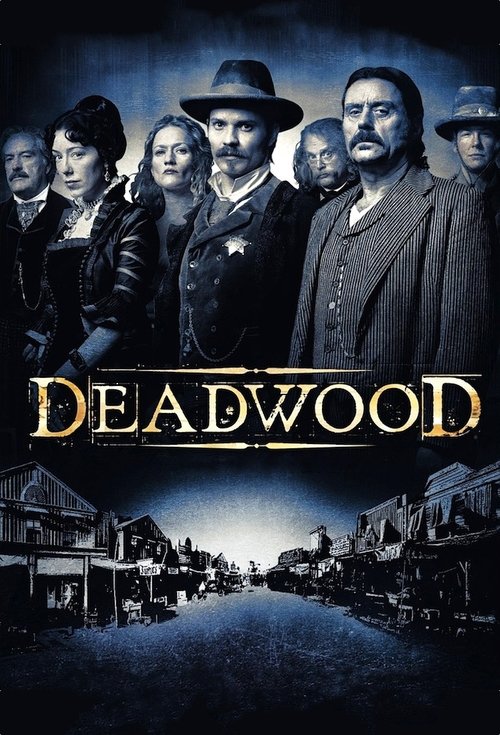

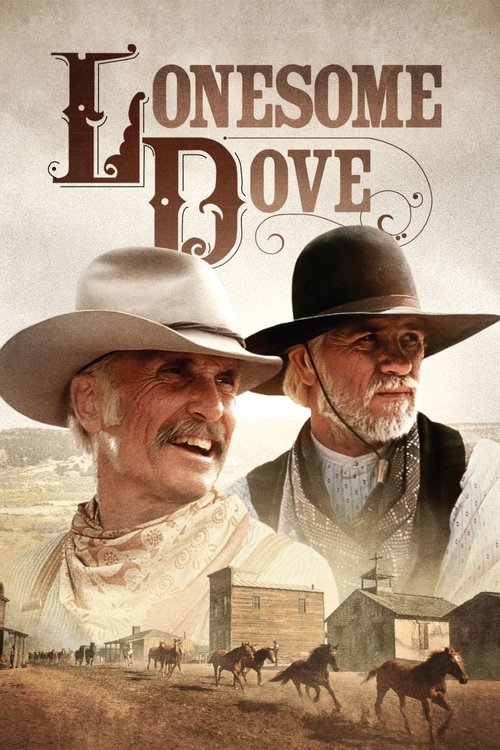



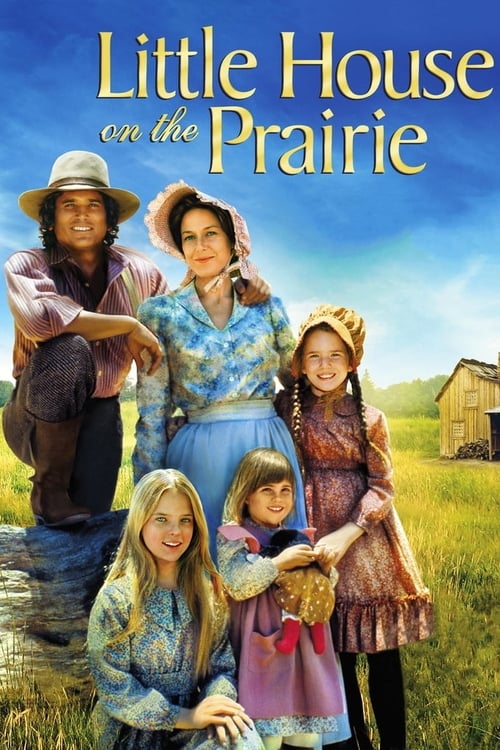

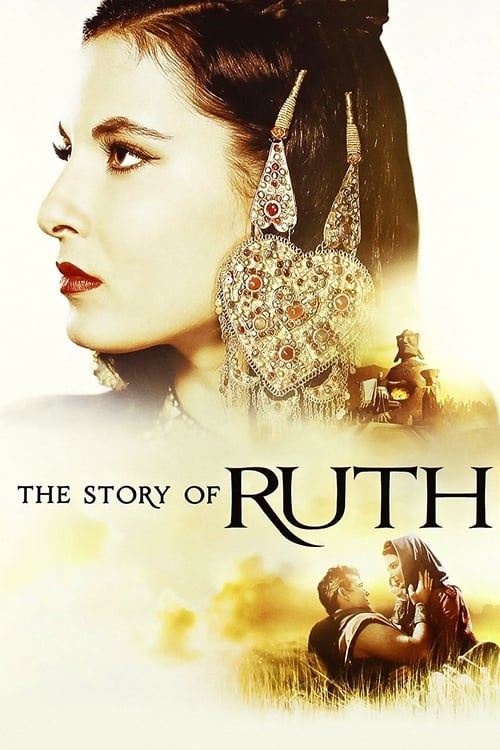
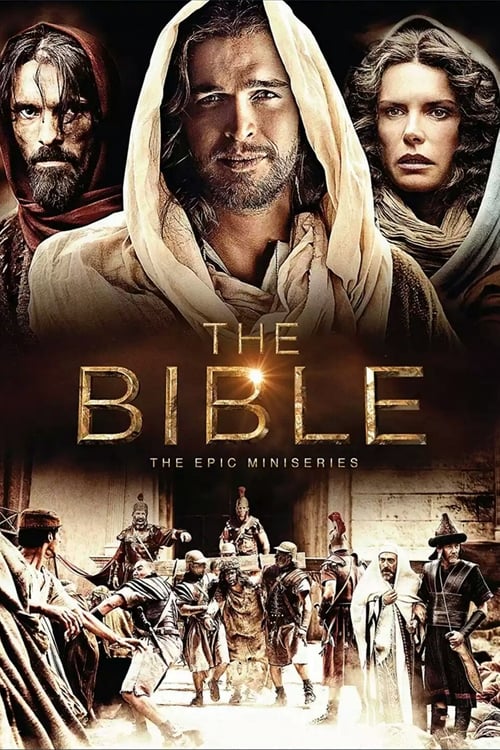
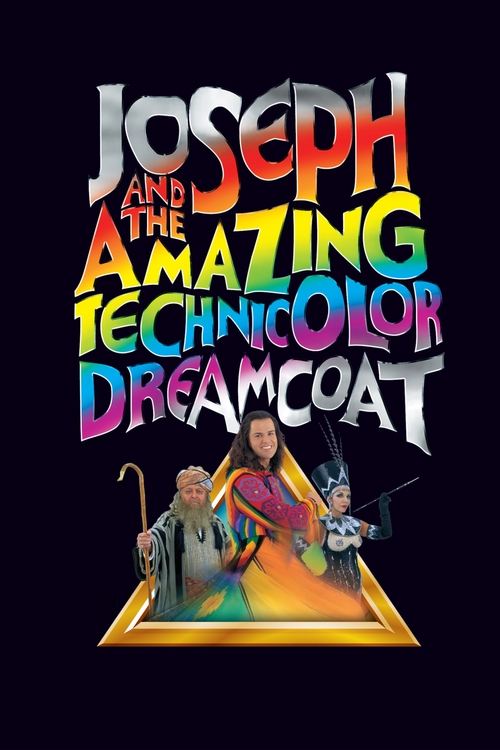
If you love Redeeming Love: Old Testament love and faithfulness retold
Films and series drawing on Biblical stories of devotion, redemption, and unlikely grace


The 2022 film is better than its reviews suggest
The film landed with a modest 29 percent on Rotten Tomatoes but found a substantial audience among fans of the novel. Abigail Cowen brings genuine fragility to Angel, and the period production design is more careful than typical faith-film fare. Its real problem is compression: a story built on repetitive cycles of rejection and return loses most of its force when condensed to two hours. Worth watching if you know the source, but treat it as a companion piece rather than a replacement.
The one to skip: the 1991 first edition
The original 1991 Bantam Books edition is the version most people mean when they say they tried the book and it did not work for them. Rivers substantially revised the text for the 1997 Multnomah edition, softening some of the graphic content and reworking the pacing. If you bounced off an older copy, the revised edition is meaningfully different. Start there.