
Tool's Undertow (1994) arrived fully formed, like something dredged from a very deep place. Where grunge was wringing emotion from three chords, Tool were constructing something more architectural: odd time signatures locked into grooves that feel almost ritualistic, Maynard James Keenan's vocals cycling between a whisper and a howl, Adam Jones's guitar tone a kind of controlled sludge. The album sounds like a mind working through trauma in real time. The through-line a fan chases is not aggression for its own sake but weight with intention, heaviness that asks something of you. Everything collected here, across six media, shares that quality: it earns its darkness.
Essential Tool
The full arc, from the debut's raw catharsis to the decade-spanning geometry of later work.
The Same Weight: Essential Albums in the Orbit
Records that share Undertow's combination of sludge, intention, and psychological unease.
Undertow Is the Most Psychologically Honest Heavy Record of the 1990s
The album does not perform darkness; it documents it. Tracks like 'Prison Sex' and 'Bottom' address abuse, shame, and the cycle of pain with a clinical specificity that most rock music avoids entirely. Paired with Paul D'Amour's locked, hypnotic bass, the effect is less catharsis than confrontation. No other album of the era went this far into that territory with this much craft and no concession to palatability.
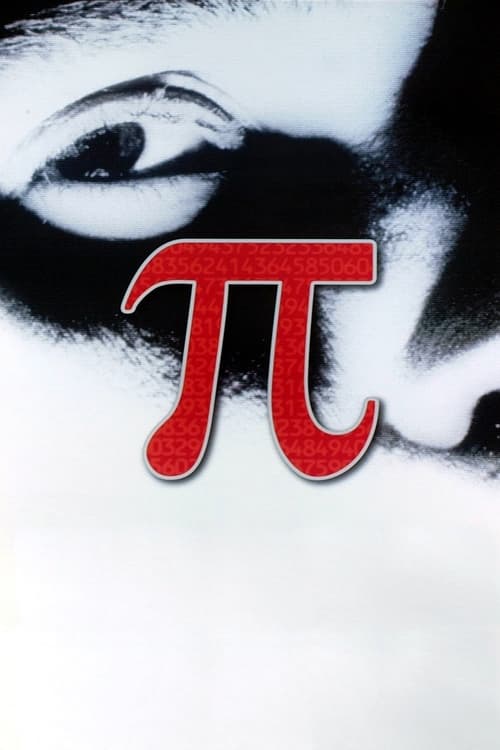
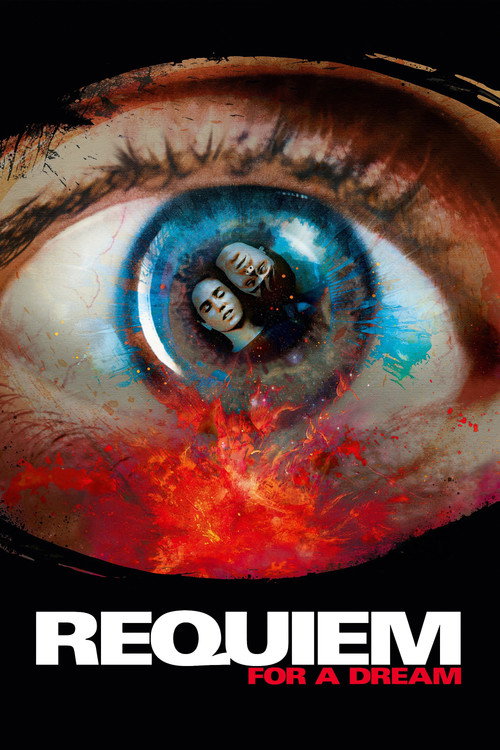
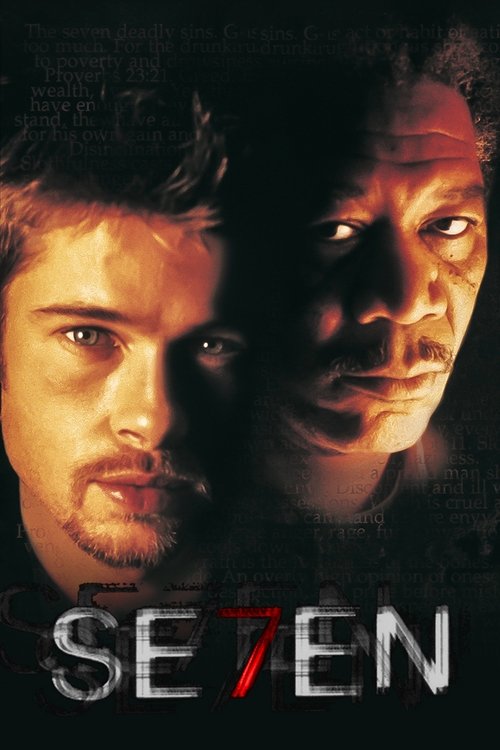
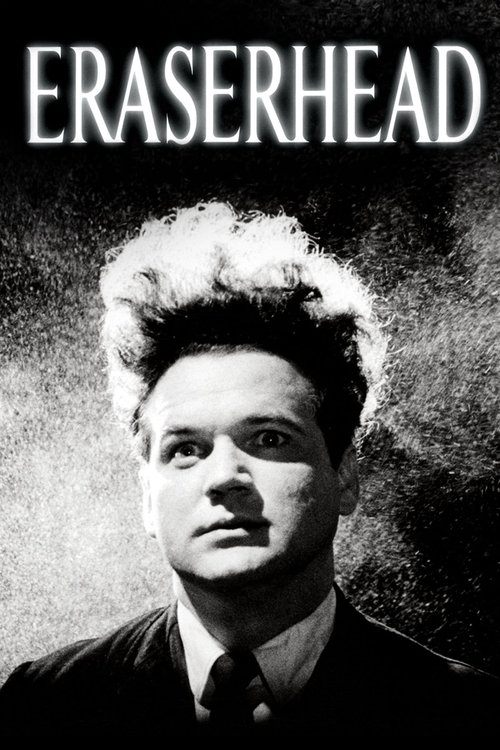
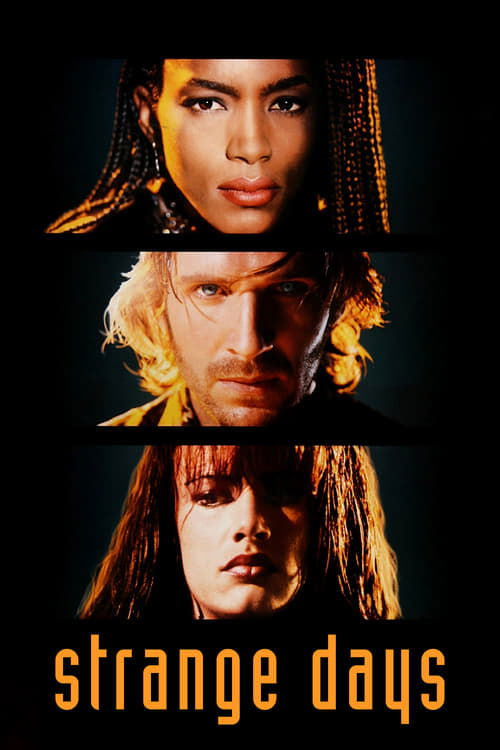
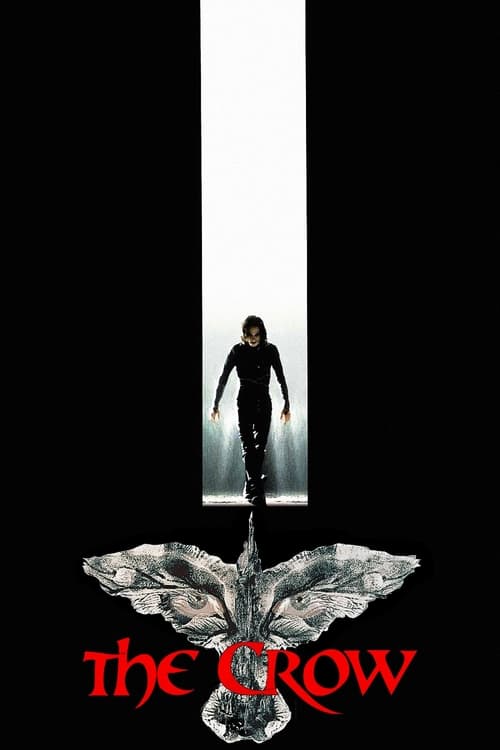
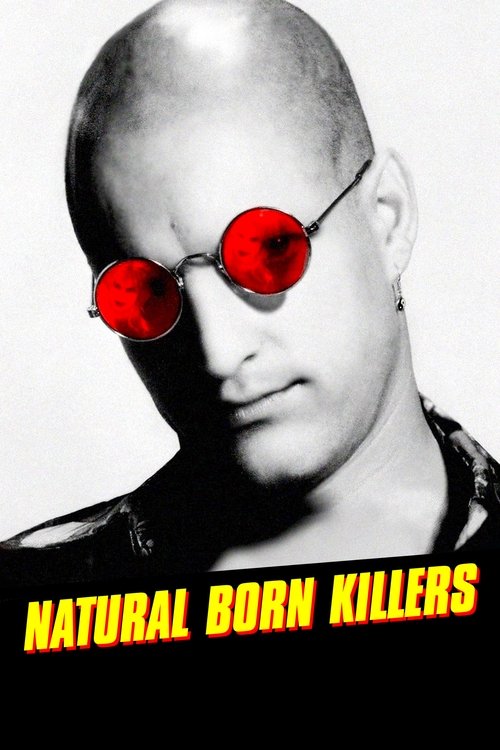
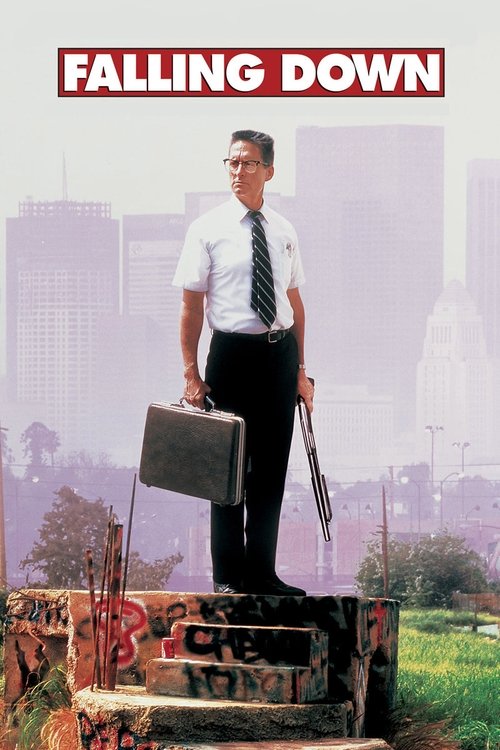
Films with the Same Psychological Gravity
Cinema that operates in the same register as Undertow: slow, heavy, deeply interior.


TV That Earns Its Darkness
Series with real formal ambition and the refusal to make things comfortable.
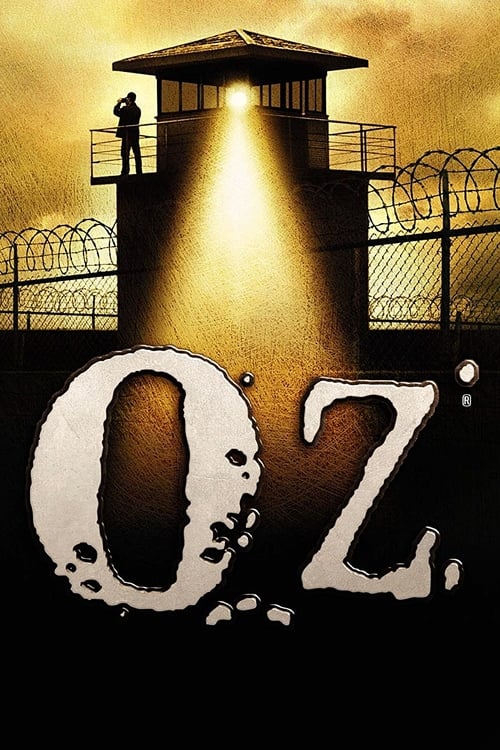
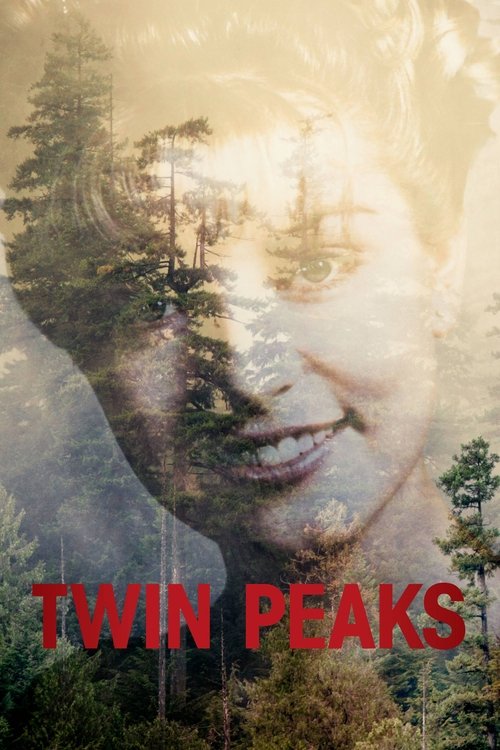
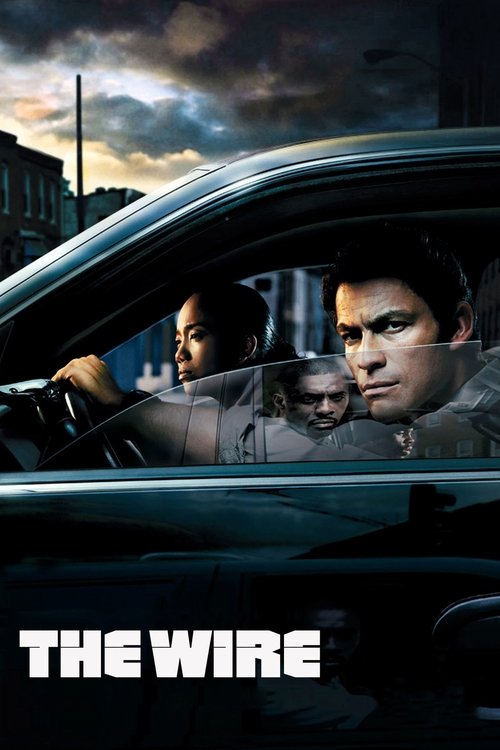
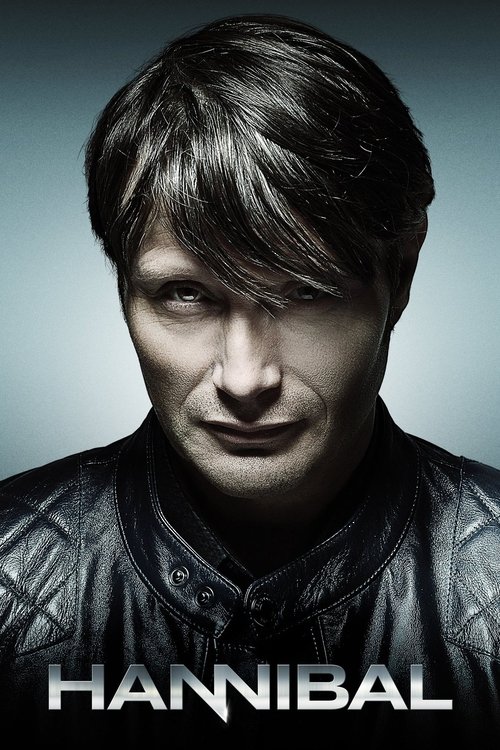
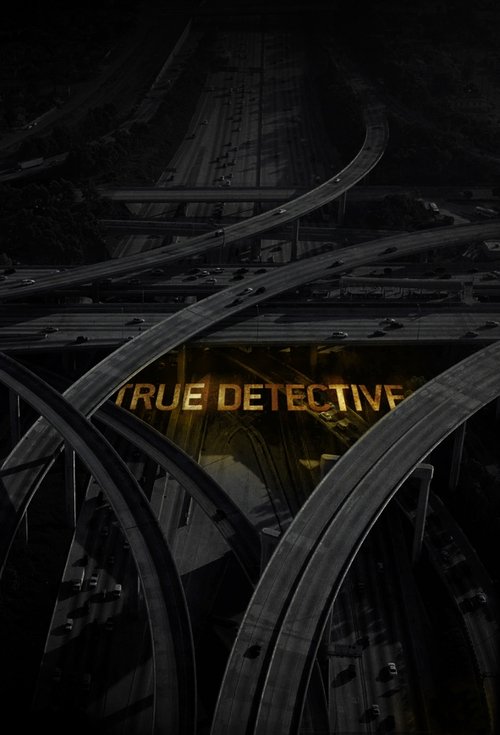
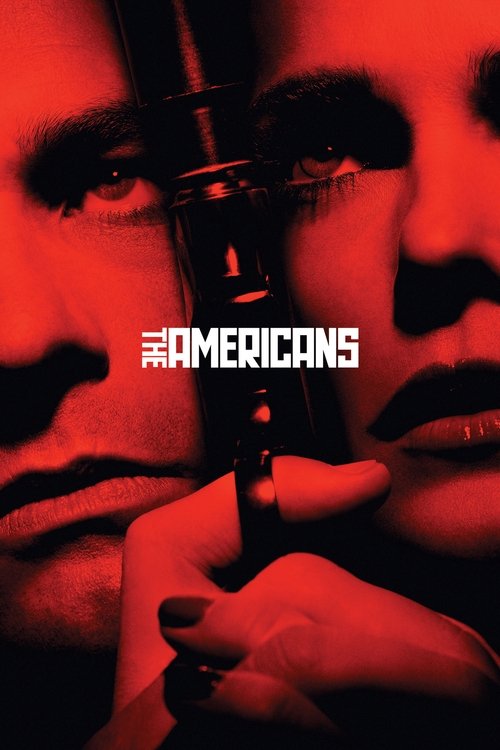
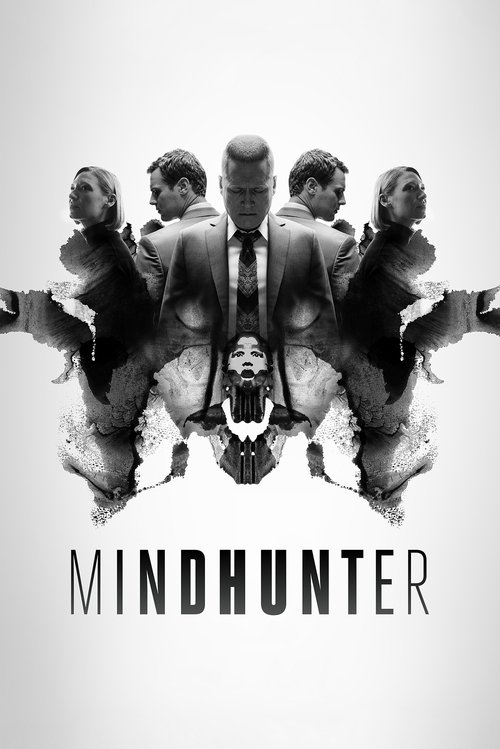
Prying open my third eye.Maynard James Keenan, 'Third Eye', Aenima (1996)
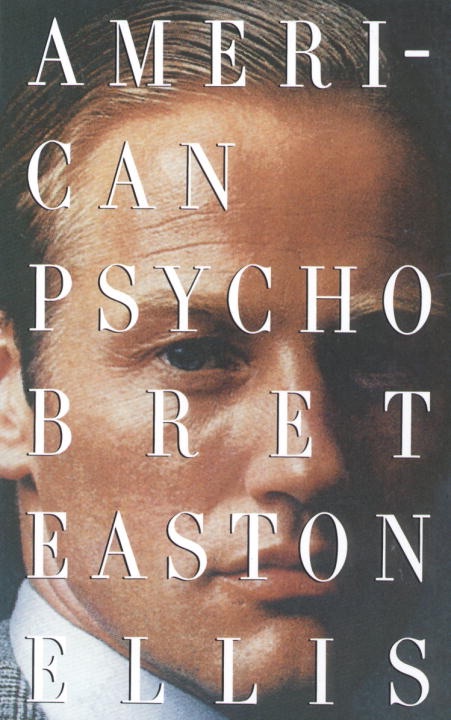
Books for the Undertow State of Mind
Novels and essay collections that share the album's fixation on trauma, consciousness, and the body under pressure.




The Adam Jones Guitar Tone Is One of the Great Sounds in Rock
It is not technically the most complex tone in heavy music, but it is one of the most distinctive: a mid-scooped, almost gelatinous crunch that fills space without ever becoming shrill. On 'Sober' and 'Intolerance' it functions less like a traditional lead instrument and more like a second rhythm section. No one else has quite replicated it, including Tool themselves on later records.
Tool: Key Moments, 1990 to 2019
- 1990Tool forms in Los Angeles, brought together by Adam Jones, Danny Carey, and Paul D'Amour before Keenan completes the lineup.
- 1992Debut EP released.
- 1993Recording of Undertow at Sound City in Los Angeles with producer Sylvia Massy.
- 1994Undertow released on Zoo Entertainment. Undertow
- 1995'Sober' wins MTV Video Music Award for Best Metal/Hard Rock Video.
- 1996Aenima released, expanding the sonic palette and cementing Tool's reputation.
- 1998Maynard co-founds A Perfect Circle, demonstrating the range beyond Tool's framework.
- 2001Lateralus released, widely considered the apex of progressive metal ambition. Lateralus
- 200610,000 Days released, featuring 'Vicarious' and the suite 'Wings for Marie'. 10,000 Days
- 2019Fear Inoculum released after a 13-year gap, the 10-minute title track arriving as streaming dominated. Fear Inoculum
Danny Carey Is the Most Underrated Drummer in Rock History
The conversation around Tool almost always focuses on Keenan's voice or the album's lyrical darkness, but Carey is the engine the whole thing runs on. His polyrhythmic vocabulary, drawn from jazz, prog, and West African percussion, is what separates the band from every peer who chased the same sound and failed. On 'Eulogy' and 'Forty Six and Two' he is playing something closer to compositional architecture than rock drumming.
The 1990s Alt-Metal Moment Has Never Been Properly Reassessed
Critical history has largely written the era off as a bridge between grunge's collapse and nu-metal's rise. That framing misses bands like Tool, Failure, and Helmet who were doing genuinely sophisticated work in the same window. Undertow is the clearest argument that something intellectually serious was happening in heavy American rock during those years, and it deserves the kind of retrospective attention that gets lavished on the shoegaze and post-rock scenes of the same period.