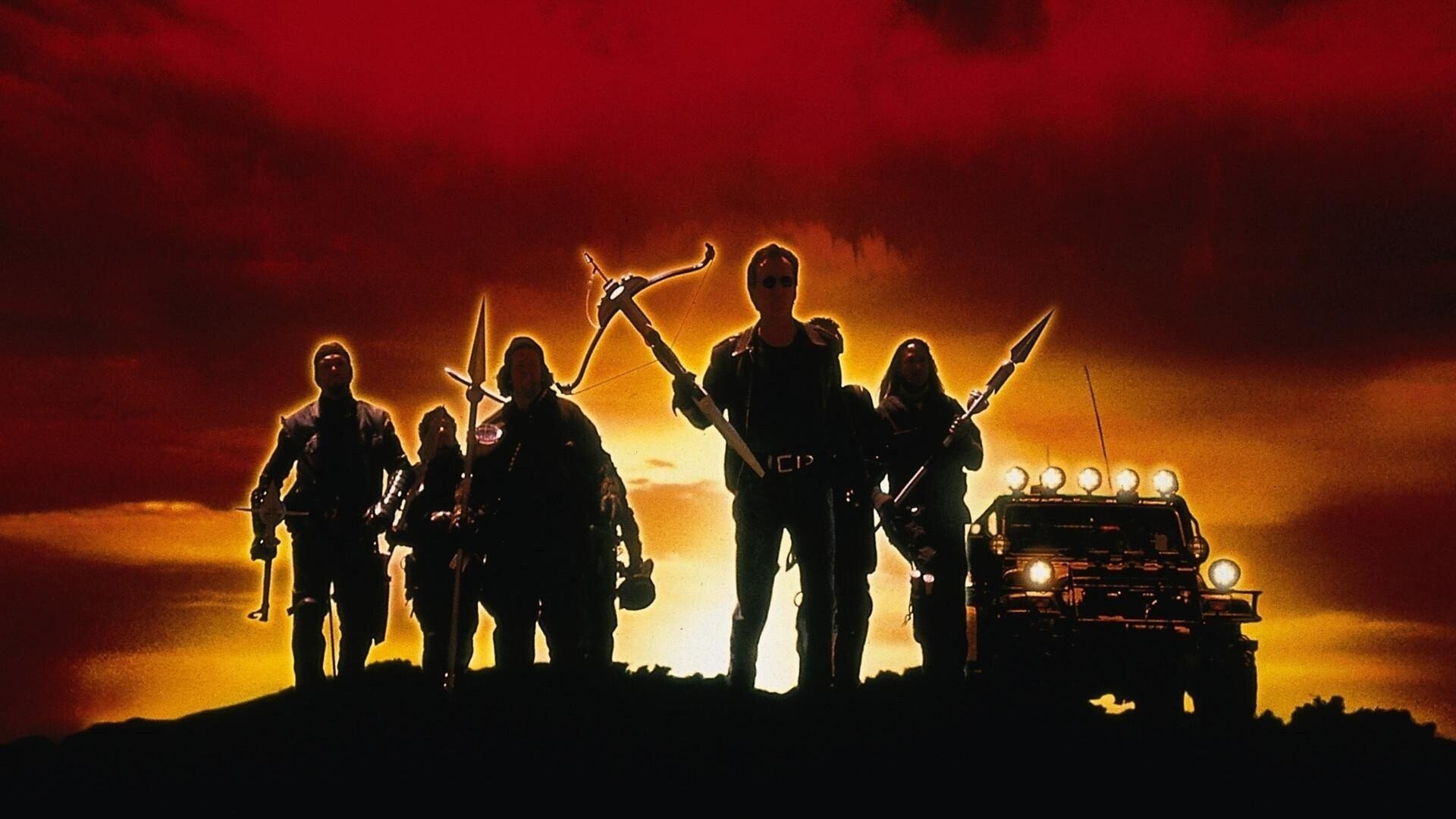

Vampire fiction is not really about monsters. It is about desire and dread occupying the same body, about the cost of living forever, about the thin line between predator and protector. Whether the vampire is a Transylvanian count terrorizing Victorian England, a melancholy loner trying to pass as human in a modern city, or a virus that strips away everything sentimental, the genre delivers a specific charge: dread coiled inside attraction. The best vampire stories refuse to resolve that tension. They let both things be true at once.
Essential Vampire Cinema
The definitive films every fan should know





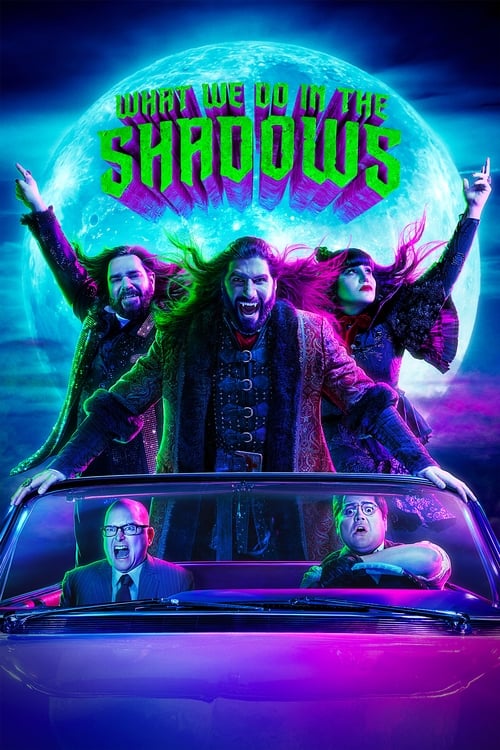
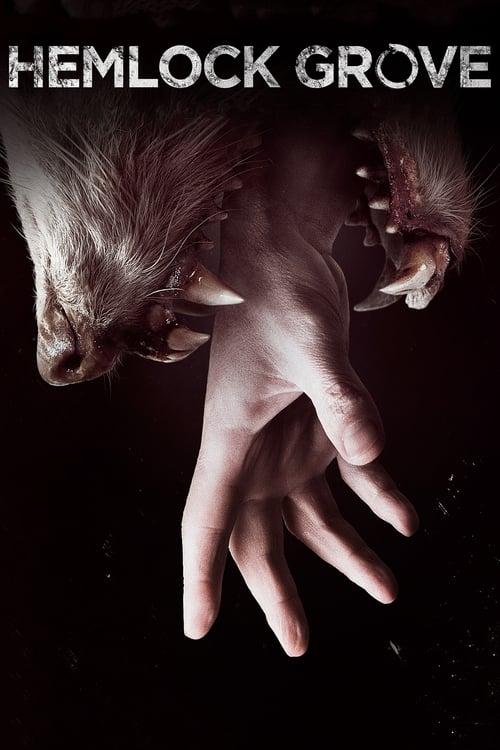
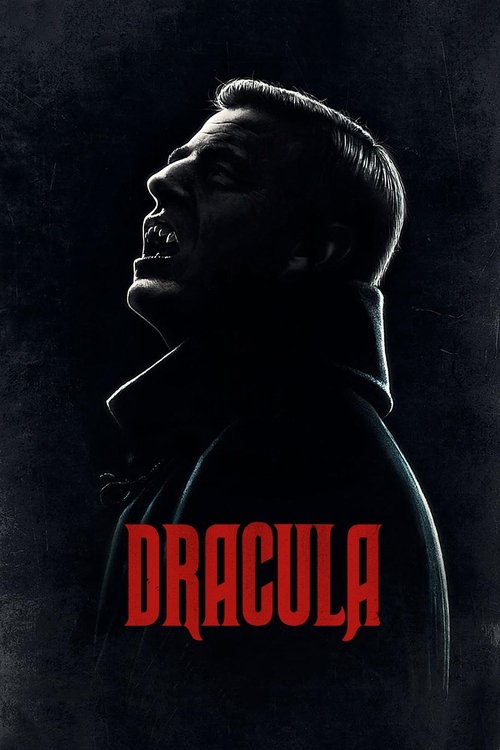
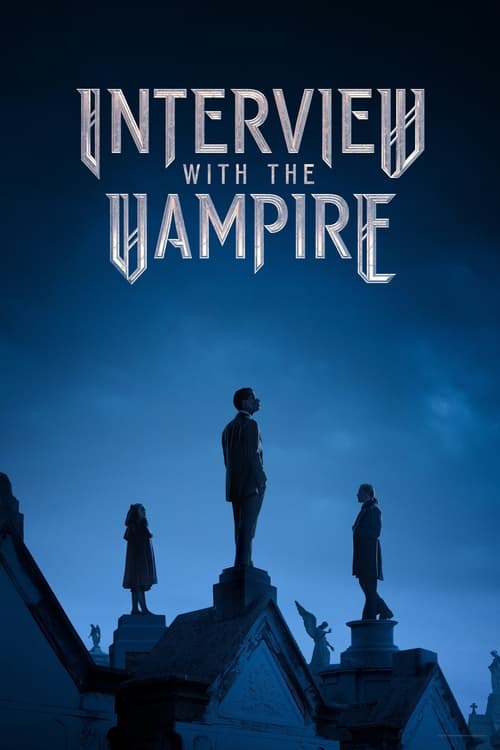
The Vampire on Television
Series that made the eternal undead feel contemporary

The Source Material: Vampire Fiction Worth Reading
Novels and books that defined the mythology


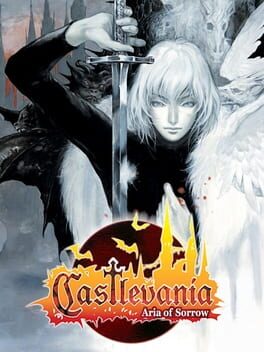
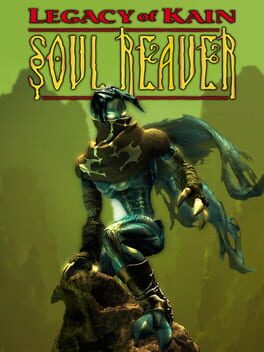
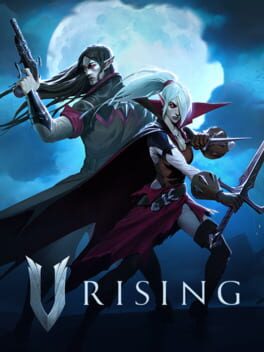
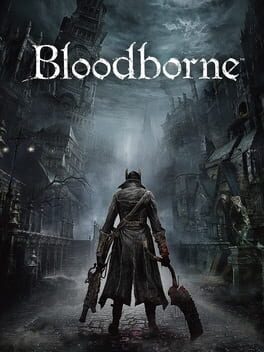
Vampire Games: Hunt, Survive, Rule the Night
Games that put you on both sides of the fangs
The Best Vampire Stories Are About Loneliness
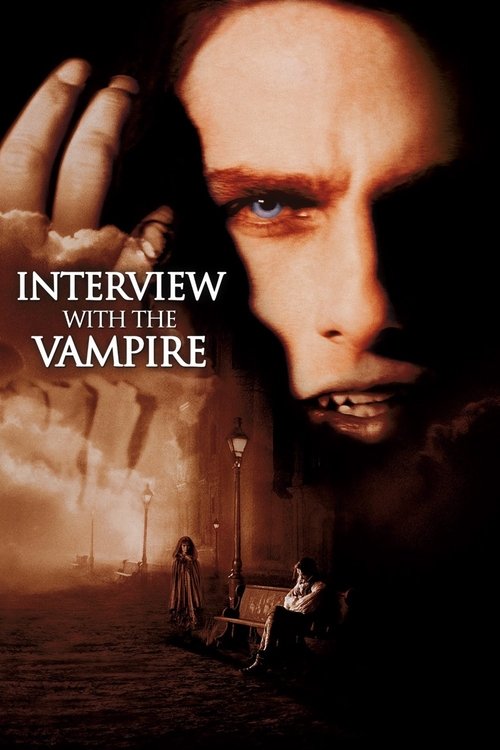
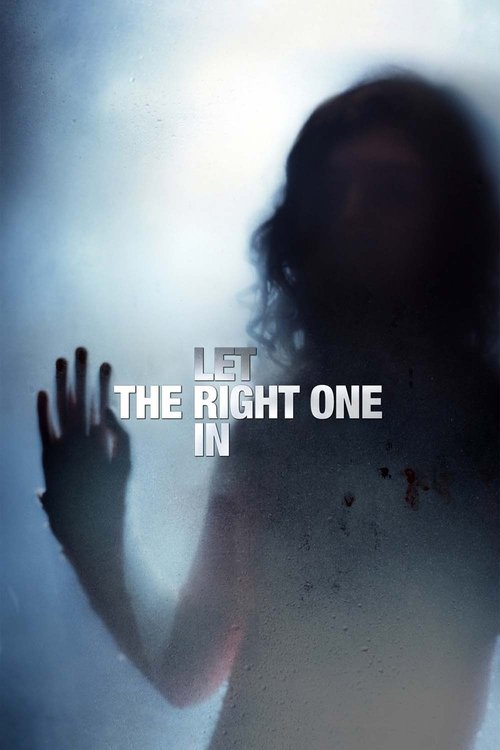
Strip away the fangs and the blood and what most great vampire fiction is actually examining is the unbearable weight of outliving everything you love. 'Interview with the Vampire' spelled it out explicitly. 'Only Lovers Left Alive' wrapped it in irony. 'Let the Right One In' found it in a child's face across a snowy courtyard. The monster's immortality is not a gift. It is a sentence, and the most affecting vampire stories never let you forget that.
Gothic Horror Is the Vampire's Natural Habitat
Bram Stoker set the template and it has never really been improved upon: the vampire belongs in the decaying mansion, the fog-choked harbour, the crumbling Transylvanian fortress. 'Bram Stoker's Dracula' understood this as pure visual excess and committed fully. Gothic horror brings a specific gravity to vampire stories that urban or suburban settings rarely match. When a film or game reaches for the castle and the carriage and the candlelight, it is not nostalgia. It is acknowledging where the dread lives.
When the Vampire Goes Urban, Something Interesting Happens
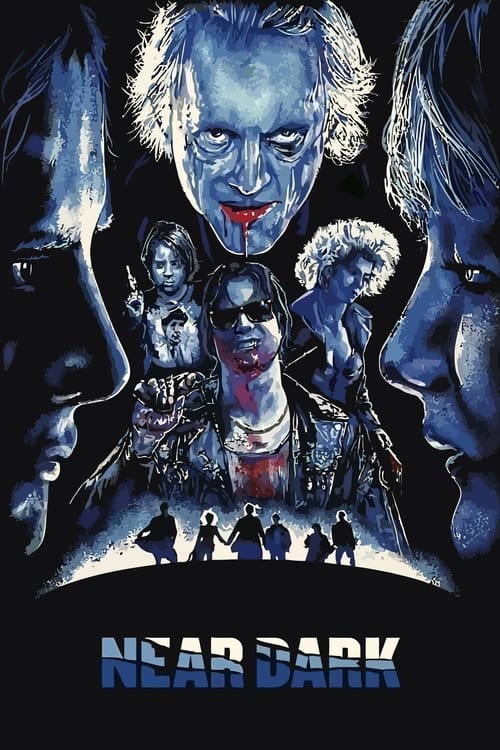
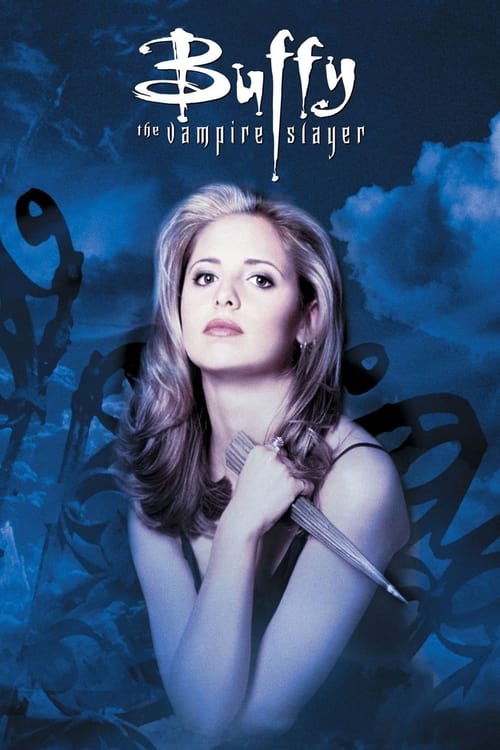
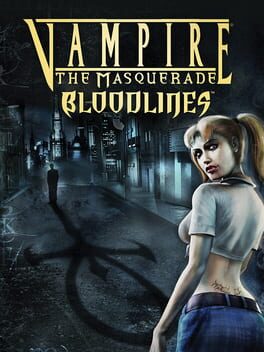
Moving the vampire into a contemporary city forces a renegotiation of every rule. 'Near Dark' turned them into dusty American road-movie drifters. 'Vampire: The Masquerade' gave them politics and bureaucracy. 'Buffy the Vampire Slayer' put them in a suburb and made the metaphor literal: high school is genuinely monstrous. The urban vampire loses the gothic grandeur but gains something stranger, the predator hiding in plain sight, adapting to survive modernity without being able to fully enter it.
The Cold Vampire: When Sentiment Gets Stripped Out
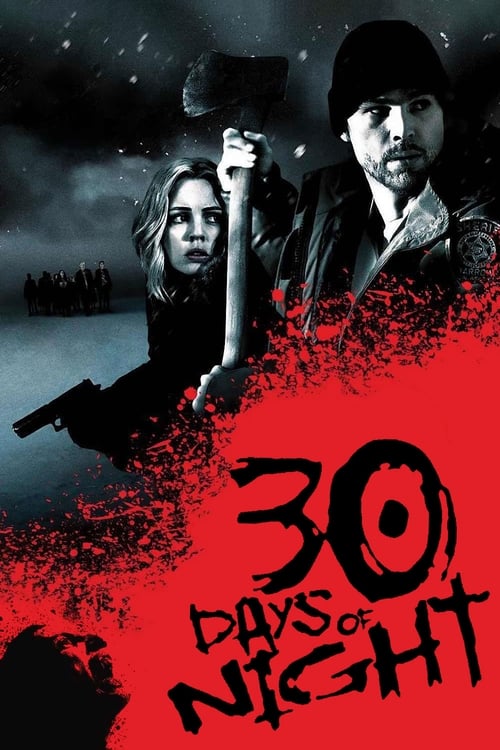
A countercurrent runs through vampire fiction that refuses any romanticism at all. 'I Am Legend' made the vampire a disease and the last man alive its prey. 'The Strain' leaned into biological horror with methodical patience. '30 Days of Night' treated them as pure feral predators with no psychology to negotiate. These stories strip away the melancholy and the beauty and ask a simpler question: what if something genuinely wanted to kill you, had every advantage, and felt nothing about it? The answer is still compelling.
The Vampire Canon: Key Moments
- 1819John Polidori publishes 'The Vampyre', the first vampire story in English prose fiction The Vampyre
- 1872Joseph Sheridan Le Fanu's 'Carmilla' introduces the female vampire and the predatory intimacy that will define the genre Carmilla
- 1897Bram Stoker's 'Dracula' sets the template that all future vampire fiction responds to Dracula
- 1922F.W. Murnau's 'Nosferatu' translates Dracula to cinema as something genuinely pestilent and strange Nosferatu
- 1976Anne Rice's 'Interview with the Vampire' shifts the genre toward interiority and the vampire's own perspective
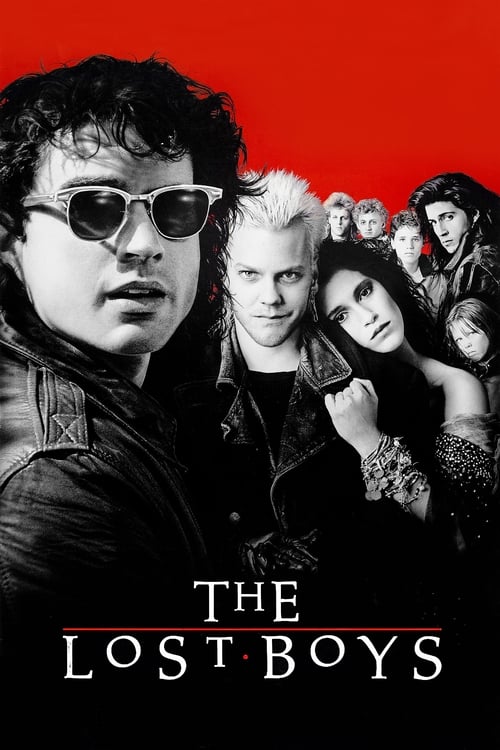
- 1987'The Lost Boys' makes the vampire movie a teen genre staple The Lost Boys
- 1992Coppola's 'Bram Stoker's Dracula' brings full Gothic operatic excess to the source material Bram Stoker's Dracula
- 1997'Buffy the Vampire Slayer' reinvents vampire mythology for television with wit, consequence, and genuine stakes Buffy the Vampire Slayer
- 1999'Vampire: The Masquerade - Bloodlines' arrives years later but stands as the defining vampire RPG, giving the undead a fully realized urban society Vampire: The Masquerade - Bloodlines
- 2004John Ajvide Lindqvist's 'Let the Right One In' reframes vampire fiction as a tender, brutal coming-of-age story Let the right one in
- 2008Tomas Alfredson's film of 'Let the Right One In' becomes one of the most acclaimed horror films of the century Let the Right One In
- 2013Jim Jarmusch's 'Only Lovers Left Alive' reimagines the vampire as melancholy bohemian intellectual, centuries-old and exhausted by modernity Only Lovers Left Alive
More bloodsuckers and gothic dread
Vampires
Explore the Vampires guide →The strength of the vampire is that people will not believe in him.Bram Stoker, Dracula (1897)