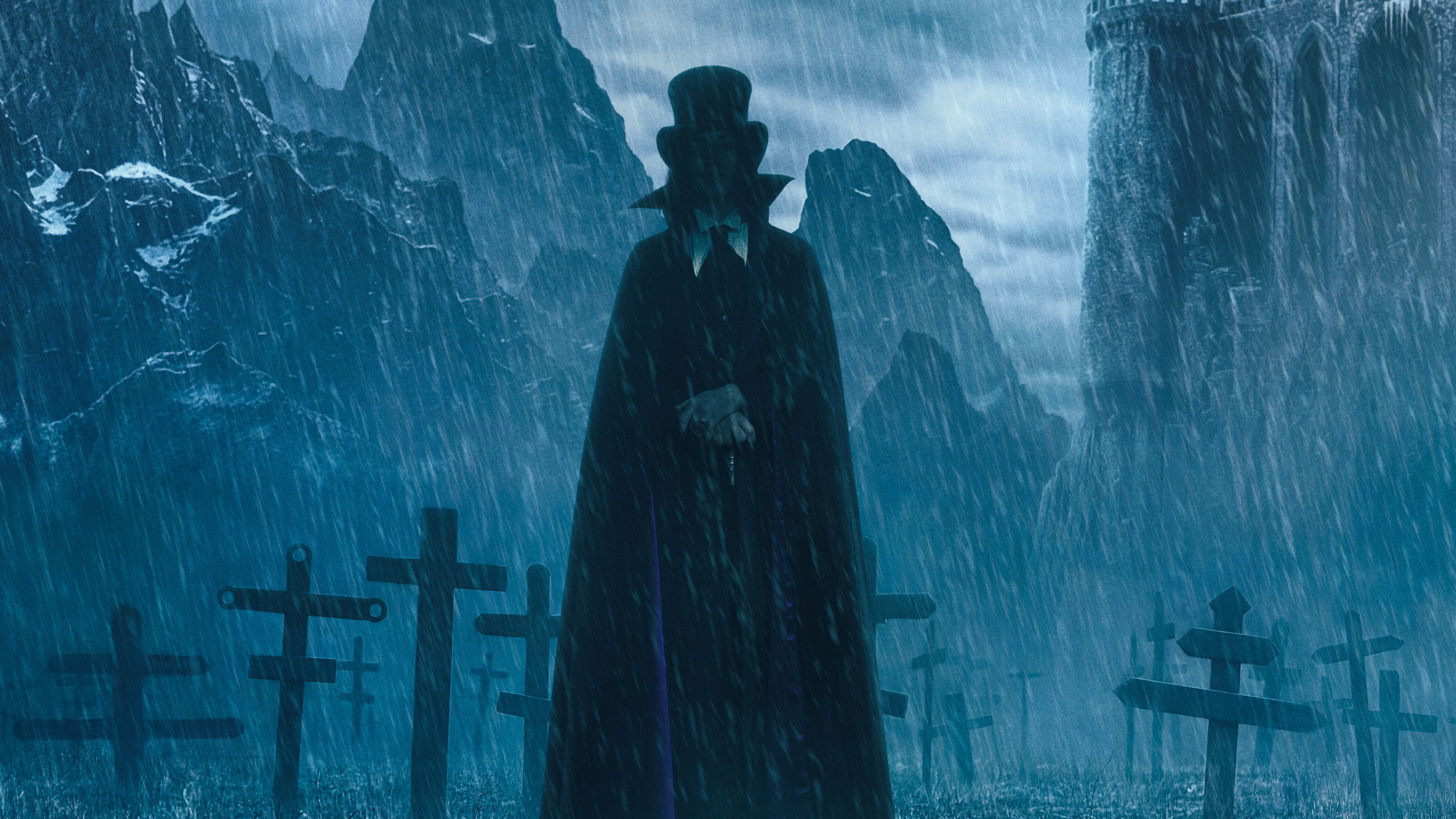

Bram Stoker spent seven years researching folklore, vampire myths, and the geography of Transylvania before writing Dracula (1897), the epistolary novel that fused Victorian anxieties about sexuality, disease, and foreign invasion into a single immortal monster. The Count endures not as a simple horror villain but as a figure of terrible charisma: refined, ancient, utterly alien to the sunlit world of progress. Stoker's genius was structural as much as atmospheric: letters, diary entries, newspaper clippings, and phonograph cylinders assemble the horror piece by piece, letting dread build before any fang is bared. That same quality -- the slow accumulation of wrongness, the horror that hides inside respectable forms -- defines everything his readers love across every medium.
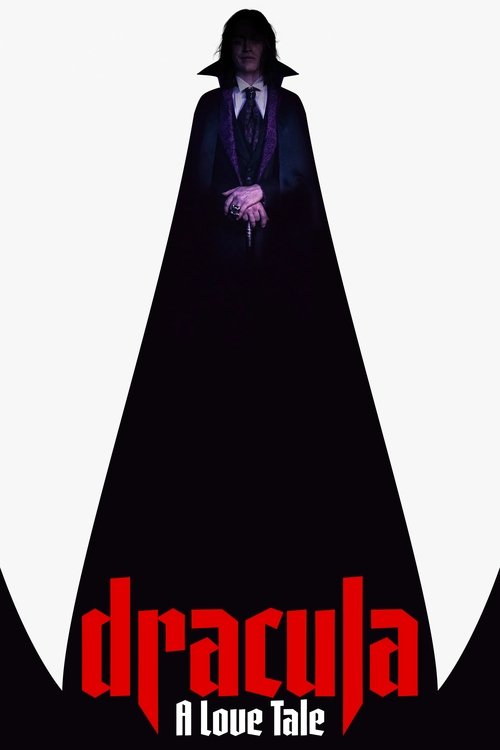
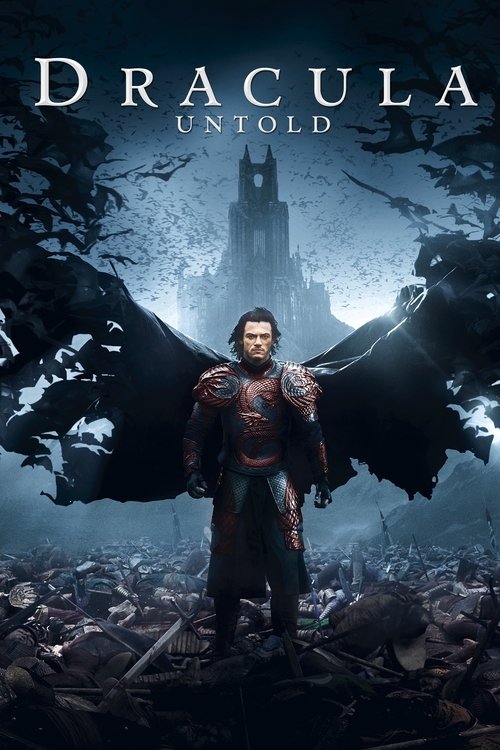
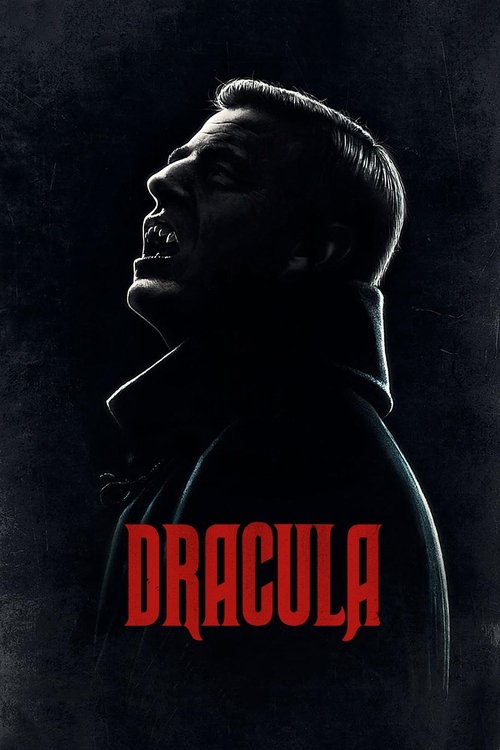
Dracula on Screen: The Definitive Adaptations
Every era reimagines the Count -- these are the versions that matter


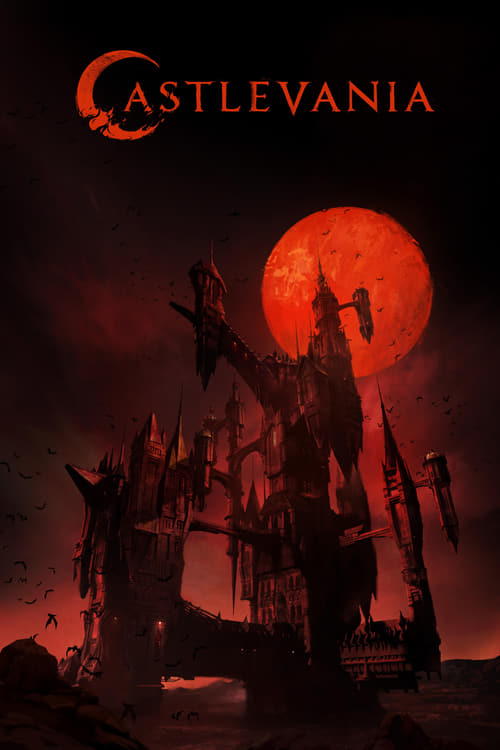
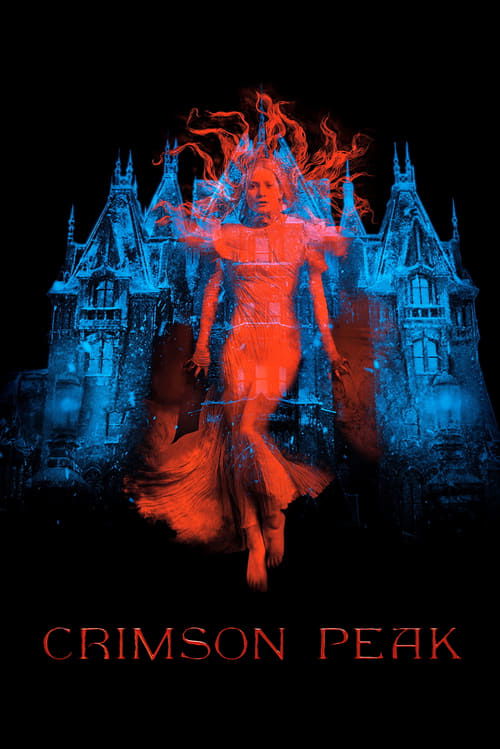
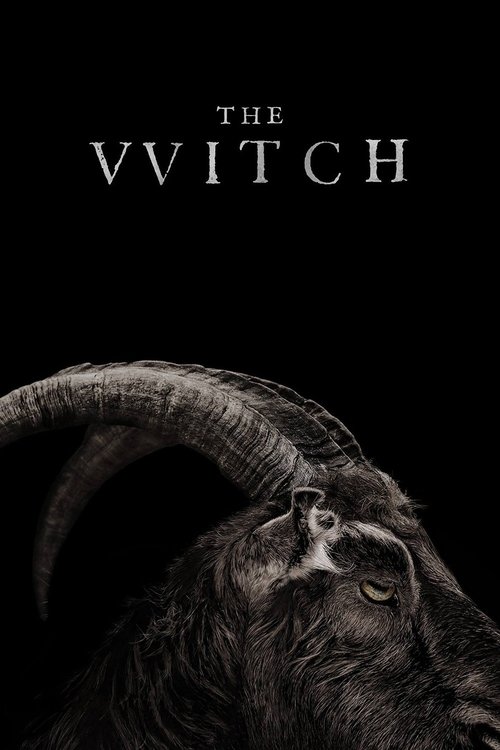
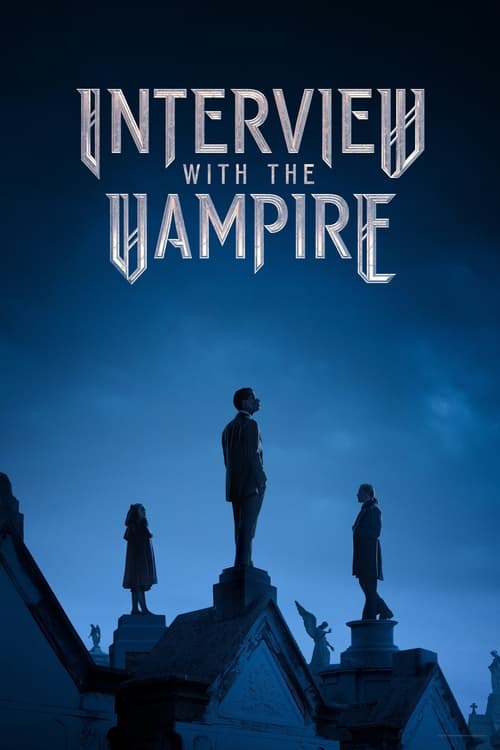
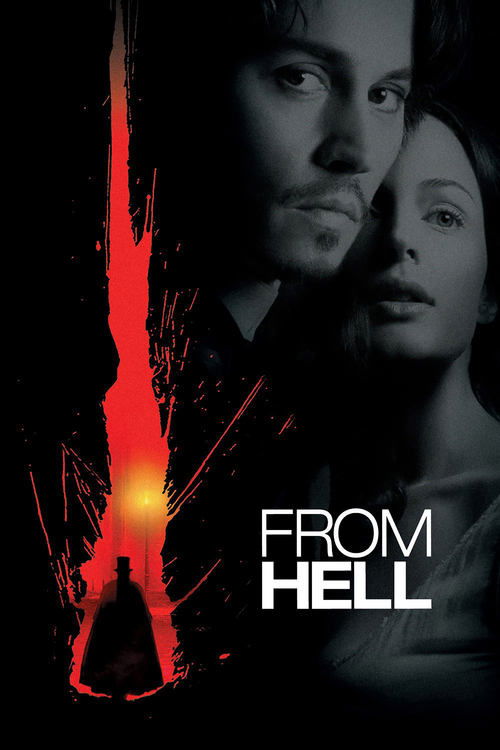
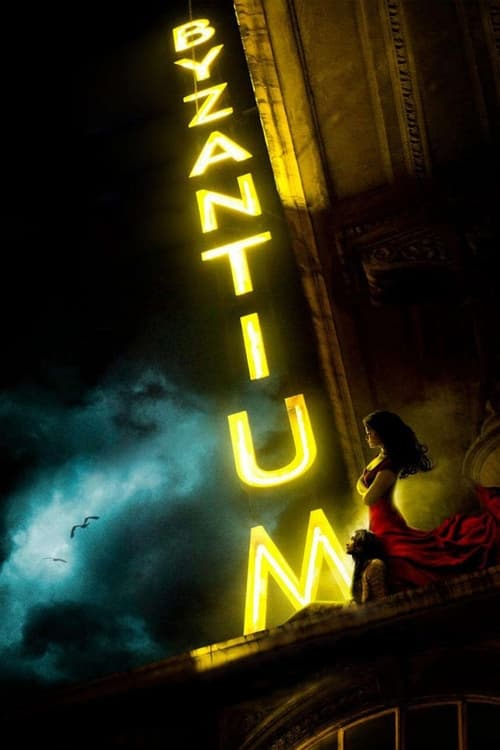
If You Love Dracula: Gothic Horror on Film and TV
Atmosphere, dread, and monsters with weight -- the films and series that share Stoker's DNA



The Gothic Shelf: Authors Who Share Stoker's Dark Imagination
Victorian and later writers working the same vein of dread, atmosphere, and the uncanny


![The picture of Dorian Gray [adaptation]](https://covers.openlibrary.org/b/id/14314474-L.jpg)


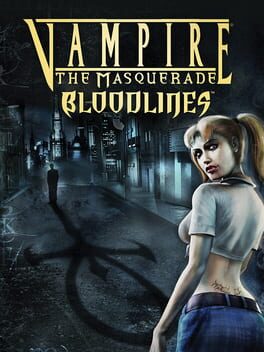
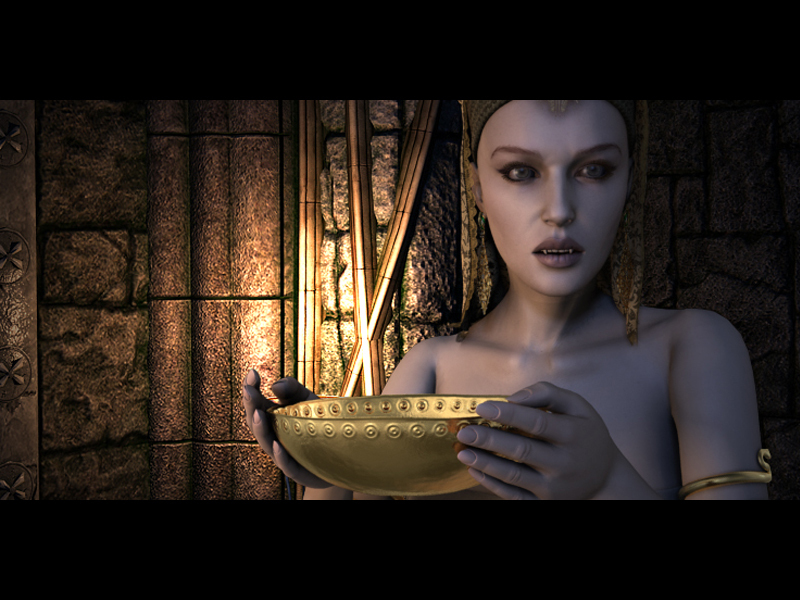
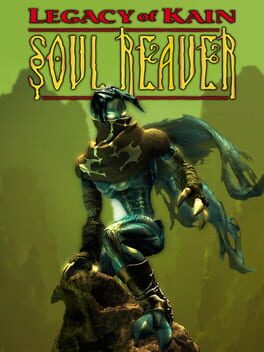
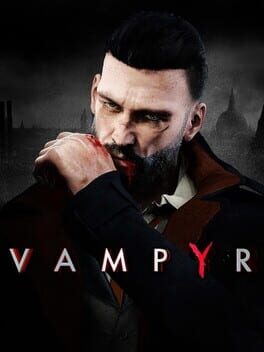
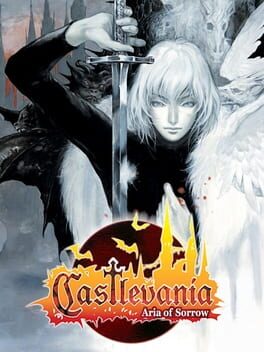
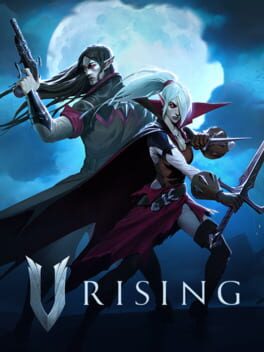
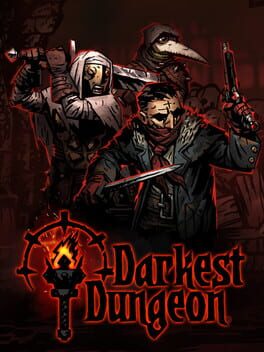
Vampire Games: Gothic Horror You Can Play
From Transylvanian castles to urban masquerades, games that tap the same darkness
The Epistolary Trick Is What Makes Dracula Terrifying
Dracula has no single narrator. The horror arrives in fragments: Jonathan Harker's travel diary, Mina Murray's letters, Dr. Seward's phonograph recordings, newspaper clippings. No one character sees the whole picture, which means the reader assembles the monster before any of the protagonists fully understands what they are facing. That structural anxiety -- the sense that the truth is distributed, incomplete, always one step ahead -- is what gives the novel its grip long after every vampire trope it invented has been worn smooth by imitation. The form is the fear.

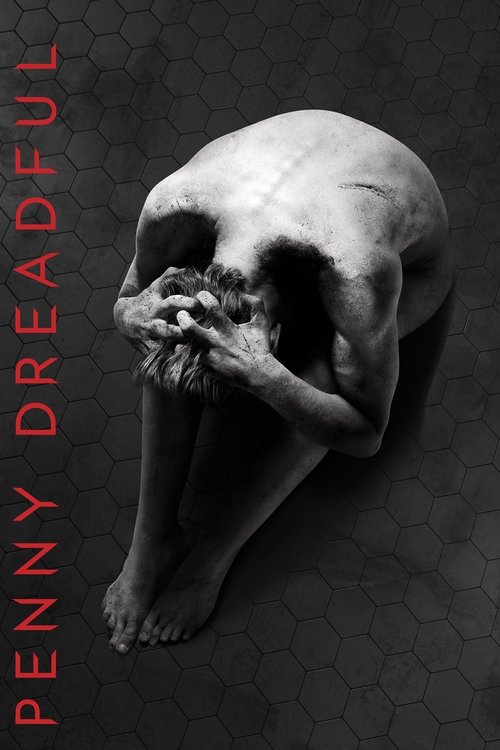
Penny Dreadful Is the Bram Stoker Extended Universe We Deserved
Showtime's Penny Dreadful (2014-2016) does something the official Dracula adaptations rarely manage: it treats Victorian Gothic literature as a shared world rather than competing franchises. Dorian Gray, Frankenstein's monster, Vanessa Ives (a Mina Harker surrogate), and Dracula-adjacent vampires all inhabit the same gaslit London. The show understands that Stoker, Shelley, Wilde, and Stevenson were all circling the same anxieties -- about bodies, about the hidden self, about what civilization suppresses. It is the closest screen equivalent to reading the whole gothic canon at once.
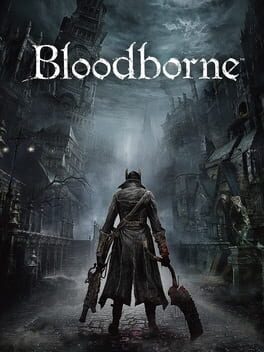
Bloodborne Is Gothic Horror Played as a Nightmare You Cannot Wake From
Bloodborne (2015) is the purest translation of the Victorian Gothic novel's atmosphere into interactive form. Yharnam is built from the same anxieties Stoker worked: a city that once reached too far into forbidden knowledge, now paying for it in body horror and madness. The game's epistolary structure -- clues assembled from item descriptions, environmental details, and NPC fragments -- mirrors exactly how Dracula delivers its horror: never directly, always obliquely, leaving the player to construct the full picture from partial evidence. Stoker fans who have not played it are missing the most faithful adaptation of his method, and it does not even feature a vampire.
Dracula Through the Decades
- 1819John Polidori publishes The Vampyre, the first modern vampire story, giving the Count his aristocratic template The Vampyre
- 1872Sheridan Le Fanu's Carmilla introduces the female vampire and the lesbian subtext Stoker would sublimate into Dracula Carmilla
- 1897Bram Stoker publishes Dracula, assembling every prior vampire myth into an enduring archetype Dracula
- 1922Nosferatu, the first (unauthorized) film adaptation, turns the Count into a plague-rat grotesque instead of a seducer -- banned, most prints destroyed, it survives as cinema's founding horror text Nosferatu
- 1931Universal's Dracula with Bela Lugosi fixes the tuxedo-and-cape archetype in mass culture Dracula
- 1958Hammer's Horror of Dracula with Christopher Lee reintroduces sex and blood into a franchise Universal had sanitized
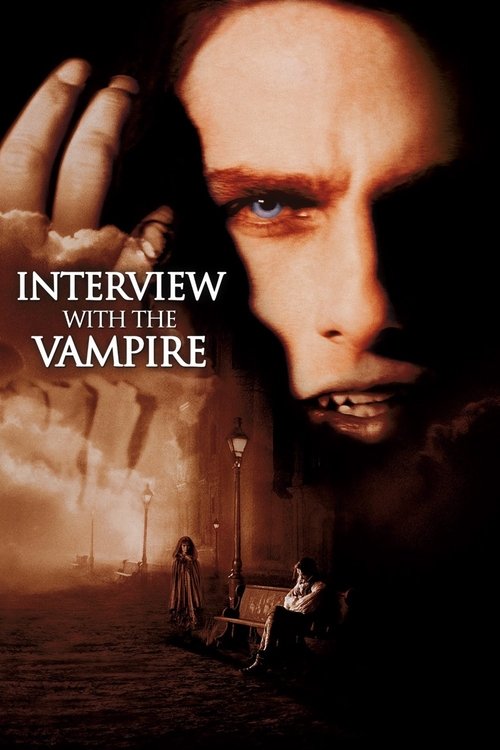
- 1976Interview with the Vampire by Anne Rice inverts the myth: the vampire as existential confessor, not predator
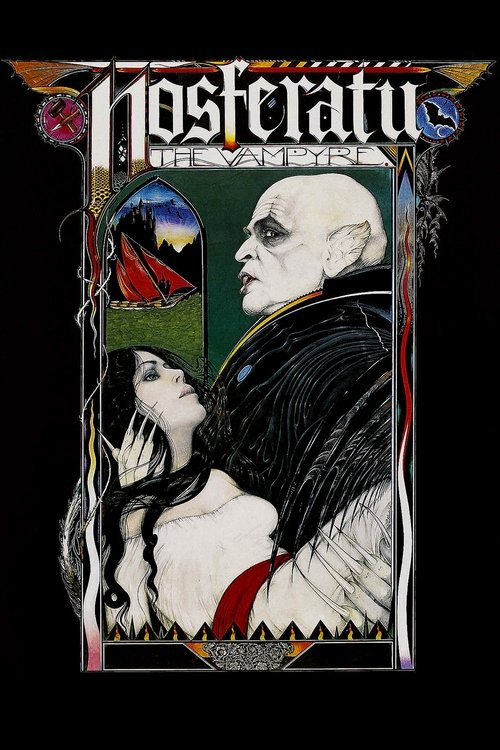
- 1979Werner Herzog's Nosferatu the Vampyre restores the original's plague metaphor for the post-Vietnam era Nosferatu the Vampyre
- 1992Francis Ford Coppola's Bram Stoker's Dracula is the most faithful and operatic screen treatment of the novel Bram Stoker's Dracula
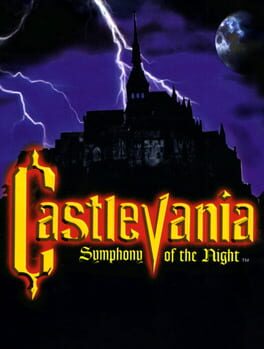
- 1997Castlevania: Symphony of the Night becomes the definitive Dracula video game, inventing a genre in the process Castlevania: Symphony of the Night
- 2006The Historian by Elizabeth Kostova revives the epistolary novel form Stoker pioneered, tracing Vlad Tepes through archive research The Historian
- 2014Penny Dreadful merges Dracula, Frankenstein, Dorian Gray, and Victorian dread into a single gaslit universe Penny Dreadful
- 2020BBC/Netflix Dracula by Moffat and Gatiss inverts the power dynamic: the Count as a monster fascinated by modernity Dracula
Vampires, gothic dread, and hauntings
Vampires
Explore the Vampires guide →The strength of the vampire is that people will not believe in him.Bram Stoker, Dracula (1897)