
The Architect of Spectacle
Vince McMahon did not invent professional wrestling, but he reinvented it so completely that the original is barely recognizable underneath. As the chairman of WWE, he bought his father's regional promotion in the 1980s and systematically dismantled the territorial system that had governed the business for decades, absorbing or outcompeting every rival until one company controlled the entire American market. What he built was not quite sport, not quite theater, but something uniquely American: a rotating mythology of heroes and villains playing out across arenas, pay-per-view events, and Saturday morning television, at a scale no one had imagined possible.
The texture of McMahon's world is maximalism. Bigger entrances, louder music, more pyrotechnics, longer shows, grander claims. WrestleMania became an annual cultural event. Storylines blurred the line between kayfabe and reality in ways that predated reality television by a decade. McMahon himself stepped in front of the camera as a villain, a bombastic authority figure who feuded with his own top star, Stone Cold Steve Austin, in a narrative that drove the Attitude Era's ratings to heights the company has never again matched.
For fans of McMahon's world, the appeal is the mythology: the larger-than-life characters, the soap opera plotting, the athleticism packaged as combat spectacle, the sense that anything can happen on any given night. This is a guide for people who love that energy and want to find it elsewhere.
Essential WWE Television
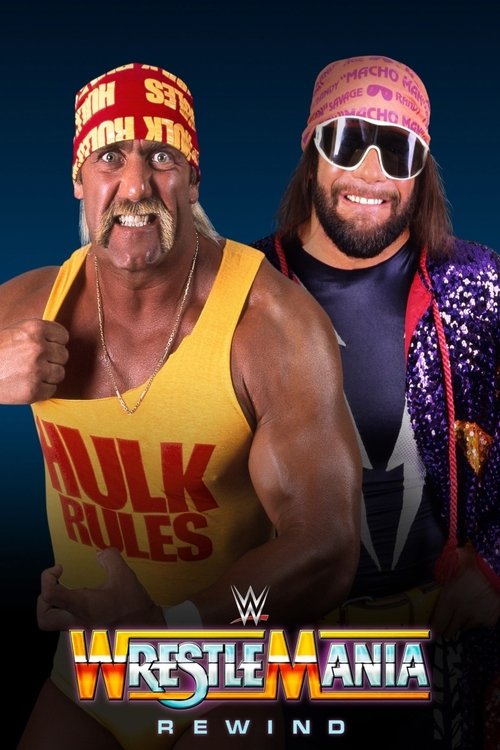
The canonical eras of McMahon's vision, from the Rock and Wrestling boom to the Attitude Era peak
When Sport Became Theater
Films and series that live in the blur between performance, competition, and myth




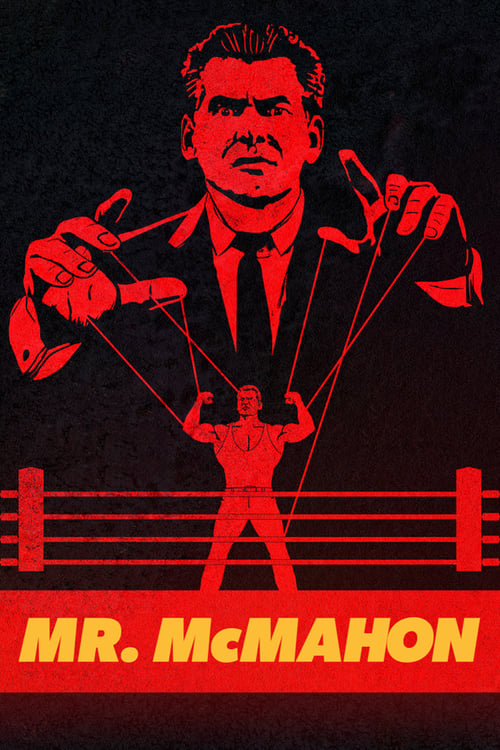
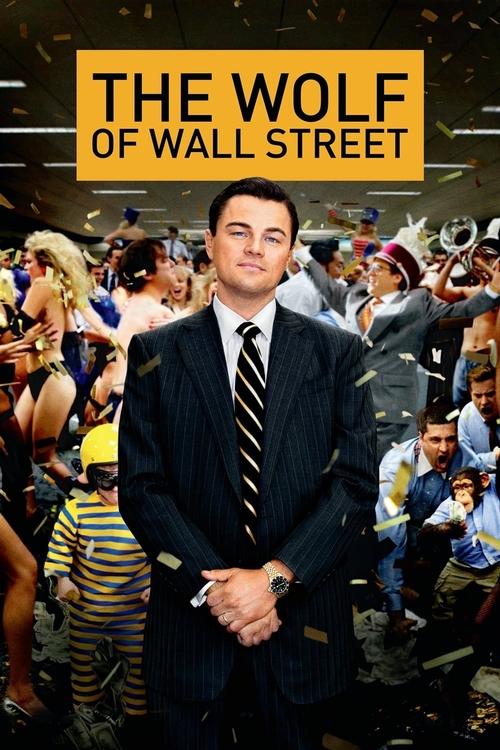
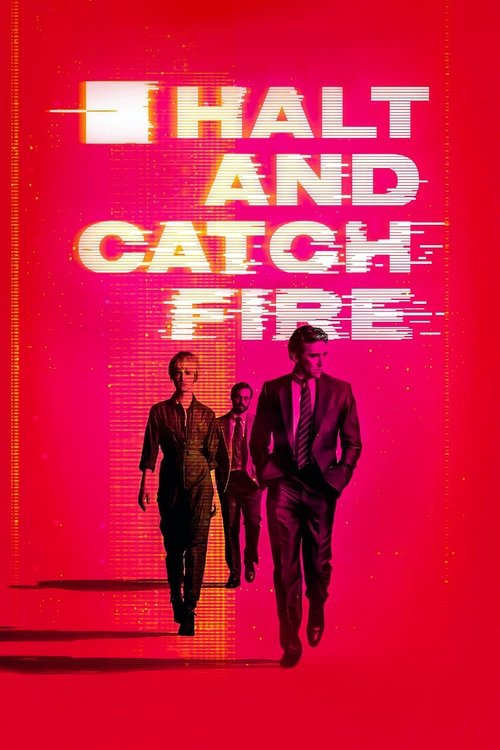
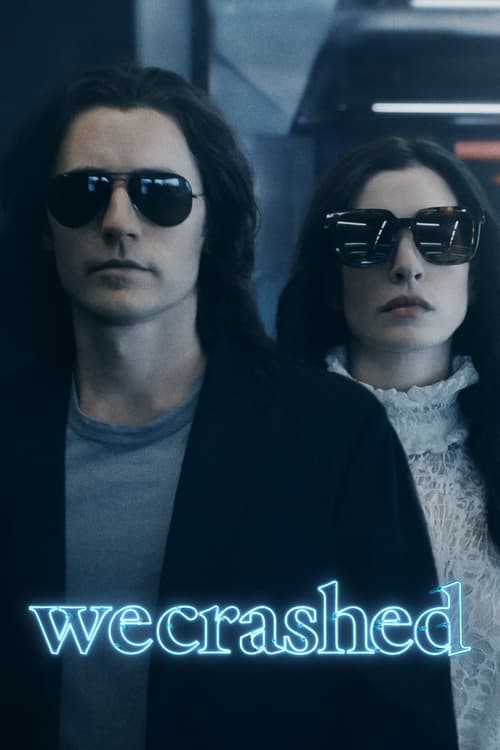
Corporate Villains and Power Brokers
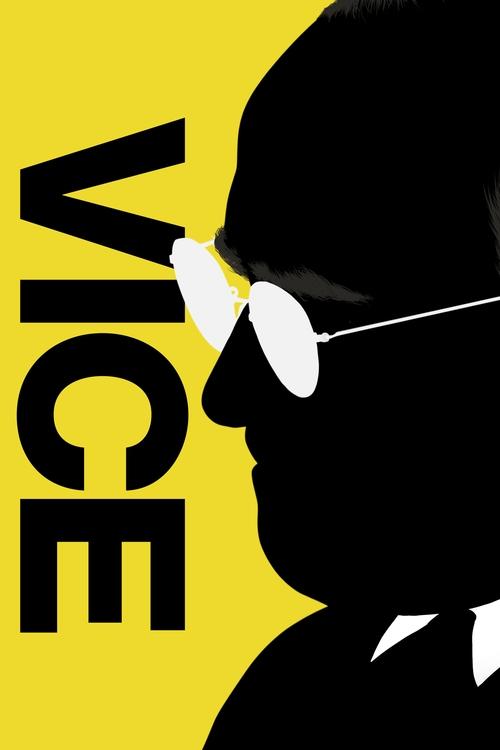
Stories about men who built empires, rewrote the rules, and made themselves the center of the show


Kayfabe and Reality: The Blurred Line
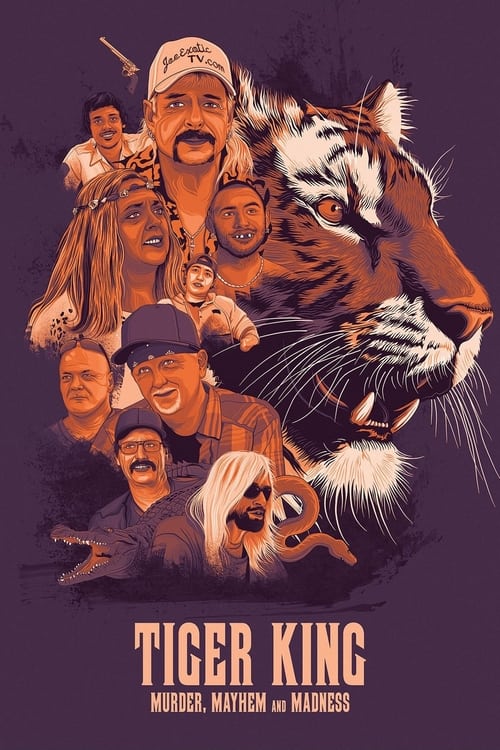
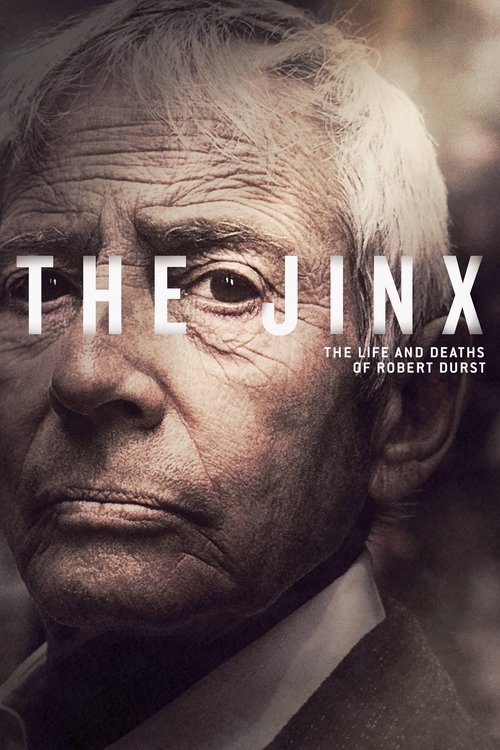
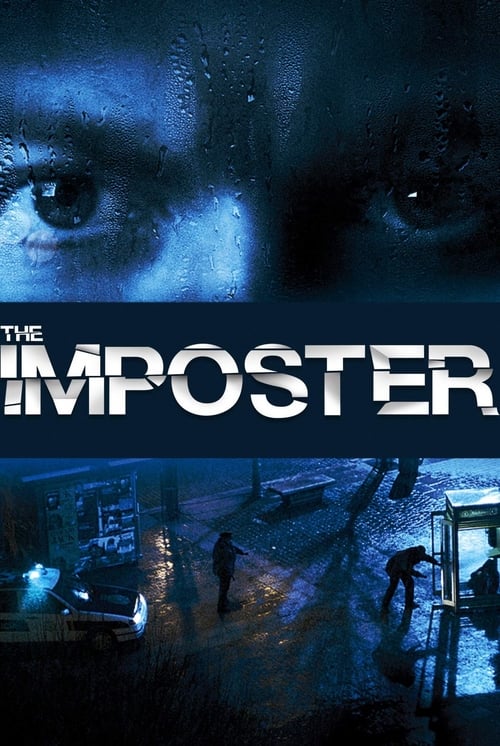
Documentaries and true-crime stories where performance, persona, and reality become inseparable


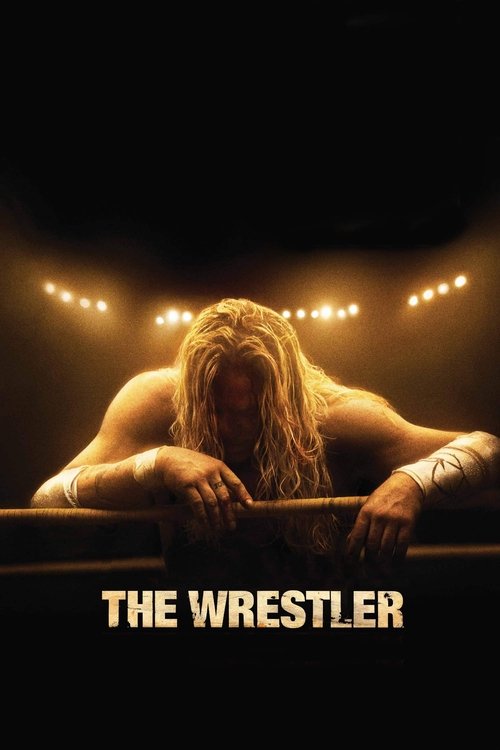
The Wrestler is the truest film ever made about McMahon's world
Darren Aronofsky's The Wrestler has no interest in McMahon himself, but it catches the exact cost of his system: what it does to the bodies it uses, the loyalty it demands, the way a performer can become so fused with their character that there is nothing left outside the ring. Randy the Ram is every wrestler who gave everything to a business that could not give it back. The film does not sentimentalize this. It just watches, and that restraint is what makes it devastating.
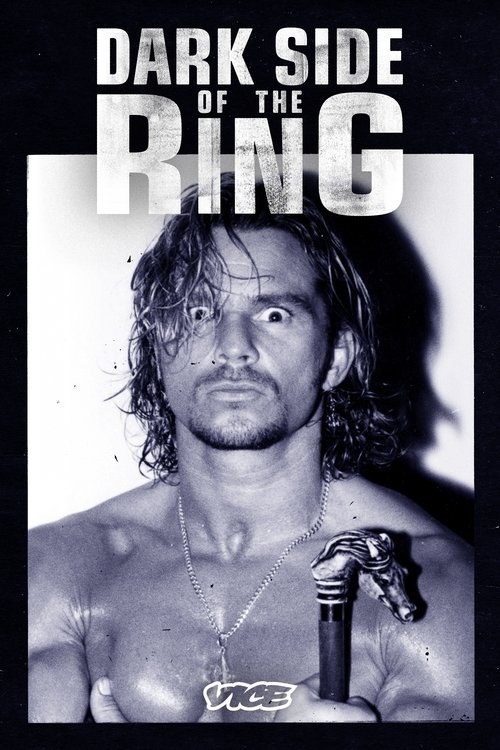
Dark Side of the Ring is the corrective every fan needs
Vice's documentary series covers the deaths, the scandals, and the exploitation that ran underneath the spectacle McMahon sold. It is not a takedown so much as an accounting: these things happened, these people were real, and the machinery kept running. The Benoit episode, in particular, refuses to offer the audience an easy exit. Essential viewing precisely because it will not let the myth crowd out the humans.
Fighting with My Family is the best entry point for non-fans
Stephen Merchant's film about Paige's path to WWE works for people who have never watched a match. It understands the theatrical side of the business without condescending about it, and it takes the family dynamics seriously. Florence Pugh's performance carries the whole thing. It is funny and unexpectedly moving, and it treats wrestling as a legitimate art form without arguing the point.
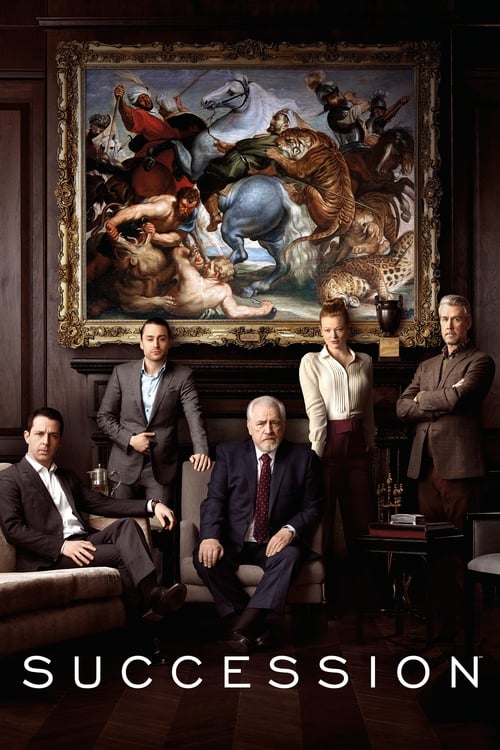
Succession is the most accurate portrait of how McMahon ran his company
Logan Roy is not Vince McMahon, but the dynamics are recognizable: the patriarch who cannot hand off control, the children shaped and damaged by proximity to that power, the organization that exists as an extension of one man's ego. Jesse Armstrong's show asks the same questions McMahon's career raises: what does it look like when a business and a personality become completely fused, and what happens to everyone else in the room. The answer, in both cases, is not pretty.
He did not just book matches. He built a cosmology: heroes, villains, recurring betrayals, moments of catharsis, and a crowd that understood the rules of the fiction while still screaming as if it were real.CrossBinge editorial
The McMahon Era: Key Moments
- 1982Buys Capitol Wrestling Corporation from his father, begins national expansion
- 1985WrestleMania I at Madison Square Garden establishes the pay-per-view model
- 1987WrestleMania III draws over 90,000 to the Pontiac Silverdome for Hogan vs. Andre
- 1993WWF rebrands; Saturday morning cartoon and action figures at peak cultural reach
- 1997Montreal Screwjob: a real-life incident blurs kayfabe permanently
- 1998Attitude Era peak: the Austin vs. McMahon angle drives record Raw ratings
- 2002WWF becomes WWE after legal settlement with the World Wildlife Fund
- 2006ECW relaunched as third WWE brand; NXT concept eventually follows
- 2022McMahon retires from WWE amid misconduct investigation; returns briefly in 2023
- 2024Netflix docuseries McMahon released; federal investigation reported