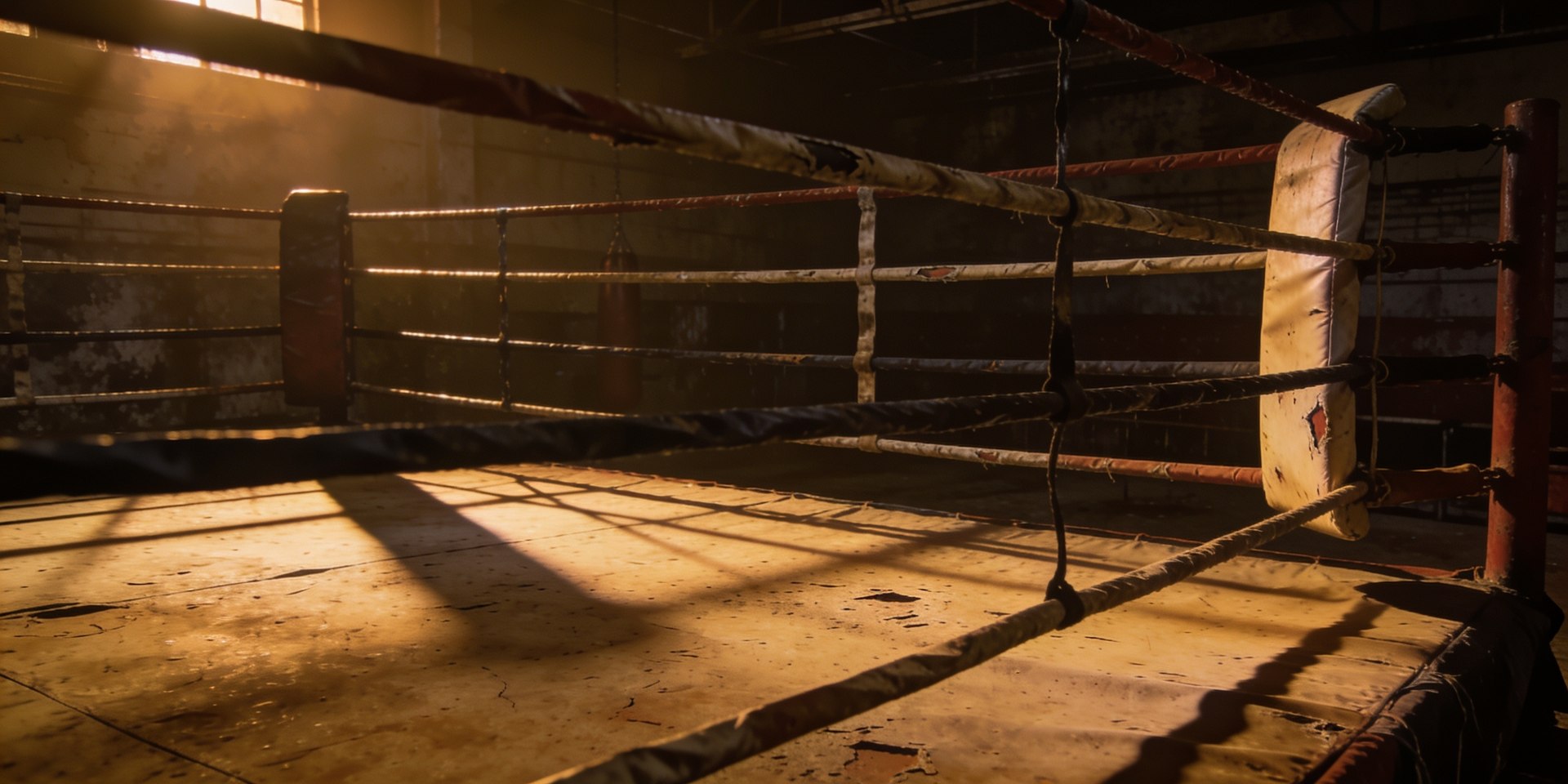

Boxing is the sport that cannot lie. Two people in a lit square, nowhere to hide, no teammate to cover for you. The genre knows this and uses it mercilessly: every great boxing film is really about what a person discovers about themselves when they are hurt, cornered and out of options. The training montage is just the prologue. The real story is what happens when the plan falls apart and the round does not end.
From the gritty Stockton gyms of John Huston's Fat City to the neon grandeur of the Creed trilogy, from the arcade punch-countdowns of Mike Tyson's Punch-Out!! to the ringside journalism of A.J. Liebling, the fight game has attracted the sharpest cross-media storytelling of any sport.
Essential boxing
The definitive works of the squared circle
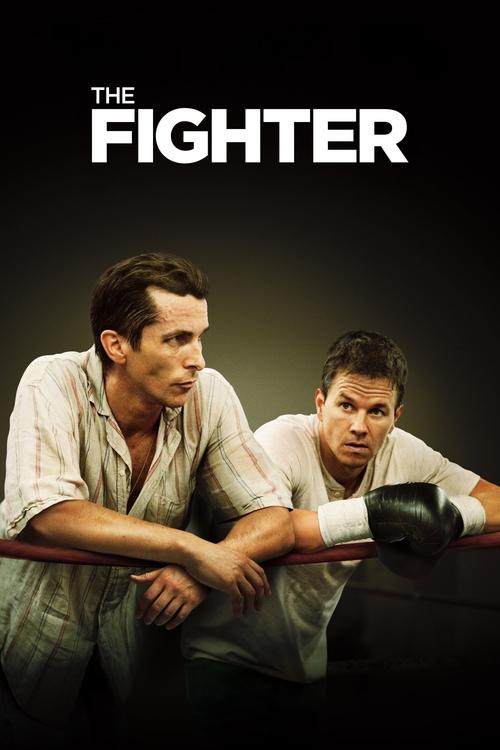
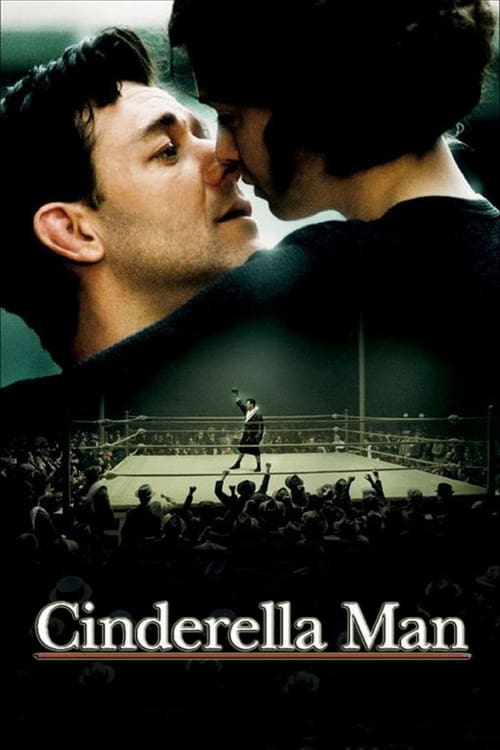
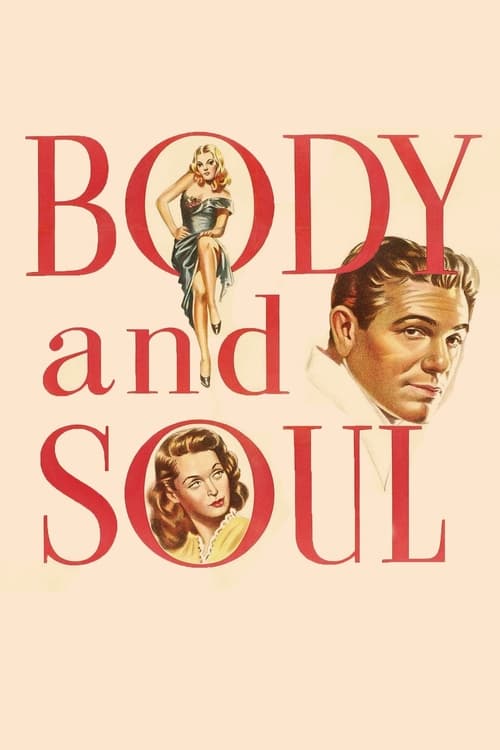
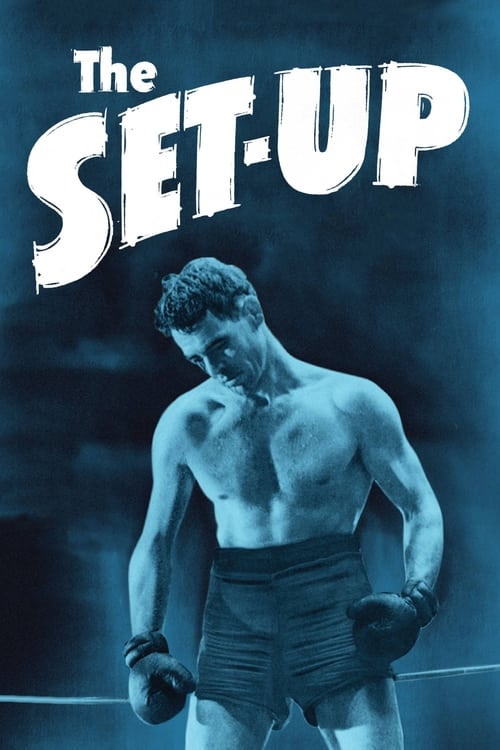
The one film that never needed a sequel
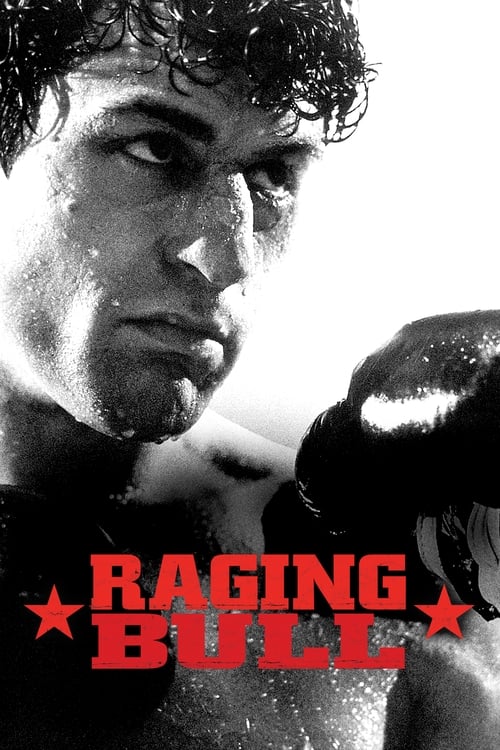
Scorsese's Raging Bull is not a boxing film about boxing. It is about a man who is only alive inside the ring, and what that costs the people around him. The fights are shot in a way no one had tried before: slow, operatic, silent except for the sound design. Jake LaMotta is not sympathetic. The film does not ask you to root for him. It asks you to understand him, and that is a much harder, more honest thing to demand of an audience.
The lineage
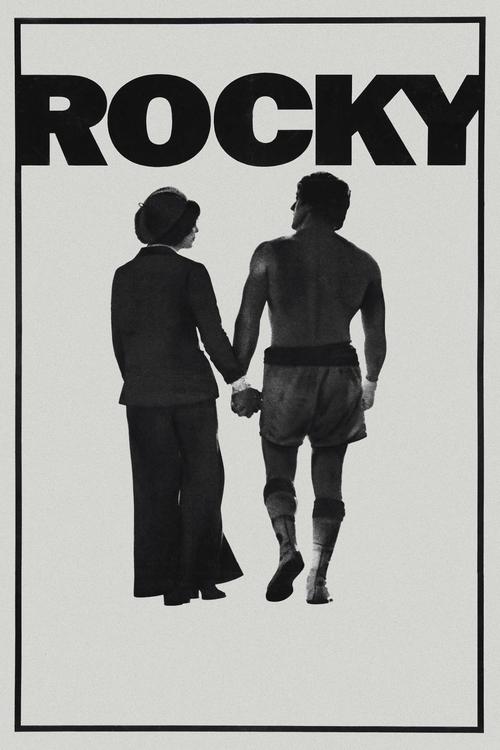
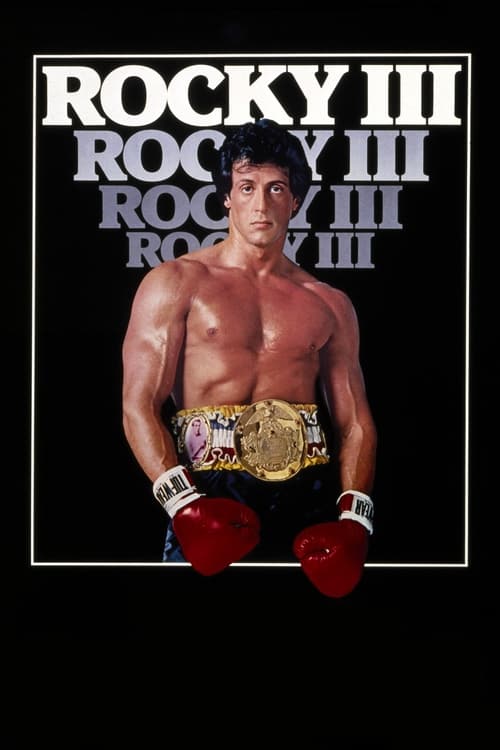
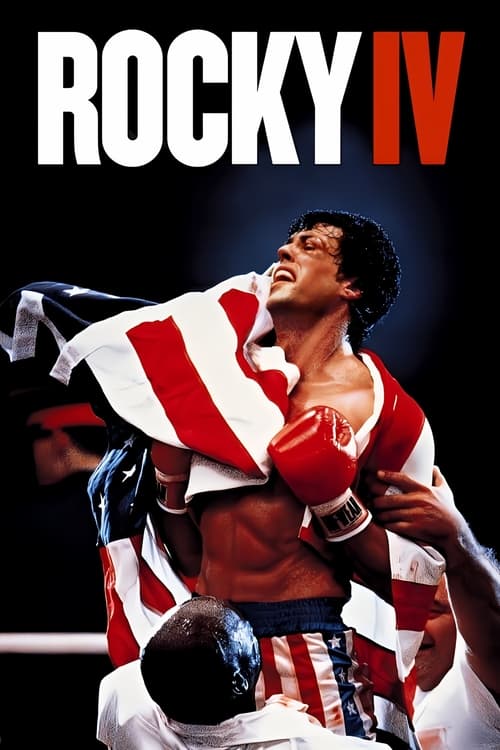
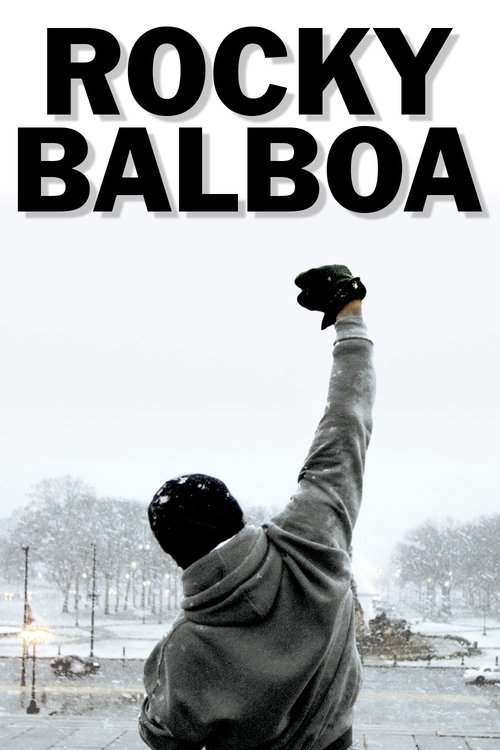
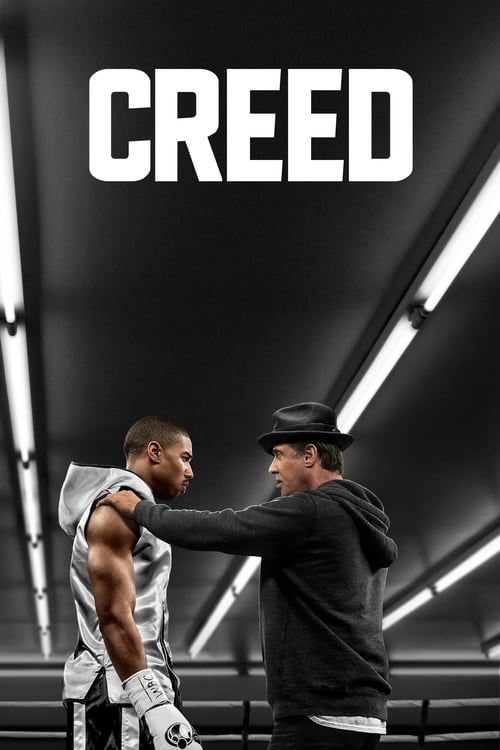
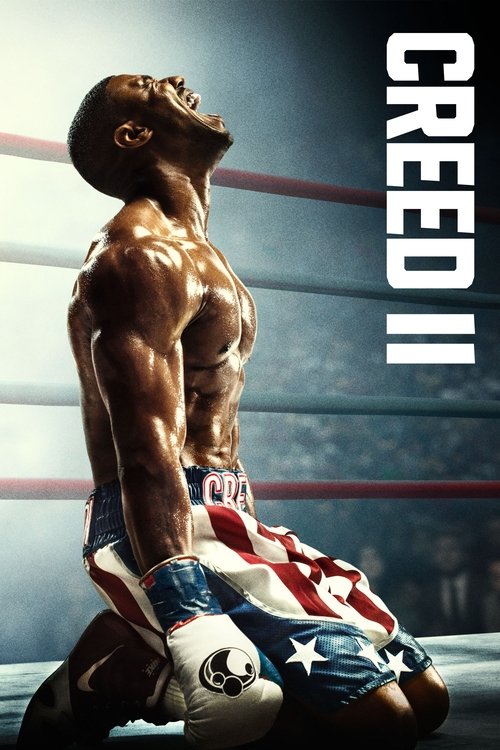
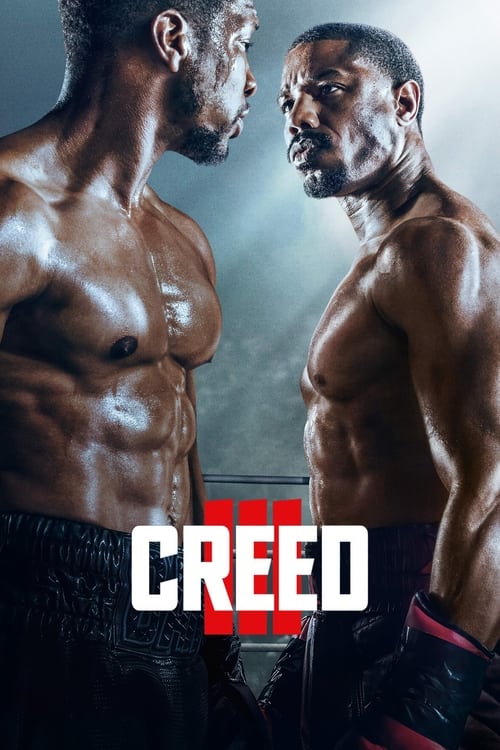
Few franchises have the structural coherence of Rocky into Creed. The first film won Best Picture in 1976 on pure conviction; Stallone wrote the script in three days after watching a no-hoper push Muhammad Ali for fifteen rounds. What Ryan Coogler understood when he built Creed is that the mythology was always about fathers and sons, about receiving and carrying weight you did not choose. The trilogy he made with Michael B. Jordan is the most fully realized sports saga in cinema.
The Rocky and Creed saga
From South Philadelphia to the world stage

The bout that redrew the map
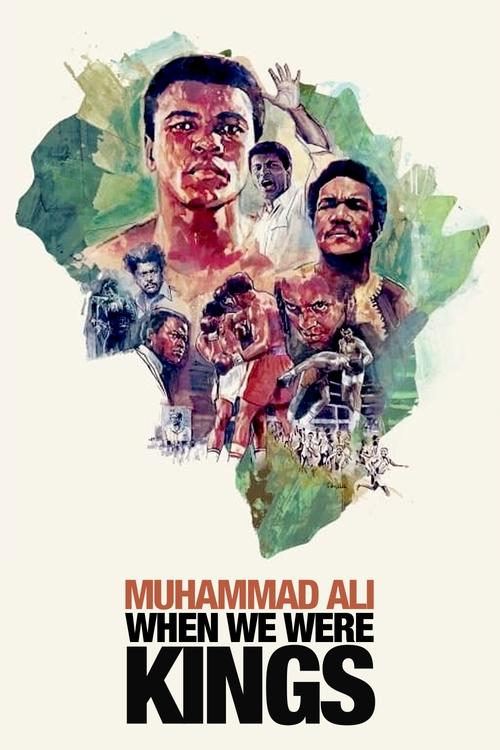
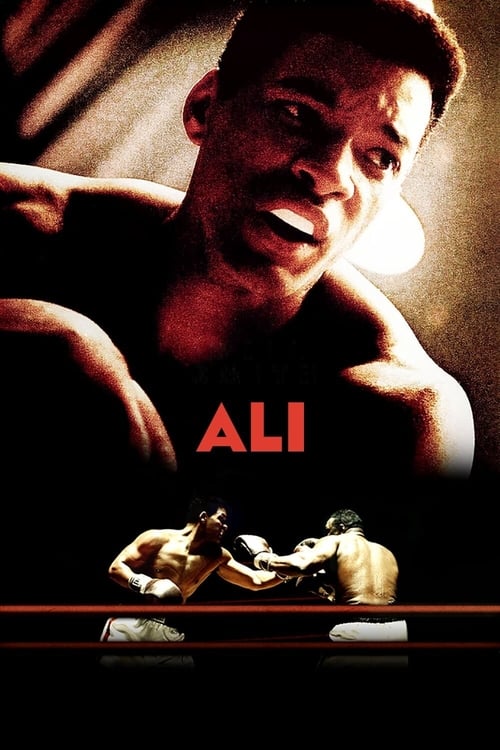
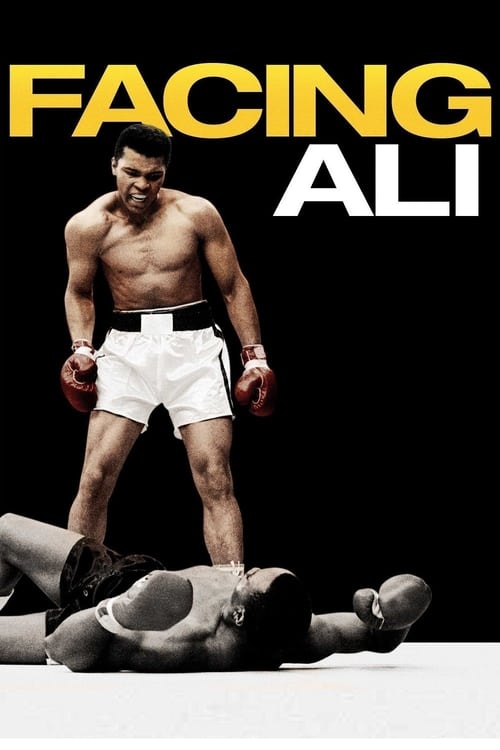
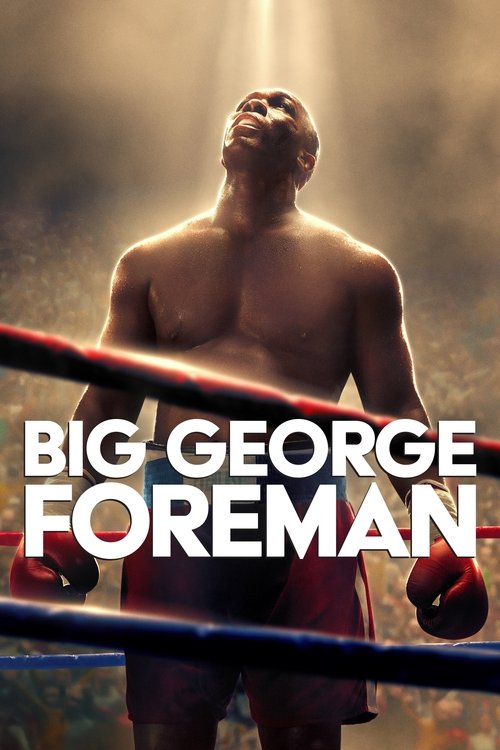
Ali versus Foreman in Kinshasa, 1974: one of the best-documented sporting events in history, and When We Were Kings is the definitive account. Leon Gast's documentary captures something the fiction films about Ali never quite manage, the scale of the man's presence in a room, in a country, in a moment. The Rumble in the Jungle was not just a fight; it was a political event, a cultural event, a theatrical stunt that somehow worked. Watch the Michael Mann Ali (2001) alongside it and you get the full portrait.
Ali and the legends
Films about the greatest fighters


The noir gym and the forgotten contender
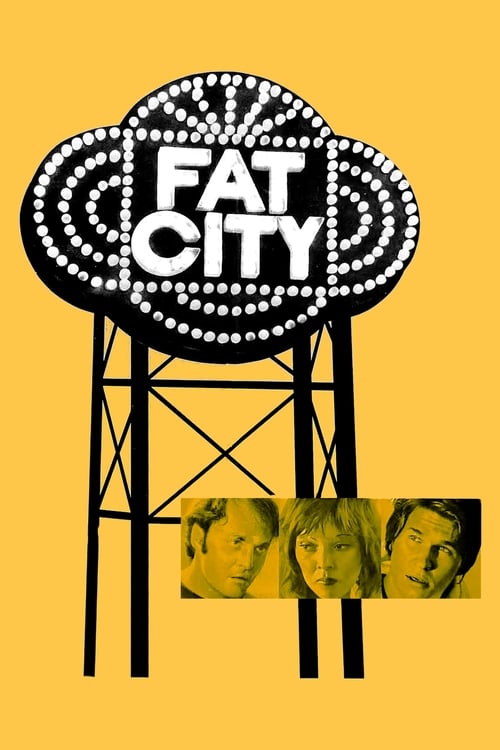
Before Rocky made boxing inspirational, the genre was a noir staple. Robert Wise's The Set-Up (1949) runs in real time over 72 minutes, the length of the fight itself, following a journeyman heavyweight who does not know the mob has already sold the result. Robert Ryan is heartbreaking in it. John Huston's Fat City (1972), adapted from Leonard Gardner's novel, is grimmer still: a fading fighter in Stockton, California, trying to hold on while a younger man climbs past him. Neither man wins. That is the point.
Noir and the undercard
Boxing as tragedy, not triumph
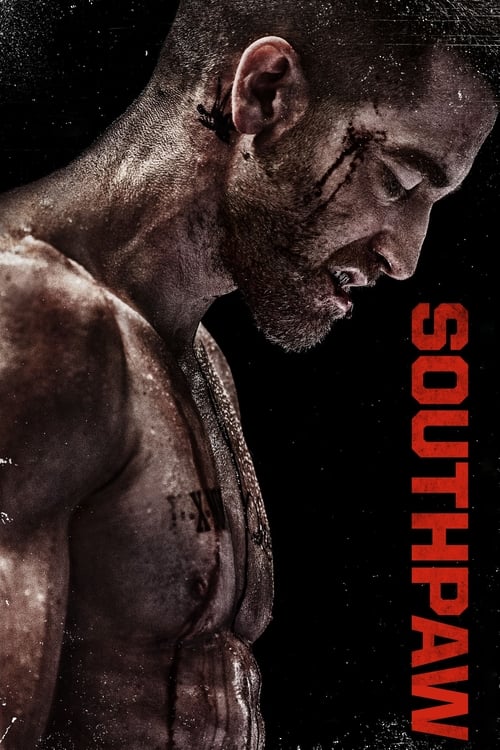

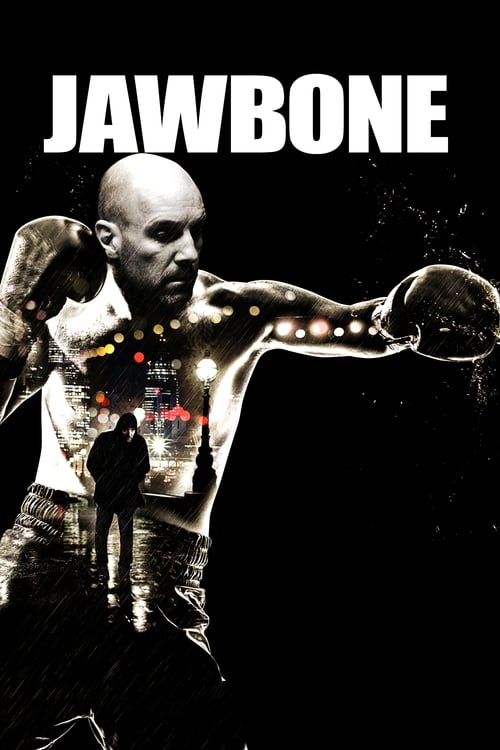
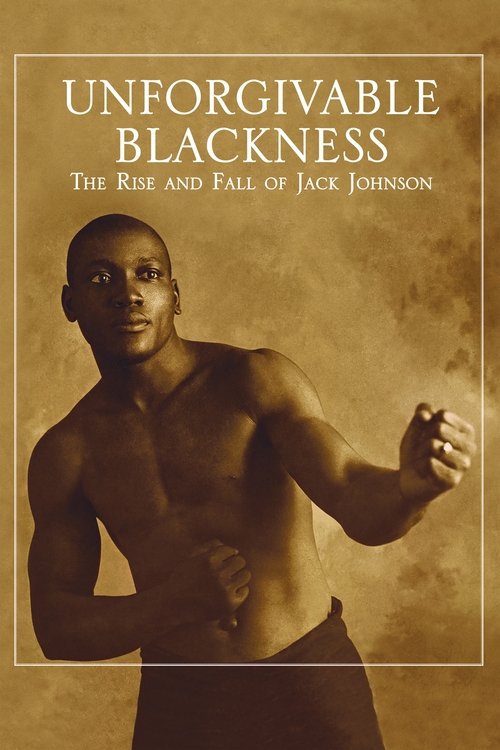
The fight game on TV: still waiting for its peak
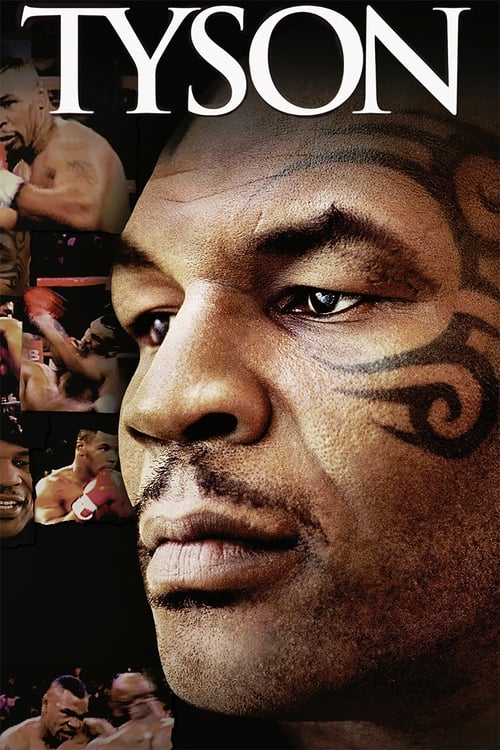
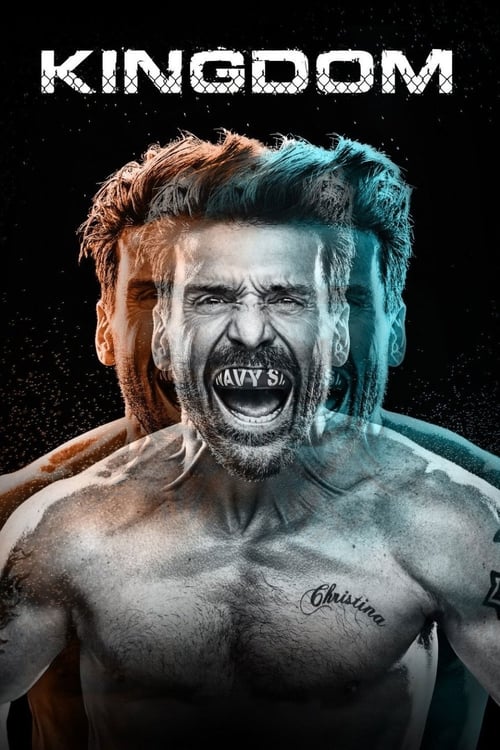
Television has produced one serious boxing drama worth the name: Kingdom (2014), which ran three seasons on DirecTV and was almost completely ignored. Jonathan Tucker's performance as Jay Kulina is one of the best in the genre: a fighter managing trauma, addiction and a father who is also his coach. It is not a boxing show about winning. It is a show about what people do with damage. The Hulu miniseries Mike (2022) on Mike Tyson is worth a look for Trevante Rhodes's committed performance, though it is uneven on its subject's complexity. For the animated version of the same obsessive drive, Fighting Spirit (Hajime no Ippo) is the definitive boxing anime: 75 episodes on a scrawny kid who becomes a serious competitor through technique and an almost absurd refusal to stay down.
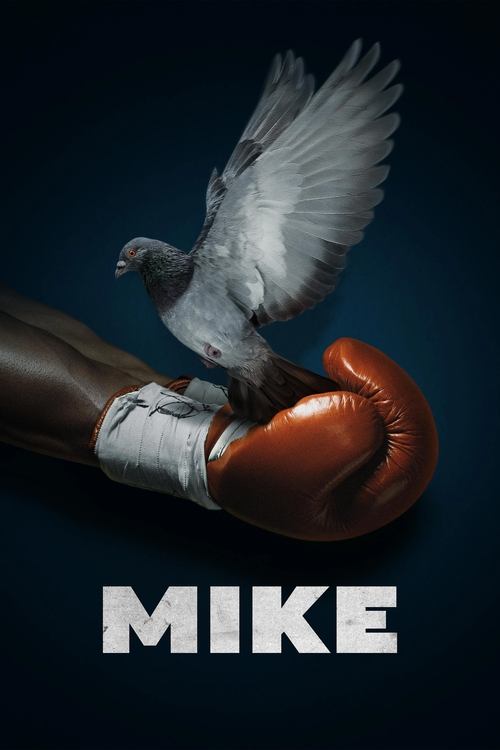
In the corner: boxing on TV
The fight game as long-form drama
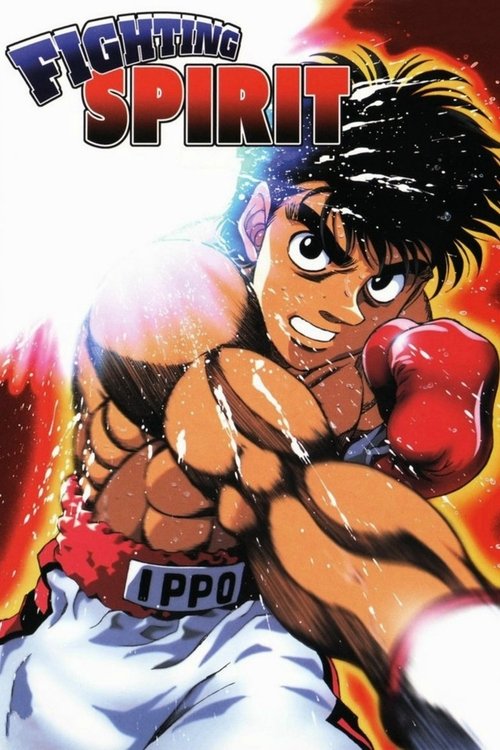
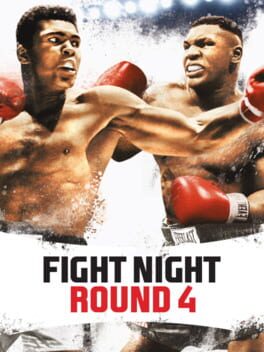
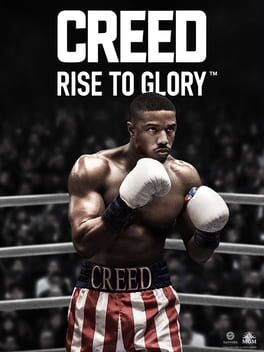
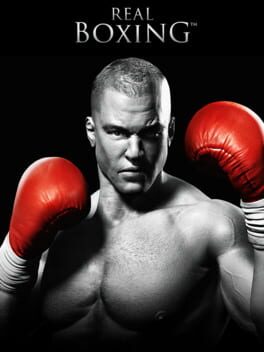
Games translated boxing into something only games can do: they put the consequences inside you. Every jab, every guard slip, is a decision you made and cannot un-make.
Step into the ring
The boxing games that built the genre
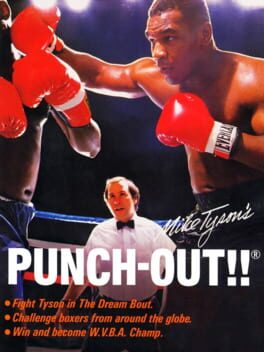
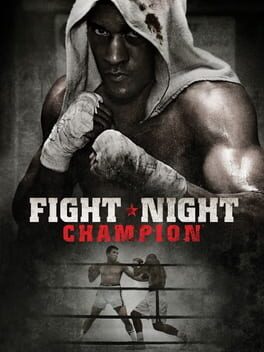
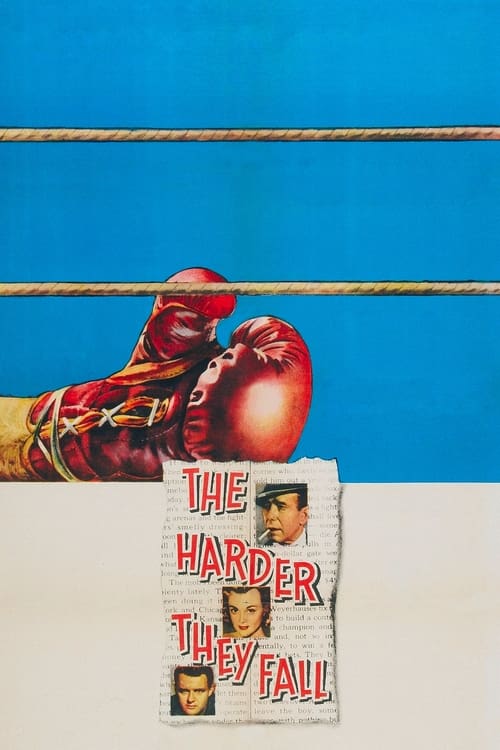
The boxing shelf is thinner than the film rack, but what is there is genuine. David Remnick's King of the World remains the best book about Muhammad Ali's early career, the period before the legend calcified: the Clay who shocked Liston, the man becoming Ali, the politics and the bravado and the real fear underneath it. Budd Schulberg's The Harder They Fall (1947) is the great boxing novel of corruption and the mob's grip on the fight game, the source of the 1956 Bogart film. A.J. Liebling's The Sweet Science and Joyce Carol Oates's On Boxing are the two great essays on the sport as art form, though neither has found its way into this catalog yet. Leonard Gardner's Fat City (adapted by Huston) is the novel form at its most unsparing.
On the page
Boxing in books


The soundtrack of the fight
Music built for the ring
More fighters, more underdogs in the ring
Sports & Underdogs
Explore the Sports & Underdogs guide →The ring is the only place in modern life where we still allow two people to settle a disagreement with their bodies. That is why we cannot stop watching. It is not the violence. It is the honesty.CrossBinge editorial