

Virginia Woolf remade what the novel could do. Her books do not march through plot: they move through perception, through the texture of a single afternoon, through the way a lighthouse seems closer or farther depending on who is looking. The appeal is not difficulty for its own sake but the sensation of being inside a mind that notices everything. Readers who love Woolf tend to love the experience of language that slows time down rather than compressing it, fiction that trusts feeling over incident, and work that refuses the idea that women's inner lives are smaller or less worthy than the public events surrounding them. This page follows that instinct across every medium.
Essential Virginia Woolf
The novels and essays that define her vision, from early experiments to late masterworks


Woolf on Screen
Adaptations of her work and films that share her interior, time-bending attention

Authors Who Share Her Wavelength
Writers drawn to interiority, lyric prose, and the weight of ordinary moments


Films and Series with the Same Interior Light
Screen stories that linger inside a single consciousness or compress time into feeling






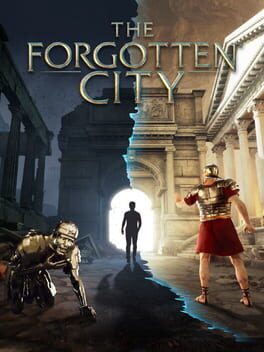
Games for the Mind that Moves Slowly
Games that reward attention, quiet exploration, and the unfolding of inner or atmospheric worlds




Mrs Dalloway is a single day that contains a whole life
Woolf compresses Clarissa Dalloway's party preparations and Septimus Warren Smith's disintegration into a few hours of London, and the result holds more emotional truth than most novels twice its length. The dual consciousness structure, two people who never meet but whose days rhyme, is one of the most formally precise things in the English novel. It earns every famous page.
To the Lighthouse finds the sacred in the domestic
The lighthouse is not a symbol with a fixed meaning: it is a thing that different people want differently, for different reasons, and the novel's genius is that the journey to it becomes a meditation on time and loss rather than an arrival. The section called 'Time Passes,' in which a decade is compressed into a few pages while the house decays, is unlike anything else in fiction. Woolf found a way to make grief structural.
Orlando proved that biography could be a game
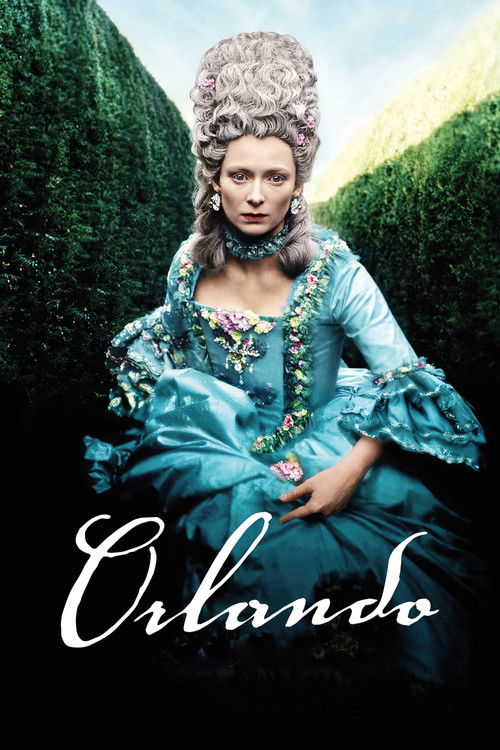
Written as a playful gift and published as a kind of joke biography, Orlando outlasted most serious novels of its era. The conceit, a poet who wakes up as a woman after three centuries and carries on, allowed Woolf to compress all of English literary history into a single adventurous life. The 1992 Sally Potter adaptation with Tilda Swinton understands exactly what is funny and exactly what is serious about it.
A Room of One's Own changed the question
The essay began as two lectures at Cambridge women's colleges in 1928 and became one of the most argued-with documents in literary criticism. Woolf's contention is economic as much as philosophical: without money and a room of her own, a woman cannot write. The invented figure of Shakespeare's sister is the passage that readers remember longest, because it names an absence rather than a grievance.
Virginia Woolf: A Life in Works
- 1915First novel published Voyage Out
- 1919Woolf refines her method Night and Day
- 1922Stream of consciousness arrives Jacob's Room
- 1925A single London day Mrs. Dalloway
- 1927Time and loss in Cornwall To the Lighthouse
- 1928The playful biography
- 1929The founding feminist essay A Room of One's Own
- 1931Nine voices, one ocean The Waves
- 1937Family across decades The years
- 1941Final novel, wartime England Between the Acts
- 1992Orlando reaches the screen Orlando
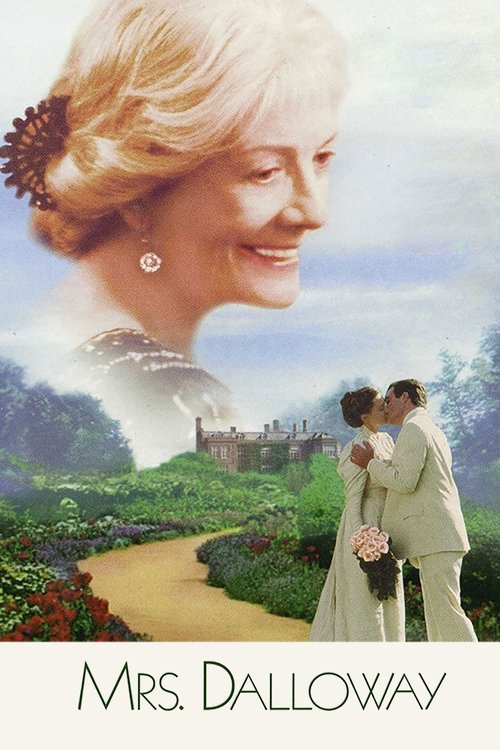
- 1997Mrs Dalloway adapted Mrs. Dalloway
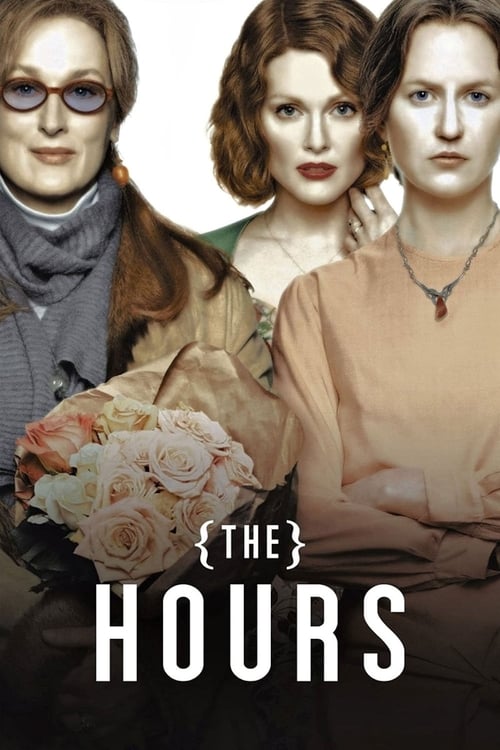
- 2002Three women, one book The Hours
Interior Lives and Luminous Prose
Magical Realism
Explore the Magical Realism guide →Examine for a moment an ordinary mind on an ordinary day. The mind receives a myriad impressions, trivial, fantastic, evanescent, or engraved with the sharpness of steel.Virginia Woolf, "Modern Fiction" (1925)