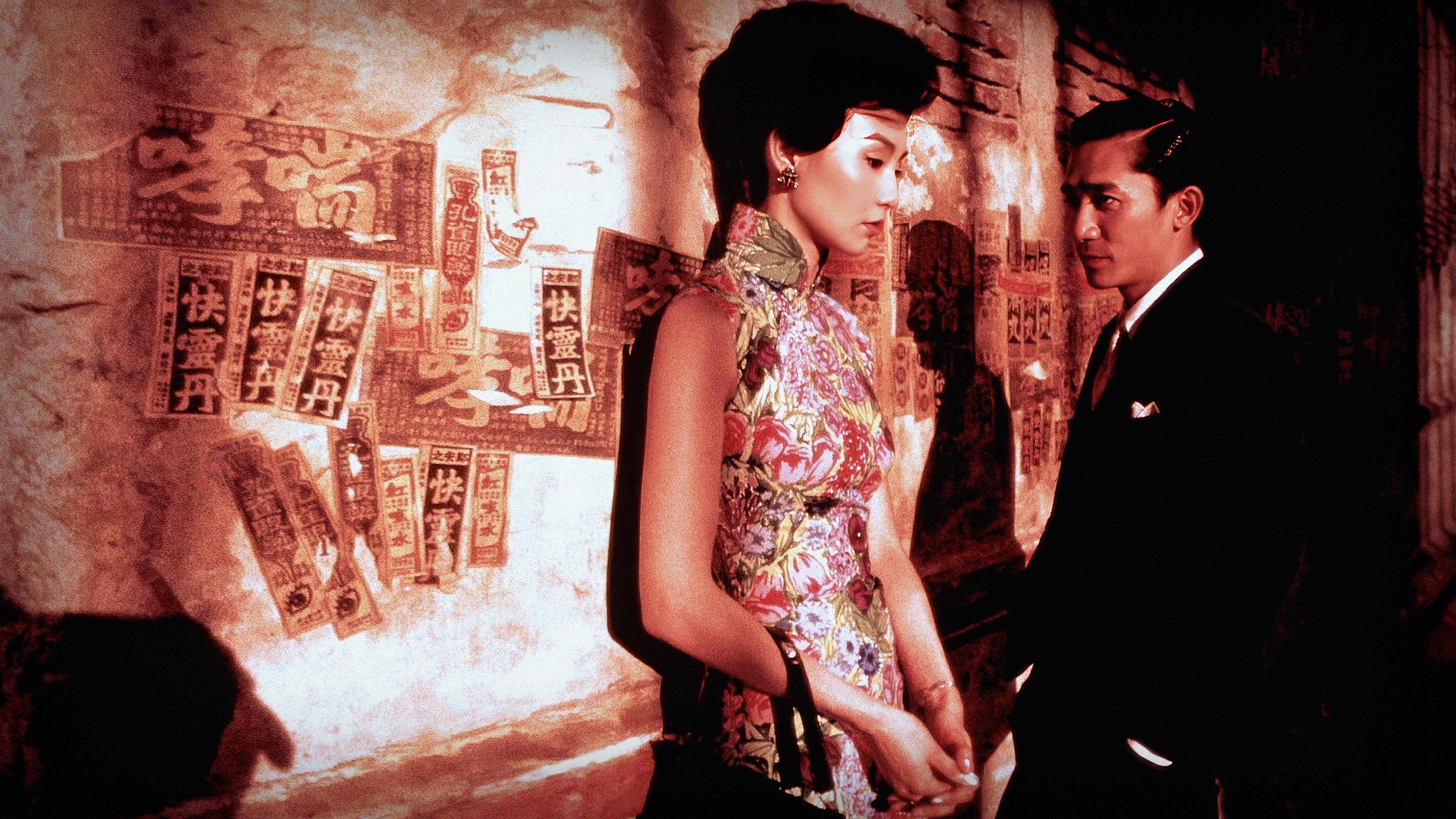

Wong Kar-wai shot In the Mood for Love over fifteen months without a completed script, assembling it in the edit from impressionistic takes. The result is a film that operates entirely on atmosphere: the repeated slow-motion staircase descents, Shigeru Umebayashi's 'Yumeji's Theme' looping like a thought you can't shake, two people practising what they would say to their unfaithful spouses, edging closer to the very betrayal they are performing aloud. What a fan of this film is really after is a particular quality of suppressed feeling — desire held at arm's length, beauty as a form of grief, mise-en-scene that carries more emotional weight than any line of dialogue. The works below chase that same frequency.
Essential In the Mood for Love
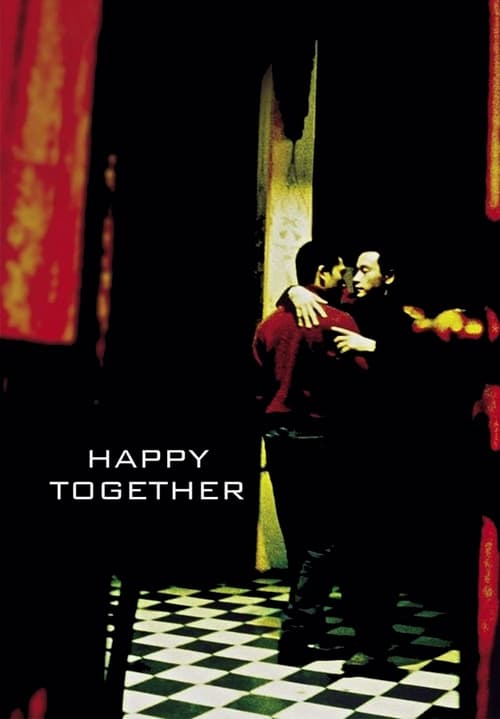
Wong Kar-wai's own films, each a variation on the same obsessions
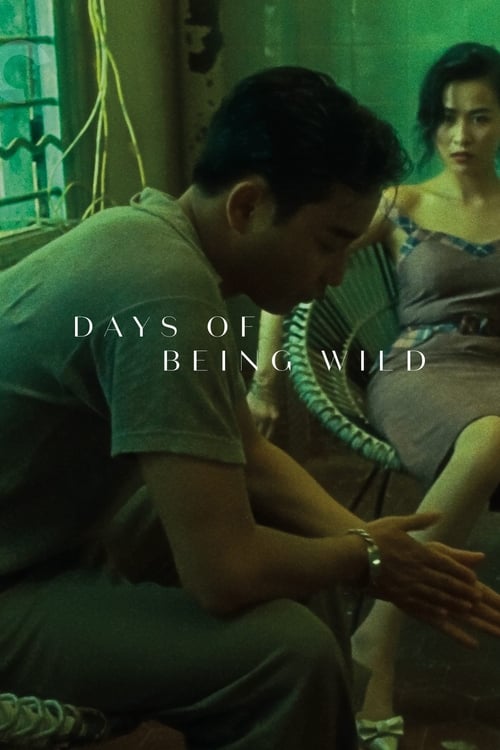
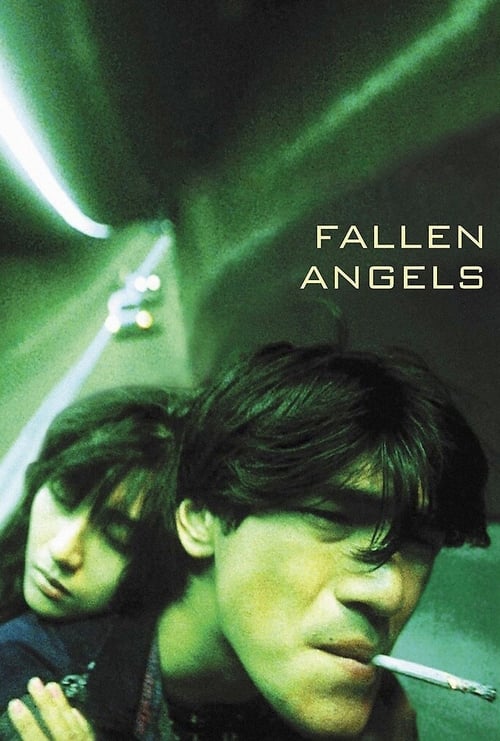
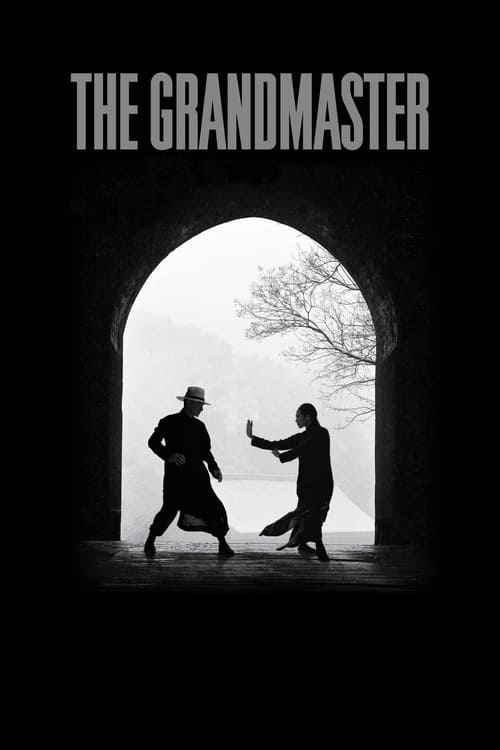
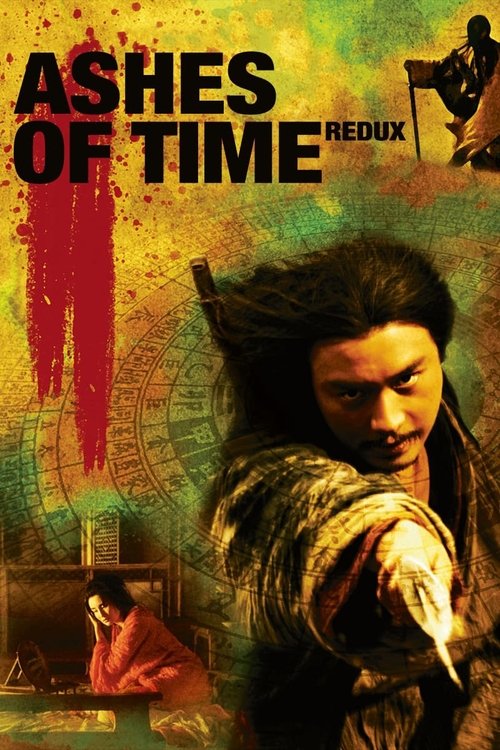
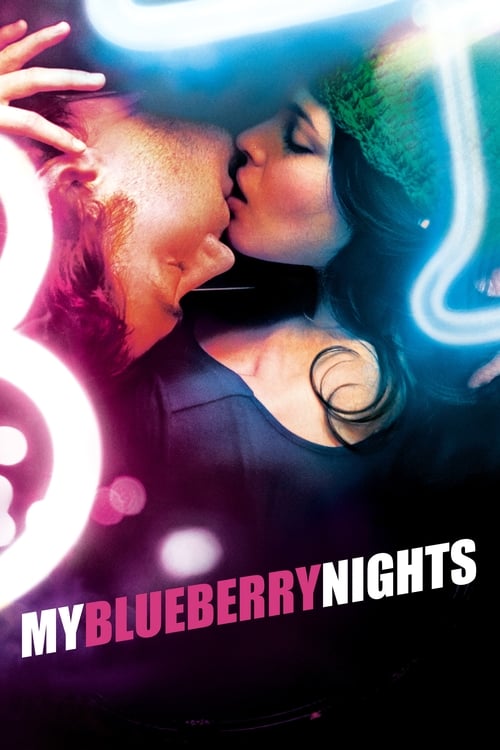
Same Feeling, Different Frame
Films built on restraint, longing, and visual precision
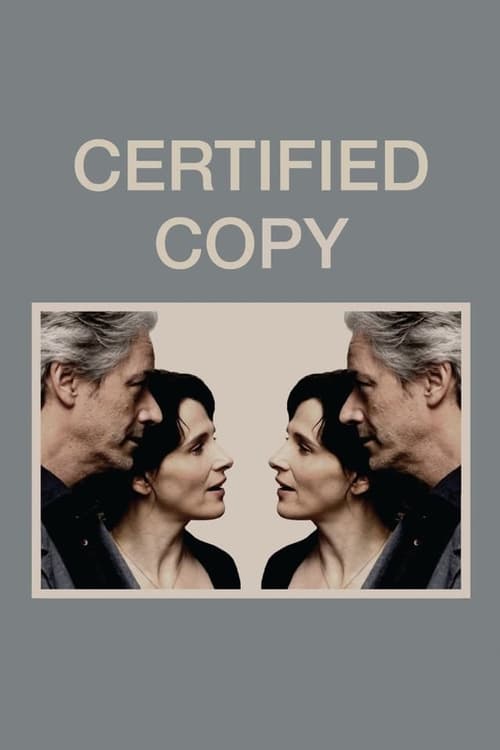
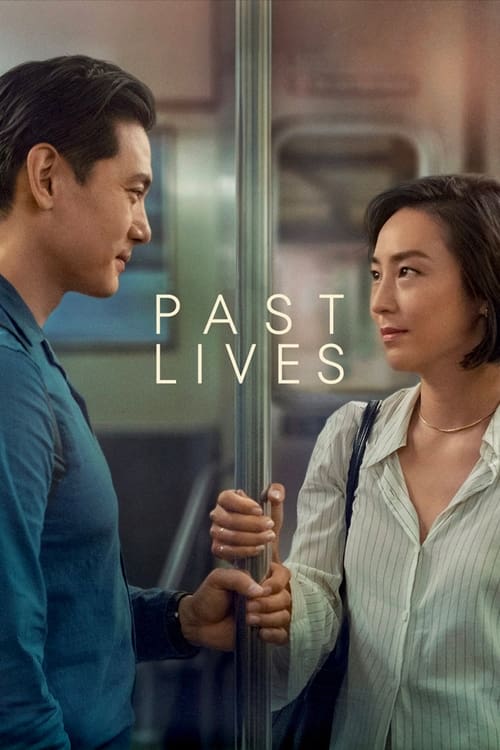
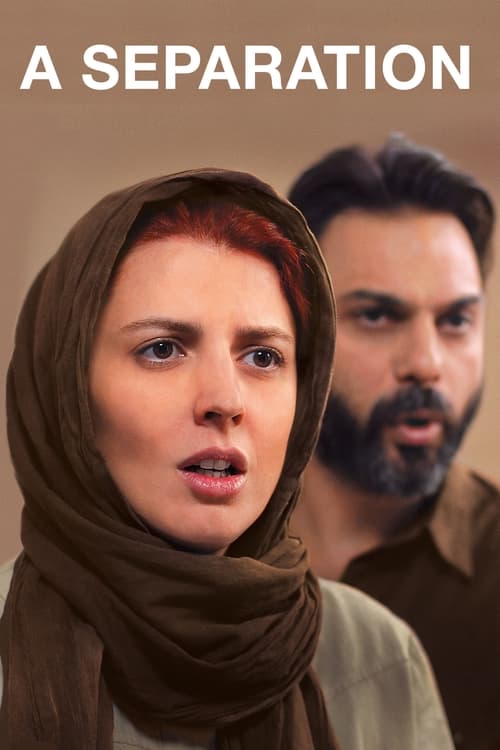
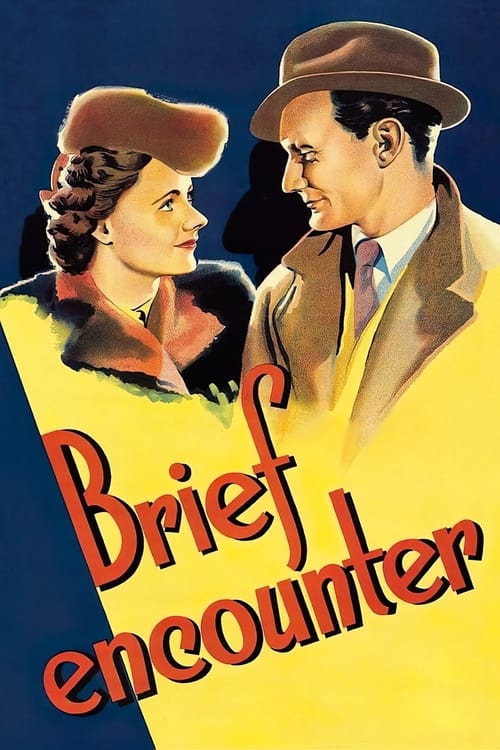
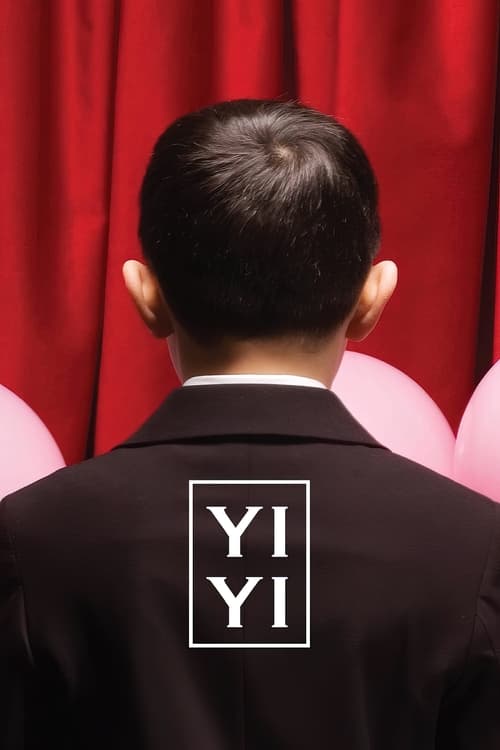
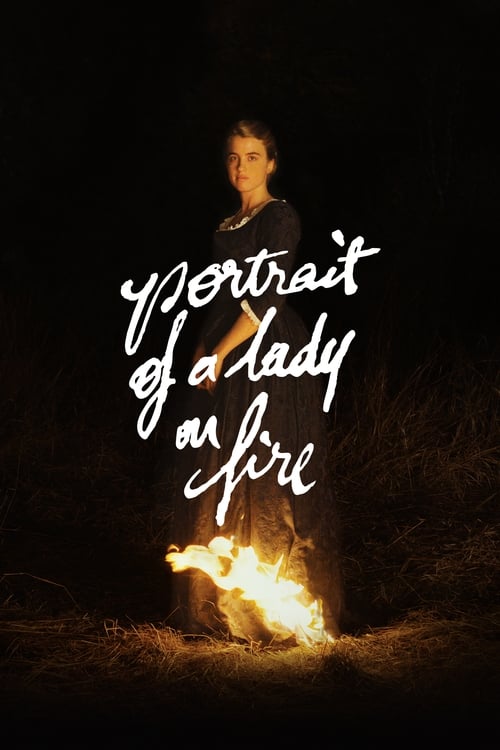

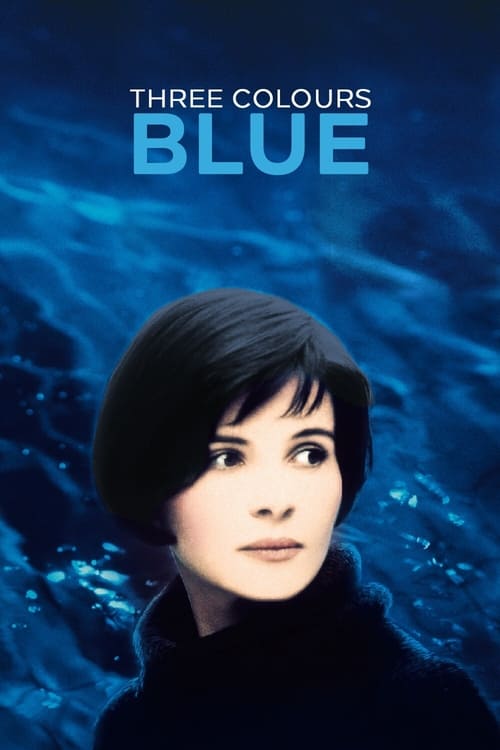
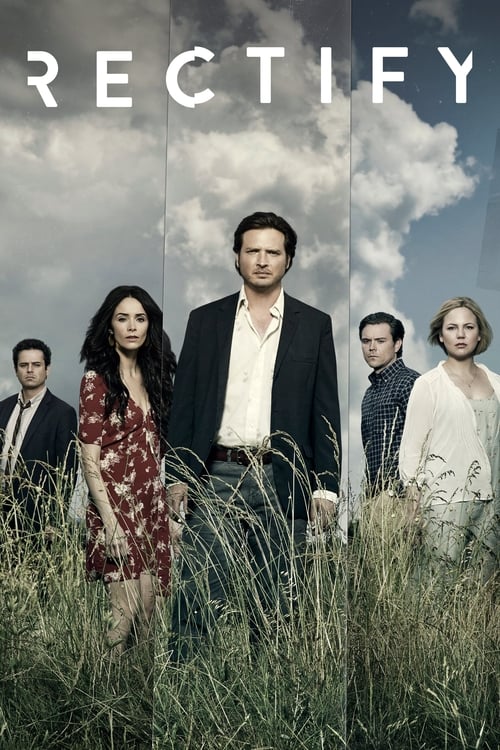
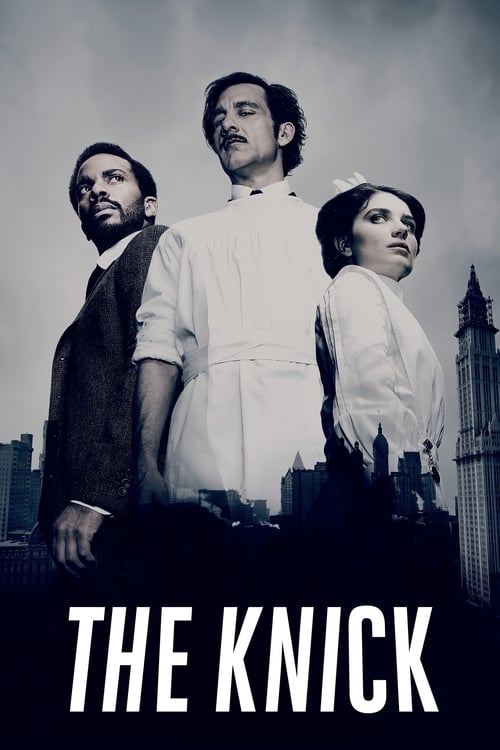
Series That Hold Feeling at a Distance
Television that trusts silence and slow accumulation


The Novels That Share the Ache
Books where desire and time conspire against the characters




Games Built on Atmosphere and Memory
Games where place, time, and feeling matter more than action




Restraint Is the Point
What separates In the Mood for Love from other love stories is that almost nothing happens and everything is felt. Wong Kar-wai understood that cutting away at the moment of contact is more affecting than showing it. The camera lingers on a doorframe, a hand, a cheongsam brushing a wall. The lesson for viewers: the works that hit the hardest at this register are the ones that trust the audience to carry the weight themselves. Past Lives does this. The Remains of the Day does this on the page. Brief Encounter did it first in black and white.
1962 Hong Kong as a Character
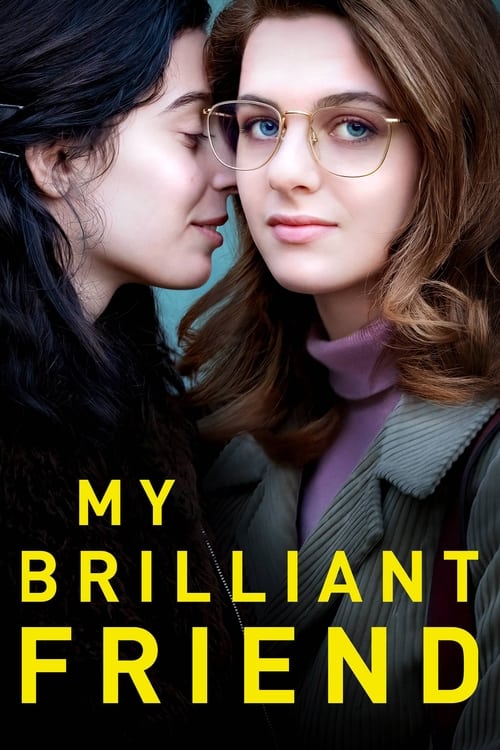
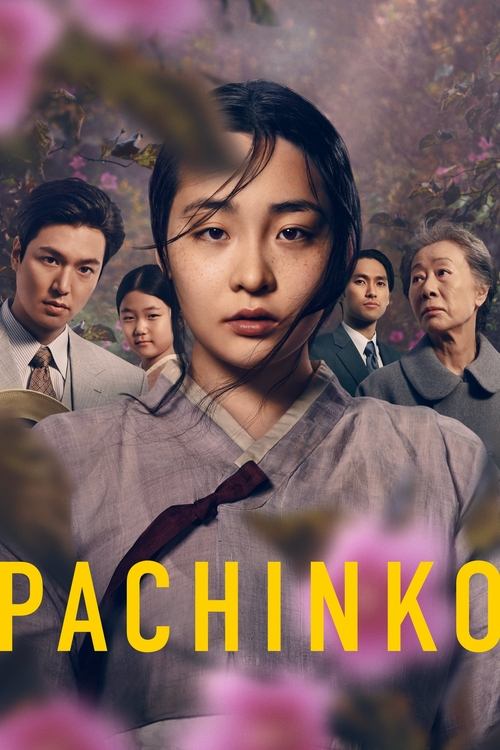
The film's period detail is not nostalgic decoration. The cramped Shanghainese landlady's flat, the shared staircase, the newsreels of de Gaulle visiting Cambodia playing in the background: these details box the characters in. Their social world, the gossip of neighbours, the face-saving codes of 1960s Chinese emigre culture, is precisely what makes their situation impossible. Other films and series that use period setting as moral pressure rather than costume include My Brilliant Friend (Naples, 1950s-60s) and Pachinko, which spans Korea and Japan across four generations.
The Score That Became the Film
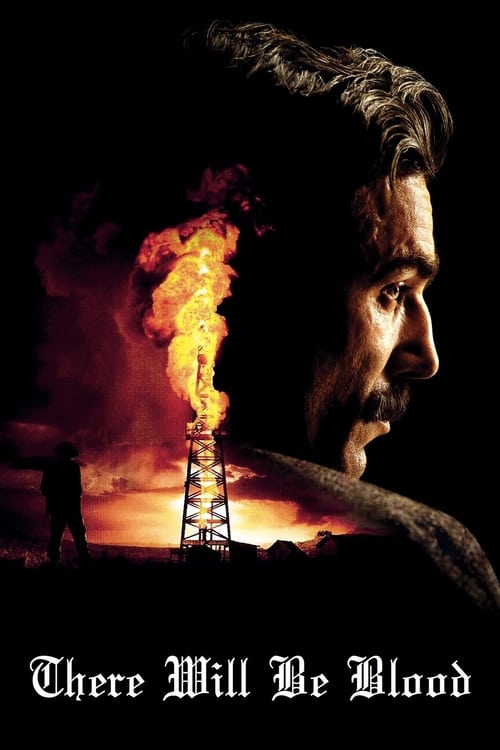
Shigeru Umebayashi's 'Yumeji's Theme' was borrowed from a 1991 Seijun Suzuki film. Wong Kar-wai simply knew it was the right piece and kept using it. The waltz's stately sadness became inseparable from the slow-motion footage to a degree that the music now sounds like memory even on first hearing. Composers who work this way, where a single repeating theme accumulates meaning across a film, include Jonny Greenwood (There Will Be Blood, The Master) and Ennio Morricone in his more intimate register.
Wong Kar-wai and the Unmade Genre
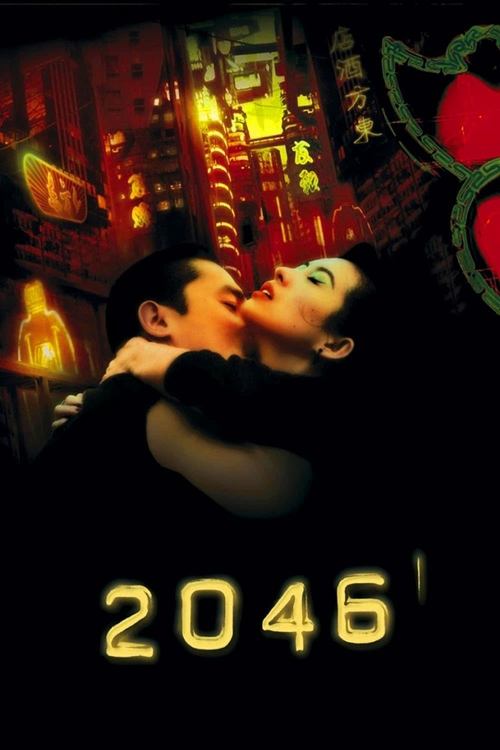
Wong Kar-wai has no genre in the conventional sense. His films are neither melodrama nor art film in any comfortable category. They are about time, specifically about how memory distorts and softens the things we could not bear to feel directly. 2046 is the closest thing to a sequel to In the Mood for Love, following Mr. Chow into the 1970s as he writes a science-fiction novel about people who ride a train to a place where nothing changes. It is stranger and less beautiful, but it completes something the earlier film left open.
A Timeline of Longing on Screen
- 1945Brief Encounter sets the template for impossible love restrained by decency Brief Encounter
- 1960Antonioni's L'Avventura makes absence and architectural space the subject L'Avventura
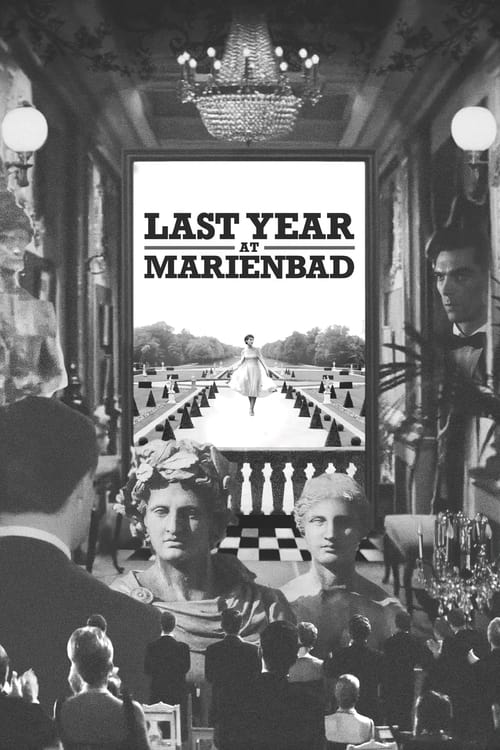
- 1961Last Year at Marienbad turns memory and desire into pure cinema Last Year at Marienbad
- 1990Days of Being Wild, the first chapter of Wong Kar-wai's Hong Kong trilogy Days of Being Wild
- 1993The Remains of the Day: Ishiguro's novel becomes a film of impeccable repression The Remains of the Day
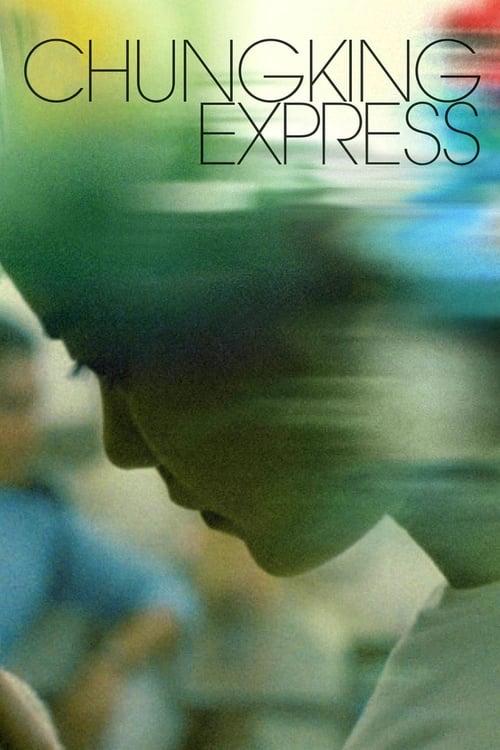
- 1994Chungking Express: Wong Kar-wai reinvents the genre in between larger projects Chungking Express
- 2000In the Mood for Love premieres at Cannes, wins Best Director In the Mood for Love
- 20042046 closes the trilogy, its science-fiction frame arriving like a fever dream 2046
- 2013Her (Spike Jonze) turns longing into speculative fiction with the same colour palette Her
- 2023Past Lives carries the same ache into the Korean-American diaspora Past Lives
More Wong Kar-wai longing
For Fans of Wong Kar-wai
Explore the For Fans of Wong Kar-wai guide →He remembers those vanished years. As though looking through a dusty window pane, the past is something he could see, but not touch. And everything he sees is blurred and indistinct.In the Mood for Love (2000)