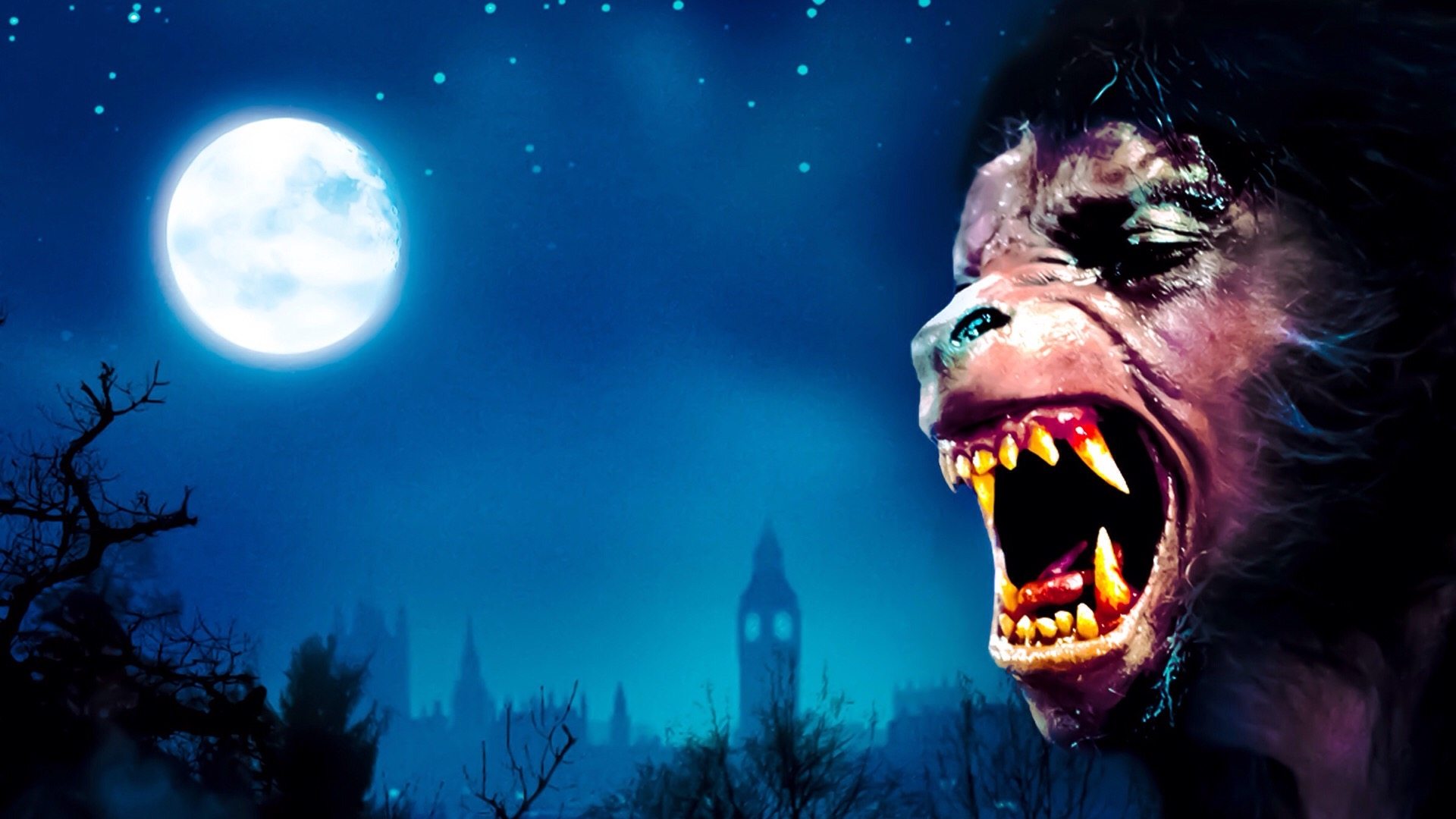

Vampires seduce. Werewolves rupture. The classic werewolf story is not about seduction or immortality but about the body turning against the self: the person who wakes up covered in blood and has to decide, every single month, whether they are still a person. That combination of bodily horror and identity crisis is why the best werewolf fiction cuts so deep. It maps onto anything that feels involuntary: rage, grief, puberty, addiction, chronic illness. The monster is the self, and the self has to keep living with the monster. Whether a story plays that as tragedy, satire, action, or dark comedy, the emotional core stays the same: what do you do when you are the thing you fear?
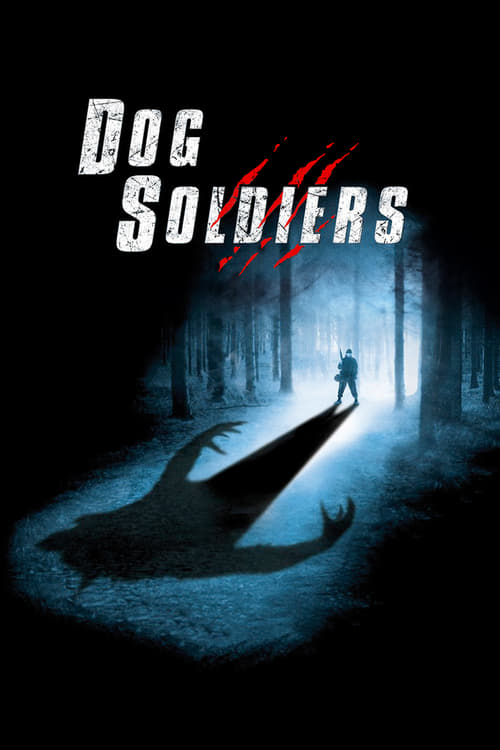
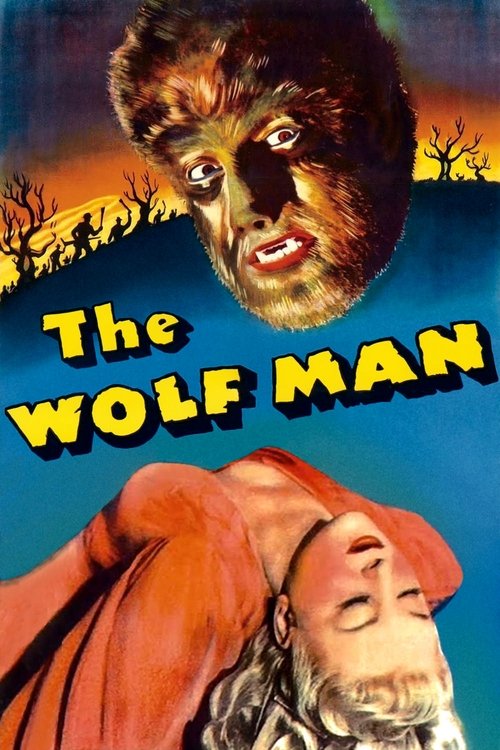
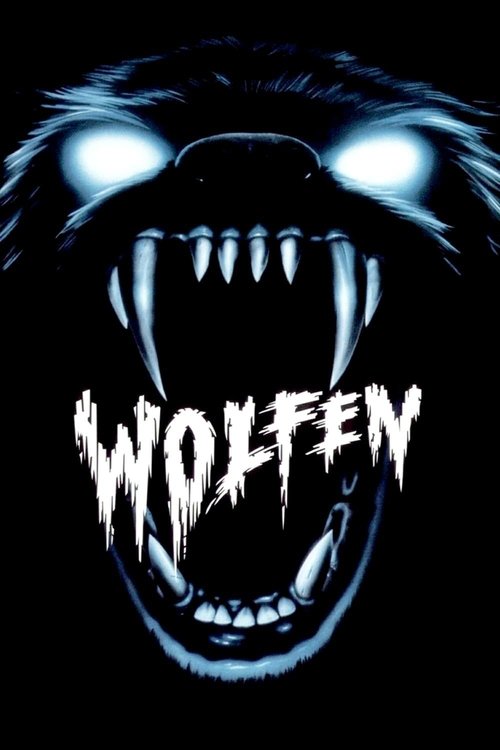
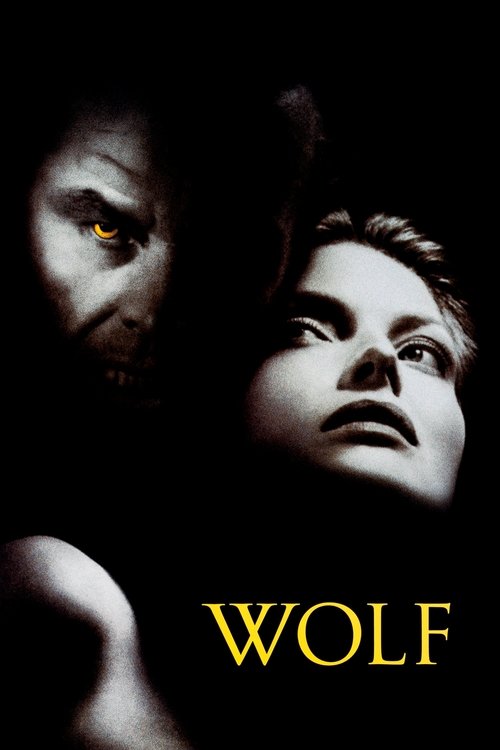
Essential Werewolves: Films
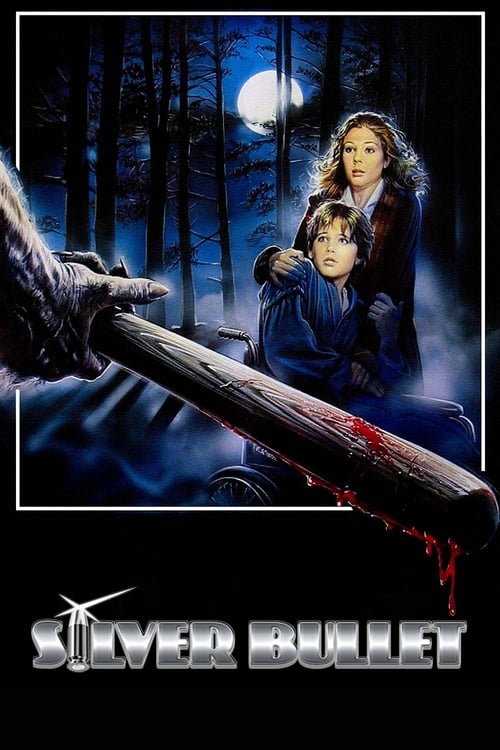
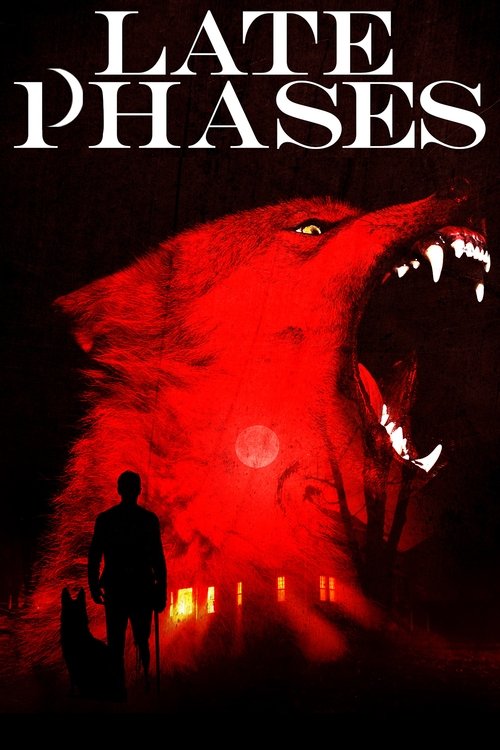
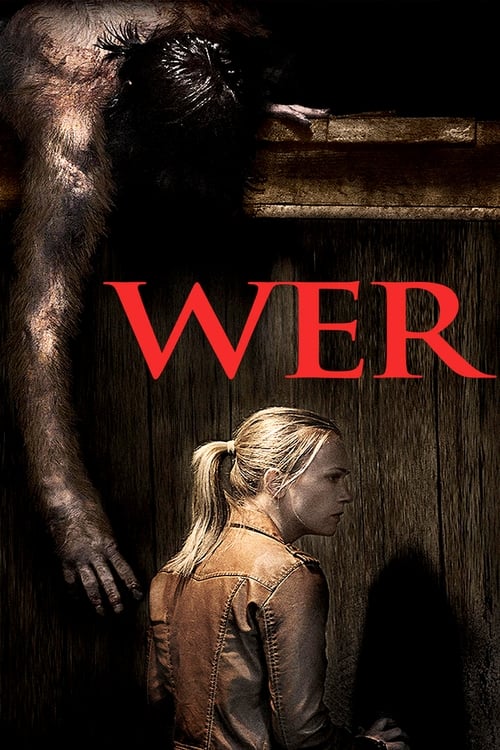
The definitive cinematic treatments of lycanthropy, from gothic tragedy to body-horror comedy
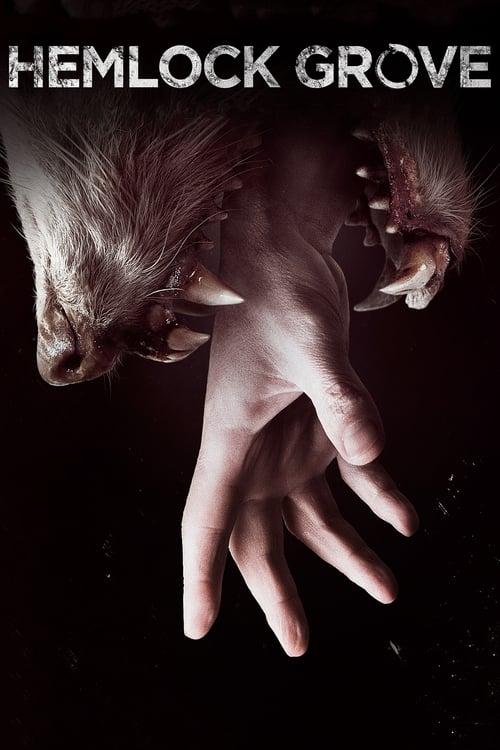
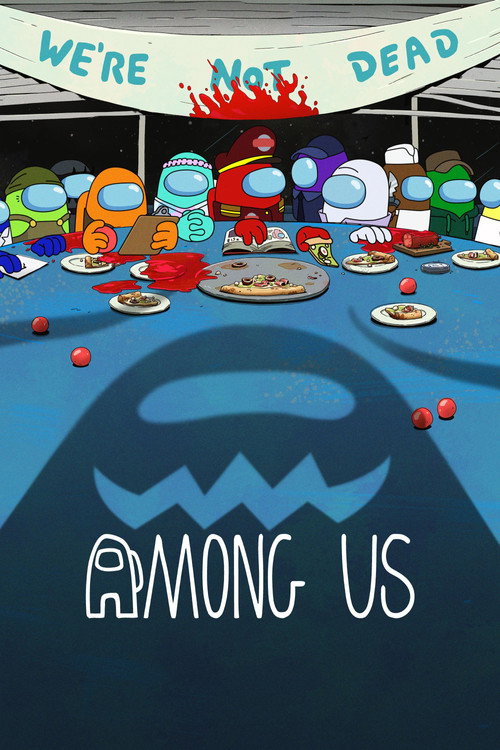
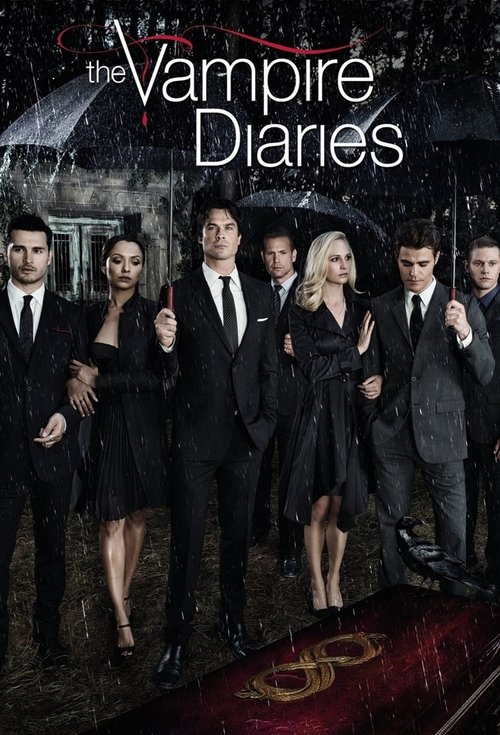
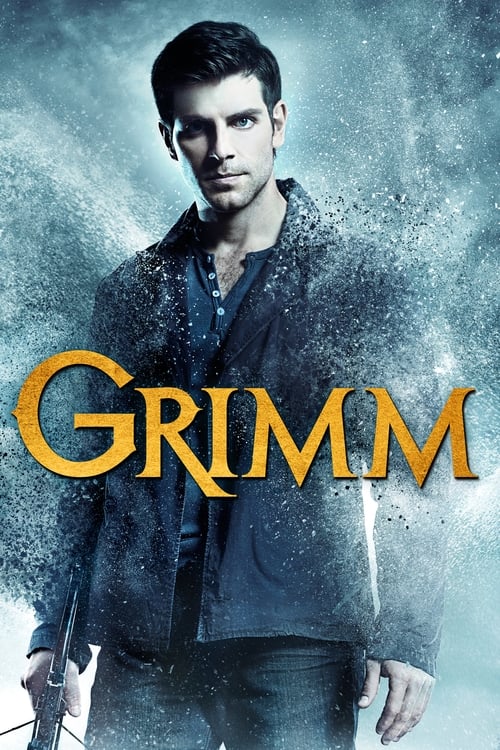
The Body in Revolt: TV Series
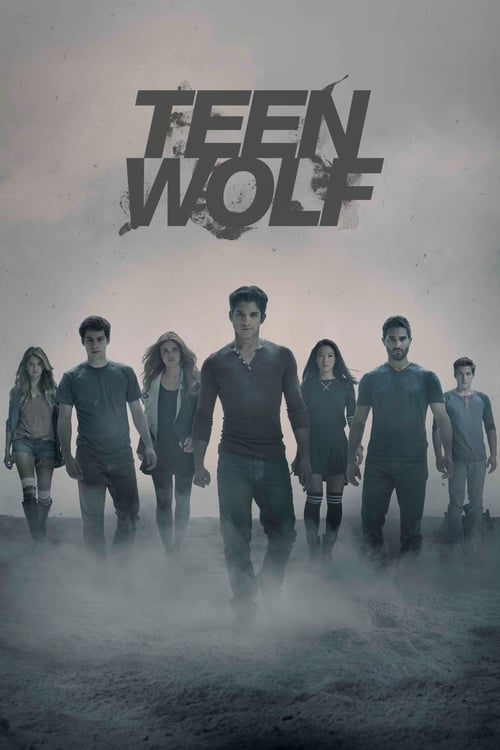
Small-screen lycanthropy, from teen horror to long-form monster mythology

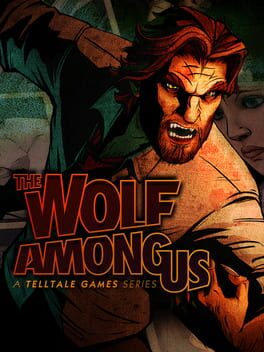
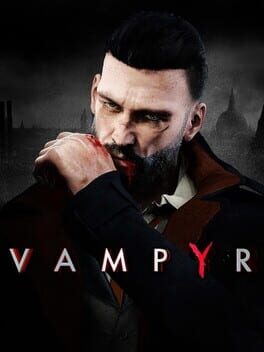
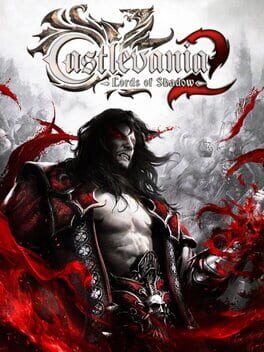
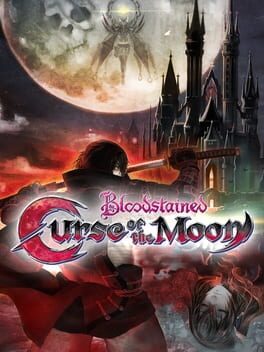
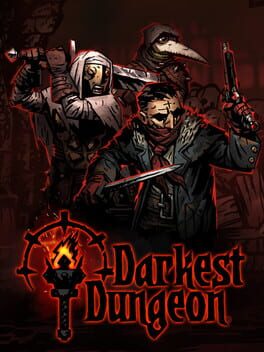
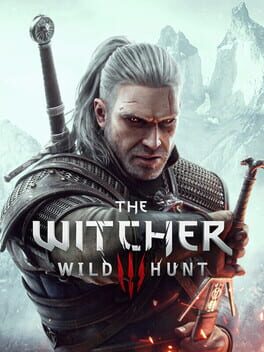
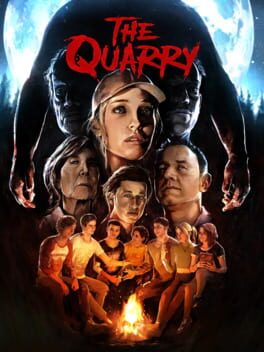
The Hunt and the Howl: Games
Games where lycanthropy, shapeshifting, and predatory transformation drive the experience
Lycanthropic Fiction: Novels and Books
The source texts and literary expansions that gave the myth its modern form


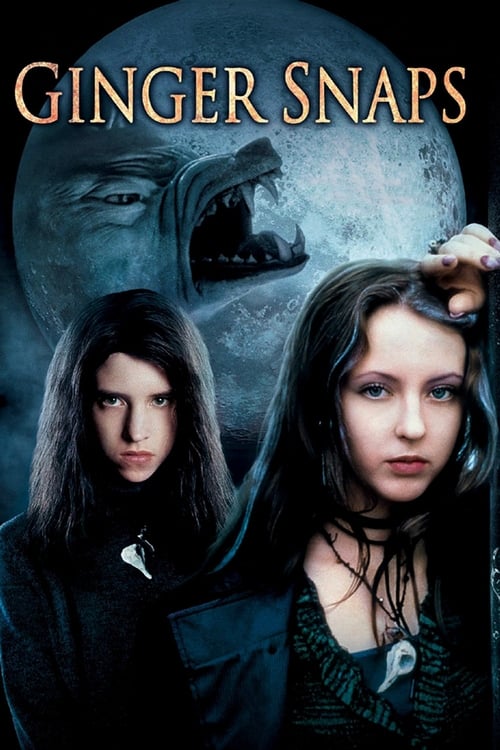
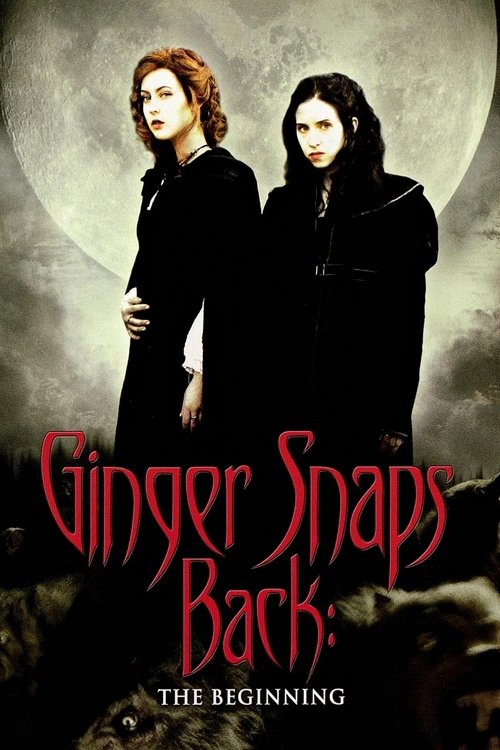
Ginger Snaps Is the Best Werewolf Film Ever Made
John Fawcett's 2000 Canadian horror film arrived with almost no fanfare and has spent the decades since being quietly correct about everything. It uses lycanthropy as a merciless metaphor for female adolescence: first period, first infection, body changing without consent, the world's response shifting from indifference to fear. The transformation is ugly and funny and genuinely sad. Emily Perkins and Katharine Isabelle are extraordinary. No film before or since has made the werewolf feel this personal.
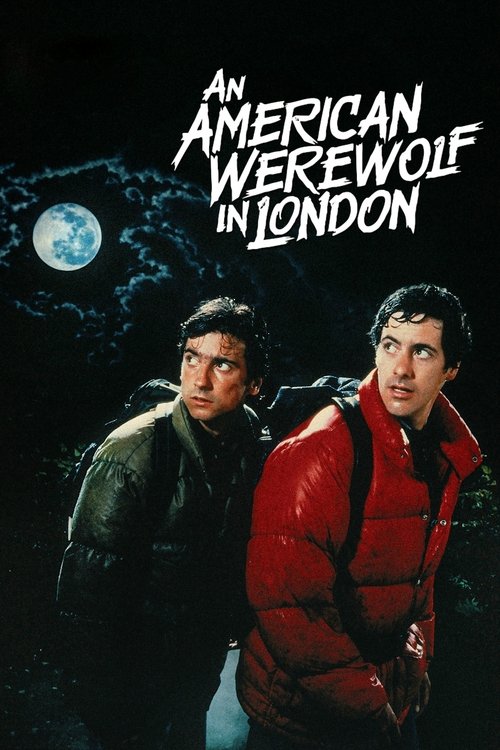
An American Werewolf in London Invented the Modern Transformation Scene
John Landis gave Rick Baker a canvas and Baker painted something that still holds up forty years later. The slow, painful, bone-cracking transformation in the living room is the benchmark against which every subsequent practical-effects werewolf sequence is judged. The film also understood that horror and black comedy are not opposites: it is simultaneously funny, frightening, and genuinely melancholy. The scene where David's dead friend keeps visiting to beg him to end it is funnier and sadder each time.
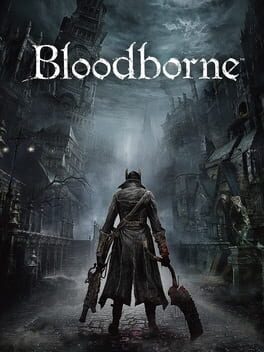
Bloodborne Is the Games Canon's Answer to Lycanthropy
Bloodborne does not call it lycanthropy but the experience maps precisely: a protagonist infected with old blood who transforms under the moon, hunted and hunter simultaneously, sliding toward besthood while trying to hold onto reason. FromSoftware's Victorian-gothic nightmare is the definitive games treatment of the werewolf's core anxiety: the corruption is the power, and using the power accelerates the corruption. It also has the most atmospheric score in the action-RPG canon.
A History of the Screen Werewolf
- 1941Universal Pictures defines the modern werewolf mythology with The Wolf Man, establishing the silver bullet, the full moon, and the reluctant monster. The Wolf Man
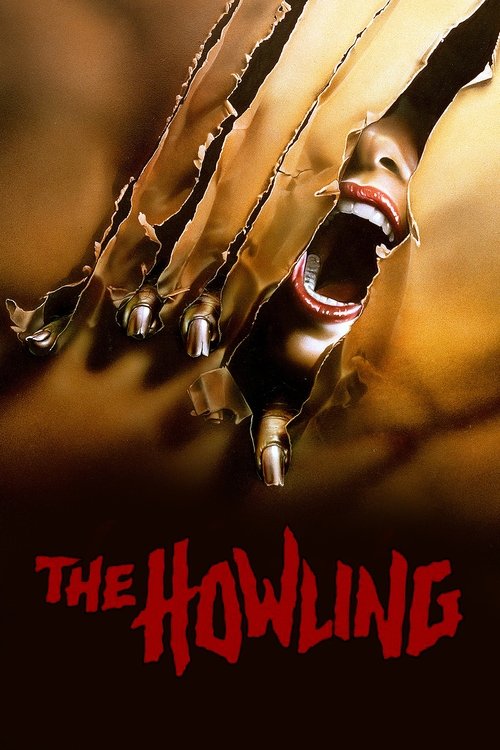
- 1981Two landmark films release the same year: An American Werewolf in London and The Howling both use groundbreaking practical effects and reframe the monster as psychological horror. An American Werewolf in London
- 1994Mike Nichols brings the werewolf to literary prestige with Wolf, starring Jack Nicholson as a publishing executive whose infection reads as male midlife crisis. Wolf
- 2000Ginger Snaps retools lycanthropy as feminist body horror and creates the most acclaimed werewolf film in two decades. Ginger Snaps
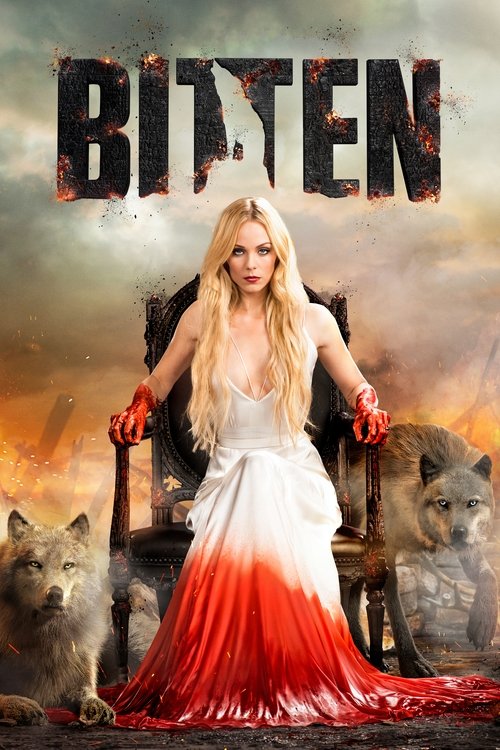
- 2002Kelley Armstrong's novel Bitten launches the Women of the Otherworld series, establishing a female werewolf protagonist as mainstream urban fantasy. Twice Bitten
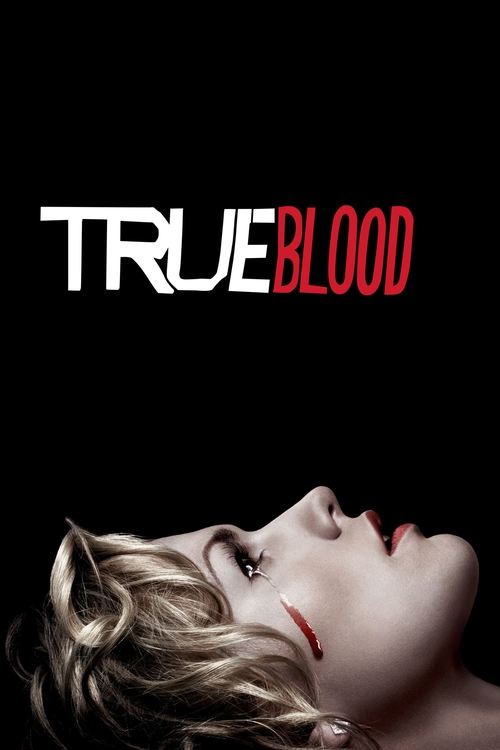
- 2008True Blood premieres on HBO, folding werewolves into a broader supernatural political allegory that runs for seven seasons. True Blood
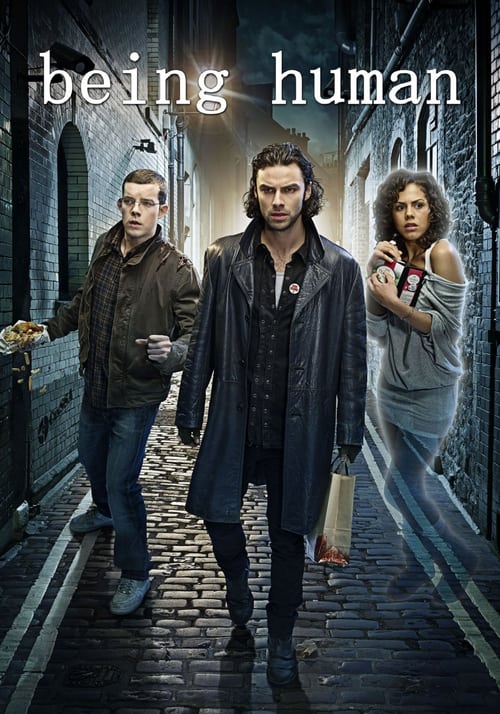
- 2011The British series Being Human reaches its peak, dramatizing a werewolf, a vampire, and a ghost sharing a house and each trying to stay human. Being Human
- 2015FromSoftware releases Bloodborne, the most critically acclaimed game to use lycanthropy as its central horror metaphor. Bloodborne
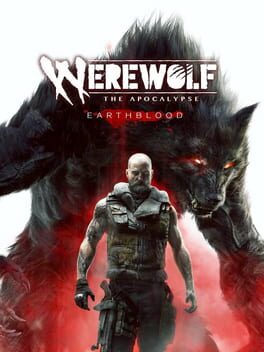
- 2020Werewolf: The Apocalypse - Earthblood adapts the beloved tabletop RPG that had defined the werewolf as ecological warrior for thirty years. Werewolf: The Apocalypse - Earthblood
The beast within, by moonlight
Werewolves & Lycanthropy
Explore the Werewolves & Lycanthropy guide →The moon pulls the wolf out of the man. The man pulls the moon down every morning and keeps going.CrossBinge editors