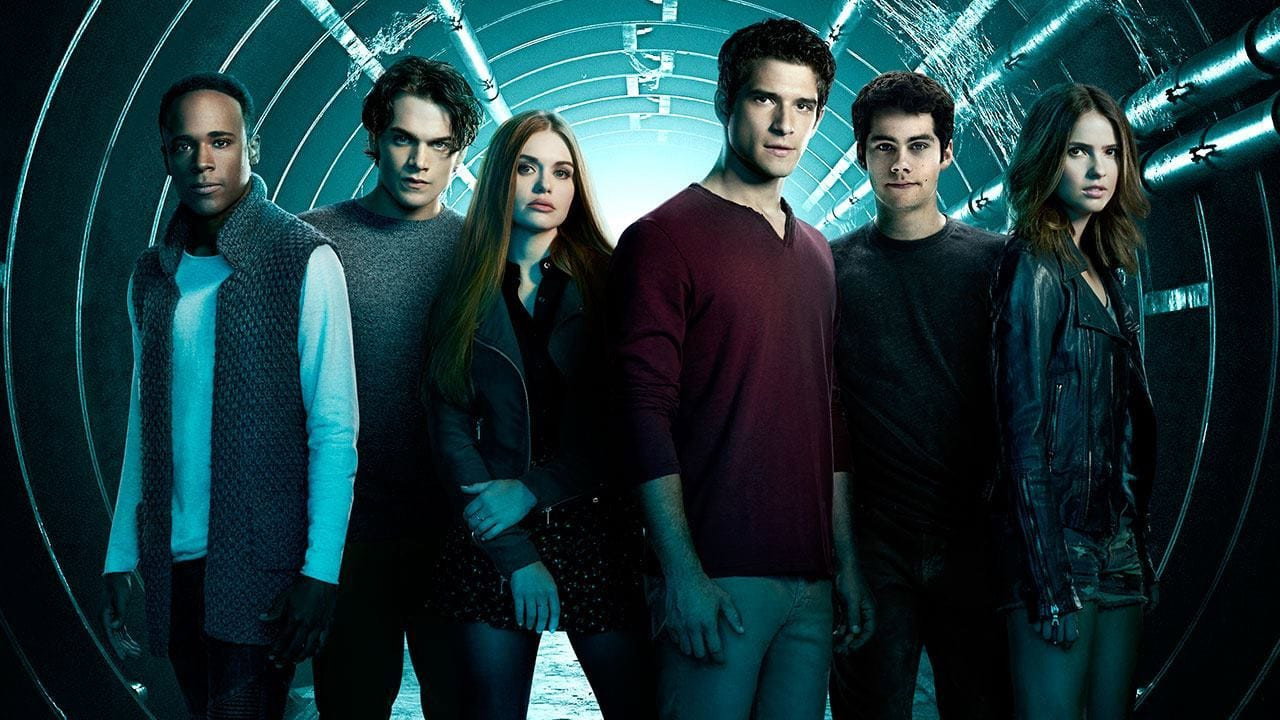

The werewolf who just wanted to make the team
Teen Wolf began not as a novel or comic but as an original screenplay, written by Jeph Loeb and Matthew Weisman and produced on a budget of roughly $4 million in 1985. The high-concept pitch was deliberately unpretentious: a teenage boy discovers he is a werewolf, and instead of horror following, he becomes a basketball star. Michael J. Fox, already a household name from Family Ties, carried the film with such ease that the werewolf makeup barely slowed him down on the court. The movie grossed over $80 million worldwide, and that success immediately set the franchise machine in motion.
What followed was a sequence of opportunistic adaptations. A Saturday morning cartoon arrived within a year. A theatrical sequel replaced Fox with Jason Bateman and swapped basketball for boxing. Then silence for over two decades, until MTV decided the concept was rich enough to rebuild from scratch, stripping away the comedy entirely and leaning hard into supernatural teen drama in the vein of Buffy the Vampire Slayer. That series ran for six seasons and built its own devoted audience, eventually warranting a revival film in 2023. Each version tells the same story of an ordinary teenager gaining monstrous power, then grappling with what to do with it, but the emotional register shifts dramatically depending on the era and the medium.
Every Version of Teen Wolf
All the screen incarnations, in order
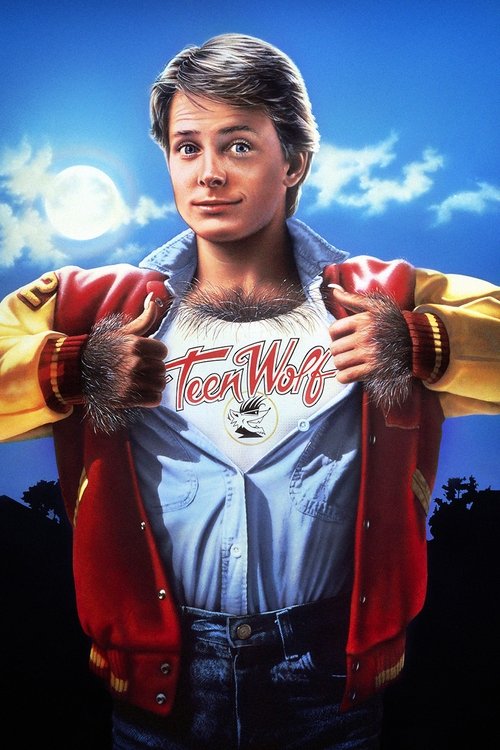
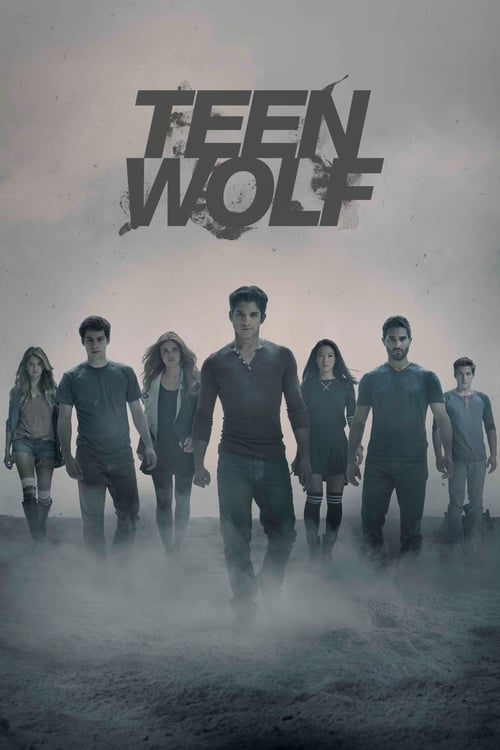
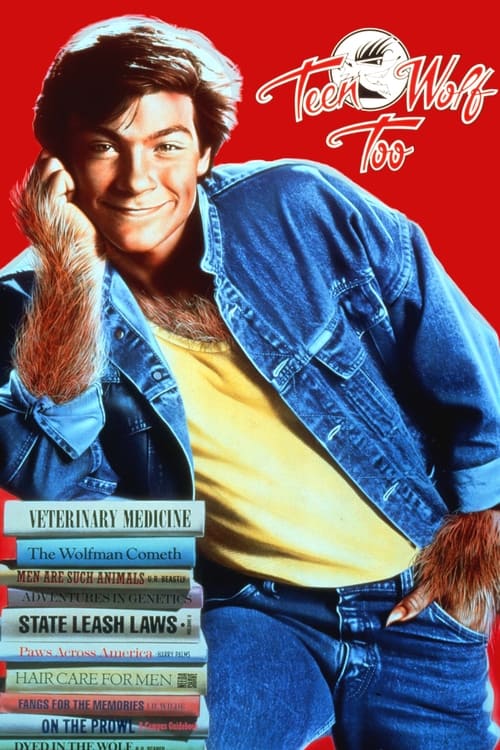
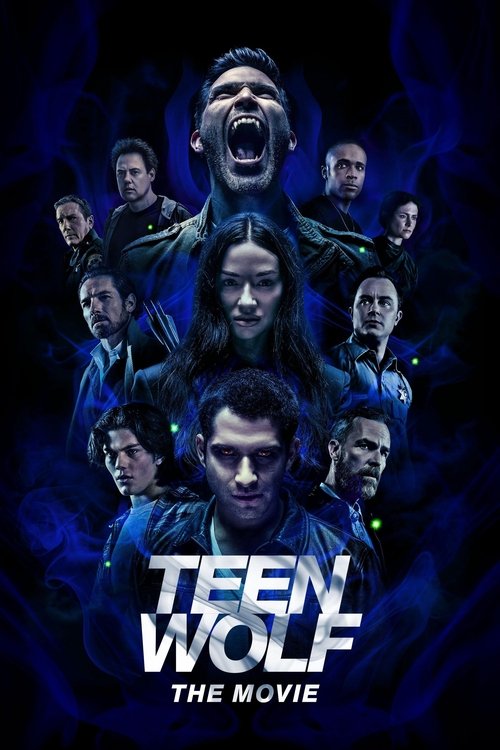
Teen Wolf across the decades
- 1985The original film Teen Wolf
- 1986Saturday morning cartoon (two seasons, 21 episodes) Teen Wolf
- 1987Theatrical sequel Teen Wolf Too
- 2011MTV drama reboot launches Teen Wolf
- 2017MTV series concludes after 6 seasons, 100 episodes
- 2023Paramount+ revival film Teen Wolf: The Movie
The definitive version is the one that abandoned the joke
The MTV series (2011-2017) is the version that actually made something of the premise. Creator Jeff Davis jettisoned the comedy entirely and replaced it with a serialized supernatural mythology, drawing from broader werewolf lore and building a cast with genuine ensemble depth. Tyler Posey's Scott McCall is a more interesting protagonist than the original Scott Howard precisely because the show puts real stakes around him: loyalty, mortality, identity. It ran long enough to build a world with its own internal rules. That is the version people mean when they say Teen Wolf now, and that is correct.
The 1985 original is better than its reputation suggests
The original film gets filed under nostalgia bait, but it holds up as a tight, cheerful piece of high-concept filmmaking. Michael J. Fox's physical comedy and natural likability do most of the work, and the screenplay is smarter than it looks: the werewolf gift is framed as a temptation toward shortcuts, and Scott has to choose authenticity over easy power. That is a real theme, delivered cleanly in 91 minutes. It does not overstay its welcome, and it earns the happy ending.
Teen Wolf Too is the one to skip
The 1987 sequel replaces basketball with boxing, replaces Michael J. Fox with Jason Bateman, and replaces any sense of invention with naked franchise obligation. The formula is identical to the first film but the spark is gone. The change of sport is purely cosmetic: same arc, same beats, nothing added. It exists as a document of late-1980s franchise mechanics, which is about the kindest thing that can be said of it.
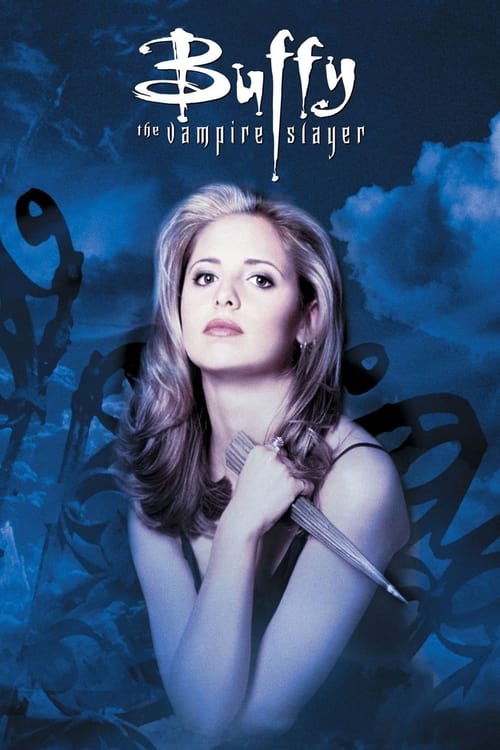
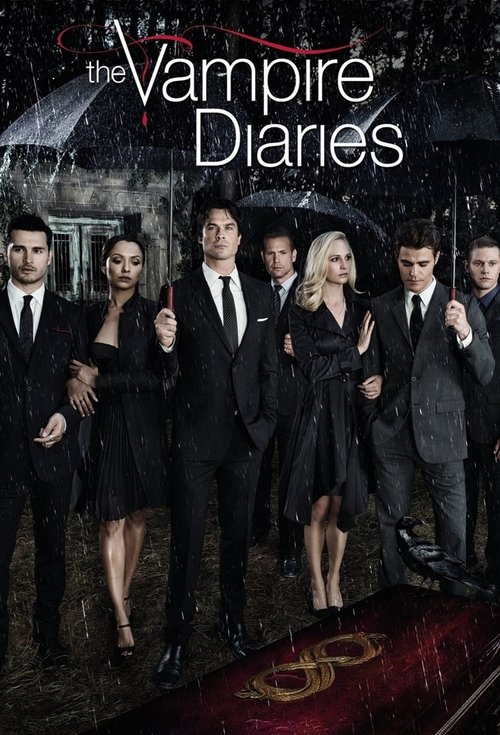
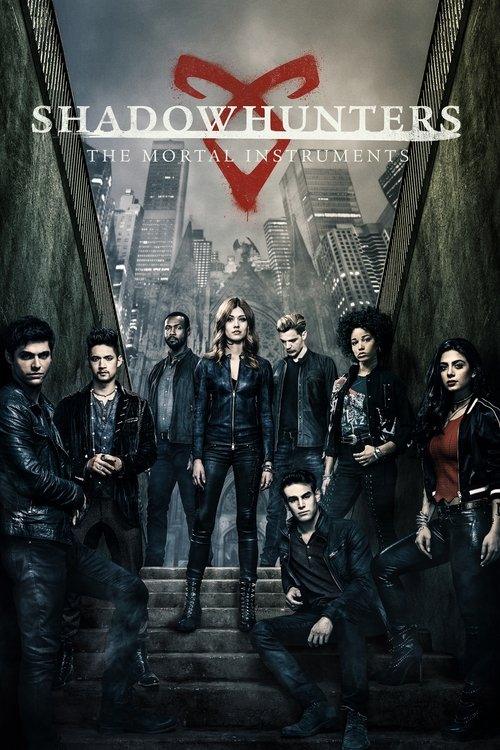
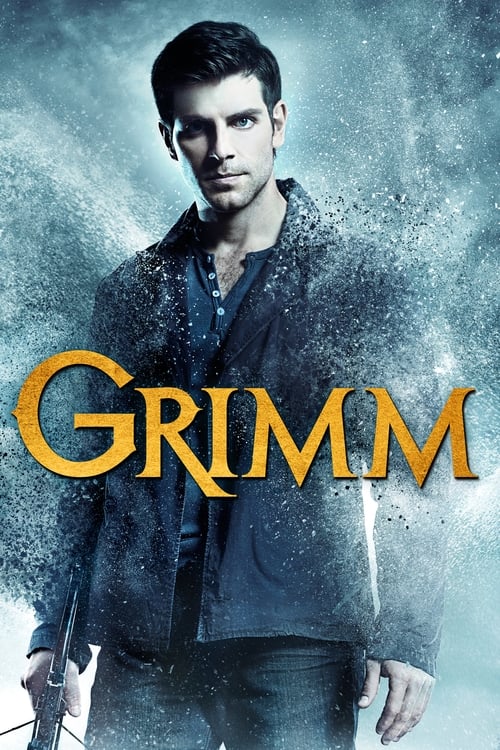
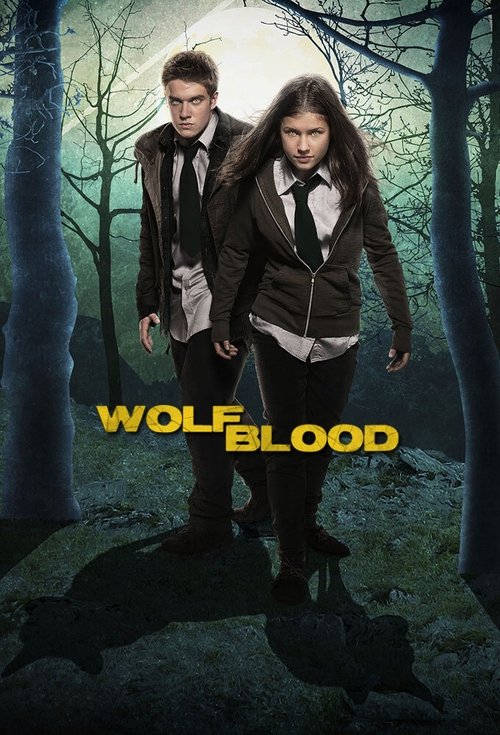
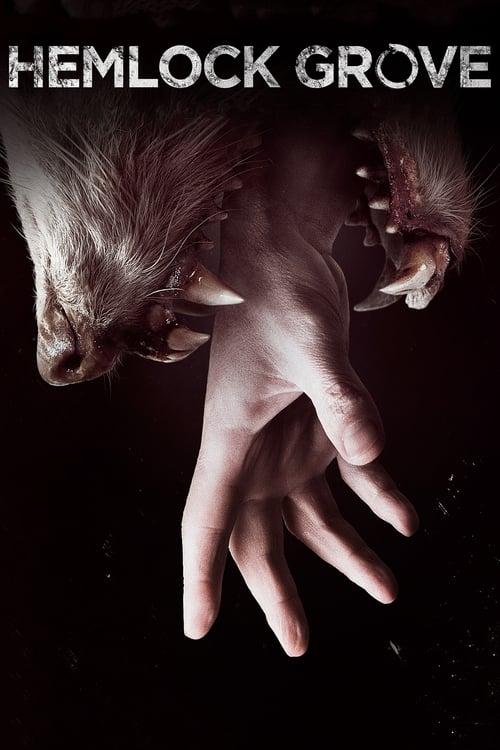
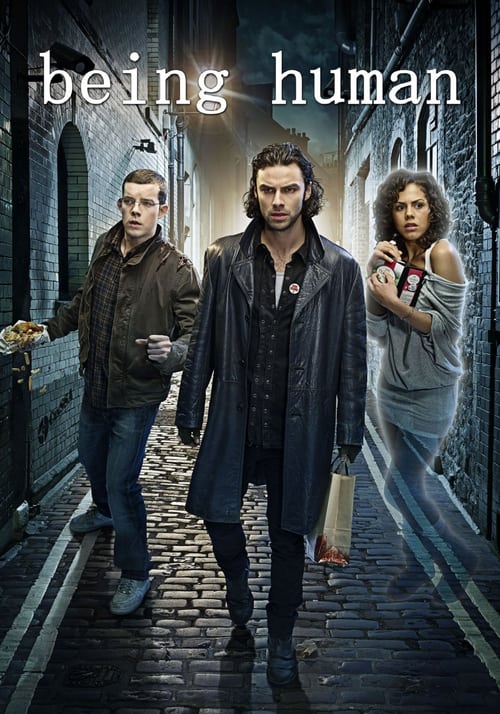
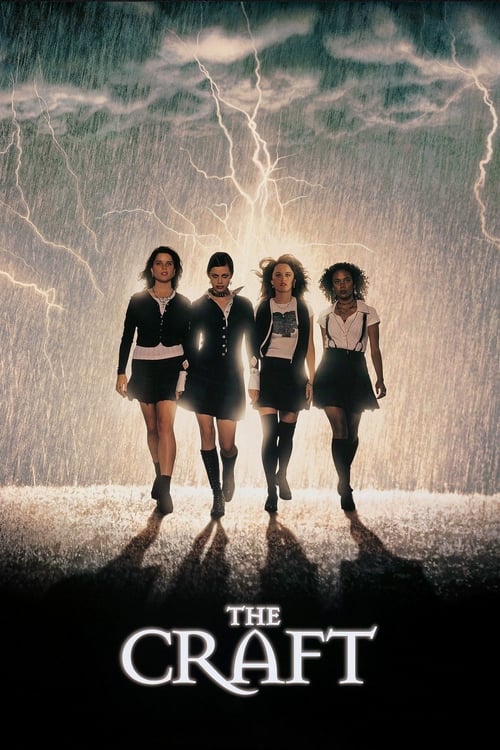
If you love the MTV series: supernatural teen dramas
Shows that mix coming-of-age with monsters, mythology and ensemble casts


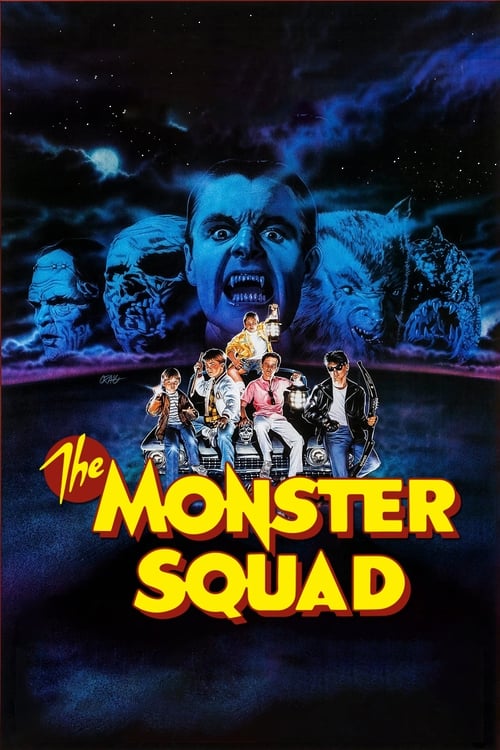
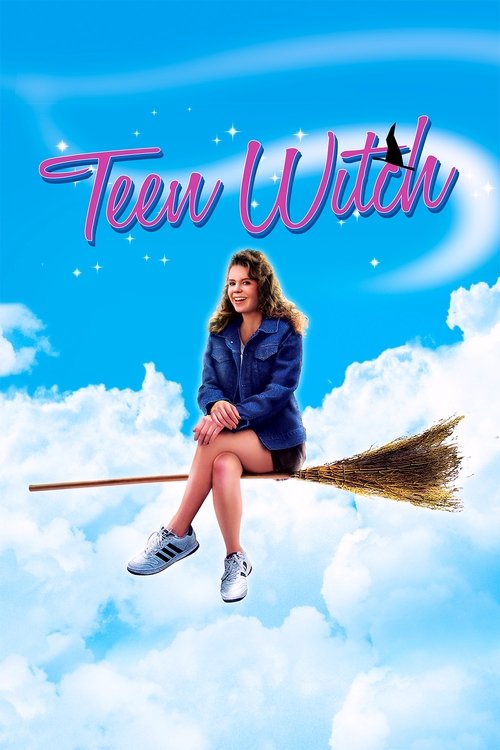
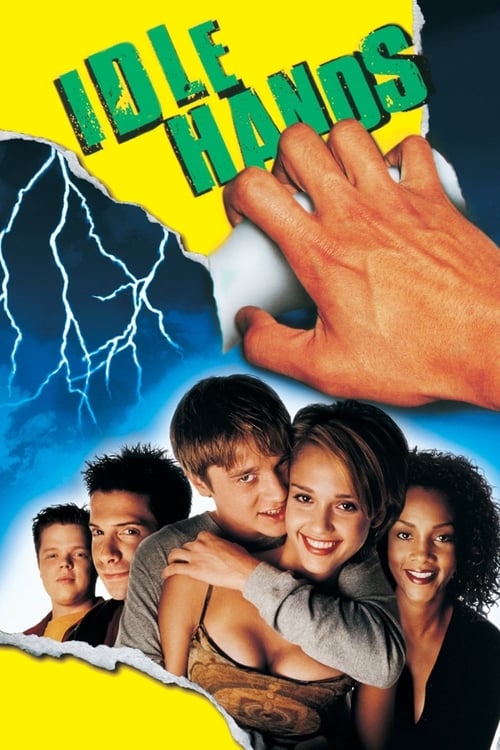
If you love the 1985 film: high school comedies with a supernatural twist
Ordinary kids, extraordinary problems, mostly played for laughs
If you love Teen Wolf: werewolf stories across media
The full spectrum, from body-horror to folklore to pulp romance
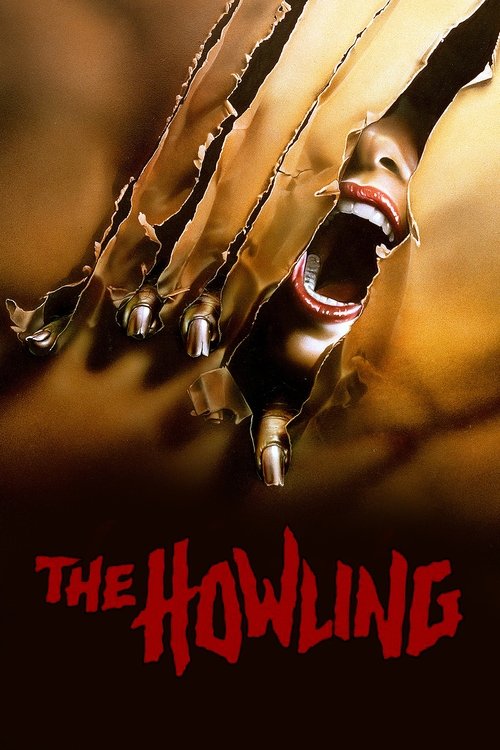
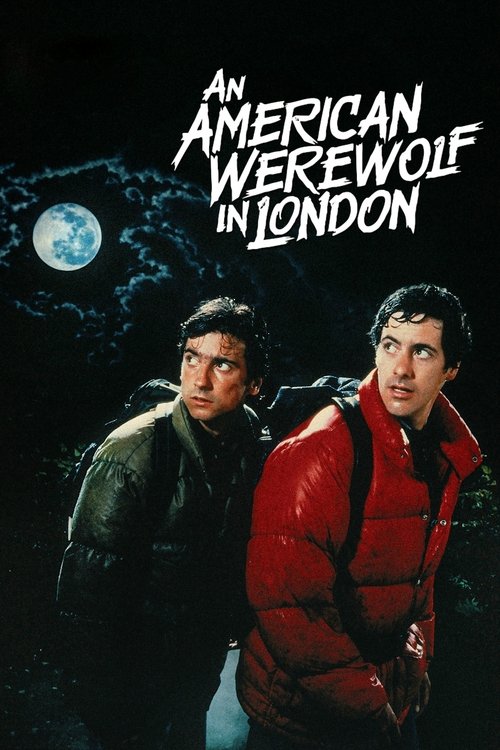
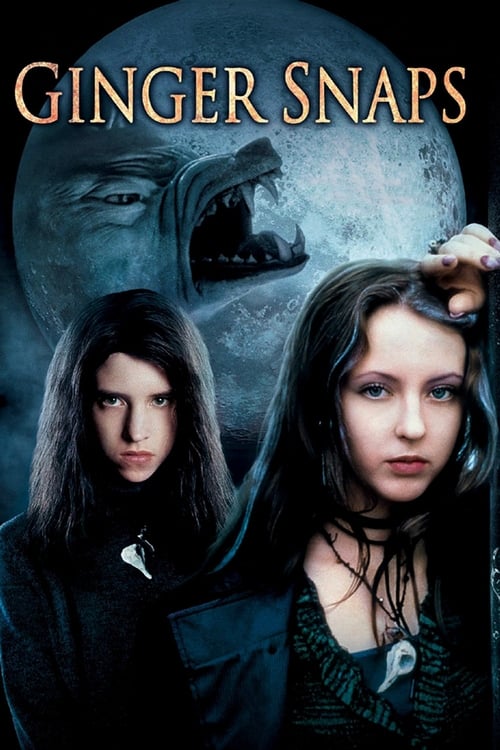
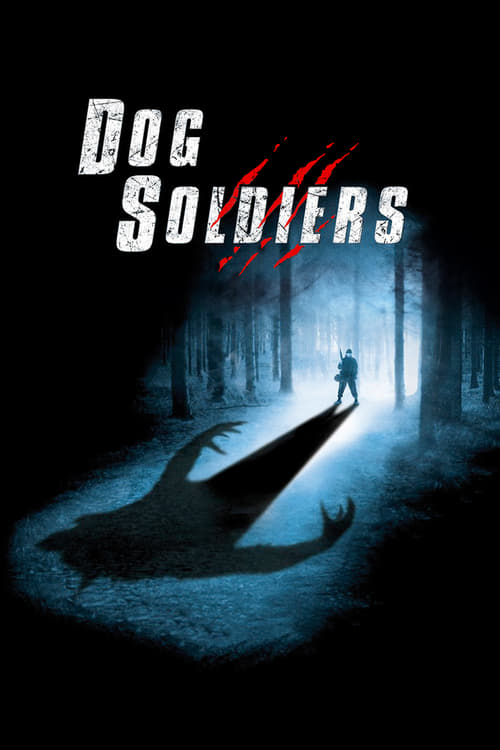
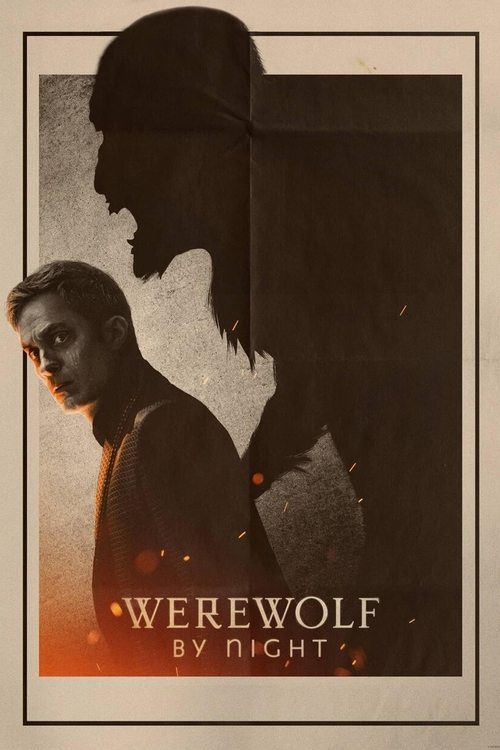
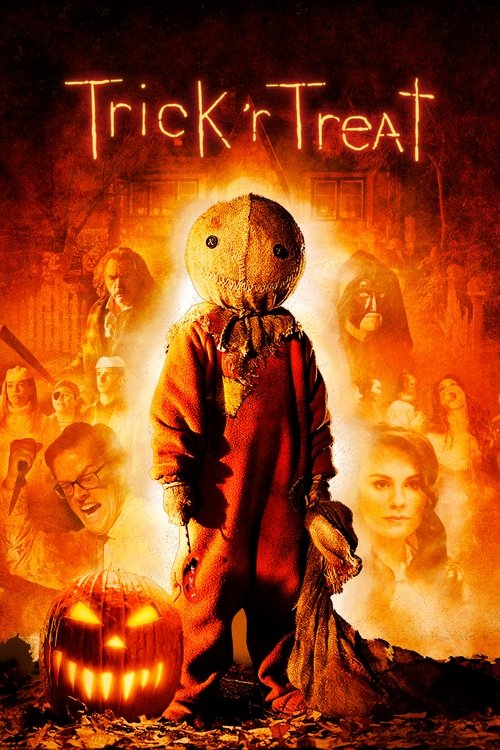
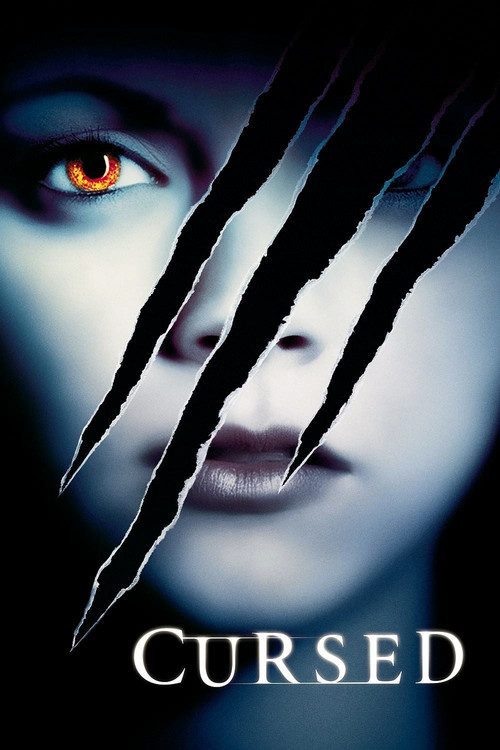
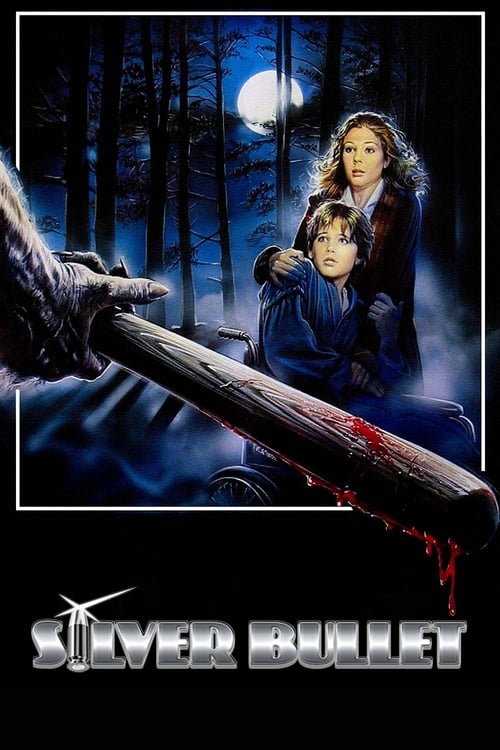
If you love Teen Wolf: chosen teenagers carrying monstrous burdens
Stories about power that arrives before the kid is ready for it