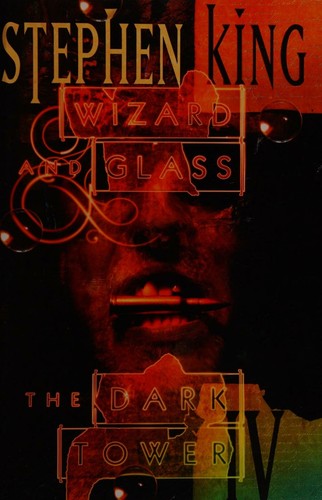

Wizard and Glass is the book where Stephen King's Dark Tower series stops being a quest and becomes a love story. Roland Deschain's memory of Susan Delgado, Hambry, and the Mejis betrayal is the series' emotional core: a young gunslinger who had everything and lost it all before he turned twenty, and who has been paying for it ever since. What readers chase in its wake is that specific texture: an epic told in flashback, where the doom is visible from the first page and the tragedy lands anyway; genre-bending that fuses the American Western, high fantasy, and Gothic romance without apologizing for any of them; and a villain, Rhea of the Cöos, who is genuinely malevolent in the old fairy-tale sense. The book earns its length because it understands that scale and intimacy are not opposites. If you love Wizard and Glass, you are chasing stories that risk sentimentality and pull it off, worlds that feel geographically real even when they are impossible, and the particular ache of a past that cannot be undone.
The Dark Tower series: where Wizard and Glass lives
The full sequence Roland's world demands, from the Gunslinger to the Tower itself.


Sweeping romantic tragedies that earn their length
Epic novels where a doomed love story carries the full weight of a larger world.


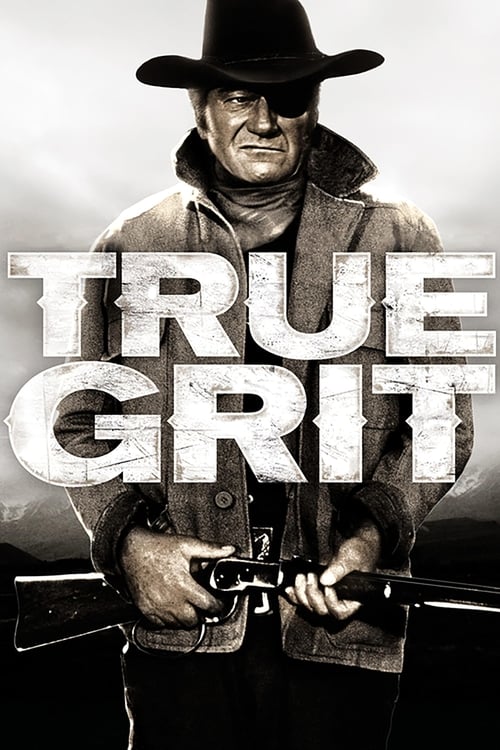
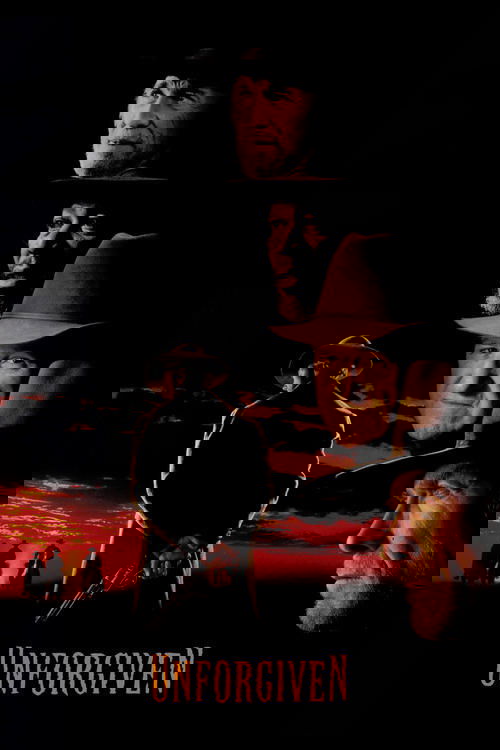
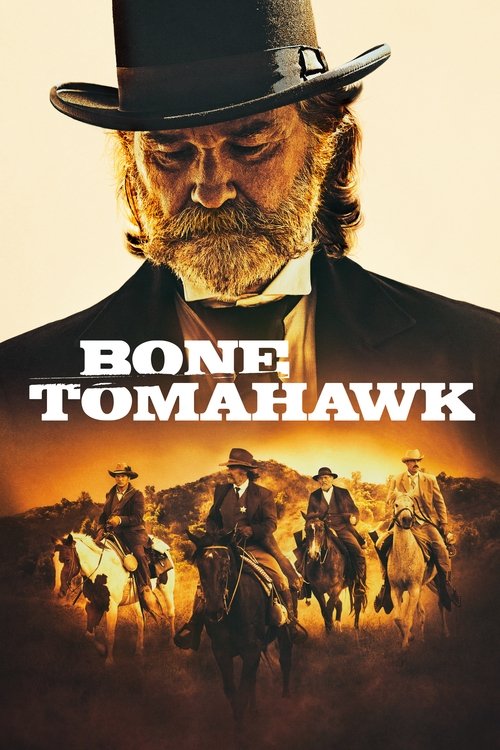
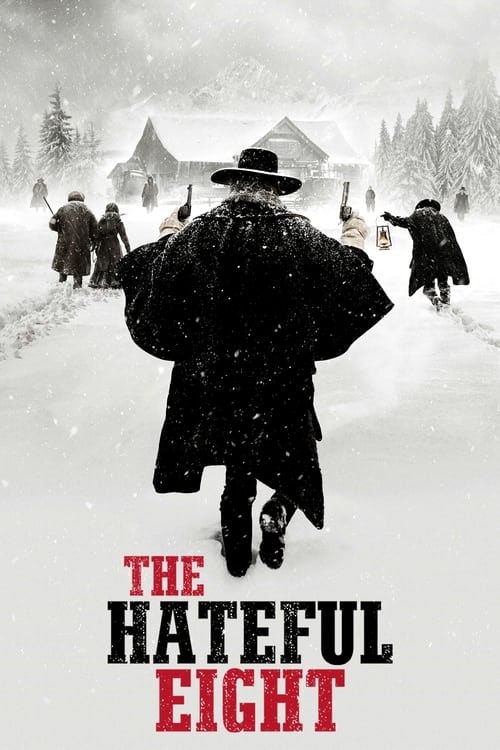
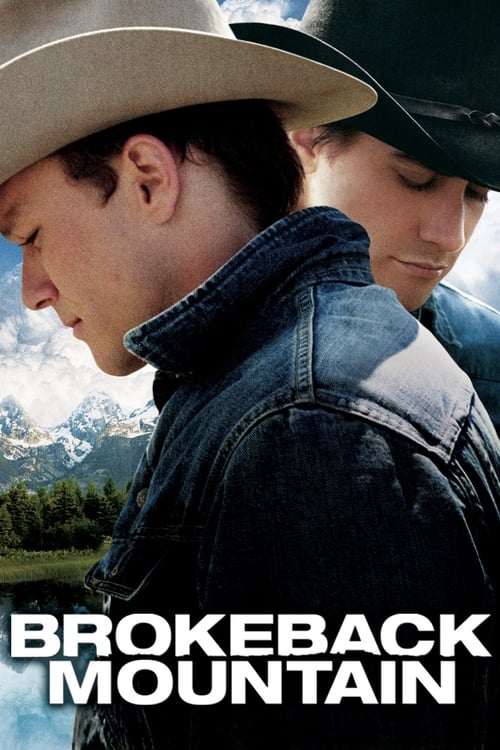
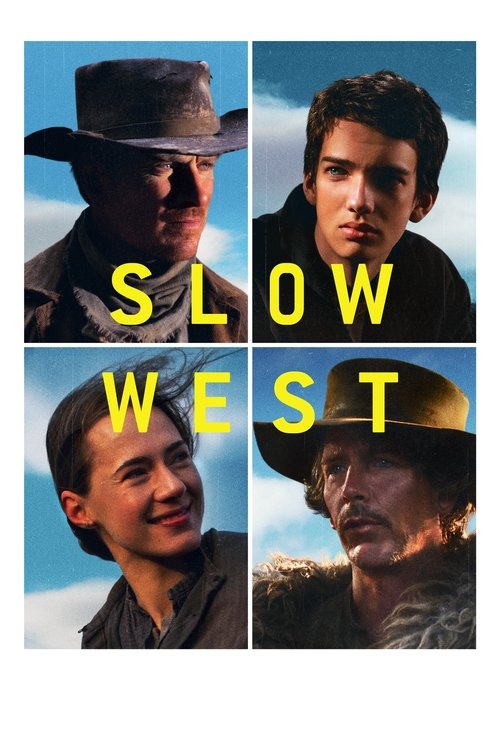
Westerns that open into something stranger
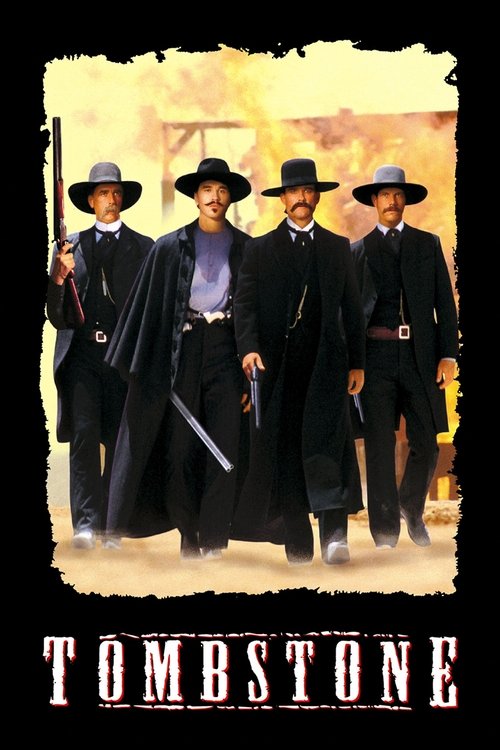
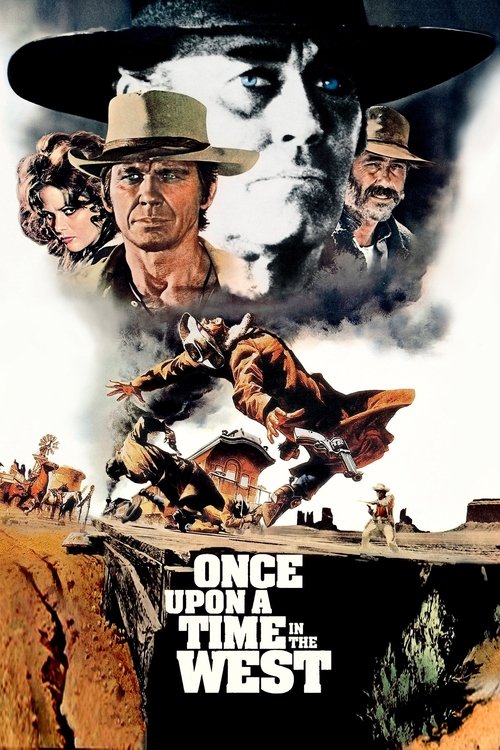
Films where the frontier genre refuses to stay in its lane.

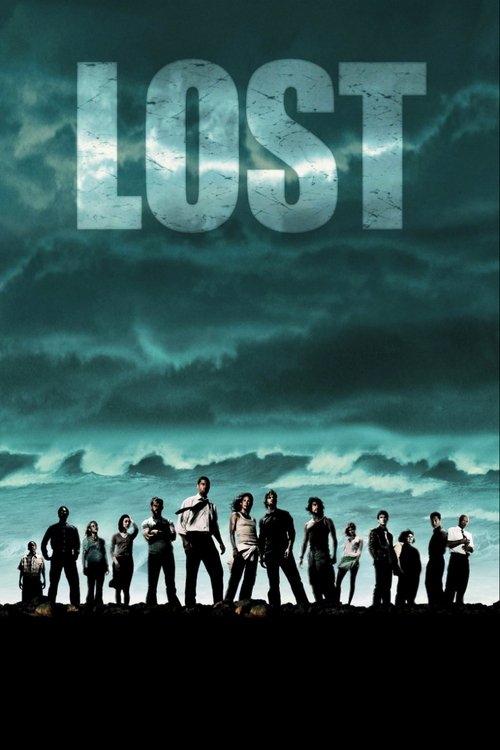
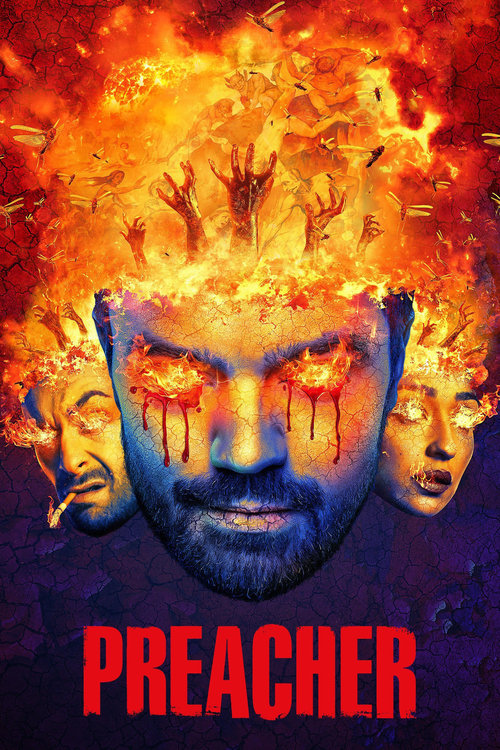
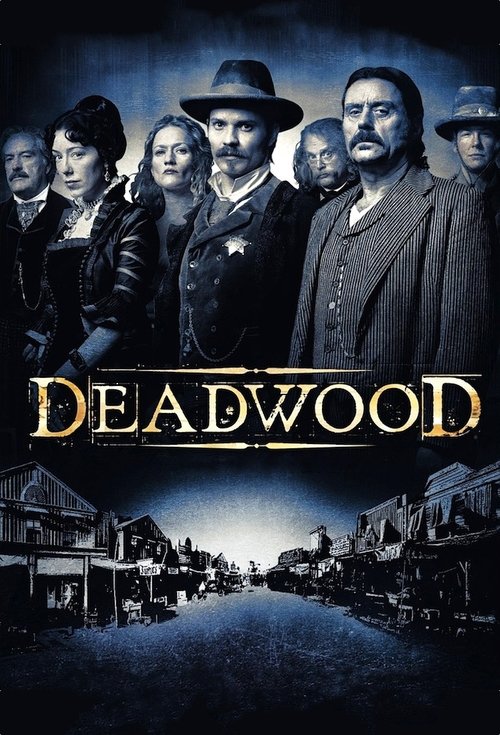
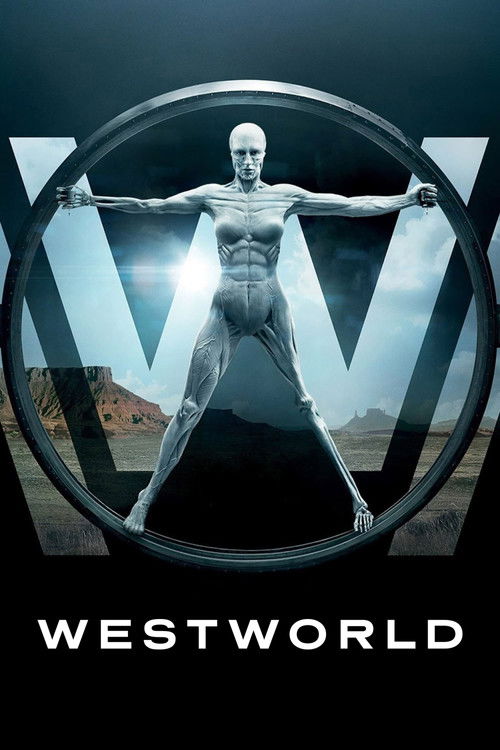
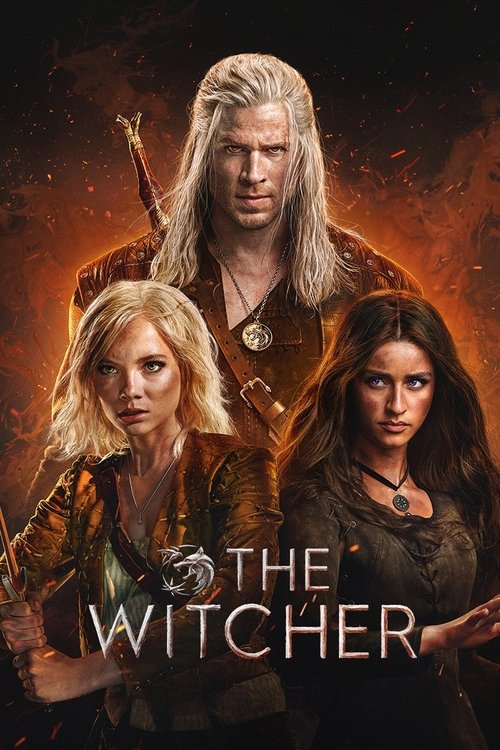
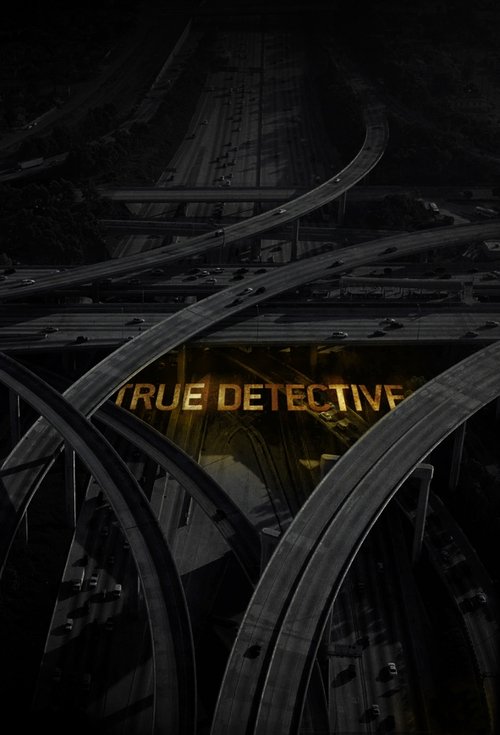
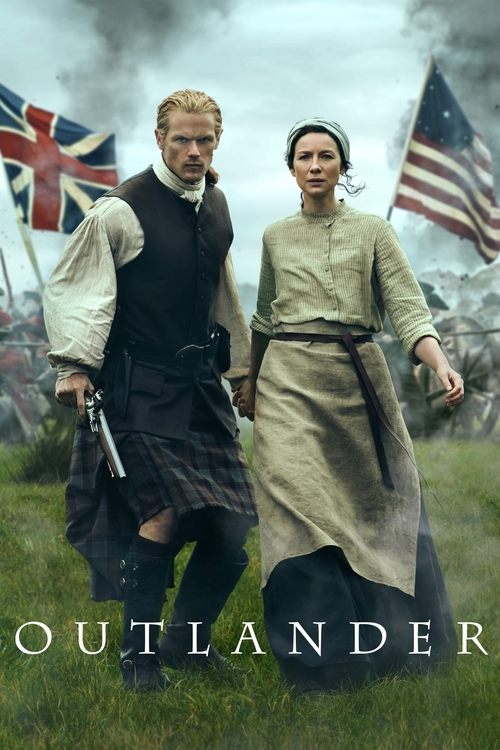
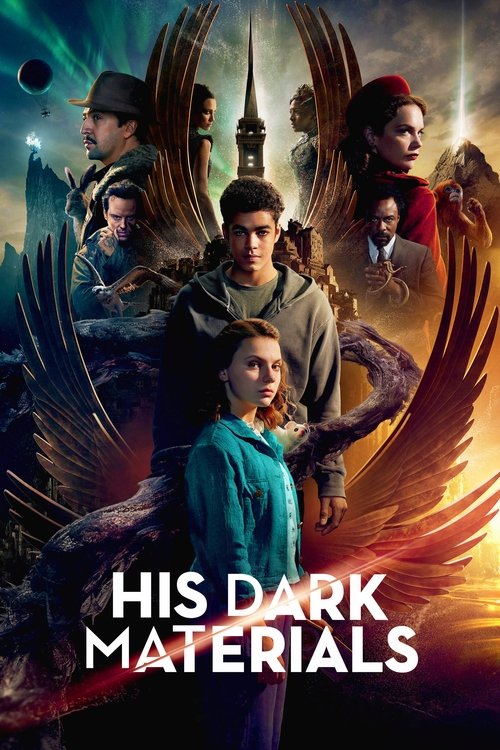
Series built on mythic flashback and world-spanning lore
Television that uses the same structure: a present story interrupted by a past that explains everything.
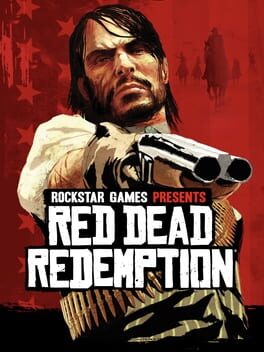
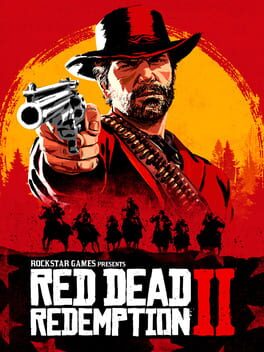
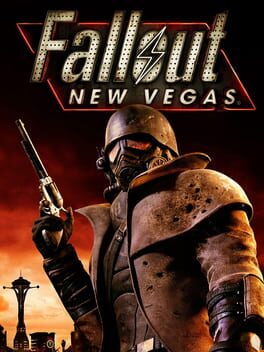
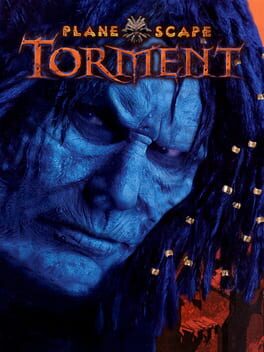
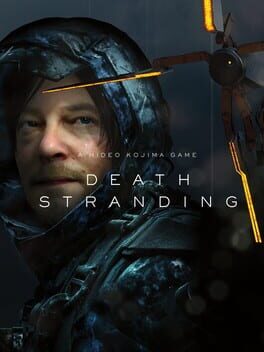
Games with a gunslinger's loneliness and a world ending slowly
Games that share Wizard and Glass's tone: vast, melancholy, and morally serious.
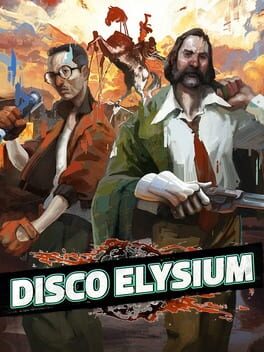
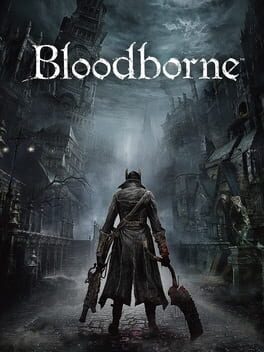
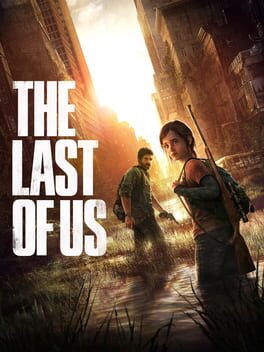
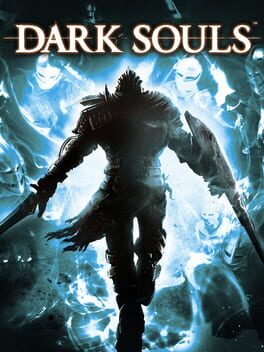
Scores and albums for a world that feels haunted and vast
Music that carries the same emotional weather: wide-open space with something wrong at the center.
The flashback structure is the story, not a delay
Readers who find Wizard and Glass slow are waiting for the frame narrative to resume. That misses the point. The Hambry sections are where King does his most controlled, most emotionally precise work in the entire Tower sequence. The present-day quest earns its weight because we now know what Roland has already lost and why he cannot afford to lose again. A flashback that renders the past this fully is not a detour. It is the destination.
Susan Delgado is the series' finest character and that matters
The Dark Tower novels are often read as Roland's story, and Wizard and Glass does nothing to change that framing. But Susan Delgado is drawn with more interiority, more contradiction, and more grief than almost any character in the series. Her fate is not simply tragic: it is the cost the story charges for Roland's single-mindedness. Readers who fall hardest for this book tend to be the ones reading it as her story too.
The Western and the Fantasy need each other here
King has always used genre mixing, but in Wizard and Glass the fusion is load-bearing. Hambry only works because it reads as a real frontier town, with real political corruption and real economic anxiety. The supernatural element (Maerlyn's Rainbow, the Crimson King's reach) is more frightening precisely because it intrudes on something so grounded. Strip out either half and the other collapses.
Red Dead Redemption 2 is the closest thing to this book in games
The comparison is not superficial. Both are stories about a man shaped by a violent code watching that code become obsolete, told through vast landscapes that make the tragedy feel cosmic rather than personal. Red Dead 2 uses the same structural move as Wizard and Glass: you know the ending from the opening hours, and the game makes you live through it anyway. The power comes from commitment to the arc, not from surprise.
From pulp Western roots to the ka-tet's long road
- 1978The Gunslinger begins serialization in The Magazine of Fantasy and Science Fiction, introducing Roland Deschain to readers. The Gunslinger
- 1987The Drawing of the Three published; the modern world intrudes on Mid-World for the first time. The Drawing of the Three
- 1991The Waste Lands deepens the ka-tet and the cosmology; the Tower quest gains its full shape.
- 1997Wizard and Glass published; the Hambry flashback becomes the emotional backbone of the entire series. Wizard and Glass
- 2003Wolves of the Calla resumes the quest; the series enters its final stretch after a six-year pause. Wolves of the Calla
- 2004Song of Susannah and The Dark Tower both published; the sequence reaches its controversial conclusion.
- 2012The Wind Through the Keyhole, set between Wizard and Glass and Wolves of the Calla, returns to young Roland once more.
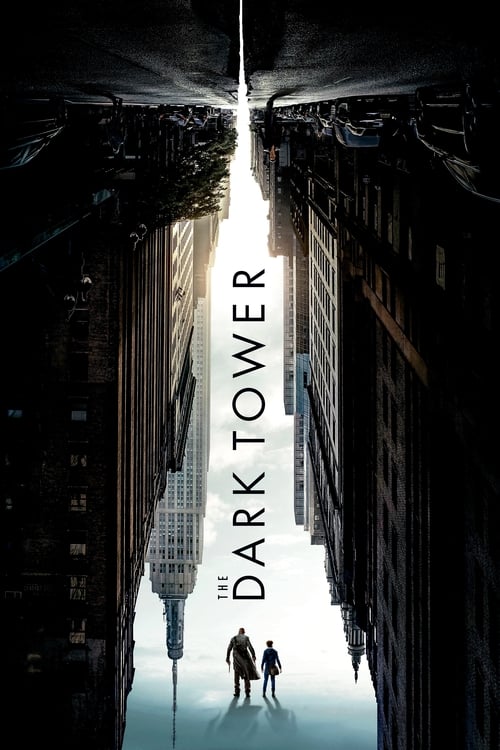
- 2017Film adaptation arrives, collapsing the series into a single feature and dividing the fanbase. The Dark Tower
Time is a face on the water.Wizard and Glass, Stephen King