

Zadie Smith arrived in 2000 with White Teeth and instantly made the multi-generational, multi-racial London novel feel like the only form adequate to contemporary life. What her readers chase is a specific sensation: being inside a prose voice so alert, funny, and morally serious that you finish a chapter and have to sit with it. Her novels are not quiet. They are loud with argument, crowded with families, full of characters who are wrong about themselves in ways that illuminate something true about everyone. NW goes inward and fractured. On Beauty lands in the American campus. The Autograph Man goes somewhere stranger and stranger still. Swing Time finds the friendship at the center of ambition and envy. The through-line is curiosity about what it costs to become who you are, and who pays that cost for you.
Essential Zadie Smith
Her novels in the order a new reader should encounter them


White Teeth on Screen and Its Kin
Adaptations of her work, and British social comedies that share its DNA







Novelists of the Same Argument
Authors who write the plural, contested, funny social novel


TV That Holds the Same Contradictions
Series about class, identity, and belonging that refuse easy answers








Films That Carry the Social Comedy Weight
Cinema with the same wit, ambition, and unresolved tension






Games About Who You Become
Games that put identity, choice, and social friction at the center





NW Is Her Most Difficult and Most Honest Book
White Teeth made Smith famous. NW made her a more interesting writer. The novel fragments its prose into different registers for each character, and that formal choice is the argument: Leah and Natalie grew up on the same estate, chose different paths, and both paid a price the novel refuses to sentimentalize. It is a book about how class shapes even the people who escape it, told in a style that mirrors the fractured attention of contemporary London. If you bounced off it on first attempt, try again. The difficulty is the point.


On Beauty Is the Campus Novel Done Right
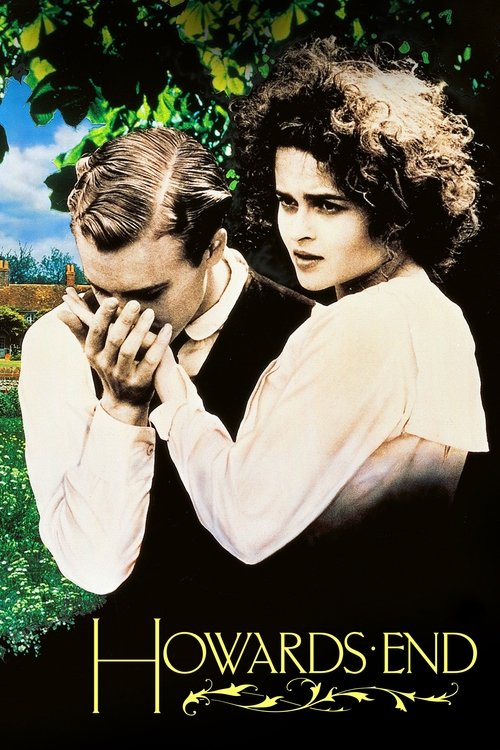
Smith wrote On Beauty in direct conversation with E.M. Forster's Howards End, transplanting the class conflict to a liberal American university and a marriage under pressure from competing ideas about beauty, race, and merit. It is the most structurally conventional of her novels, which is why it might be the easiest entry point. It is also quietly devastating. The set piece where Howard Belsey has to admit what he actually believes in front of the people who trusted him is one of the best scenes in contemporary British fiction.

The Essay Collections Explain the Novels
Feel Free and Changing My Mind are not supplementary materials. They are part of the same project. Smith writes about Joni Mitchell and Katharine Hepburn and Franz Kafka with the same attention she brings to her characters, and the result is a portrait of what a serious reader and writer actually thinks about. The essay on Middlemarch in Changing My Mind explains more about her novelistic ambitions than any interview. Read them alongside the novels, not after.

Swing Time Is About Friendship as Much as Ambition
The nameless narrator of Swing Time exists partly as a foil and partly as a mirror for her brilliant, charismatic childhood friend Tracey. Smith is writing about how friendship can be a site of envy and projection and genuine love all at once, and she structures it around dance as a form that demands both individual expression and coordination with others. The West Africa sections expand the novel's scope in ways that feel earned rather than dutiful. It is underrated.
A Zadie Smith Chronology
- 1975Born in Brent, North West London, to a Jamaican mother and English father
- 2000White Teeth published White Teeth
- 2002BBC adaptation of White Teeth airs
- 2002The Autograph Man published The Autograph Man
- 2005On Beauty published, wins the Orange Prize for Fiction On Beauty
- 2009Essay collection Changing My Mind published Changing my mind
- 2012NW published NW
- 2016Swing Time published Swing Time
- 2018Essay collection Feel Free published Feel free
- 2023The Fraud published Fraud
Social novels and modern Britain
Coming of Age
Explore the Coming of Age guide →When the BBC adaptation of White Teeth landed in 2002, it confirmed something the novel had already shown: Zadie Smith's London is so precisely observed that it survives translation to the screen with its argument intact.CrossBinge