
A cinema of two temperaments
Greek cinema has always pulled in two directions at once. There is the warm, commercial machine of the postwar studio era, the palia kali ellinikos kinimatografos, churning out musical comedies and weepies for packed neighborhood theaters. And there is the austere, intellectually severe tradition that runs from Michael Cacoyannis through Theo Angelopoulos and lands, decades later, in the so-called Greek Weird Wave. The two rarely speak to each other, but together they explain why a country this small keeps outscoring far larger film industries at the festivals.
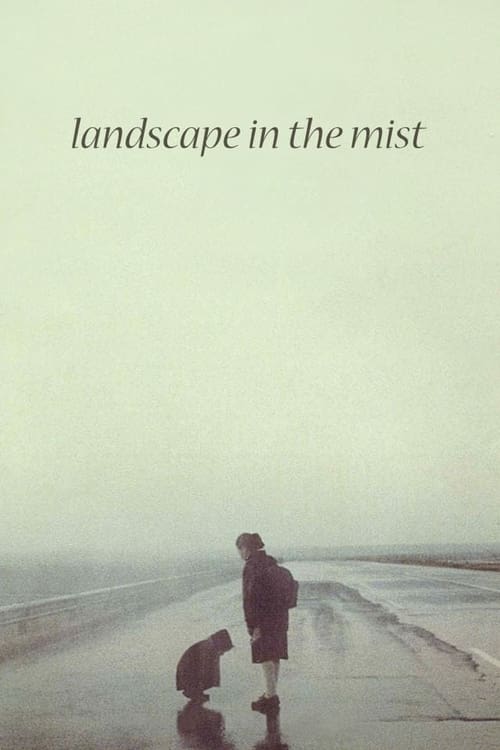
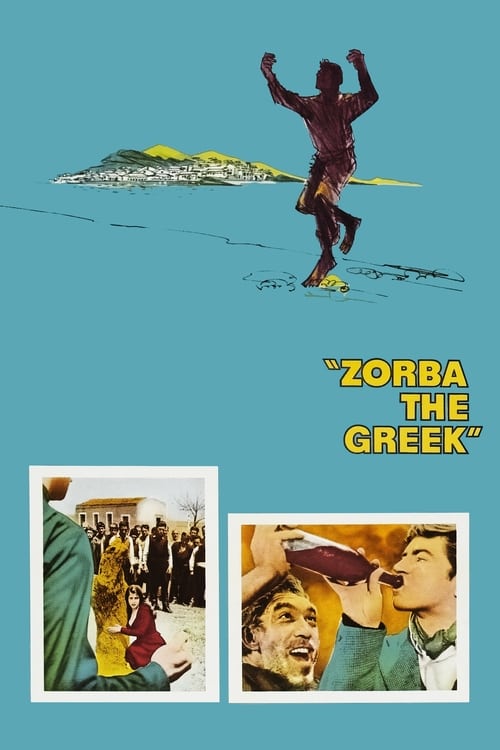
The defining figure for half a century is Theo Angelopoulos, the great formalist of the long take, the slow pan, the journey film as national allegory. His Greece is fog, borders, rain, and unfinished history. On the world stage he is the anchor: Eternity and a Day won the Palme d'Or in 1998, and Landscape in the Mist and The Travelling Players are landmarks of European art cinema. Against his gravity, Michael Cacoyannis gave Greece its most exportable face with Zorba the Greek, a film so successful it briefly turned an entire culture into a tourist brand.
Then, around 2009, something hardened. A handful of young Athenian directors started making films that were clinical, cruel, funny in the worst way, and almost allergic to sentiment. Critics called it the Weird Wave. Greeks, deep in financial crisis, mostly recognized it as the truth.
The Weird Wave
Deadpan, deranged, deeply uncomfortable. The films that put Greek cinema back on the festival map.

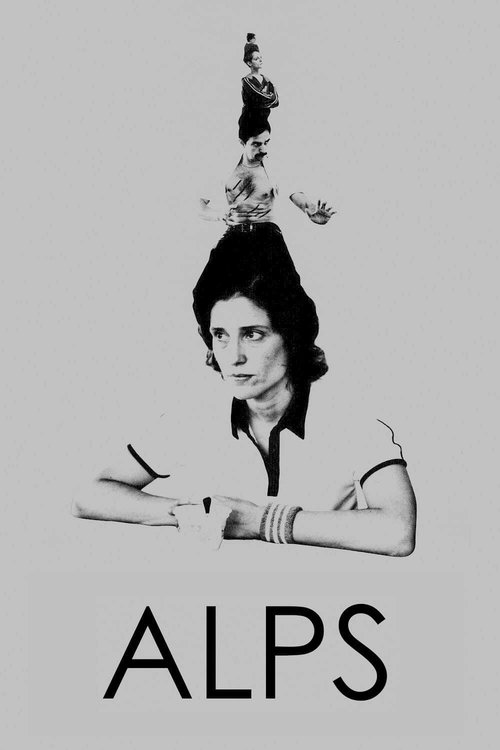

Lanthimos and the Athenian school
Yorgos Lanthimos is the wave's biggest export, but it was never a one-man movement. Dogtooth, his story of children raised in total information control, won Un Certain Regard at Cannes and an Oscar nomination, and its flat affect became a house style. He carried that sensibility into English-language work (The Lobster, The Killing of a Sacred Deer, The Favourite, Poor Things), but the DNA is Athenian.
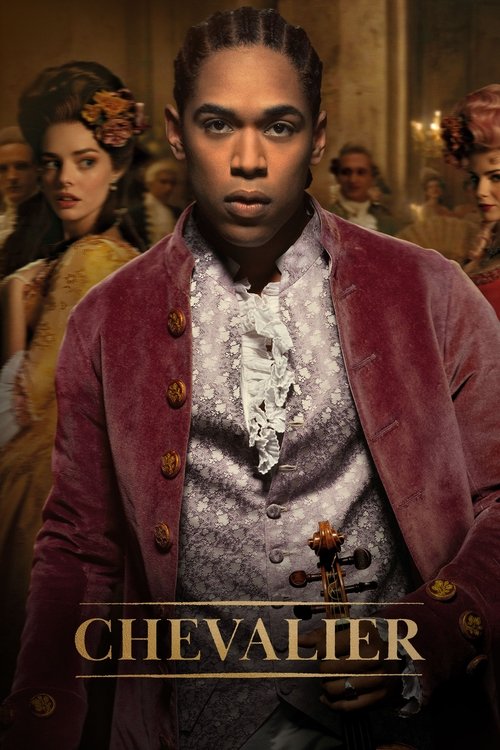
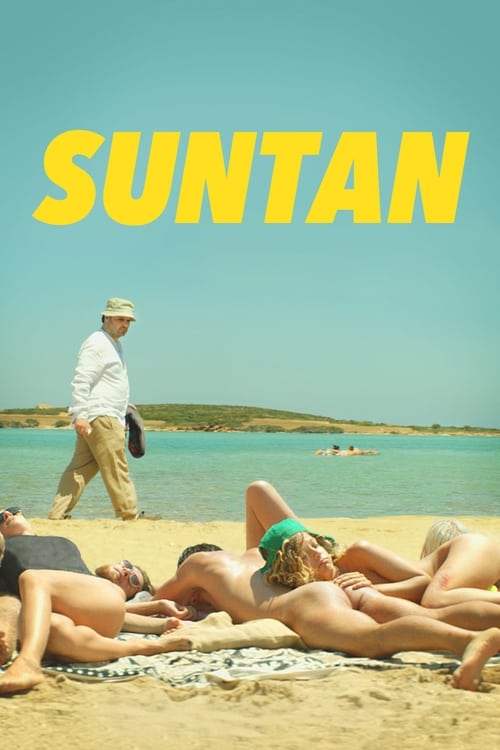
Around him: Athina Rachel Tsangari, whose Attenberg and Chevalier dissect masculinity and desire with anthropological coldness, and who produced Lanthimos as he produced her. Babis Makridis (L, Pity) and Alexandros Avranas (Miss Violence, a Venice prize-winner) sharpened the cruelty. Argyris Papadimitropoulos (Suntan) showed the wave could do sun and sweat as well as fluorescent dread. What unites them is a refusal of the consolations Greek commercial cinema had offered for sixty years.
Angelopoulos filmed Greece as a country haunted by its history. The Weird Wave filmed it as a family that won't let you leave the house.CrossBinge editors
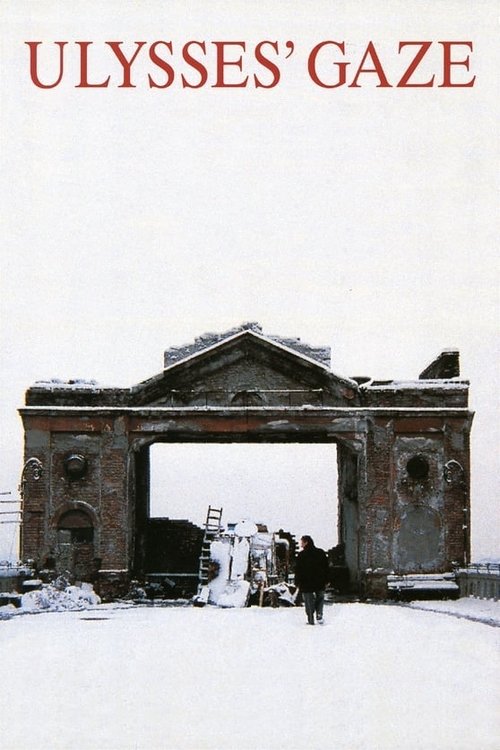
Angelopoulos: the long take as national memory
The master of the slow pan and the border crossing. European art cinema at its most rigorous.

The classics that traveled
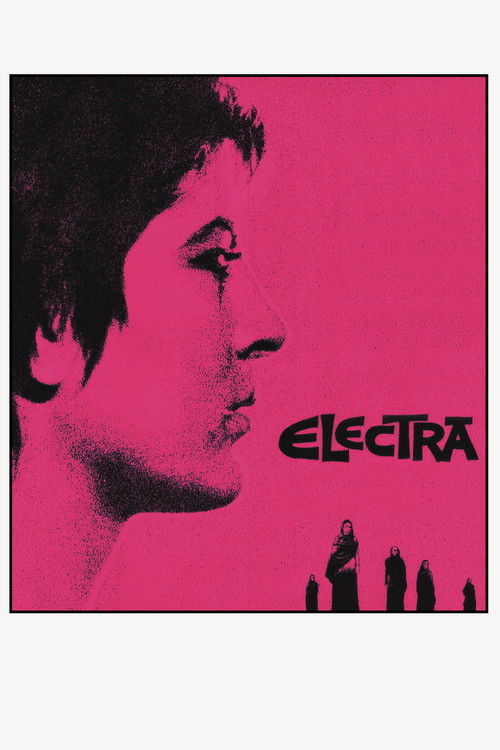
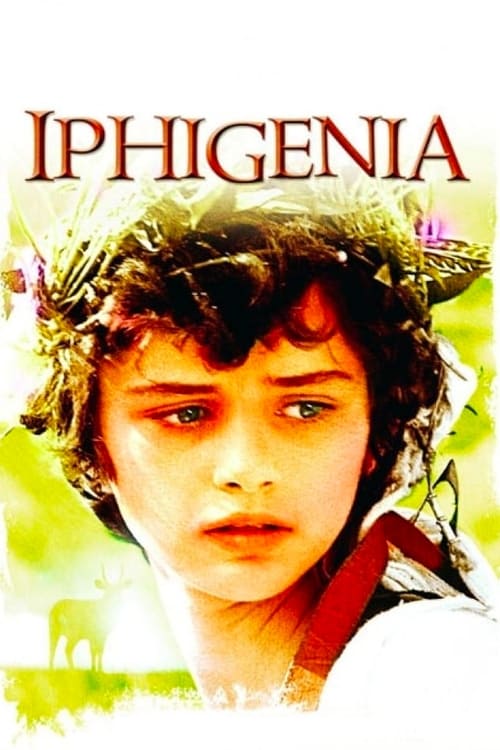
Cacoyannis, the Greek tragedies, and the films the rest of the world saw first.
A chronology of Greek film
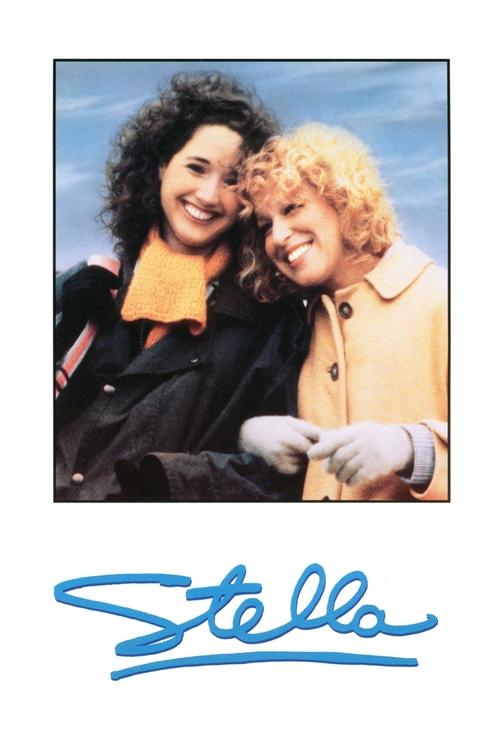
- 1955Cacoyannis directs Melina Mercouri in her debut Stella
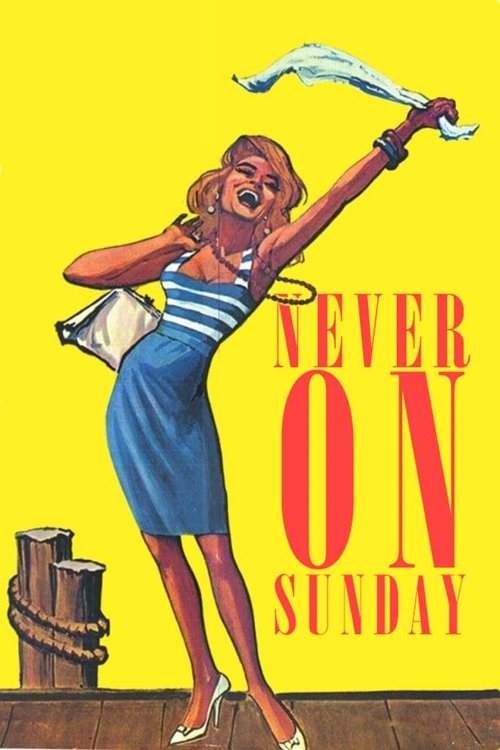
- 1960Mercouri and Jules Dassin make a global hit on Piraeus docks Never on Sunday
- 1964Zorba turns Greece into a worldwide brand Zorba the Greek
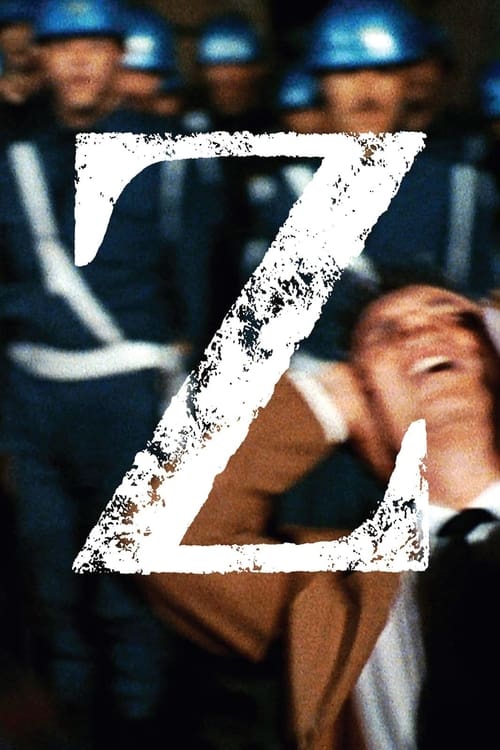
- 1969Costa-Gavras' political thriller wins the Oscar for Best Foreign Film Z
- 1975Angelopoulos' four-hour epic redefines Greek art cinema
- 1998Angelopoulos wins the Palme d'Or at Cannes Eternity and a Day
- 2009Dogtooth launches the Greek Weird Wave Dogtooth
- 2012Angelopoulos dies in a road accident while filming near Piraeus
- 2015Lanthimos goes English-language and earns an Oscar screenplay nod The Lobster
The commercial golden age, and Costa-Gavras's exile
Before the festivals, there were the neighborhood theaters. The postwar studio era ran on melodramas, musicals, and farces, with stars like Aliki Vougiouklaki and Thanasis Veggos as household names. Its peak title is Cacoyannis's Stella, which introduced Melina Mercouri, later a fixture of Greek cinema and eventually the country's culture minister. Never on Sunday, directed by her husband Jules Dassin, gave the world Manos Hadjidakis's Oscar-winning theme and a Greece of tavernas and unembarrassed joy.
The political register belongs to Costa-Gavras, the Greek-born director who made his name in France. Z, his thriller about the assassination of a leftist deputy, was a thinly veiled attack on the regime that became the colonels' junta. It won the Academy Award for Best Foreign Language Film and proved Greek subject matter could carry a global political thriller. The junta years (1967 to 1974) cast a long shadow; you can feel them in Angelopoulos's elliptical history films and in the wariness toward authority that still runs through the national cinema.
The Weird Wave was the most honest crisis cinema in Europe
It is tempting to read Dogtooth, Attenberg, Miss Violence, and Chevalier purely as formal provocations, cold films made by clever people to unsettle festival juries. That misses what they were doing. They arrived alongside Greece's financial collapse and they are crisis cinema in the truest sense: stories about families and institutions that have stopped functioning, where the rules everyone follows are obviously insane and nobody can name the alternative. The flat delivery is not a gimmick. It is what authority sounds like when it has lost all legitimacy but keeps issuing orders anyway. No other European country produced a body of work that diagnosed its own breakdown this precisely, this early, or with this little self-pity.