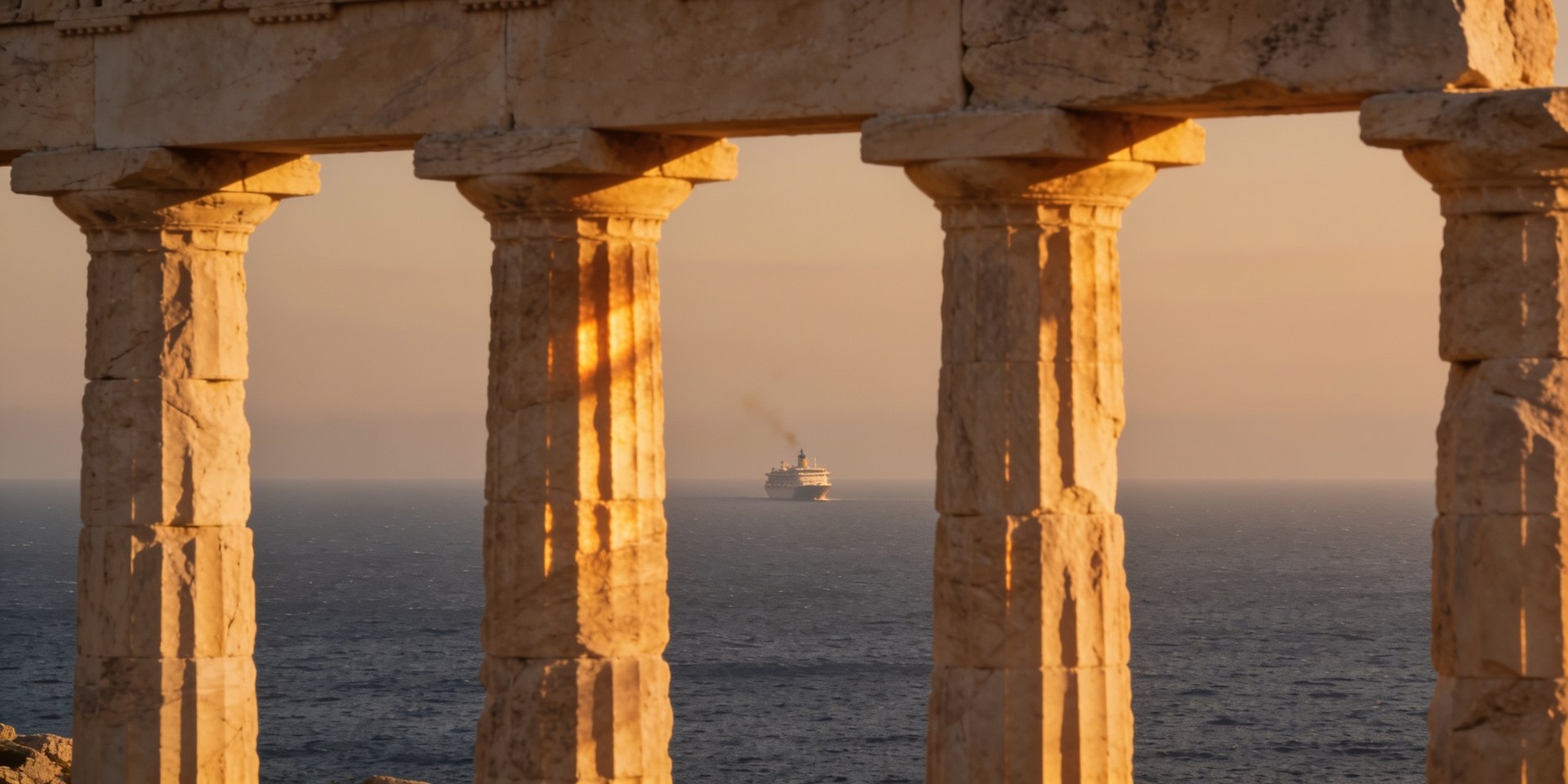

The ancient Greeks invented the story as we still tell it. Tragedy, comedy, the hero's journey, the hubris that precedes the fall: these were not metaphors for something else but the literal terms by which the Greeks understood life and death. To spend time in their world, whether through Herodotus recounting the Persian Wars or through a controller in your hand as you sail the Aegean in 431 BCE, is to realize how close that world still feels.
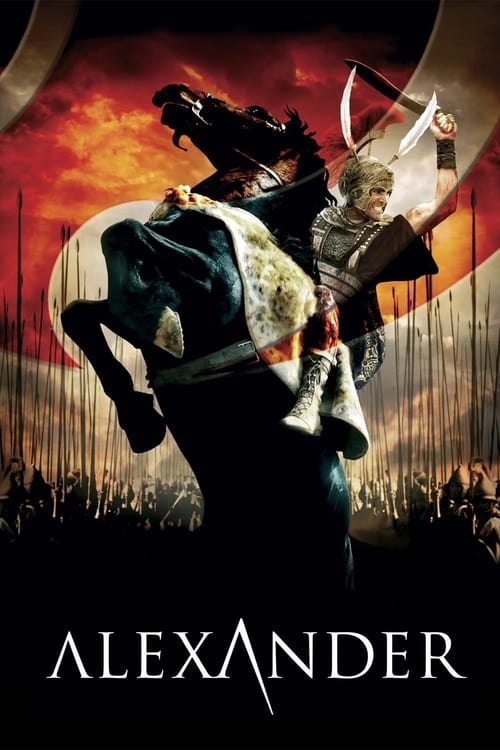
The Greece that obsesses us is not one thing. It is the Sparta that sent 300 men to Thermopylae and told a story the world still cannot stop repeating. It is the Athens of Socrates and the Parthenon. It is Troy, the ten-year siege that gave Homer two of the most influential poems ever written. It is Alexander, who crossed three continents and wept because he had no more worlds to conquer. These stories are not dead history. They are where we look when we want to understand ambition, courage and catastrophe.
Essential ancient Greece
The canon: war, philosophy and myth across every medium



300 is propaganda, and that is why it works
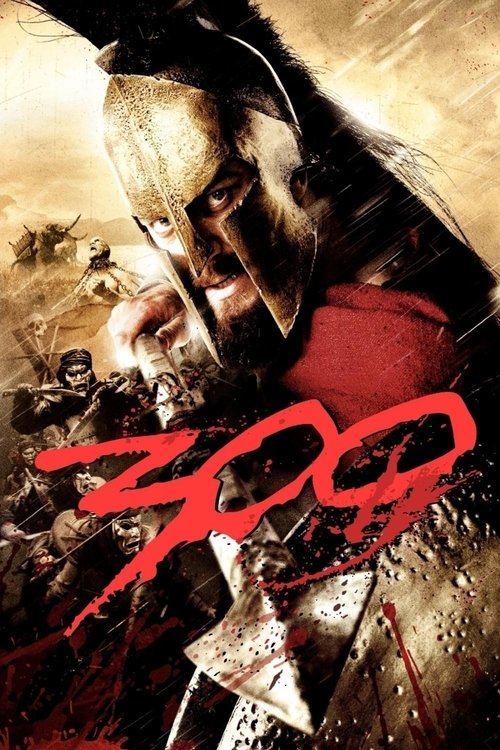
Zack Snyder's 300 is not history. Herodotus would have recognized the battle and none of the aesthetics. The Persian army is rendered as a fantasy horde, the Spartans as impossibly sculpted demigods, and the politics are stripped to the bone: freedom versus tyranny, one against many. What makes the film essential despite all that is precisely its commitment to its own myth. Gerard Butler's Leonidas is not a general calculating odds; he is a man who chose the hill to die on and knows it. The Spartan ideal was always about the story your death would tell. 300 understood that and made a film out of pure narrative will.
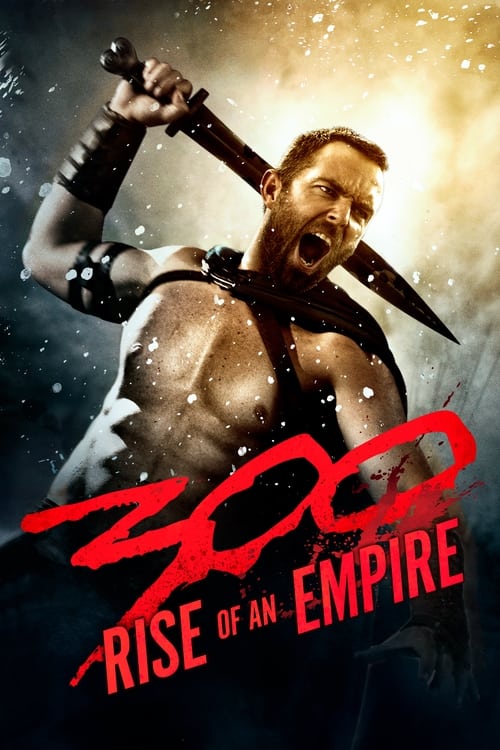
300: Rise of an Empire extends the conceit to the naval Battle of Salamis and is considerably messier, but Themistocles versus Artemisia is one of history's genuinely great rivalries, and the film does it partial justice.
Greece at war on film
Thermopylae, Troy, Persia and Alexander's march east

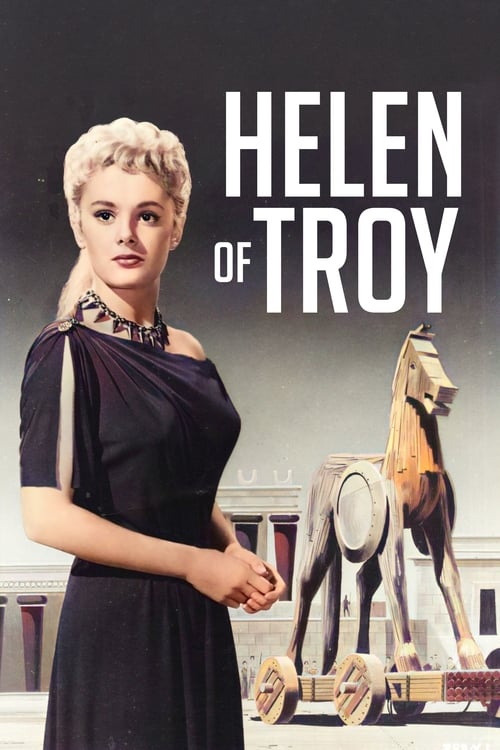
Troy and what it cost
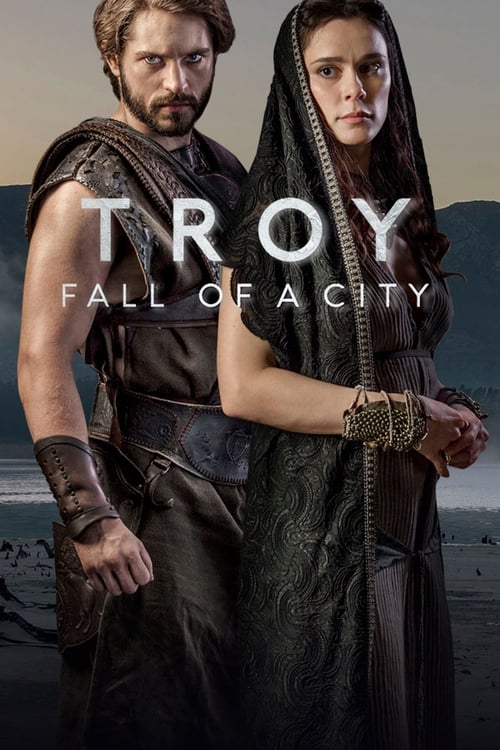
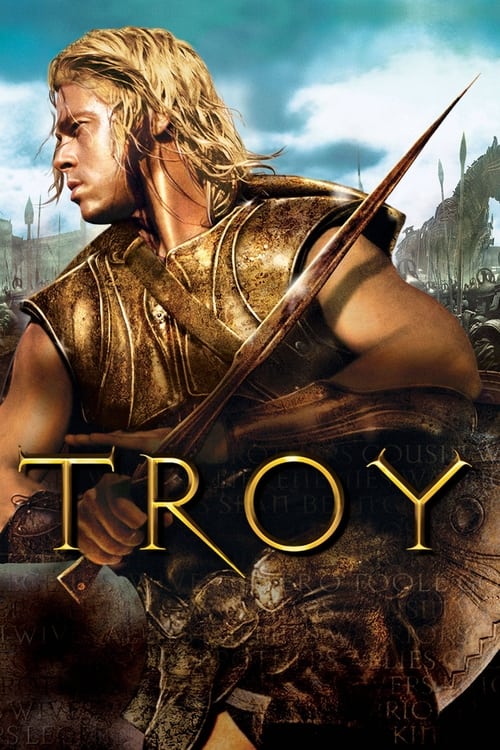
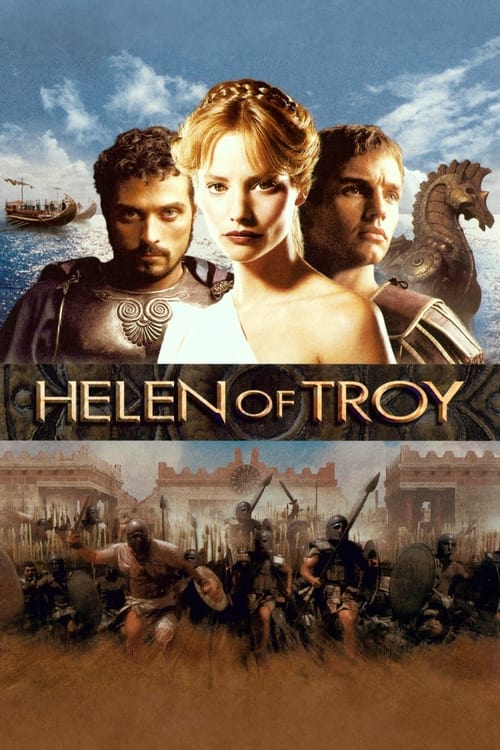
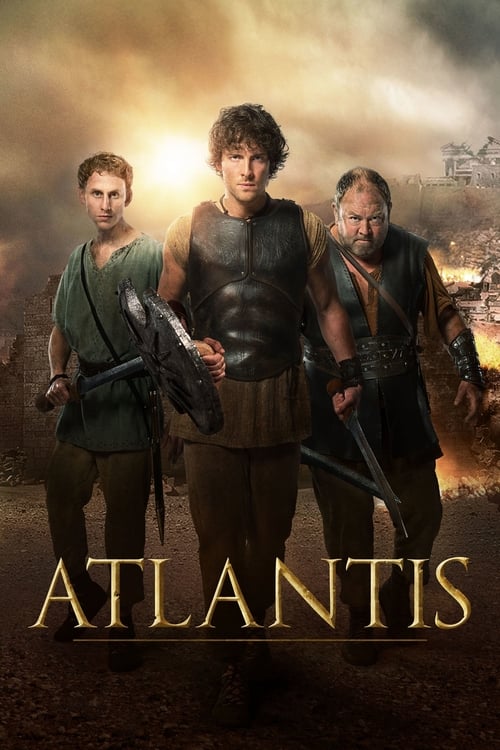
The Trojan War is the genre within the genre. Homer gave us two epics: The Iliad, which is not really about Troy but about Achilles and what rage costs a man, and The Odyssey, which is about the world you have to cross to get home after the war is over. Every retelling since has had to decide which story it is actually telling. Wolfgang Petersen's Troy spent its budget on the siege and stripped the gods out entirely, which made it classical in the literal sense: a film about men and their choices. The BBC and Netflix series Troy: Fall of a City put the gods back and used the intimacy of serial drama to follow characters through all ten years of the siege.
Madeline Miller's The Song of Achilles did something neither film managed: it made you care about Achilles as a person rather than a legend. The novel reconstructs the myth from Patroclus's side and does not flinch at what the story requires.
Troy: the siege in every medium
Homer, Petersen, Ubisoft and the BBC revisit the ten-year war

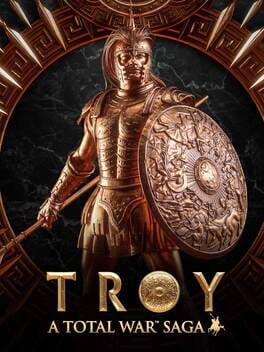

Assassin's Creed Odyssey is the best ancient Greece ever built
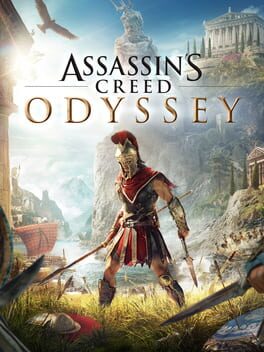
No film has given us the Peloponnesian War at this fidelity. Ubisoft's Assassin's Creed Odyssey sets you loose in 431 BCE Greece, with Athens and Sparta genuinely at war, real philosophical schools operating in their actual cities, and an open world that covers the Aegean islands, the mainland and several dozen hours of side quests drawn from actual history and myth. You meet Socrates, Alkibiades and Hippokrates in context, not as cameos. The sea combat alone, aboard a trireme with named crew and real battle mechanics, is worth the price.
What separates it from the mythology-heavy God of War trilogy is specificity: this is historical Greece, not pantheon Greece. The gods are present as forces behind events rather than boss encounters. If you only play one ancient-world game, this is the one.
Greece to play
From the underworld to the Aegean, the Peloponnese to Olympus
Hades is the underworld story the myths deserved
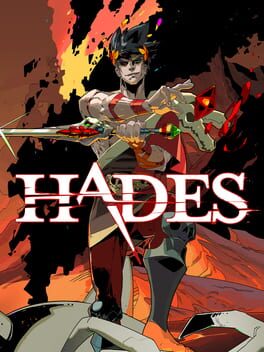
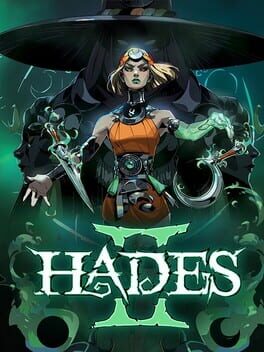
Supergiant's Hades came out of early access in 2020 and was immediately the best argument that games could do Greek myth better than film. The trick is structural: the underworld is a roguelike, which means you die constantly, and dying is how you learn the story. Zagreus trying to escape his father Hades across the layers of the underworld is genuinely the right form for this material. Greek myth is about cycles, about attempts that fail and remake the hero. Every run is a myth. Every death is a lesson.
Hades II extends the engine and the universe with Melinoe as protagonist; the writing is just as sharp, and the world even larger.
Greece on the small screen
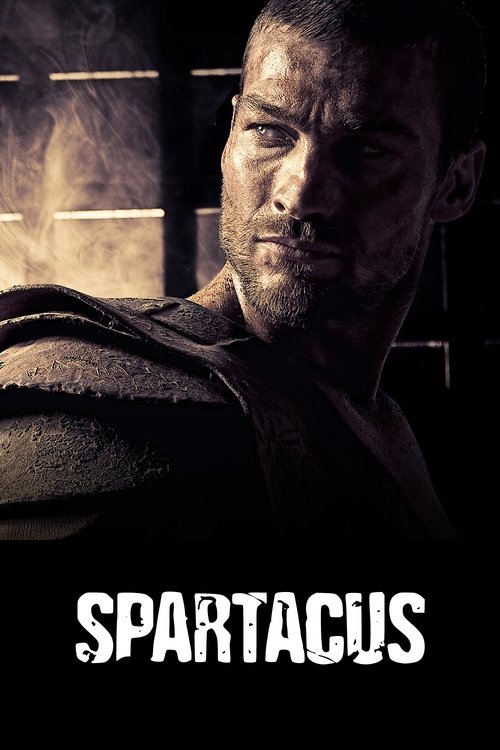
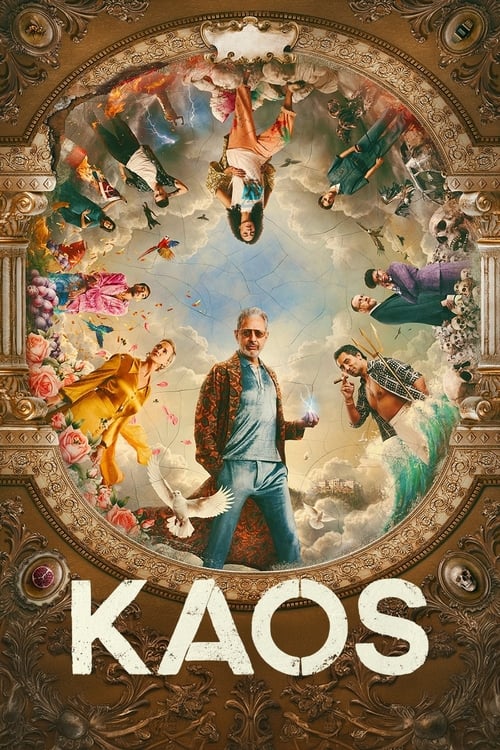
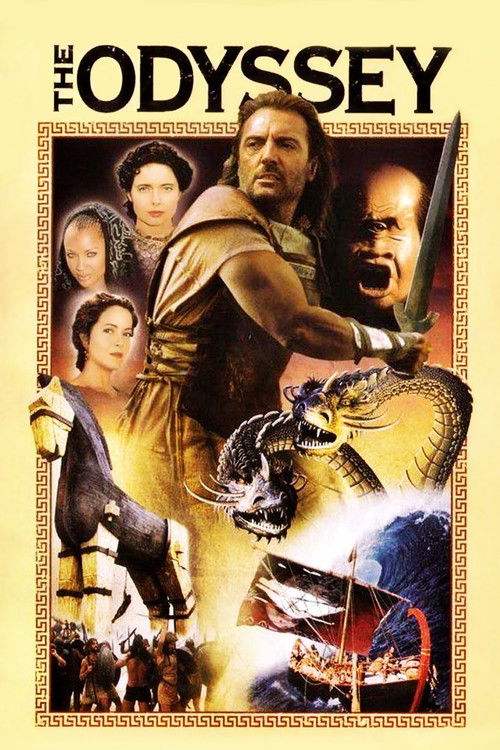
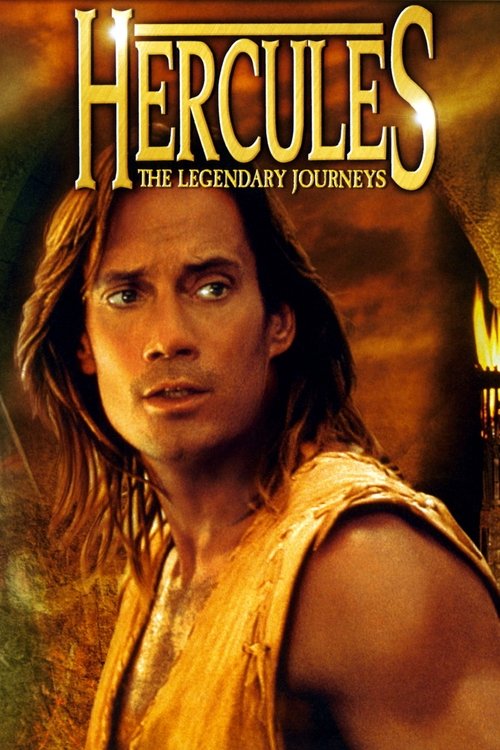
From the BBC's Troy to the gods of KAOS
The books that built the world
Steven Pressfield's Gates of Fire remains the gold standard for the Spartan novel. Written in the voice of the sole Thermopylae survivor, it is first-person testimony from inside the formation, covering the training, the culture, the philosophy of the phalanx and the actual battle. It does not sentimentalize Sparta. It treats the Spartans as they understood themselves: a people who had built a civilization around the fact of necessary death.
Hesiod's Theogony is where the Greek cosmology was first systematized: the gods, their genealogies, the wars between Titans and Olympians. It precedes Homer chronologically as a text and gives the whole mythological world its architecture. Aeschylus's Oresteia cycle, beginning with Agamemnon, is the founding document of dramatic tragedy and the place where ancient Greece worked out what justice means after a war everyone loses.
Greece on the page
Homer, Hesiod, Aeschylus and the novelists who followed


The Spartans did not ask how many the enemy were, only where they were.Attributed to Agis II of Sparta; the question that defined an entire martial culture
Agora deserves a wider audience
Alejandro Amenabar's Agora (2009) is the outlier in this genre: a film about neither war nor myth but philosophy, set in late antiquity Alexandria as the Roman Empire transitions to Christianity. Rachel Weisz plays the mathematician and astronomer Hypatia, working out a heliocentric model of the solar system while the political world around her collapses into religious violence. It is not a comfortable film. The library burns. The intellectual life of the ancient world ends not with a battle but with a mob.
It came and went without the audience it deserved, in part because it had no heroes with swords. That is precisely what makes it worth seeking out: it is the Greece-adjacent story about what is actually lost when a civilization ends.
The wider world: classics, legend and legacy
Works that draw on Greek life, culture and its long aftermath