
The Industry the World Underestimated
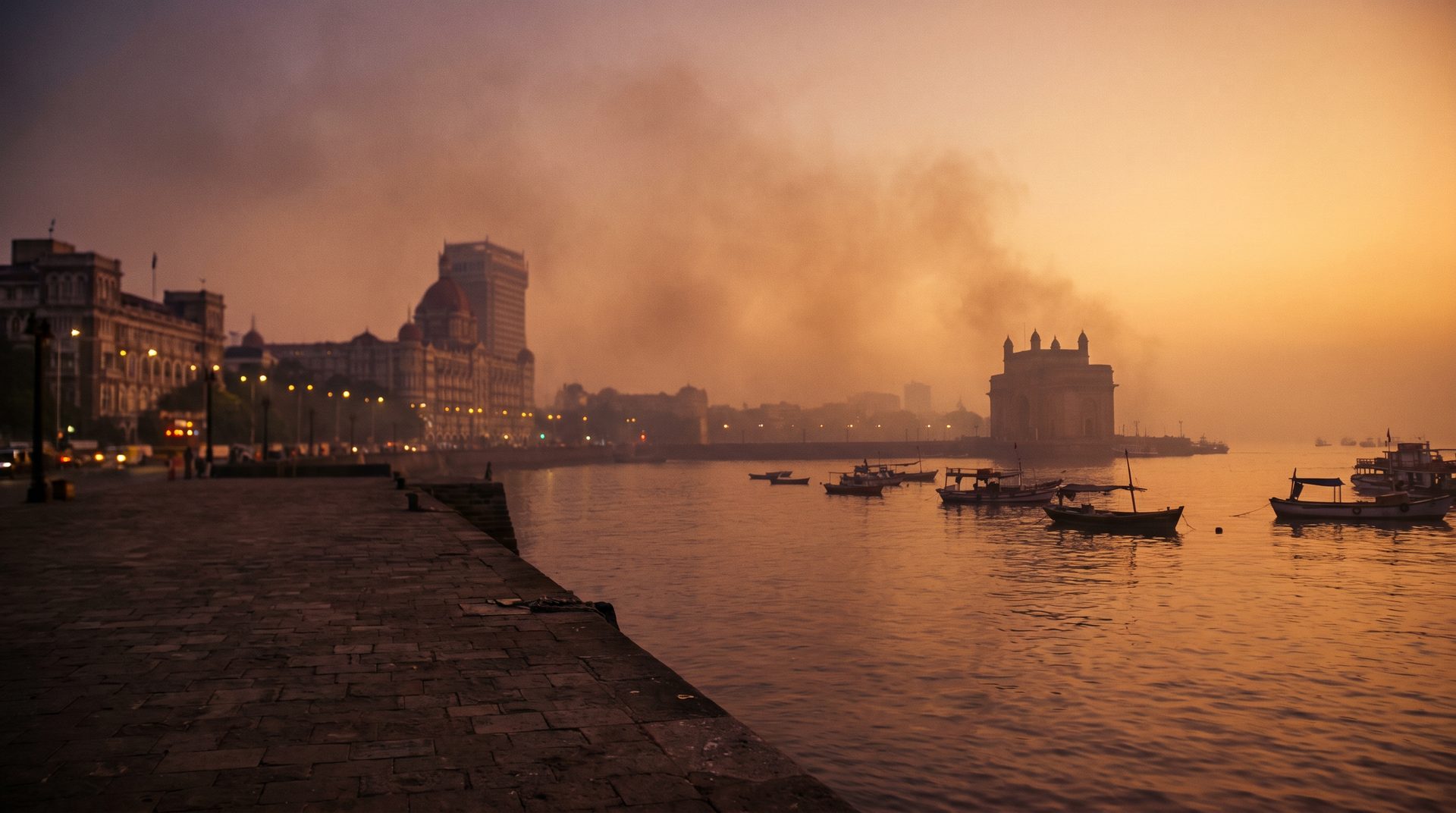
Bombay. The name still matters. Before Mumbai replaced it on official maps, before streaming dissolved the distinction between a film and a series, before the phrase "Bollywood" became a shorthand that flattened everything into dancing and sequins, there was a city that invented a film grammar entirely its own.
The industry crystallised in the 1930s and 1940s around the studios of Dadar and Parel. It absorbed the conventions of the Hollywood musical, the social-realist currents of Urdu literature, the devotional traditions of the mythological film, and the melodramatic architecture of Parsi theatre, and produced something that belonged to none of those sources. By 1957, Mother India was competing at Cannes. By the 1970s, the "angry young man" films of Amitabh Bachchan were the dominant cultural fact of the republic.
Two traditions ran in parallel almost from the beginning. The mainstream commercial cinema ("Bollywood" in the narrow sense: song-and-dance, family drama, romantic triangles) sat alongside a parallel-cinema movement that drew on Italian neorealism and Bengali art-film practice. The parallel filmmakers, working mostly outside the studio system on thin budgets, produced Shyam Benegal, Govind Nihalani, Mani Kaul, and Kumar Shahani, directors whose films circulated at festivals while Amitabh Bachchan was selling out halls across the subcontinent.
These traditions were never as separate as critics made them sound. Gulzar wrote lyrics for masala entertainers and directed psychologically intricate dramas in the same decade. The composer R.D. Burman scored both pop blockbusters and arthouse films. The borders were porous, which is why the cinema stayed alive.
The 1990s liberalisation cracked the industry open. Satellite television brought competition; the multiplex expansion of the 2000s split the audience; and the arrival of Netflix, Amazon Prime, and Disney+ Hotstar since 2016 produced a third tier of prestige Hindi-language storytelling that has no easy precedent. A film like Gangs of Wasseypur (2012) or a series like Sacred Games (2018) would not have existed without this structural change. The industry is now genuinely plural: tentpole spectacles that compete globally, intimate streaming dramas, and a steady stream of mid-budget character films that are arguably the healthiest part of the ecosystem.
The Absolute Classics
The works every serious viewer needs to reckon with.
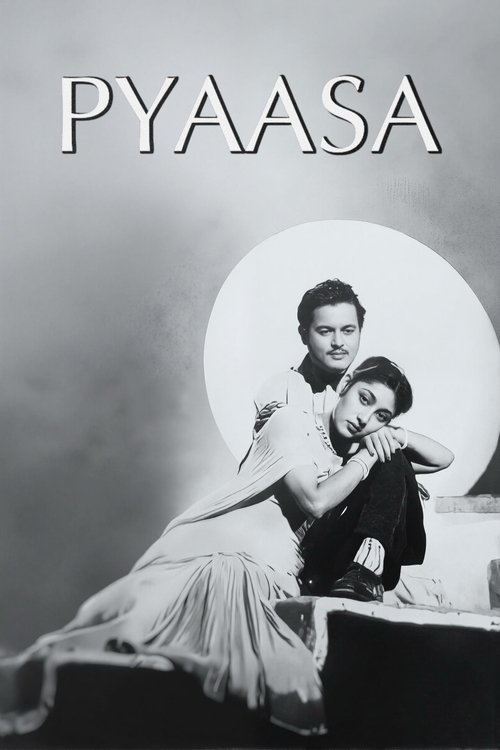

Guru Dutt made the definitive film about artistic failure, and almost no one outside India knows it
Kaagaz Ke Phool (1959) is the first Indian film shot in CinemaScope and a self-portrait of such bitter clarity that its director reportedly never made another film after its failure at the box office. Guru Dutt plays a fading film director watching his career and his marriage collapse simultaneously. The cinematography by V.K. Murthy is as good as anything in world cinema of that decade. The irony that the film flopped commercially, pushing its director toward the depression that eventually killed him, gives the whole thing an almost unbearable retrospective weight. International critics who know Satyajit Ray often know nothing of this tradition, which runs parallel to Ray and is not inferior to it.
The Parallel Cinema Wave
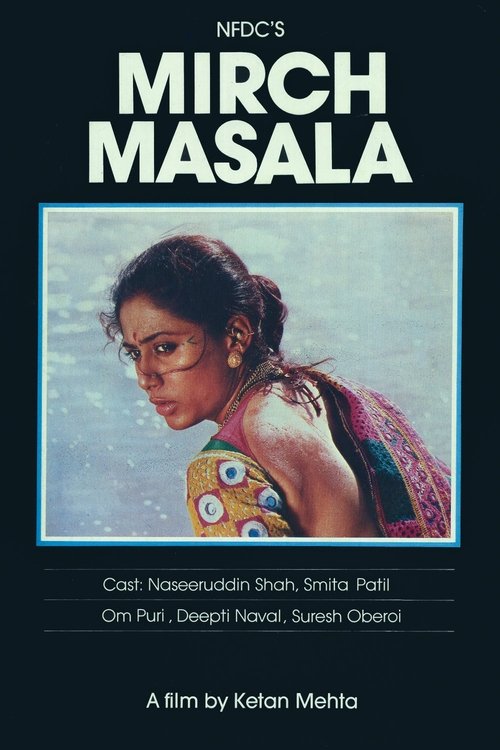
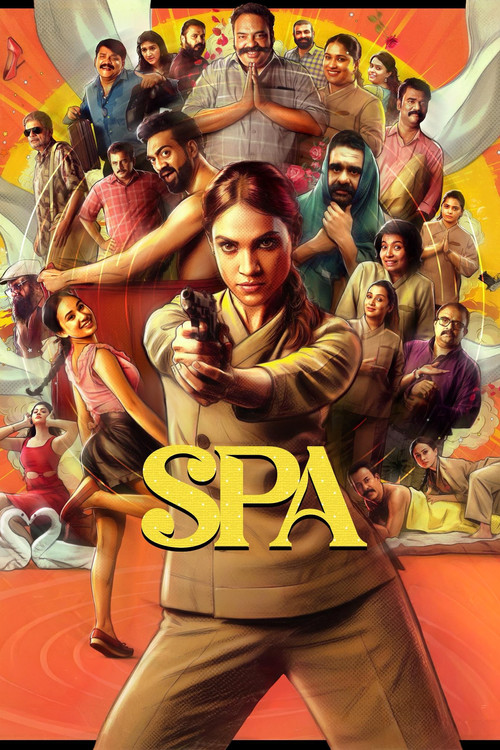
The 1970s and 1980s art-film movement that critics revere and audiences mostly ignored at the time.

A Hundred Years of Hindi Cinema
- 1931Alam Ara, the first Indian talkie, opens in Bombay
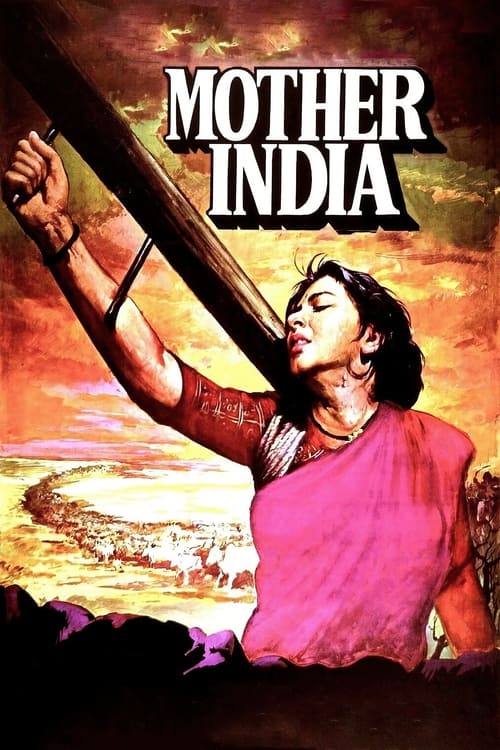
- 1957Mother India nominated for the Academy Award for Best Foreign Language Film Mother India
- 1959Guru Dutt makes Kaagaz Ke Phool; CinemaScope arrives in Indian cinema Kaagaz Ke Phool
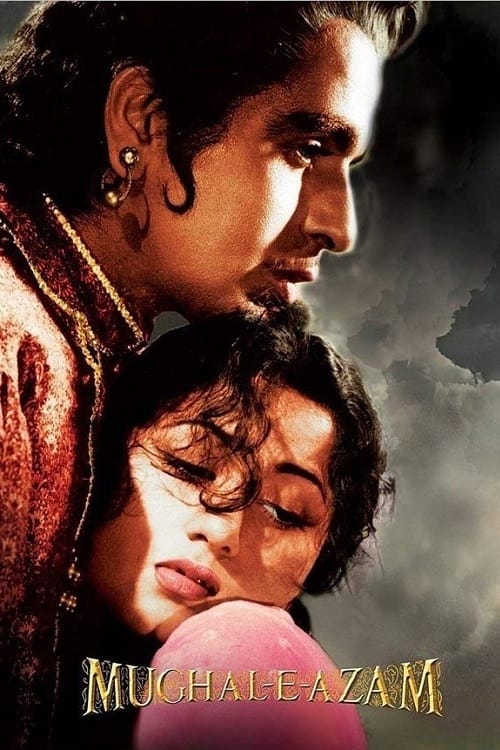
- 1960Mughal-E-Azam released in colour, the most expensive Indian film of its era Mughal-e-Azam
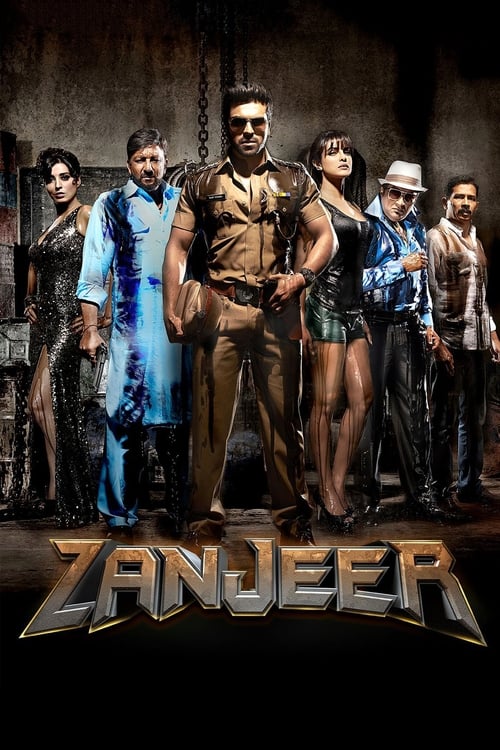
- 1973Zanjeer launches Amitabh Bachchan as the Angry Young Man Zanjeer
- 1975Sholay redefines the masala blockbuster and becomes a permanent cultural reference Sholay
- 1988Tezaab marks Madhuri Dixit's emergence; the late-1980s song-sequence spectacle peaks
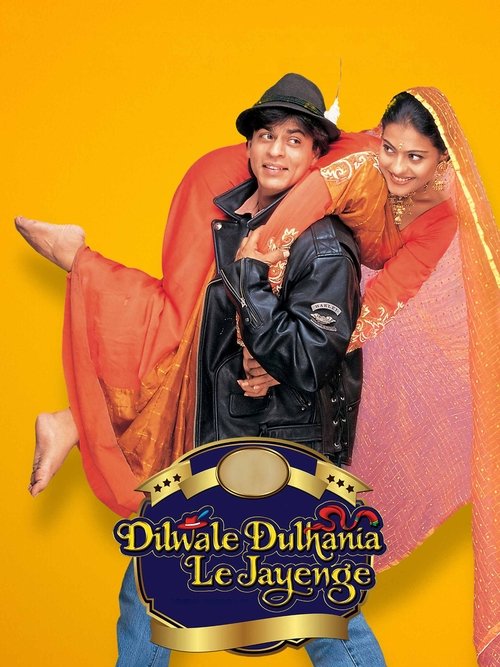
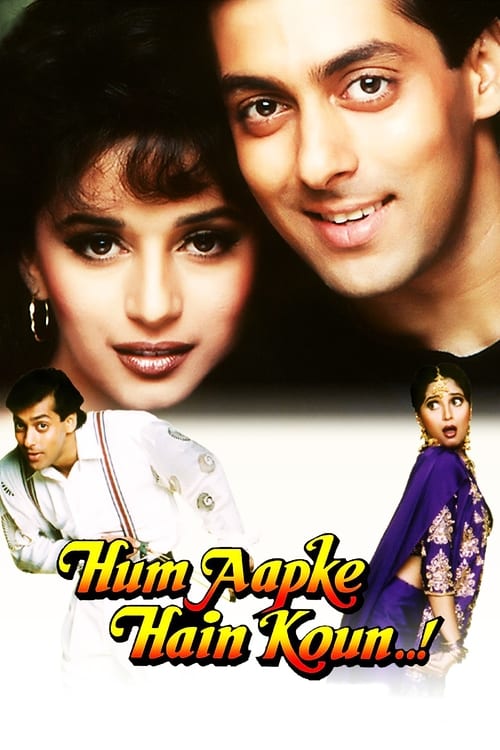
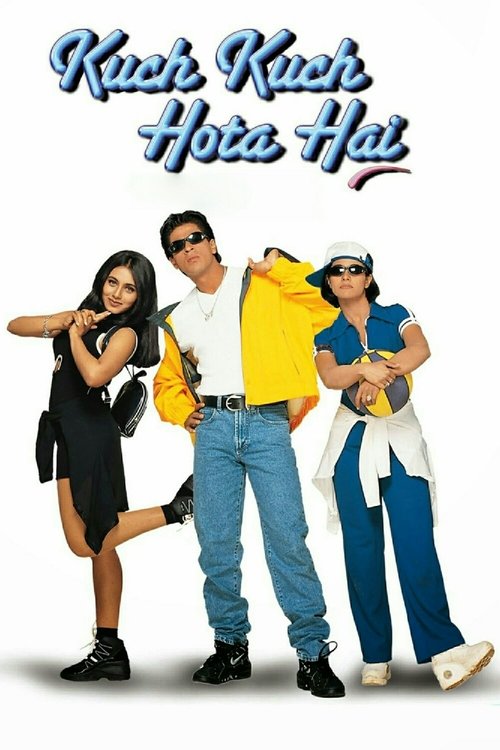
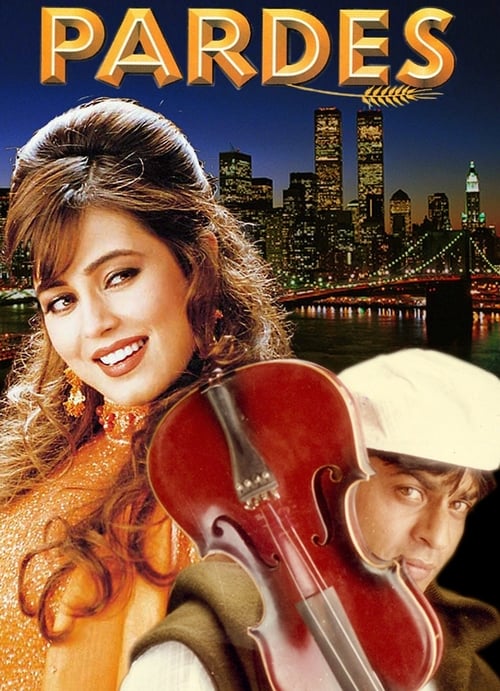
- 1994Hum Aapke Hain Koun..! and DDLJ redefine the family-diaspora romance for the 1990s Dilwale Dulhania Le Jayenge
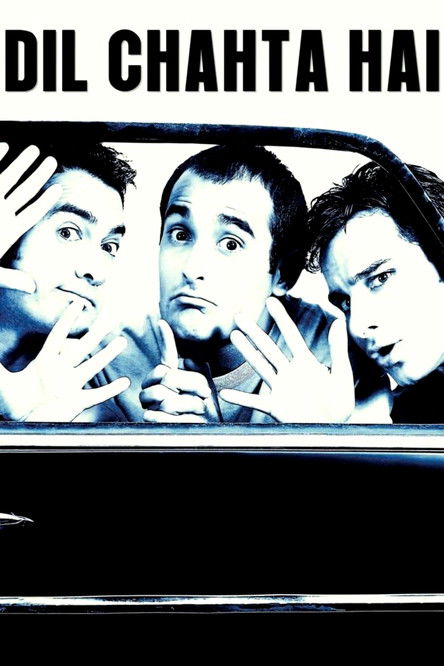
- 2001Lagaan competes at the Oscars; Dil Chahta Hai reshapes the urban-youth film
- 2012Gangs of Wasseypur signals a new ambition in scale and form Gangs of Wasseypur - Part 1
- 2018Sacred Games premieres on Netflix, India's first major prestige streaming series Sacred Games
- 2022RRR and KGF: Chapter 2 demonstrate the pan-India appeal of regional productions dubbed into Hindi
The 1970s Masala Era
Action, comedy, family sentiment, songs and villainy in the same film. The template for commercial Hindi cinema.
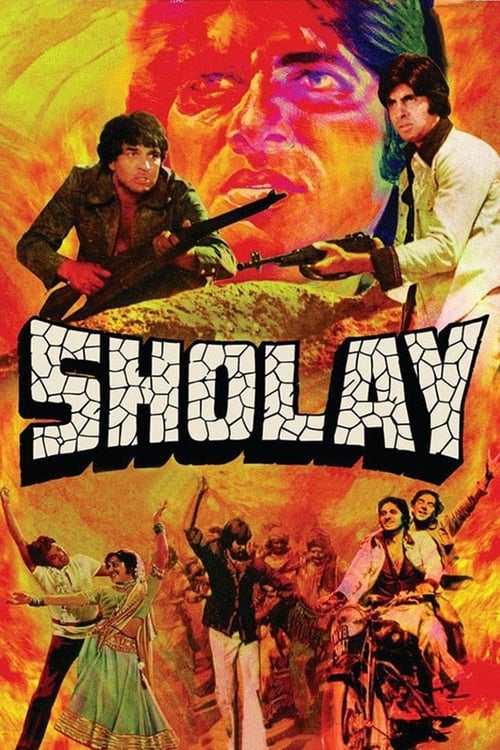

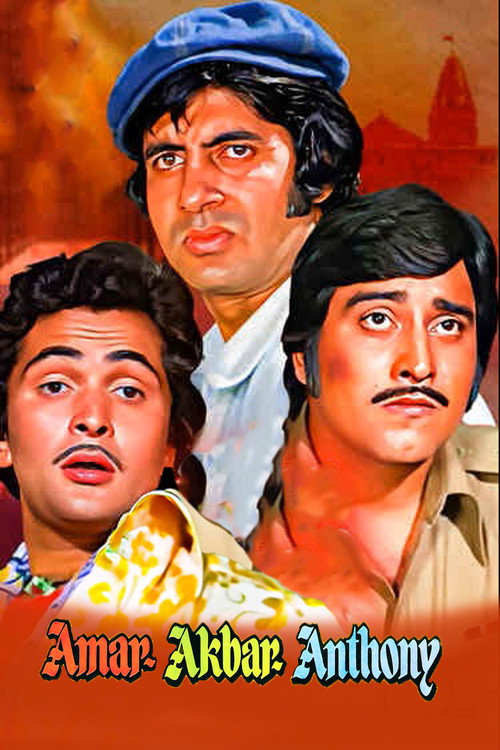
Sholay is not a guilty pleasure. It is a great film.
The critical establishment spent decades treating Sholay (1975) as a lovable artifact rather than an achievement. This is wrong. The editing in the Gabbar Singh flashback sequences is as precise as anything in genre cinema of that period. The film is also, underneath its spectacular surface, a meditation on male friendship and complicity that holds up to serious attention. Ramesh Sippy was not making a cheap copy of the Spaghetti Western; he was making something that absorbed those influences and produced a distinct object with its own internal logic. The songs do not interrupt the drama; they carry it.
The New Bollywood: 1990s Romance and Diaspora
When the industry found a global Indian audience and made films for them.


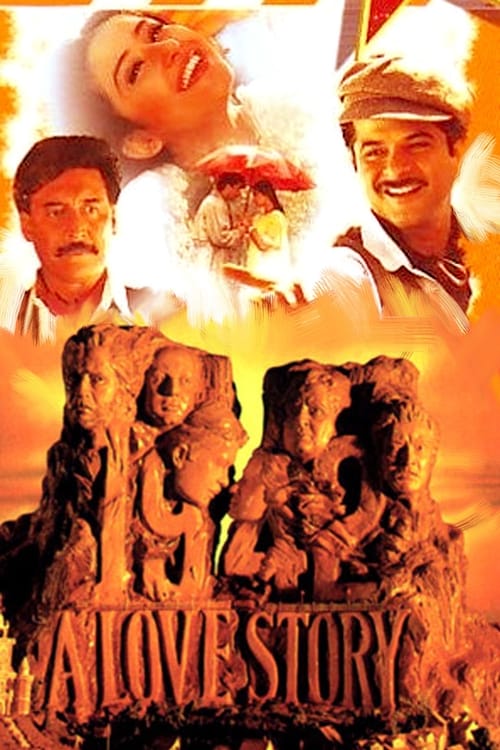
Indian cinema does not have an art-house tradition and a popular tradition that happen to exist in the same country. It has one tradition with a permanently divided consciousness, and the best films live on that fault line.CrossBinge Editorial
The 2000s Reinvention
Multiplex economics, urban sensibilities, and the collapse of the single-screen blockbuster formula.


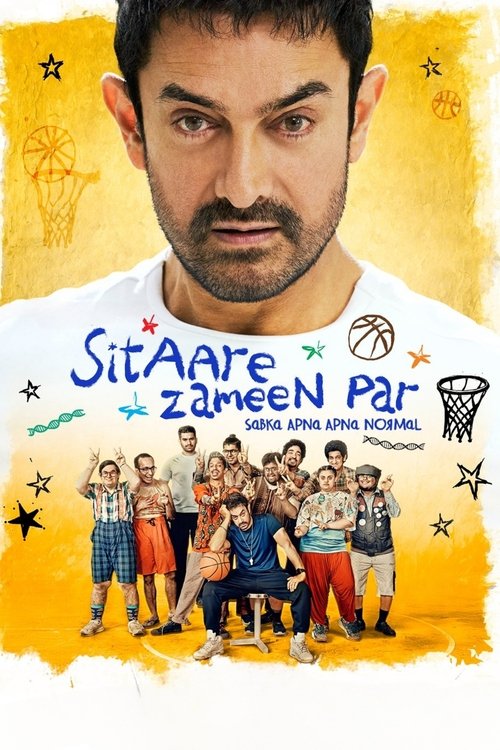
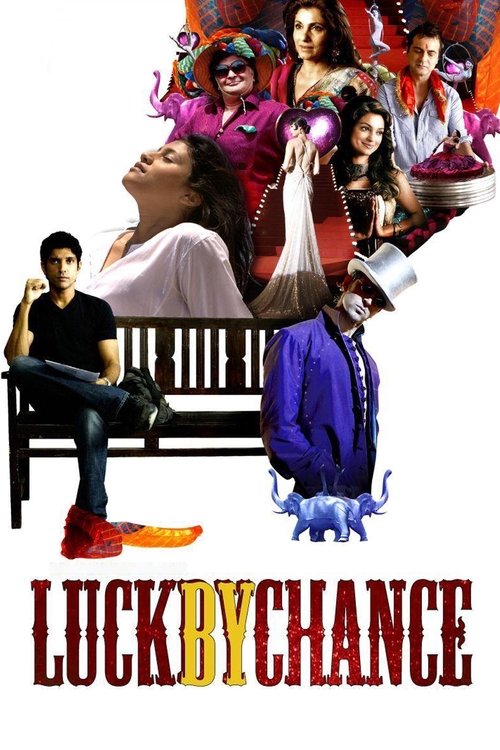
Anurag Kashyap's decade is the best argument against the auteur theory's usual suspects
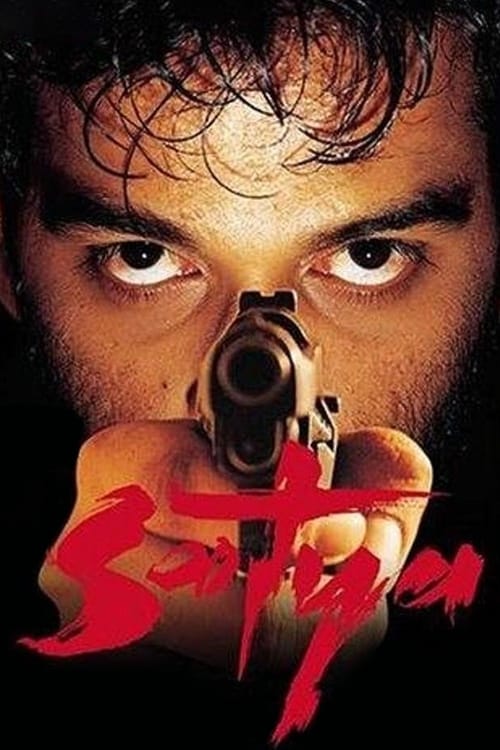
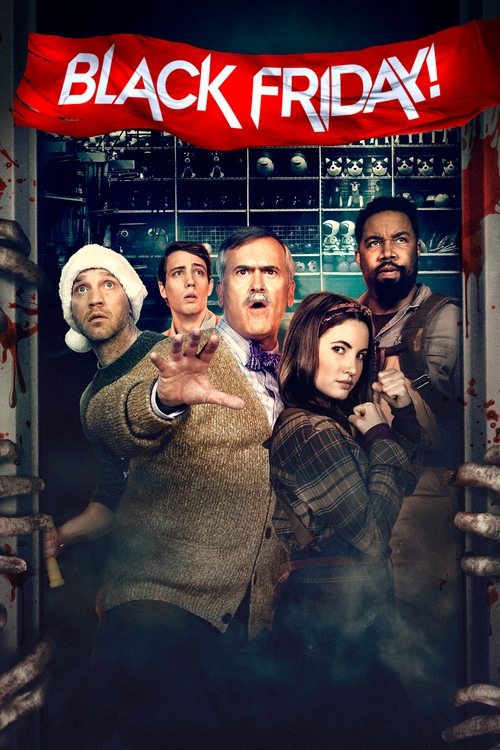
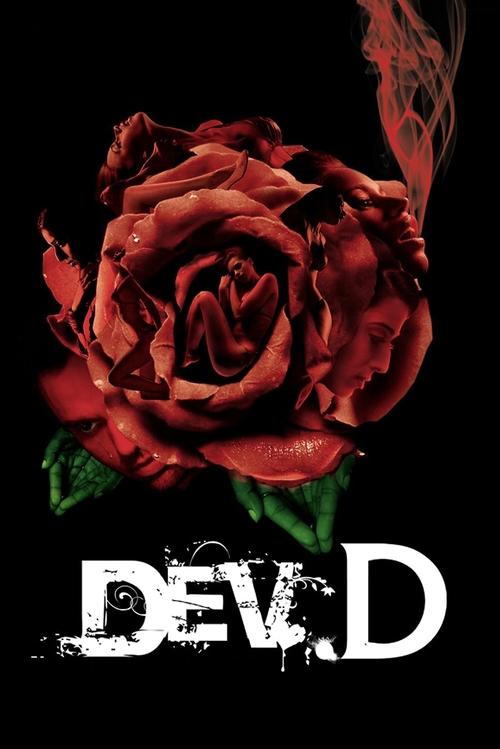
Between Satya (where he co-wrote the screenplay) and Gangs of Wasseypur (2012), Anurag Kashyap built a body of work that engaged with the political economy of crime in India with a rigour no one else in commercial Hindi cinema was attempting. Black Friday (2004) is a better film about the aftermath of the 1993 Bombay bombings than most journalism written about those events. Dev D (2009) turned a Victorian-era Bengali novel into a savage black comedy about male self-pity. The argument that this work is derivative of Scorsese is not wrong, but it misses how specifically Indian all of it is.

The Streaming Era and Modern Classics
Hindi-language work made for or elevated by the streaming boom.
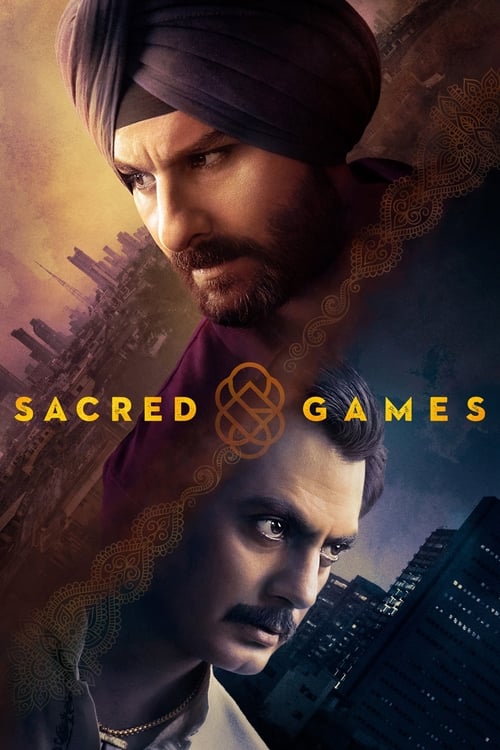
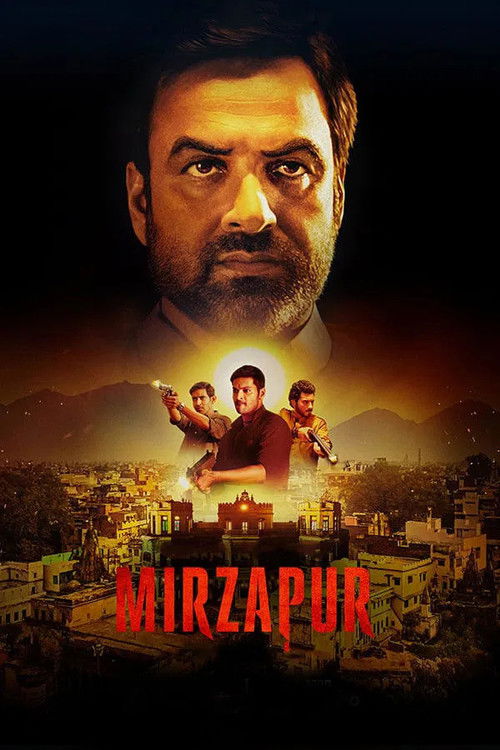

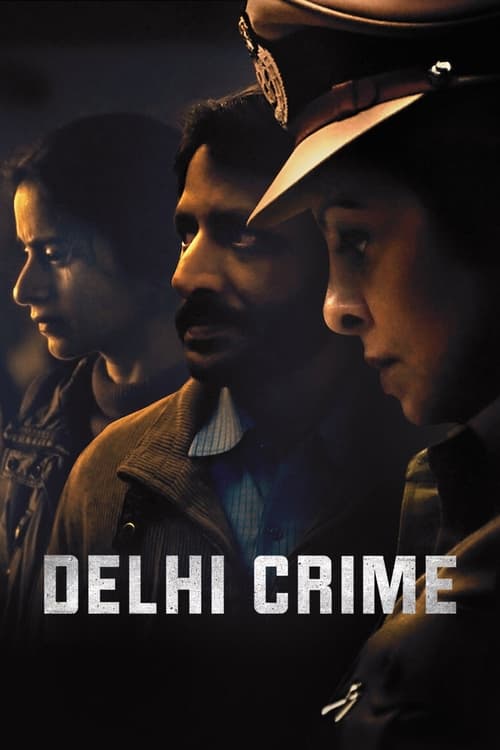
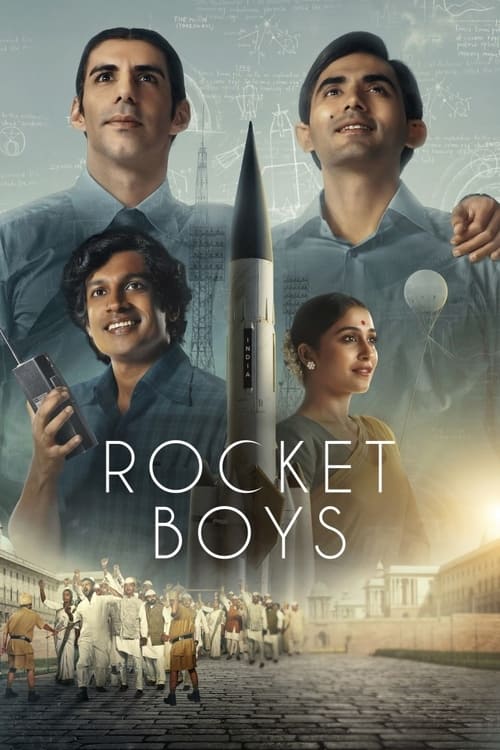
Panchayat is the best argument that realism is not the enemy of warmth
Panchayat (2020) is a comedy about a civil services graduate posted to a remote village in Uttar Pradesh, and it is one of the kindest, least sentimental pieces of Hindi-language storytelling in recent memory. The show refuses to condescend to its village characters or to romanticise rural life; it simply watches people trying to do their jobs under absurd institutional constraints. In an era when Indian streaming drama defaulted to violence and moral ambiguity as markers of seriousness, Panchayat proved that warmth and formal restraint were still available options. It keeps getting better with each season.
Essential Bollywood Soundtracks
A.R. Rahman changed what Hindi film music could sound like. These records show how.
Books That Map This World
Fiction and non-fiction that help explain Bombay, Indian society, and the culture that produced this cinema.


Where to Go Deeper
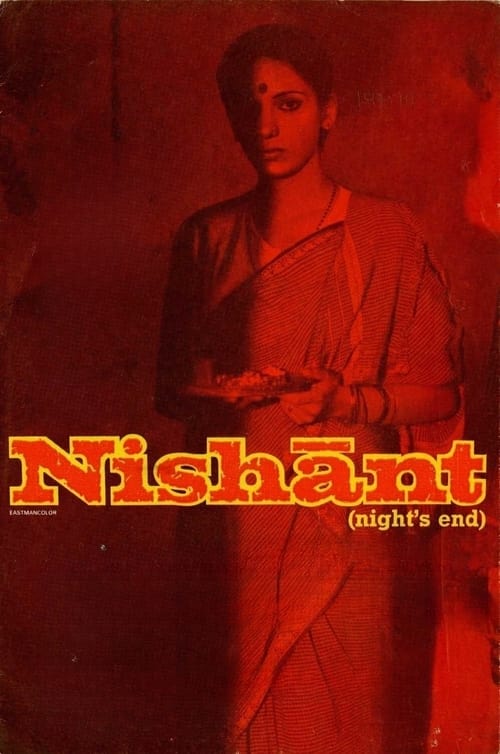
The parallel cinema directors are the most systematically understreamed. Shyam Benegal's early trilogy (Ankur, Nishant, Manthan) is available in fragments across platforms. Govind Nihalani's Ardh Satya (1983) is the only Indian film that treats police corruption as a structural problem rather than a villain's personal failing.
For the golden-era classicist, the place to start after Guru Dutt is Bimal Roy: Do Bigha Zamin (1953), Devdas (1955), Bandini (1963). Roy was a formalist who understood the grammar of Soviet montage and used it entirely in service of emotion rather than ideology.
The 1990s romantics wear less well than their reputation in some cases, but Dil Se (1998) holds: Mani Ratnam made a film about obsession and political violence that the mainstream marketing machine tried to sell as a love story, and the resulting collision is more interesting than either version on its own.
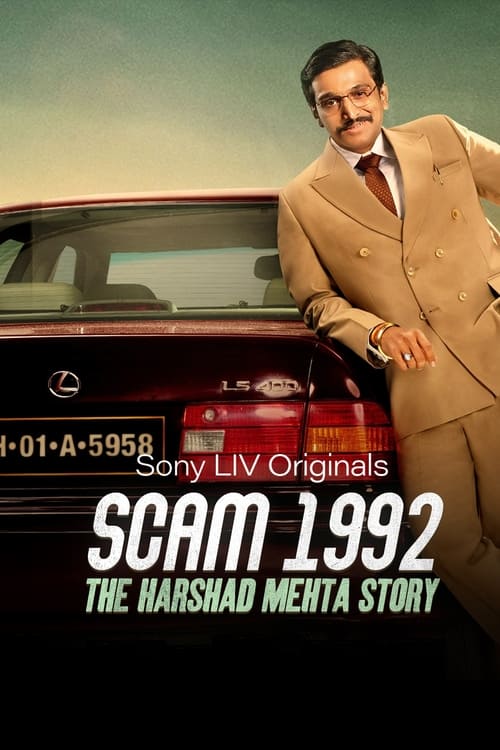
On streaming, Scam 1992 (SonyLIV, 2020) is the best Indian television drama since Sacred Games, and it belongs to a completely different tradition: the long-form business investigative drama that India had never really attempted before. It runs to thirty episodes and sustains them.
Notable Hindi Books
The most-notable books written in Hindi, from the catalog
 Godan
Godan The 65 Lakh Heist
 Andha Yug
 Poos ki raat
 The Liver Book
 Chemistry of Natural Products
 Aerobiology
 Advances in Computer Communication and Computational Sciences
 Adult Stem Cells
 How to manage a successful software project
 Business Statistics
 Hindostāṃ hamārā
 Scattering Cross Section of Unequal Length Dipole Arrays
 Active Cancellation of Probing in Linear Dipole Phased Array
 Low Profile Conformal Antenna Arrays on High Impedance Substrate
 Understanding the developing metropolis