

A street kid, a quiz show, and every rupee of it earned
Vikas Swarup's debut novel Q&A (2005) is the source. Not a screenplay, not a pitch document, but a full literary novel: Ram Mohammad Thomas, an orphan from the Mumbai slums, wins the top prize on a game show called "Who Will Win a Billion?" and is immediately arrested on suspicion of cheating. The novel's structure is its trick. Each question is answered not by study but by lived experience, a specific memory unlocked from a brutal and luminous childhood. Swarup, then a career diplomat, wrote it in six weeks.
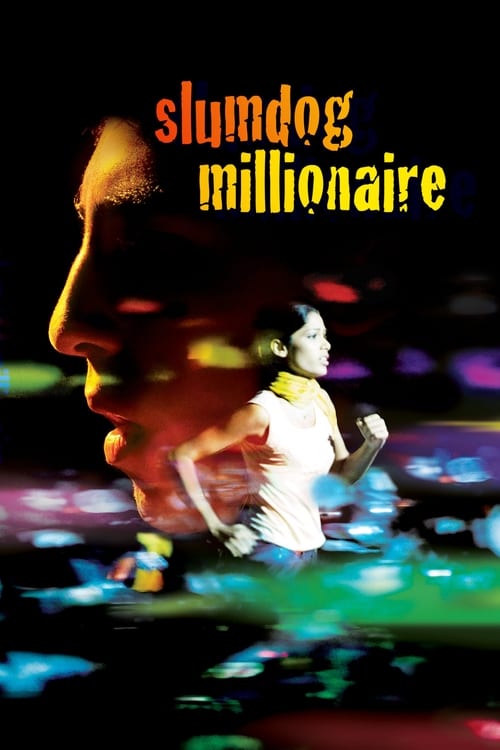
Simon Beaufoy adapted it for the screen, relocating the protagonist to Jamal Malik, and Danny Boyle shot it in the actual Dharavi slum on handheld digital cameras with a largely non-professional cast of children. Slumdog Millionaire (2008) won eight Academy Awards including Best Picture and Best Director, one of the more decisive Oscar outcomes of the modern era. The film made the novel famous retrospectively, drove the book back onto bestseller lists worldwide under new editions bearing the film's title, and turned A.R. Rahman's score into a cultural artifact in its own right.
Beyond the main adaptation, the story generated a stage musical and a set of thematic cousins across film, television, books, and games that share its preoccupations: poverty and survival in a vast city, childhood marked by violence and loyalty, and the question of whether luck is ever truly separate from the life that shaped you.
The story across time
- 2005Vikas Swarup publishes Q&A in the UK
- 2008Danny Boyle's film adaptation wins eight Academy Awards Slumdog Millionaire
- 2008A.R. Rahman's score and soundtrack released worldwide Slumdog Millionaire: Music From the Motion Picture
- 2013West End stage musical premieres at Curve, Leicester
- 2016Stage musical transfers to larger productions in London and on tour
If you love Slumdog Millionaire: poverty, survival, and the city
Films and books that find hope and violence in the same breath




If you love the quiz-show tension: ordinary people, extraordinary stakes
Stories built around a single high-pressure moment that reveals a whole life
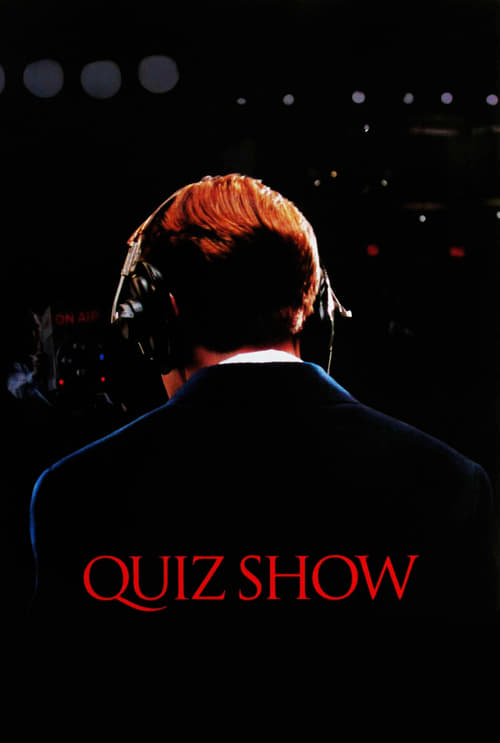



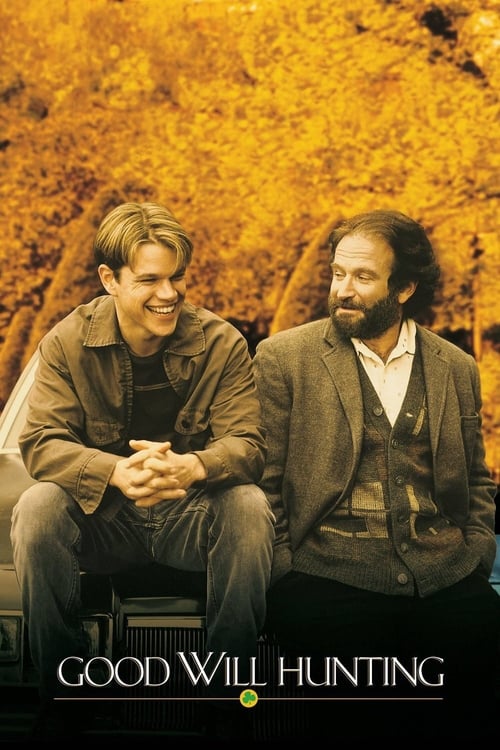
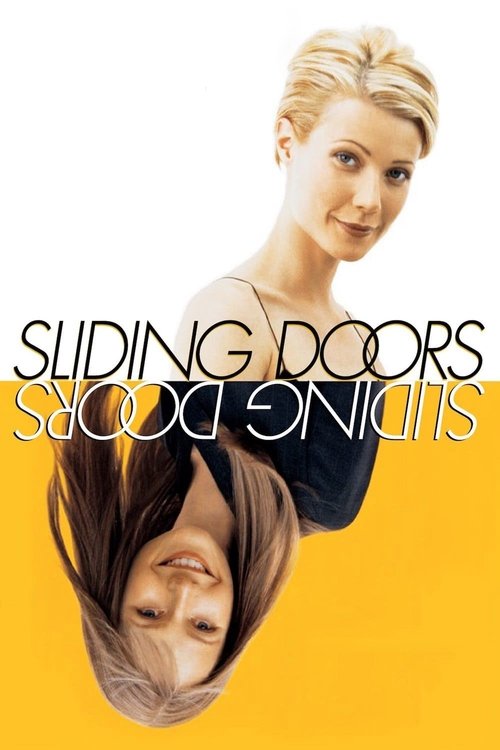
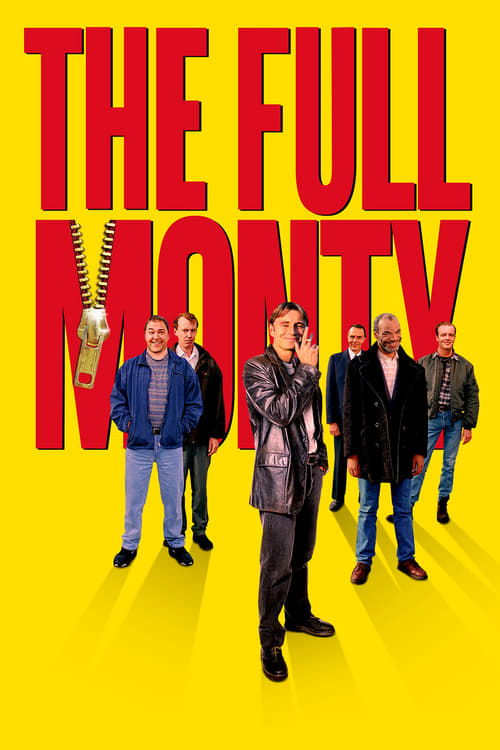
If you love the Mumbai backdrop: India, class, and reinvention
Cross-media stories set in modern India or shaped by its cities and contradictions
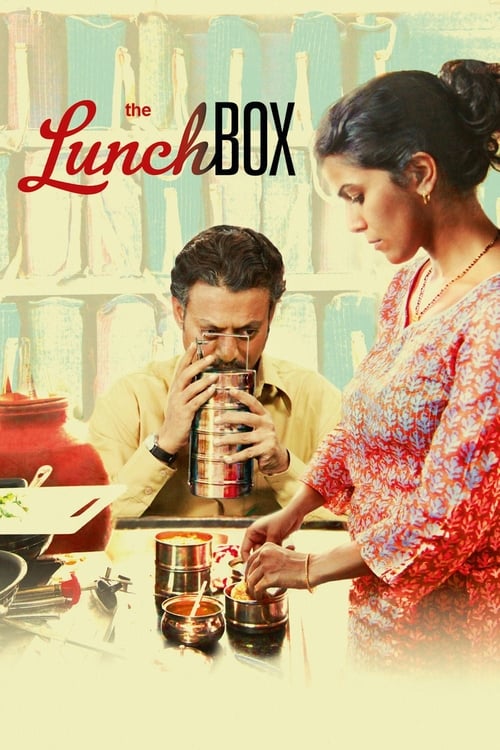
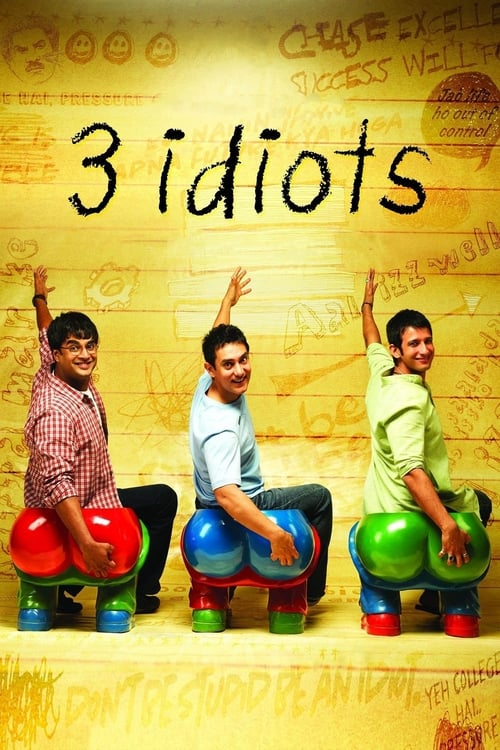






If you love A.R. Rahman's score: propulsive, layered, cinematic soundtracks
Scores that carry equal weight to the images they accompany
The definitive version: the 2008 film
Danny Boyle's film is the rare adaptation that improves on its source. Swarup's novel is inventive and propulsive but uneven, the episodic structure more mechanical than felt. Beaufoy's screenplay tightens the love story into a spine and gives the whole thing a destination it can run toward. Boyle shoots the film with an energy that matches the subject. The opening chase sequence, cut over M.I.A.'s "Paper Planes", is one of the great opening arguments in recent cinema. The film earns its sentiment because it never looks away from the squalor that precedes it. Of all the works in this guide, it is the one most worth going back to.
The underrated one: Vikas Swarup's Q&A
Most people who love the film have never read the novel, which is a shame. Q&A is funnier, stranger, and more cynical than Boyle's movie. Swarup's original protagonist Ram Mohammad Thomas carries a name that is itself a joke about India's religions, and the book's episodes include detours into Bollywood, colonial-era murder, and a diplomat's household that the film drops entirely. It reads like a picaresque in the tradition of Fielding, not a prestige drama. If the film moved you, the novel will rearrange your sense of where that feeling came from. The two versions illuminate each other: the book is looser and sharper, the film warmer and more propulsive, and knowing both makes the story feel bigger than either telling alone.
The one to approach with care: the stage musical
The stage musical (book by Simon Beaufoy, music by A.R. Rahman and others) has its champions, and some of the Bollywood-inflected staging is genuinely spectacular in a live setting. Translating a film whose power came from handheld intimacy and real locations into a proscenium production is a significant conceptual challenge, and most critics found the result competent rather than essential. The score carries it further than the staging deserves. Worth seeing if the production comes to your city, but go with honest expectations rather than the hype that attached to the film.