
The Other World Cinema
Spanish is the native language of roughly 500 million people, spans two continents, and encompasses at least a dozen distinct film traditions that rarely get treated as a unified thing. That is both accurate and useful: the Madrid of Pedro Almodóvar has almost nothing in common with the Guadalajara of Juan Rulfo, and the Buenos Aires of Lucrecia Martel is a different planet from the Mexico City of Alfonso Cuarón. But they share something real: a willingness to take the body seriously. Where Hollywood cinema often treats physical experience as a vehicle for plot, Spanish-language film treats it as the subject. Pain, pleasure, grief, and sexual hunger are not subtext here. They are the text.
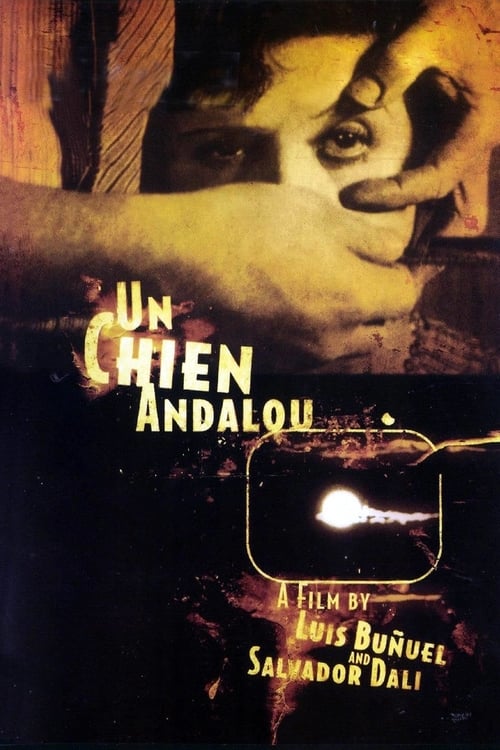
The tradition goes back further than most non-specialists realize. Luis Buñuel, born in Aragón, made Un Chien Andalou in 1929 with Salvador Dalí and spent the rest of his career making films that treated bourgeois propriety as the most contemptible form of violence. He finished that career in Mexico, which tells you something about how political catastrophe shaped the whole geography. The Spanish Civil War and the Franco dictatorship scattered Spanish artists across Latin America for decades. That diaspora cross-pollinated with the magical realism of García Márquez, the literary surrealism of Borges, and the rich indigenous visual cultures of Mexico and the Andes, producing something no single national cinema could have generated alone.
The Mexican New Wave of the late 1990s and 2000s, led by Guillermo del Toro, Alfonso Cuarón, and Alejandro González Iñárritu, did what waves always do: it created a vocabulary that younger filmmakers could adopt or reject. Cuarón moved toward formal austerity (Roma, Gravity); del Toro doubled down on the gothic fairy tale as political allegory; Iñárritu pursued a bruising naturalism that has curdled, in his later work, into self-importance. Their Argentine contemporaries, particularly Martel and Pablo Trapero, were building a parallel tradition of clinical social observation that feels, twenty years on, more durable.
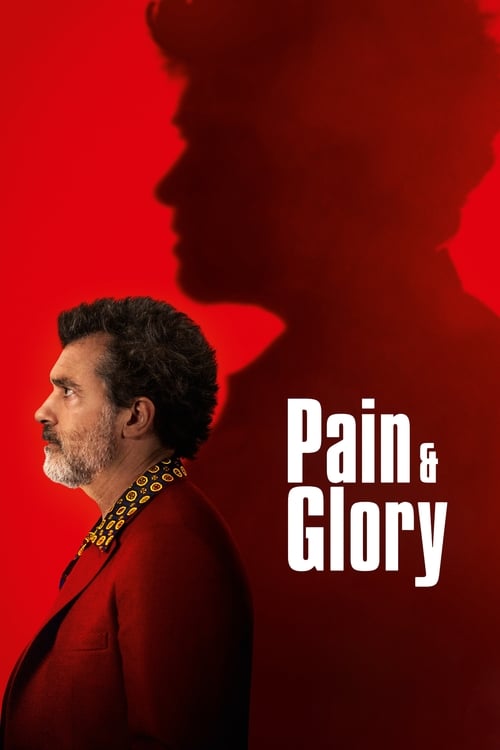
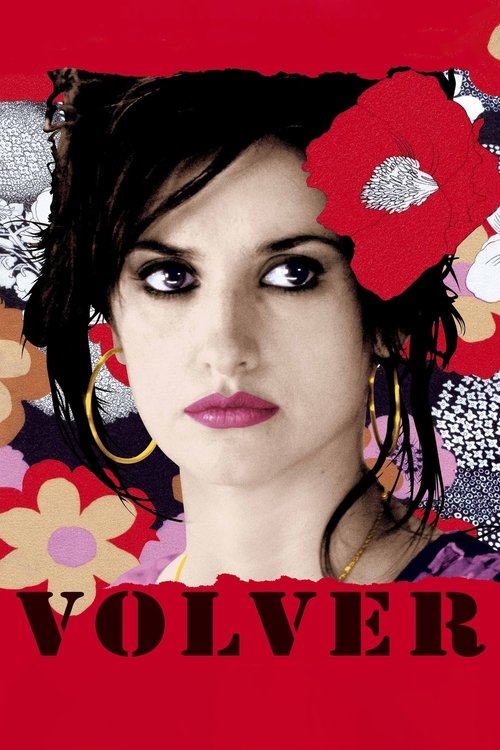
Spain itself produced Almodóvar, whose run from Pepi, Luci, Bom in 1980 through All About My Mother in 1999 to Pain and Glory in 2019 is one of the great sustained bodies of work in world cinema. He is often described as melodramatic, which is usually meant as mild condescension and is entirely wrong as a criticism: melodrama is the mode in which emotions that polite society suppresses finally get their full weight. Almodóvar understood this from the beginning.
This guide covers the canon. It does not try to be comprehensive; it tries to be useful. The criterion for inclusion is not importance to the national film industry but quality and distinctiveness: the works that will reward a viewer who comes to them with no prior knowledge and reward them again on a second watch years later.
The Essential 15
The works every serious viewer should have seen



Almodóvar's best film is not the one you think
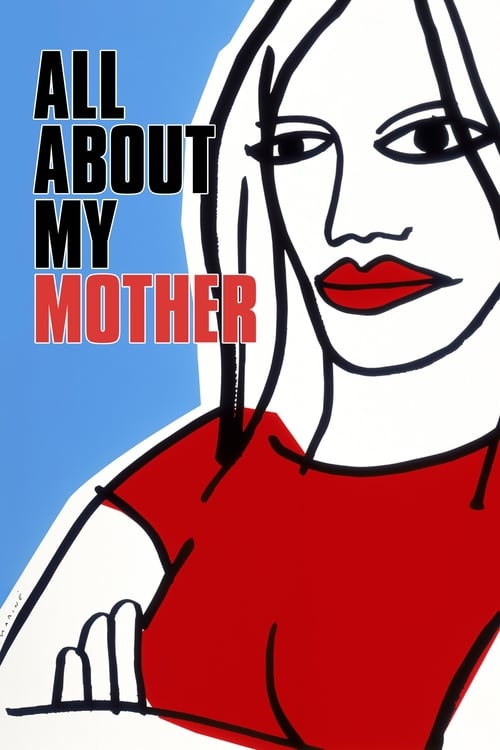
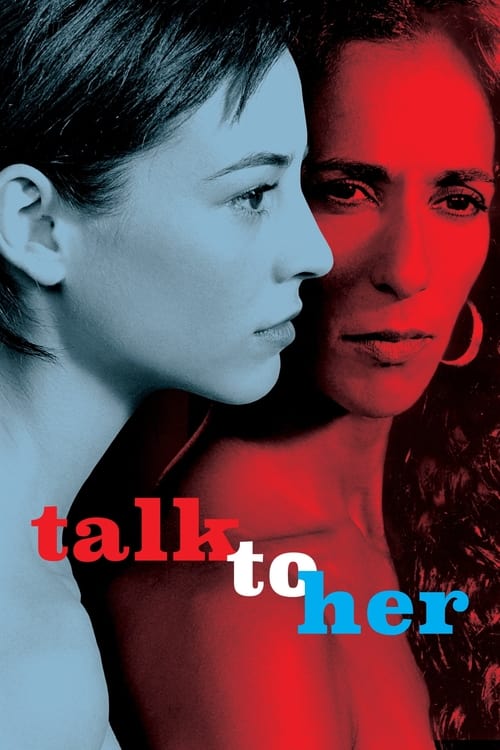
Most people would name All About My Mother and they are not wrong, but Talk to Her (2002) is the more uncomfortable and more honest film. It asks whether tenderness can coexist with violation, and it refuses to resolve that question in a satisfying direction. Almodóvar has always been drawn to moral situations that resist the neat verdicts films usually supply. Here he follows that impulse to its most unsettling endpoint. The film is formally exquisite, emotionally devastating, and the kind of thing that settles into your nervous system and stays. All About My Mother is the crowd-pleaser of the two, which is not a criticism: it earns every tear. But Talk to Her is where Almodóvar stops being generous with the viewer.
Latin American New Waves
From the Mexican Three Amigos to the Argentine clinical school



A Century of Spanish-Language Cinema
- 1929Buñuel and Dalí make Un Chien Andalou in Paris, establishing surrealism as a native mode Un Chien Andalou
- 1950Buñuel, now in Mexico, makes Los Olvidados, a brutal portrait of Mexico City poverty that wins at Cannes
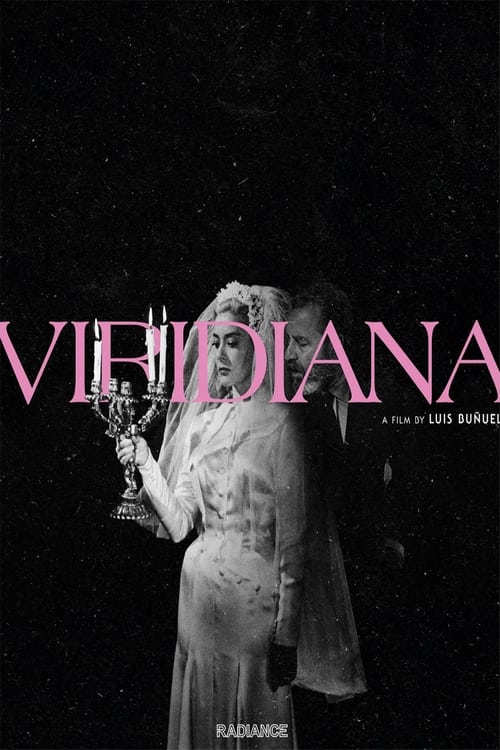
- 1962Buñuel returns to Spain briefly for Viridiana; it is banned in Spain the week it wins the Palme d'Or Viridiana
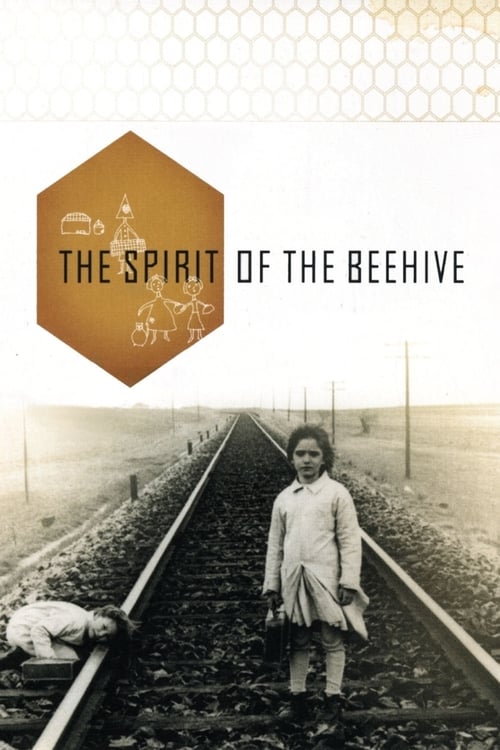
- 1973Victor Erice's The Spirit of the Beehive redefines what Spanish cinema can say under censorship The Spirit of the Beehive
- 1980Almodóvar debuts with Pepi, Luci, Bom, announcing the post-Franco movida generation Pepi, Luci, Bom
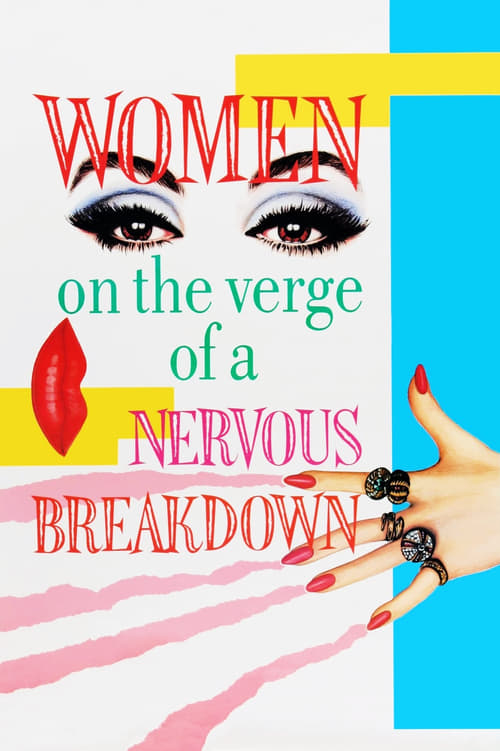
- 1988Women on the Verge of a Nervous Breakdown makes Almodóvar internationally famous Women on the Verge of a Nervous Breakdown
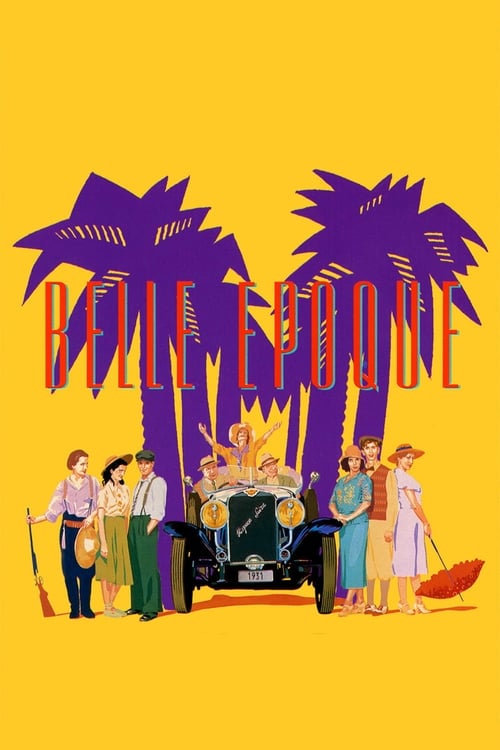
- 1992Belle Epoque wins Spain's first Best Foreign Film Oscar and marks a new confidence in Spanish period filmmaking Belle Époque
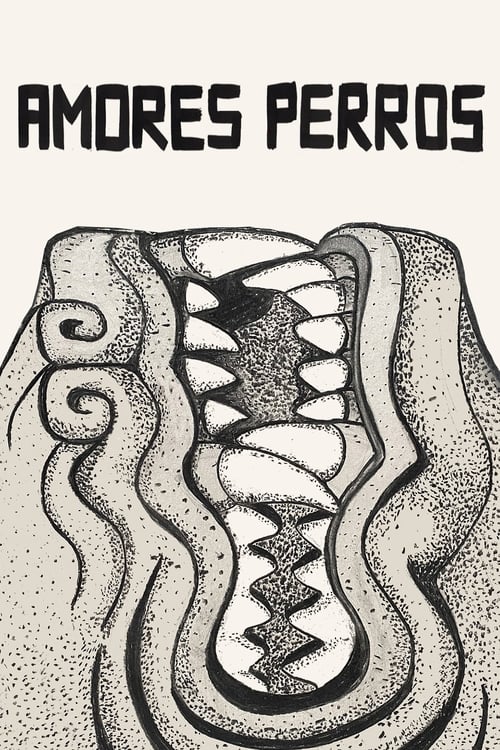
- 2000Amores Perros and Y Tu Mama Tambien within two years announce the Mexican New Wave Amores Perros
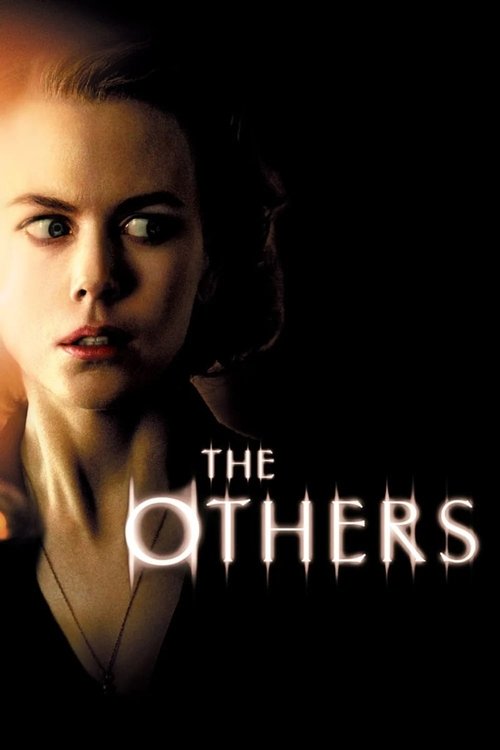
- 2001The Others, a Spanish-produced English-language film, becomes one of the highest-grossing Spanish productions globally The Others
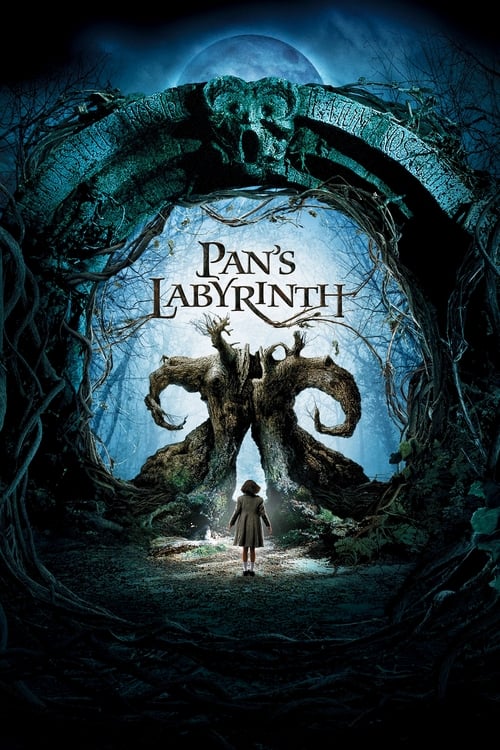
- 2006Pan's Labyrinth wins three Oscars and proves the fairy-tale allegory can carry full political weight Pan's Labyrinth
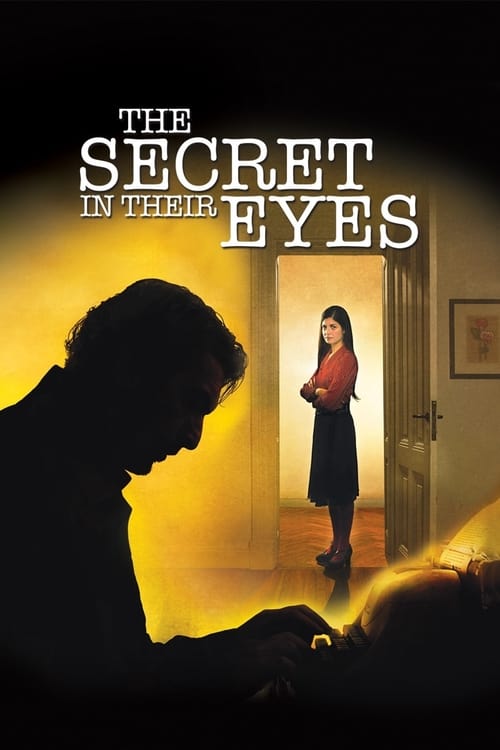
- 2009The Secret in Their Eyes wins Best Foreign Film Oscar, making Argentine genre filmmaking visible internationally The Secret in Their Eyes
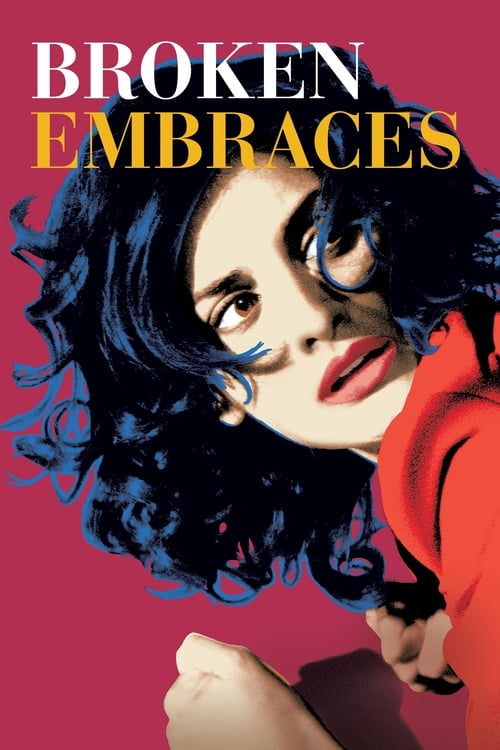
- 2011The Skin I Live In shows Almodóvar at his most formally controlled, fusing body horror with melodrama The Skin I Live In
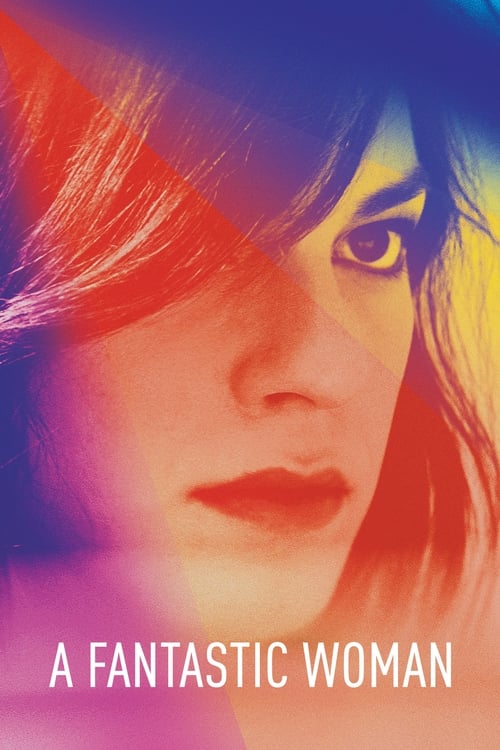
- 2017A Fantastic Woman wins Best Foreign Film Oscar, putting Chilean cinema firmly on the map A Fantastic Woman
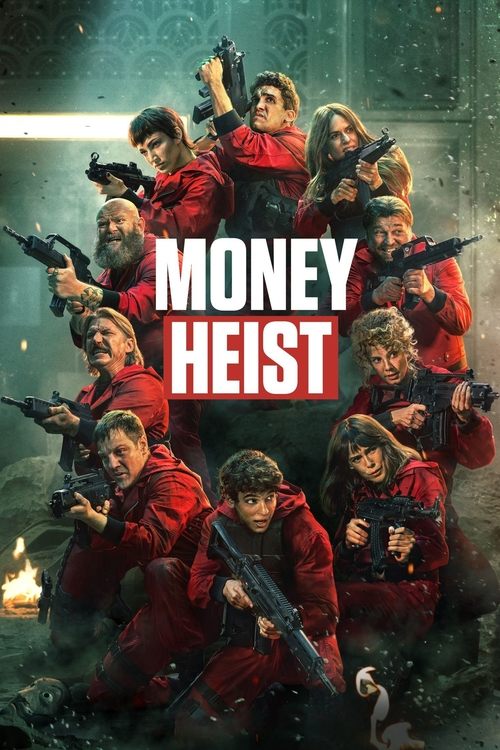
- 2017Money Heist premieres on Spanish TV and becomes Netflix's first global Spanish-language phenomenon Money Heist
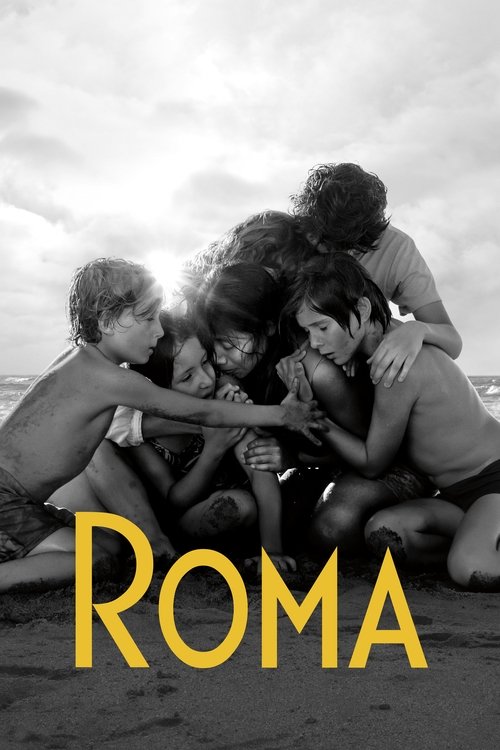
- 2018Roma wins Best Director and Best Foreign Film at the Oscars, making Cuarón the first Latin American to win Best Director twice Roma
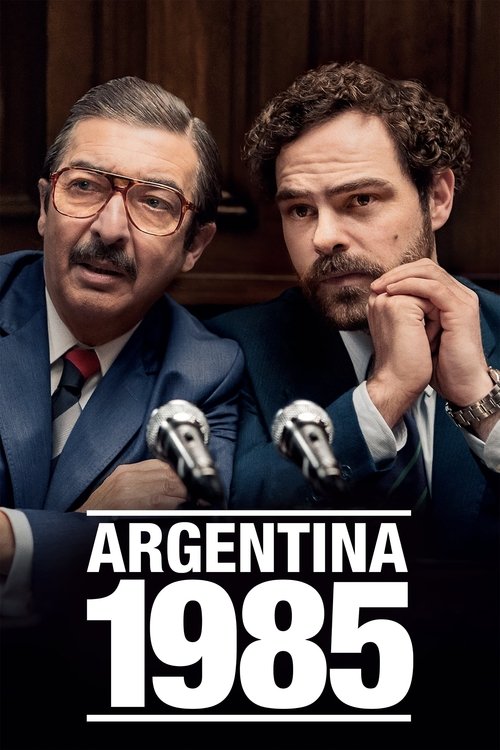
- 2022Argentina, 1985 lands an Oscar nomination, and Argentina's legal drama tradition becomes internationally visible Argentina 1985
Del Toro is the most underrated major director working
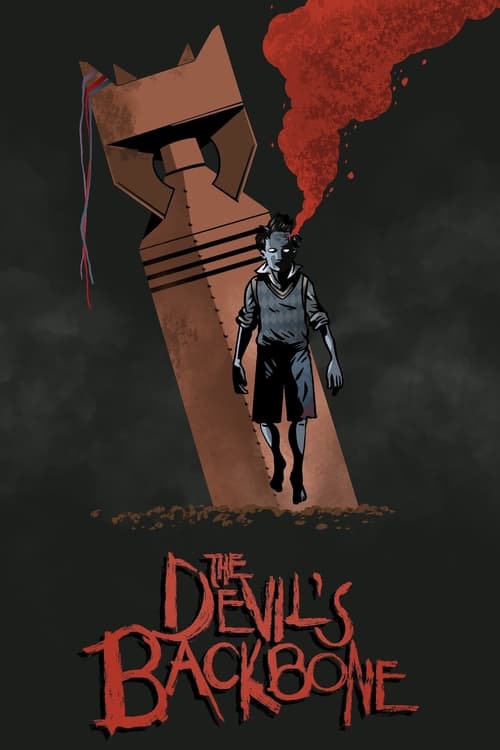
The critical consensus treats Guillermo del Toro as a genre entertainer who occasionally produces art, which reverses the actual situation. Pan's Labyrinth is a film about the Spanish Civil War and its aftermath made through the grammar of a fairy tale, and the grammar is not decoration: the fantasy sequences are not escapism, they are the only space in which the film's moral argument can be made plainly. The real world in del Toro is always too contaminated by compromise for truth to be spoken directly. His reputation suffers because he works in monsters and colour and Catholicism rather than in beige naturalism, but the rigour is there in every frame. The Devil's Backbone, his earlier Spanish Civil War film, is the more compressed and arguably more perfect version of the same thesis.

Spanish Television
The streaming era gave Spanish TV series a global audience for the first time

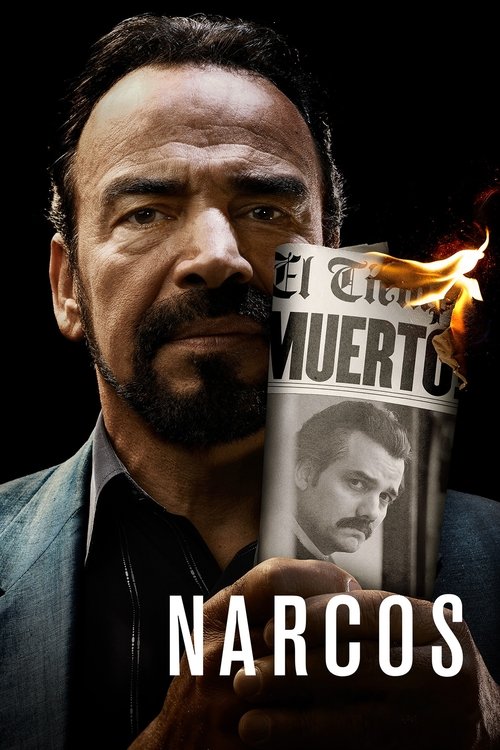
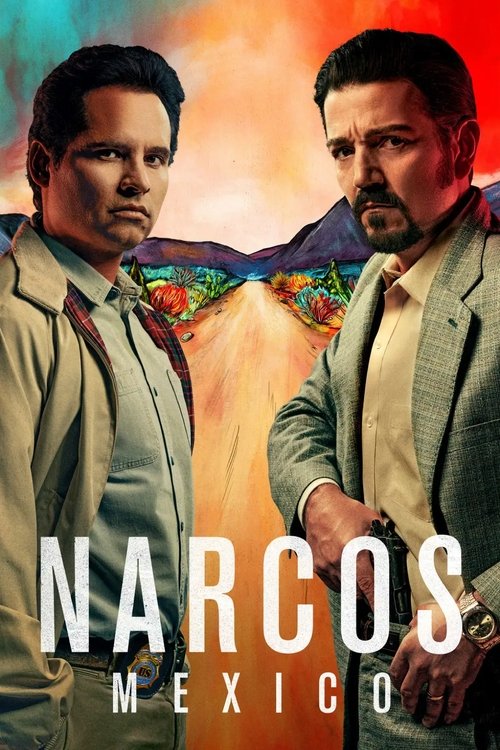

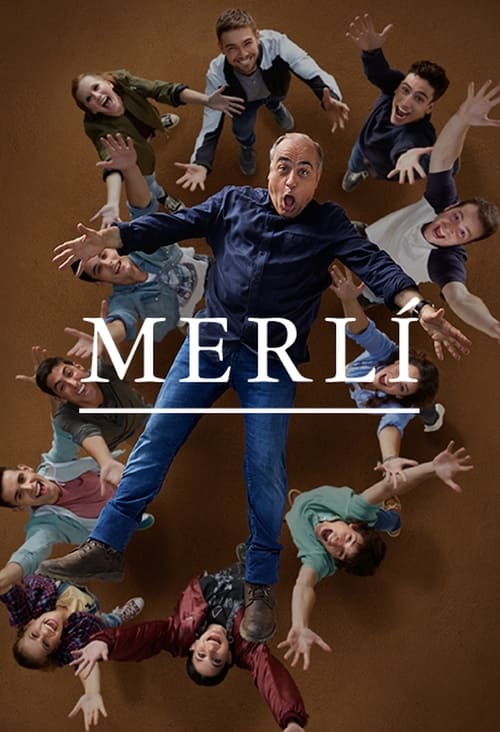
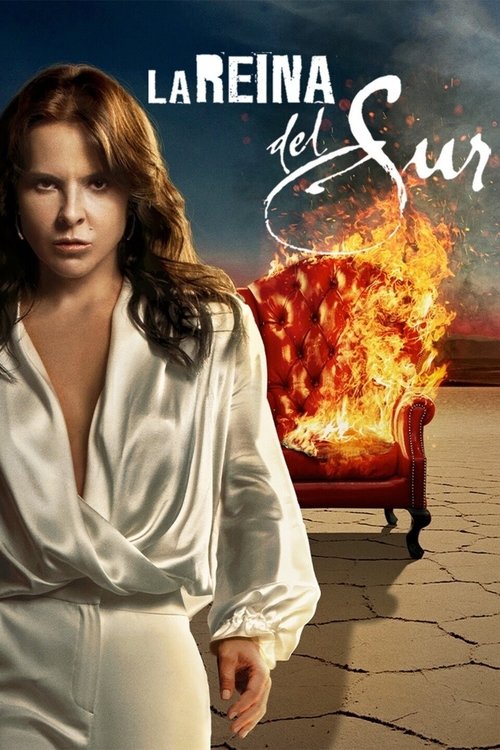

Spanish-language cinema has always been a cinema of the body in extremity, because the political conditions under which most of it was made gave artists no access to the political directly. You write around the wound when you cannot write about it.CrossBinge editorial
Masters and Their Bodies of Work
Directors worth following across their whole filmographies

Lucrecia Martel is the best Latin American director of her generation
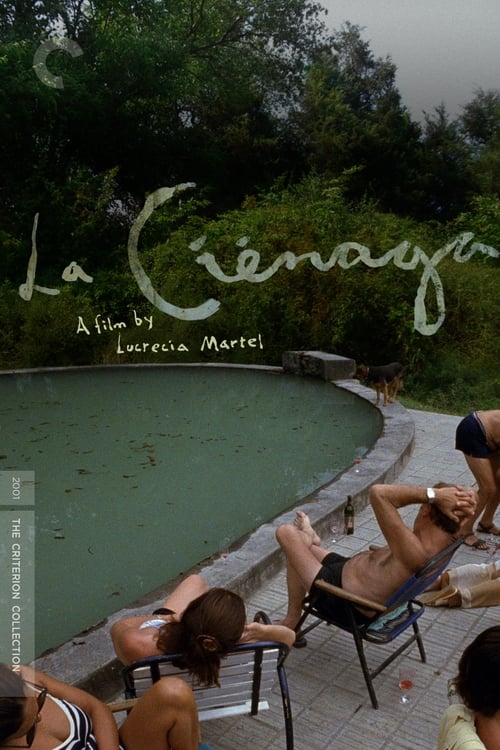
Martel has made four features across two decades and each one is more formally rigorous than the last. The Holy Girl and The Headless Woman work through a kind of moral paralysis that is almost impossible to dramatize: the characters are not avoiding the truth because they are evil but because they are ordinary. Zama, her colonial-era adaptation, is the most uncompromising film made by any Latin American director of her generation. It is also the most challenging, being a study in institutional self-delusion that refuses every catharsis the viewer might hope for. She works slowly and without concession, and the gap between her reputation among cinephiles and her general visibility remains one of the genuine scandals of film culture.
Books Behind the Films
The literary tradition that feeds Spanish-language cinema


The best political thriller of the last decade is Chilean
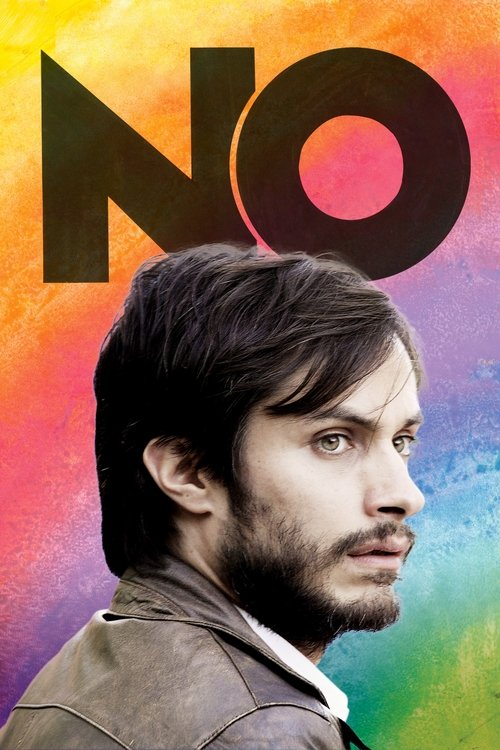
Pablo Larraín's career pivot from the formal experiments of Tony Manero and Post Mortem into biographical films (Neruda, No, Spencer, Maria) has divided critics, but those early Chilean films deserved far more attention than they received. No, his account of the 1988 plebiscite campaign against Pinochet shot in the 4:3 ratio on period video cameras, is formally brilliant and genuinely funny, which is not what you expect from a film about state terror. Its argument, that the dictatorship was ultimately defeated by advertising, is uncomfortable and possibly correct. Chilean cinema in general gets overlooked in discussions of the Latin American wave, partly because its best directors are not as easily packaged as the Mexican Three Amigos narrative.


Genre Cinema: Horror, Thriller, and the Supernatural
Spanish-language filmmakers have always taken genre seriously
![[REC]](https://image.tmdb.org/t/p/w500/hgyJR4sgMsee6xMFM3xYiG6cDCh.jpg)
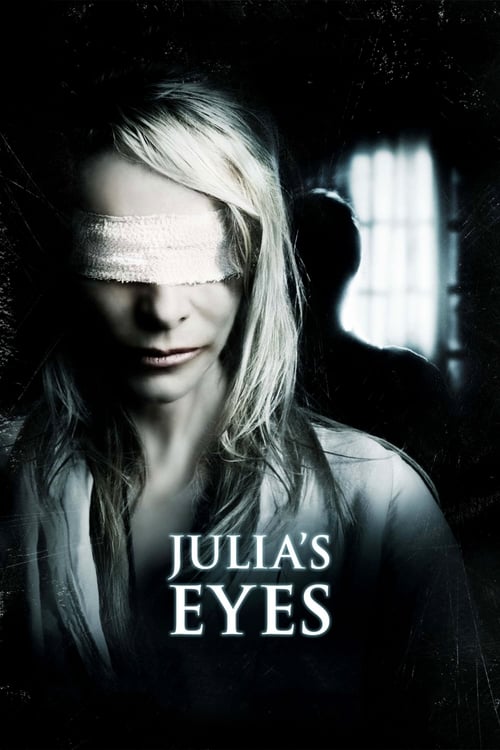
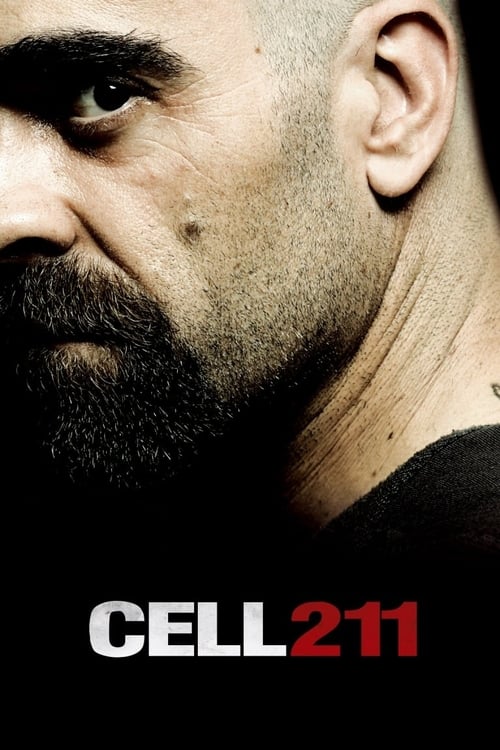

Games Set in Spanish-Speaking Worlds
The culture's visual and narrative vocabulary has shaped some extraordinary games
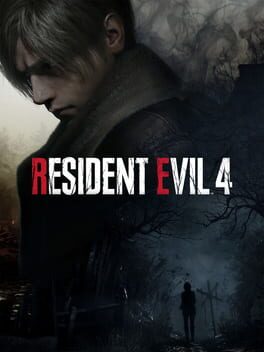


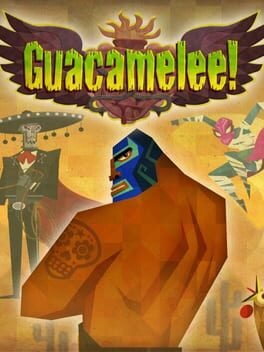
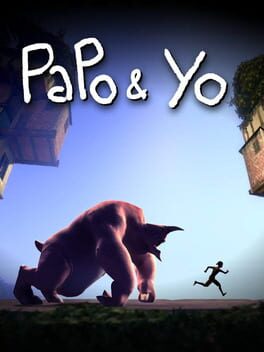


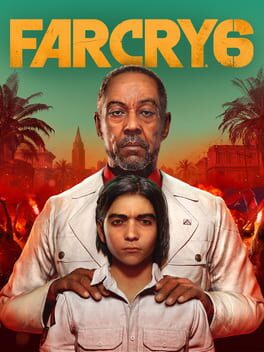

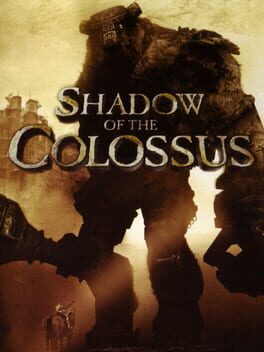
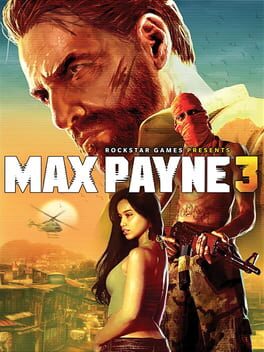
The movida madrileña of the 1980s was one of the great cultural explosions of postwar Europe: a generation that had grown up under Franco discovering sex, drugs, punk rock, and the freedom to be absurd, all at once. Almodóvar was its poet laureate and he never quite recovered from the energy of it, in the best possible sense.CrossBinge editorial
Argentina: The Social Cinema
Buenos Aires and beyond, the hardest-edged strand of the tradition


Where to Start If You Are New
If you have seen none of this and want a single point of entry, Pan's Labyrinth is not the most artistically ambitious film on this list but it is the most purely satisfying, and it will make every other film here feel more legible. Roma is the most visually beautiful, and it rewards being watched on the largest screen available. Wild Tales is the most immediately fun and can be watched with people who claim to dislike subtitled films. Y Tu Mama Tambien is the best road film of its generation, regardless of language.
For the deeper cuts: Zama will reward any viewer willing to surrender to its pace. The Spirit of the Beehive is the film that will make you understand why Victor Erice is treated with reverence by every serious filmmaker in Spain. Nine Queens is the best Argentine thriller ever made and is inexplicably underseen outside South America. Los Olvidados is still, seventy-five years later, one of the most clear-eyed films ever made about urban poverty.
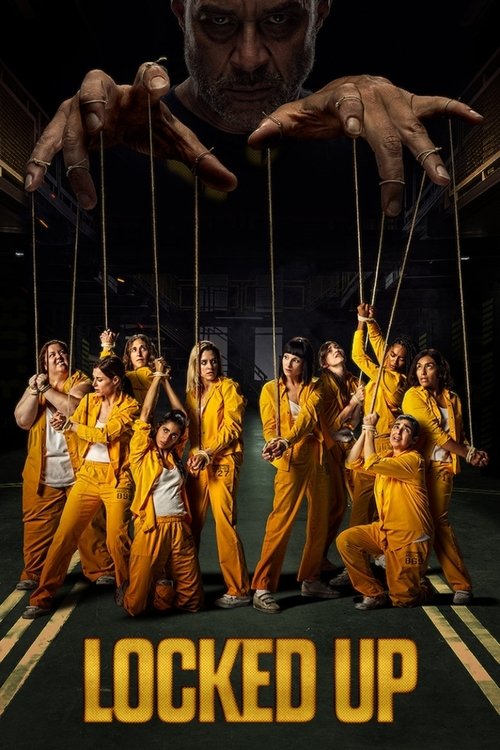
The television recommendation is more straightforward than it might appear: Money Heist is not the most sophisticated series in this guide but it is the most purely engineered for compulsive watching, and it delivered on that promise for four seasons before becoming somewhat self-conscious. Elite is sharper than its premise suggests, particularly in its first two seasons. Locked Up (Vis a vis) is the Spanish answer to Orange Is the New Black and, in its first season, better.
On books: Pedro Páramo by Juan Rulfo is the foundational text of Latin American magical realism, shorter and more structurally radical than García Márquez, and it casts a longer shadow over the films here than any other single literary work. Hopscotch by Julio Cortázar reads like the literary equivalent of the New Wave films: formally restless, digressive, and alive on every page. Ficciones by Borges is the book that taught a century of filmmakers how to build a world out of pure logic and then pull the floor out from under it.
Notable Spanish Books
The most-notable books written in Spanish, from the catalog
 Mare Nostrum
 Obras poéticas de d. Luis de Góngora
 Poesia
 Don Gil de las calzas verdes
 Marta la piadosa
 El Burlador de Sevilla y convidado de Piedra, comedia famosa;
 La Huerta de Juan Fernández
![[Comedias sueltas]](https://covers.openlibrary.org/b/id/5749156-L.jpg) [Comedias sueltas]
[Comedias sueltas] María
María La Florida del Inca
 Cigarrales de Toledo
 First Part of the Royal Commentaries of the Yncas
 Poemas
 Comedia nuevaLa comedia nueva o el café
 La derrota de los pedantes