

The Cinema of Pedro Almodóvar
Pedro Almodóvar arrived in post-Franco Madrid as part of the Movida Madrileña, the explosion of art, music, and queerness that swept Spain after the dictatorship collapsed. He made his early films on weekends with borrowed money and nonprofessional actors, and those first scrappy comedies already had it: a love of lurid color, a refusal to judge his characters, and a belief that the most outlandish emotional situations are also the most honest.
Four decades on, his films remain unmistakable. A red coat against a white wall. A woman on the verge. A secret kept so long it becomes a second life. Almodóvar works in a register that is simultaneously camp and tragic, formally composed and emotionally raw. His characters lie, betray, obsess, and grieve, and he regards all of it with the tenderness of someone who has seen it all himself and forgiven everyone in advance.
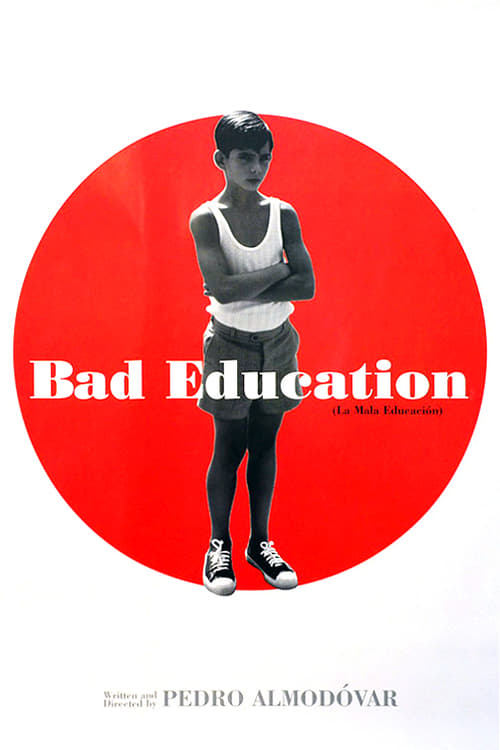
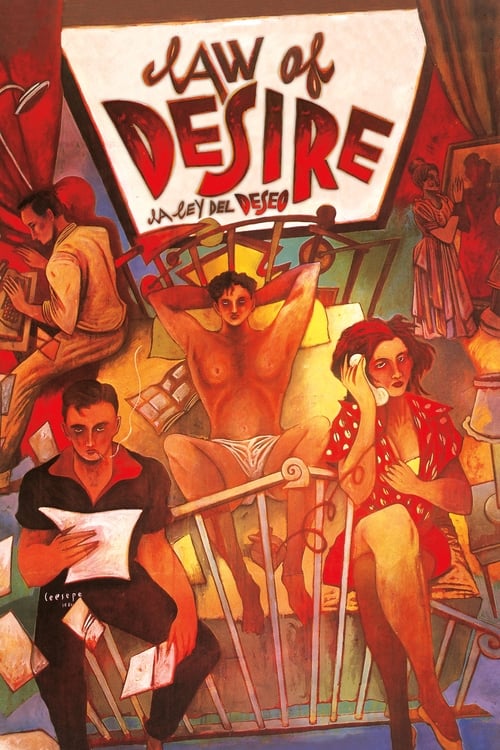
At the center of almost every film is a woman. Not a symbol or a victim, but a person of appetite and resourcefulness navigating a world that keeps trying to reduce her. Carmen Maura, Victoria Abril, Marisa Paredes, Penélope Cruz: Almodóvar has drawn some of the finest performances in Spanish cinema from these collaborators, and the films often feel like a love letter to the actresses as much as to the characters. When men do occupy the center, as in The Law of Desire or Bad Education, they carry the same unguarded longing.
His visual language borrows from Douglas Sirk's melodrama, from Hitchcock's fetishism, from Fassbinder's social fury, and from the telenovela. He has never been embarrassed by influence; he wears it openly and transforms it into something entirely his own. If you love Almodóvar, you love cinema that believes feelings are worth taking seriously, that style is not decoration but argument, and that desire, in all its forms, is the engine of human experience.
Essential Almodóvar
His own films, from the anarchic early comedies to the late autumnal masterworks




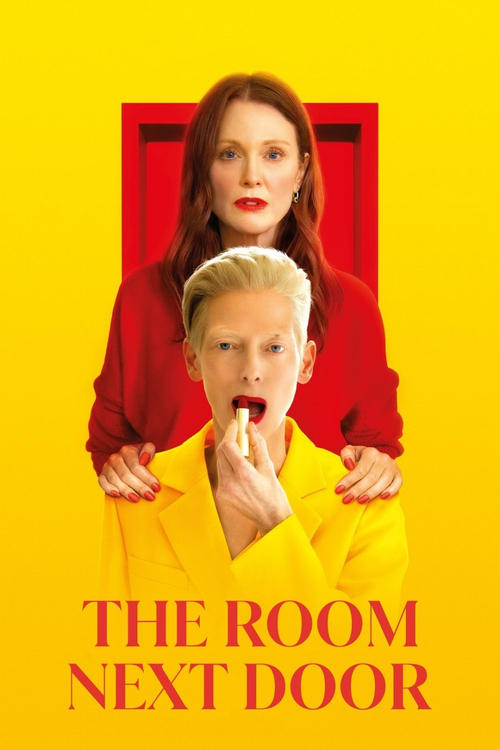
Melodrama at Full Volume
Films that treat emotion as spectacle without apologizing for it
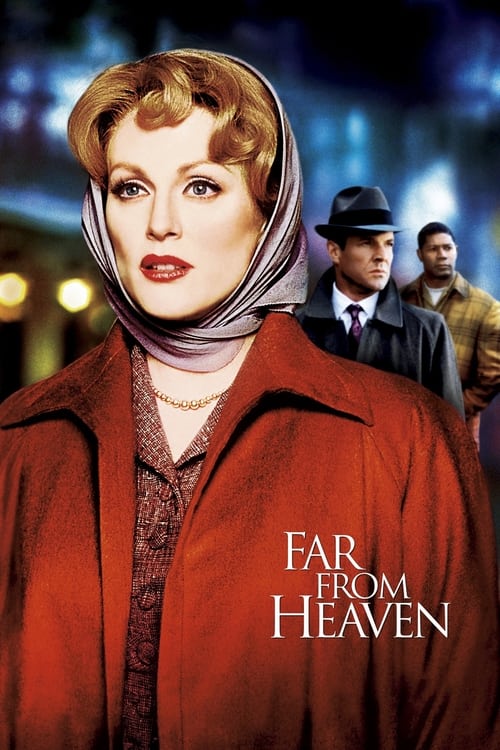
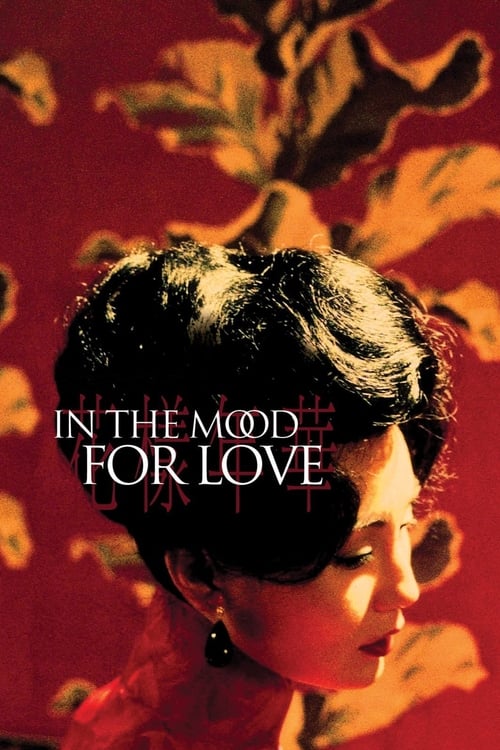
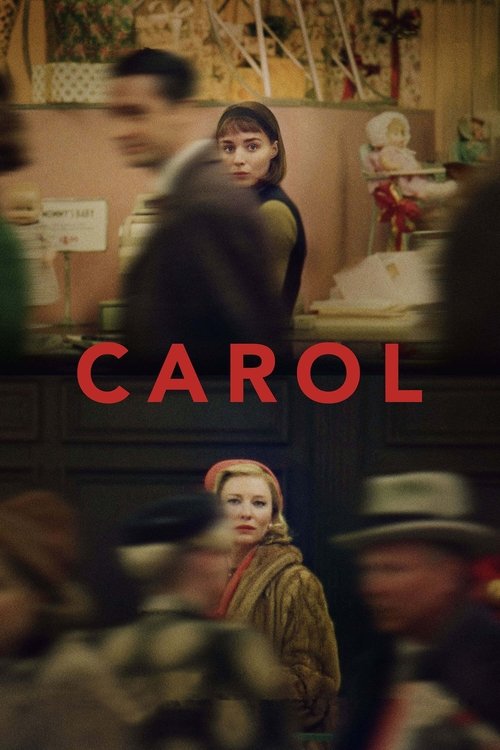



Female Interiority on Screen
Stories that put women's inner lives at the center, unglamourized and unsentimentalized
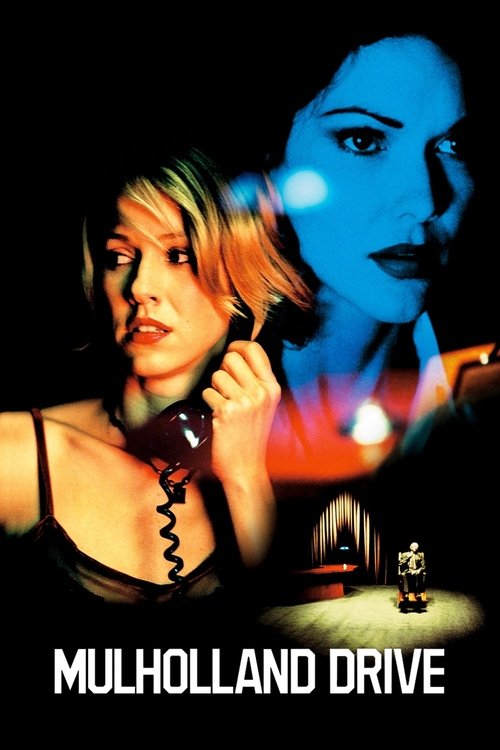

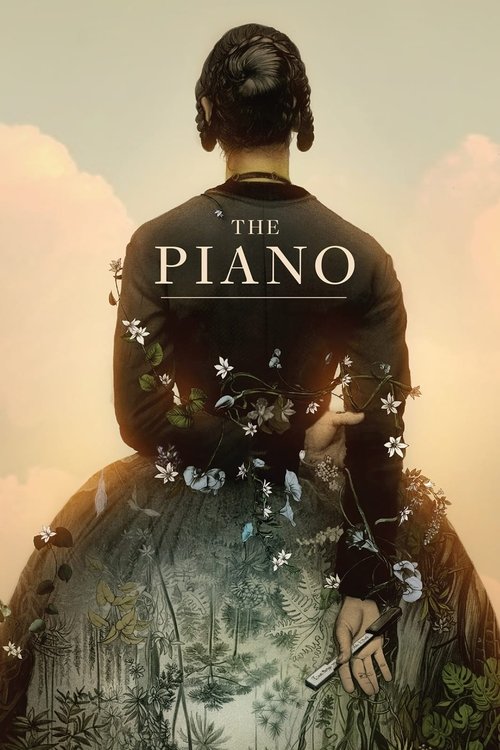
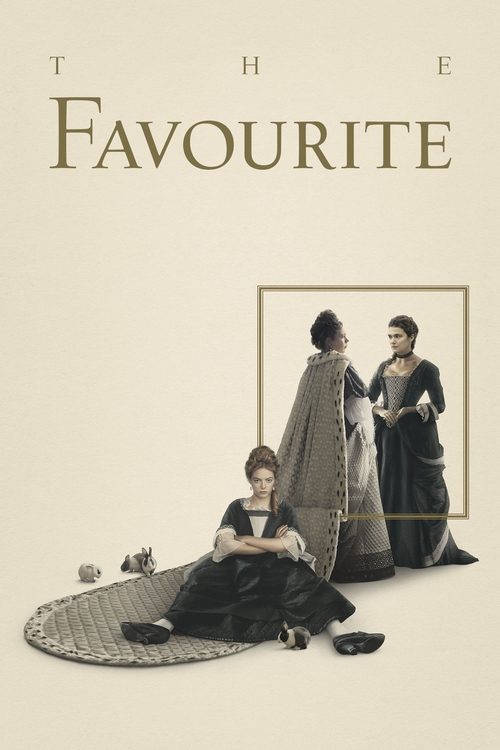

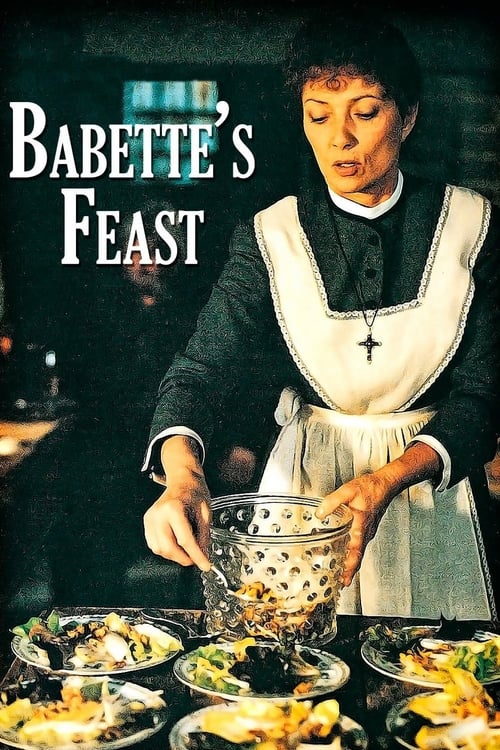


Queer Desire and Hidden Lives
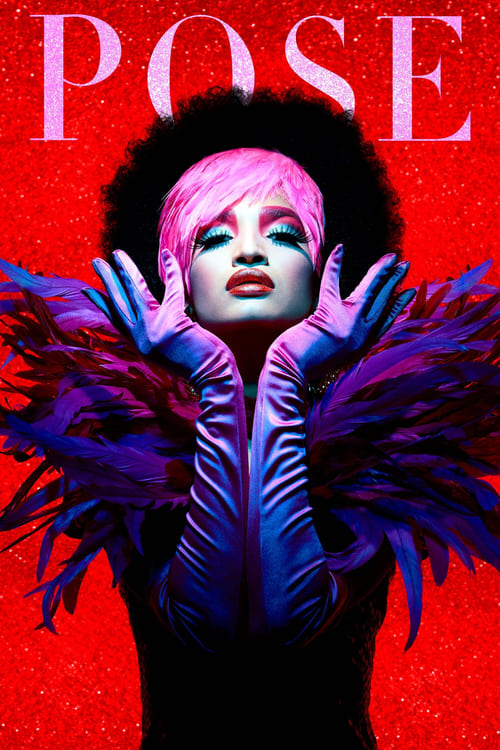
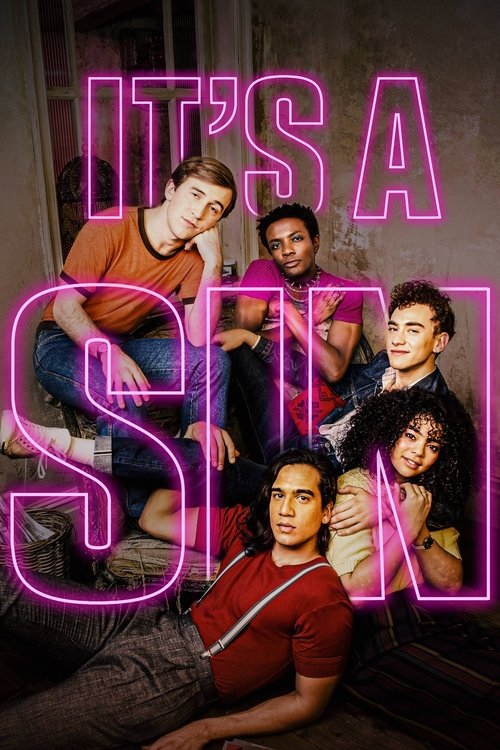
Cinema and TV that share Almodóvar's frank, unapologetic view of sexuality and identity
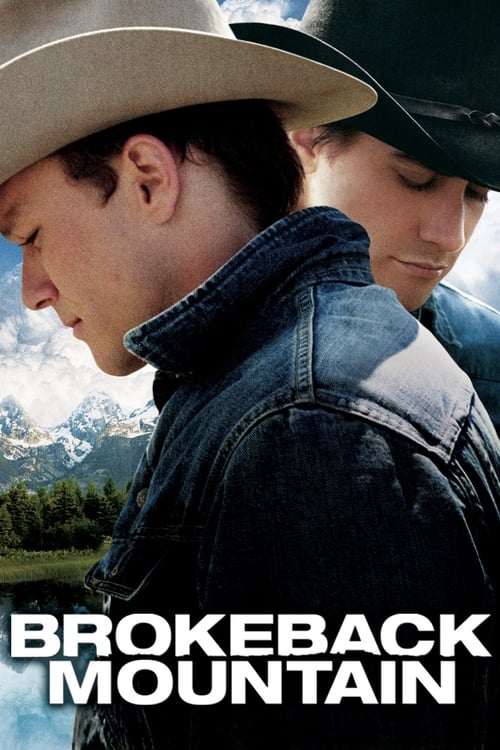

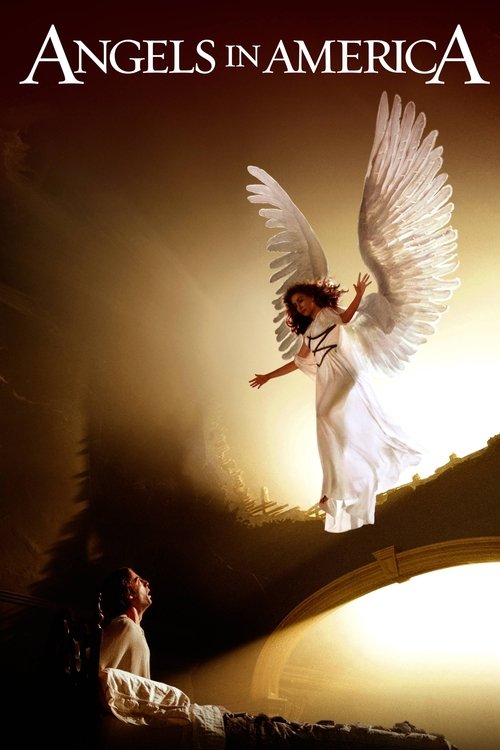

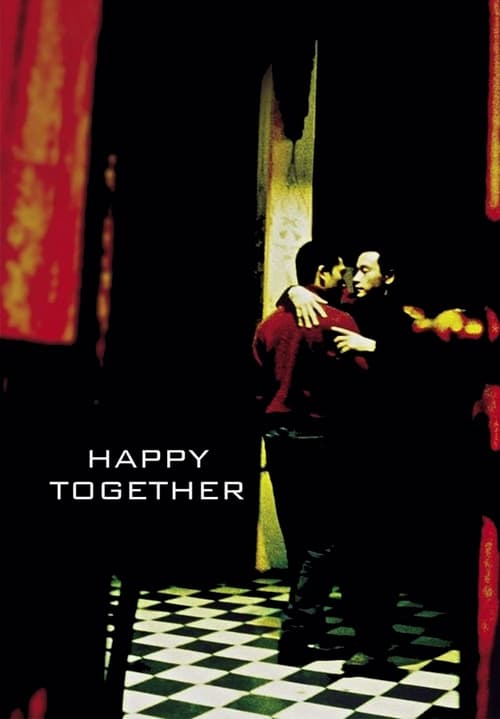
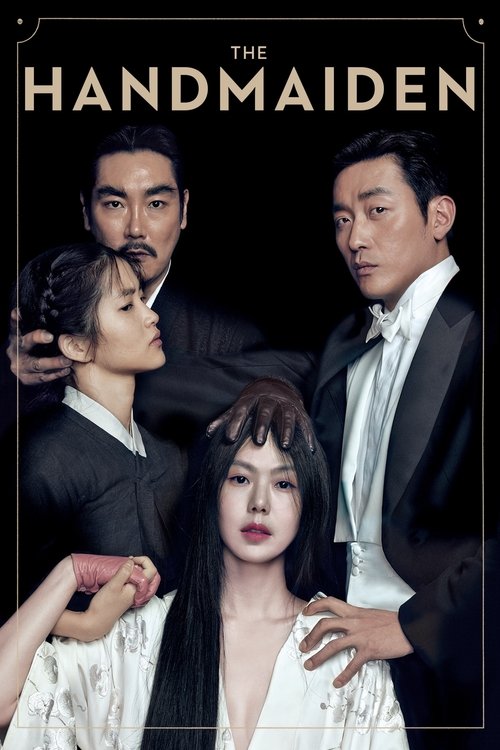


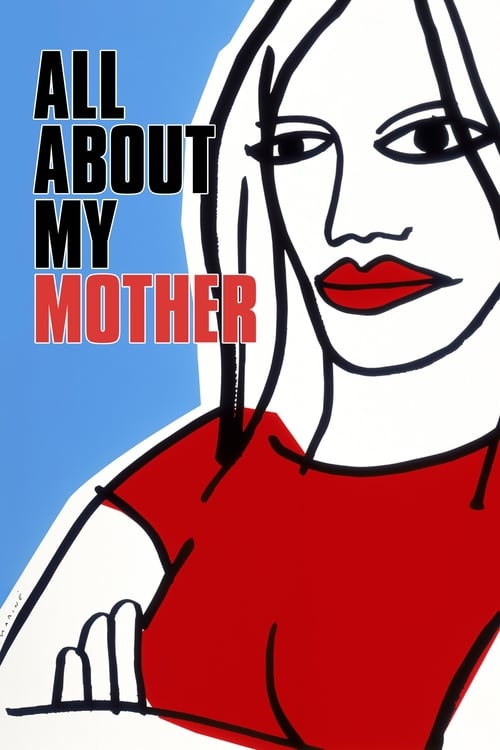
Start with All About My Mother
Every filmmaker has one film that distills everything they do. For Almodóvar it is All About My Mother. It has his colors, his women, his Madrid-to-Barcelona geography, his love of Bette Davis and Tennessee Williams, and his willingness to hold grief and absurdist comedy in the same scene without flinching. It won the Cannes Best Director prize and the Oscar for Best Foreign Language Film, and it still feels startling. Begin here, then work backwards and forwards from it.
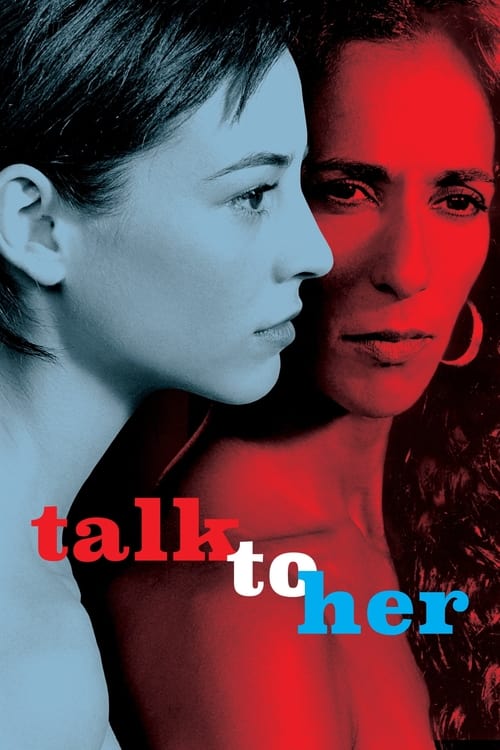
Talk to Her is the one that gets under your skin
Talk to Her is the film that divides people, which is exactly why it is the great one. Two men keeping vigil over comatose women: one relationship is clearly tender, one is clearly disturbing, and Almodóvar refuses to let you hold those apart cleanly. The film asks what it means to love someone who cannot respond, and it earns no easy answers. Javier Cámara's performance is one of the most unsettling and moving things in contemporary cinema.
Fassbinder is the closer ancestor, not Sirk
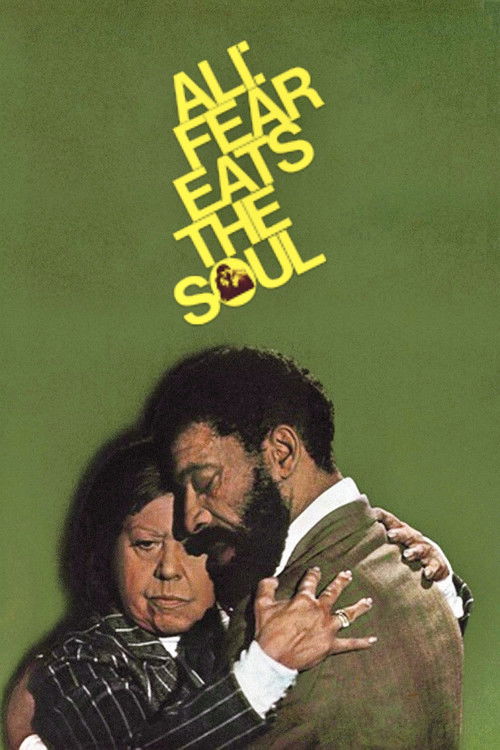
People always reach for Douglas Sirk when they talk about Almodóvar's melodrama, and Sirk matters. But Rainer Werner Fassbinder is the closer ancestor: the social anger underneath the gorgeous surface, the gay filmmaker centering women's experience with genuine identification rather than sentimentality, the production-line discipline that never became sloppiness. Ali: Fear Eats the Soul and The Bitter Tears of Petra von Kant belong on the same shelf as Almodóvar's early work.
Pain and Glory is the film he needed 40 years to make
Pain and Glory is Almodóvar in full late style: slower, quieter, and more openly autobiographical than anything before it. Antonio Banderas, reuniting with the director who made him, plays a filmmaker reviewing the archive of his own life. It is a film about the body failing, about old loves, about the relationship between addiction and art. That it is also a little boring in places feels right, like the character's own exhaustion.
Almodóvar Through the Decades
- 1980Pepi, Luci, Bom arrives, shot over two years on weekends Pepi, Luci, Bom
- 1988Women on the Verge breaks through internationally Women on the Verge of a Nervous Breakdown
- 1999All About My Mother wins Cannes Best Director and the Oscar for Best Foreign Language Film All About My Mother
- 2002Talk to Her wins the Oscar for Best Original Screenplay Talk to Her
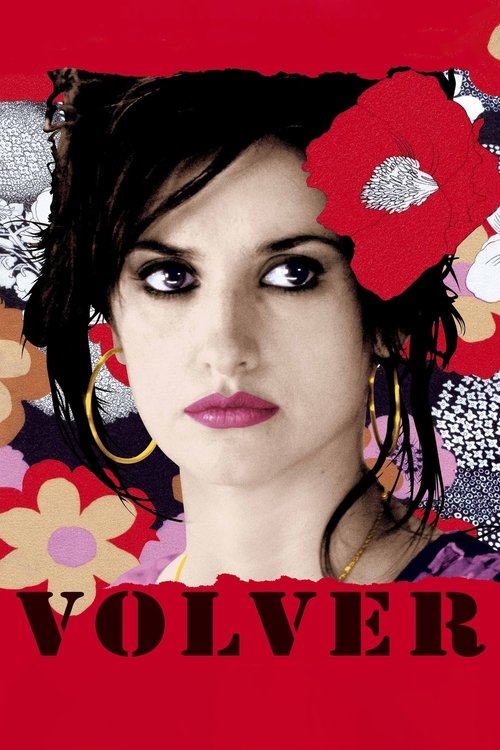
- 2006Volver brings Penélope Cruz the Cannes Best Actress prize Volver
- 2019Pain and Glory earns Banderas the Cannes Best Actor award Pain and Glory
- 2024The Room Next Door premieres at Venice and wins the Golden Lion The Room Next Door
Bold color, desire, Spanish cinema
Spanish-Language Cinema
Explore the Spanish-Language Cinema guide →Almodóvar is the rare filmmaker who can show you a character doing something unforgivable and still make you understand exactly how they got there.CrossBinge editorial