More like Cat's Cradle
Cross-media recommendations across film, TV, games, books & music — picked by taste.
Cat's Cradle is Kurt Vonnegut's satirical novel about science, technology, religion, and the arms race — told through morbid humor and an invented theology dreamed up by a calypso singer. It follows humanity's collective hubris toward an apocalyptic end, managing to be both blackly fatalistic and hilariously funny. If this resonates, you're drawn to fiction that takes civilization's self-destruction seriously without losing its sense of the absurd.
About Cat's Cradle
Cat's Cradle is a satirical postmodern novel, with science fiction elements, by American writer Kurt Vonnegut. Vonnegut's fourth novel, it was first published on March 18, 1963, exploring and satirizing issues of science, technology, the purpose of religion, and the arms race, often through the use of morbid humor. The novel was nominated for the Hugo Award for Best Novel in 1964.
From the Wikipedia article Cat's_Cradle, available under CC BY-SA.
Films like Cat's Cradle
Games like Cat's Cradle
More books like Cat's Cradle
 Book
Palm Sunday
Book
Palm Sunday
The same author's self-portrait, blending wit and grief through cockamamie corners of a fully lived life.
 Book
Slaughterhouse-Five
Book
Slaughterhouse-Five
An anti-war novel where time-fractured survival becomes a lens on meaninglessness and human destruction.
 Book
Apocalyptigirl
Book
Apocalyptigirl
A lone woman at the end of the world searches for a relic of immeasurable power in an overgrown city.
 Book
Dream Fall
Book
Dream Fall
A half-human traveler confronts an ecological catastrophe born of human greed on an alien world.
 Book
Novels & stories, 1963-1973
Book
Novels & stories, 1963-1973
A literary collection of Vonnegut novels, short stories, and other writings from 1963 to 1973.
 Book
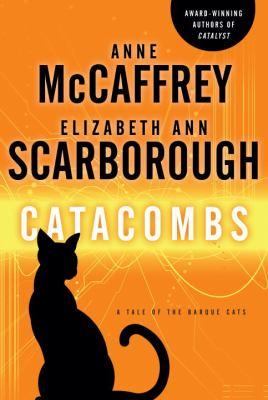
Catacombs
Book
Catacombs
Cats and humans flee Earth together, trusting a mysterious feline with his own agenda and his own ship.
Frequently asked
What should I read after Cat's Cradle?
If you loved Vonnegut's dark humor and apocalyptic satire, Slaughterhouse-Five is the natural next read — it shares the same anti-war irreverence and fractured storytelling. For something wilder, Apocalyptigirl offers a post-collapse world with a lone survivor and wry tone.
Are there any games like Cat's Cradle — apocalyptic and darkly humorous?
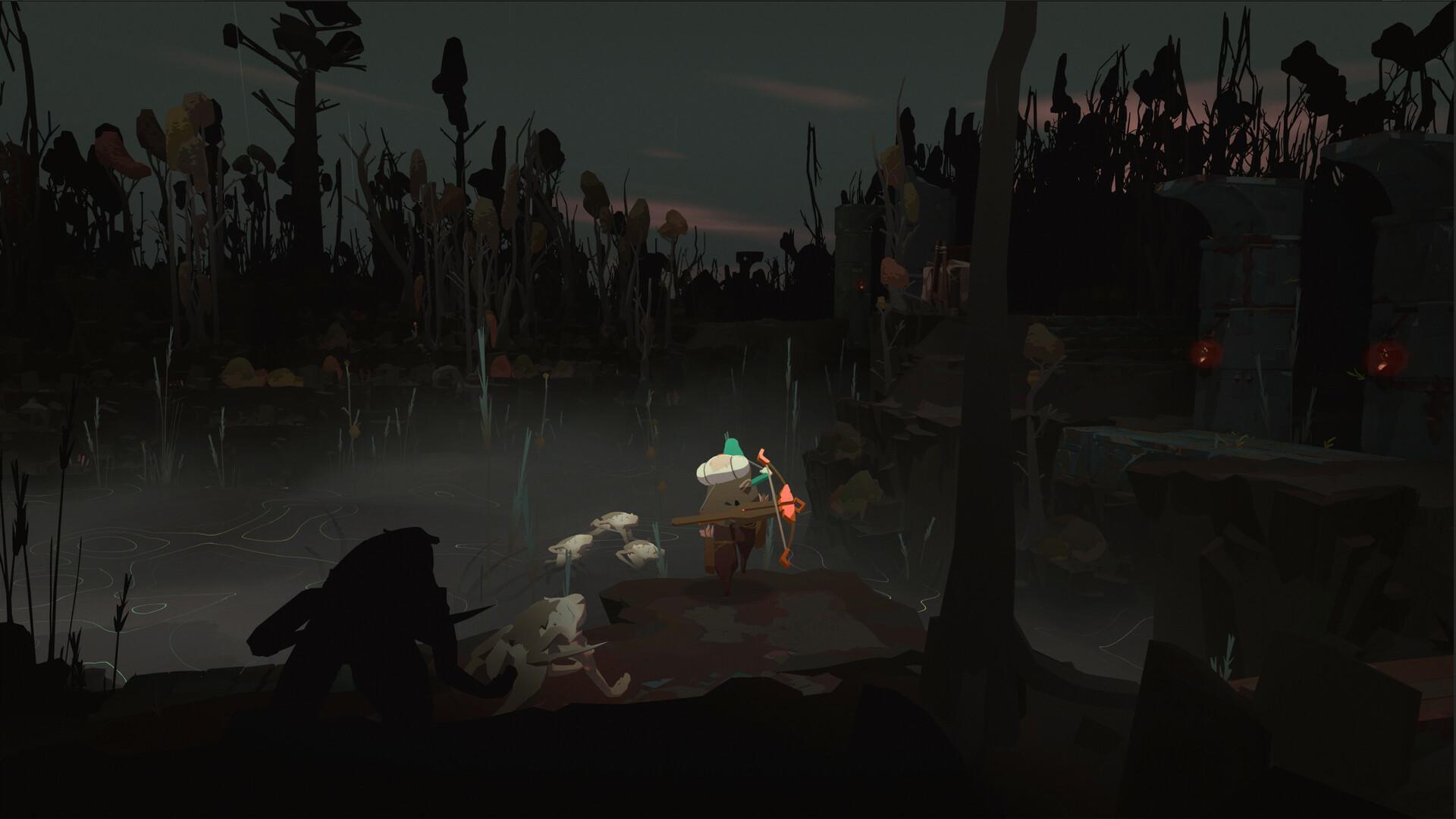
Cataclismo captures the desperate, humanity-on-the-brink feeling of Vonnegut's novel, casting you as a defender of a civilization crumbling under an unstoppable blight — bleak premise, but compelling to play through.
Why do people love Cat's Cradle so much?
It wraps genuinely unsettling ideas about science, religion, and self-destruction in absurdist comedy that makes them bearable — readers who want more of that Vonnegut voice can also explore Palm Sunday, his autobiographical collection full of the same wit.