 CrossBinge
Book: The Light Fantastic →
CrossBinge
Book: The Light Fantastic →
More like The Light Fantastic
Cross-media recommendations across film, TV, games, books & music — picked by taste.
The Light Fantastic follows the singularly inept wizard Rincewind — last seen falling off the edge of the world — as he becomes the unlikely figure standing between existence and catastrophe. It signals a taste for comic fantasy where the stakes are genuinely apocalyptic, heroes are magnificently unqualified for the job, and the absurd is played completely straight. Readers drawn to it tend to love worlds governed by their own peculiar internal logic, dry wit that cuts under the silliness, and the pleasure of watching something cosmically important rest on entirely the wrong shoulders.
About The Light Fantastic
The Light Fantastic is a comic fantasy novel by Terry Pratchett, the second of the Discworld series. It was published on 2 June 1986, the first printing being of 1,034 copies. The title is taken from L'Allegro, a poem by John Milton, and refers to dancing lightly with extravagance, although in the novel it is explained as "the light that lies on the far side of darkness, the light fantastic. It was a rather disappointing purple colour."
From the Wikipedia article The_Light_Fantastic, available under CC BY-SA.
Films like The Light Fantastic
 Film
Fantastic Voyage
Film
Fantastic Voyage
A crew shrunk to microscopic size navigates an impossible, life-or-death journey through uncharted territory — adventure on an absurd scale.
 Film
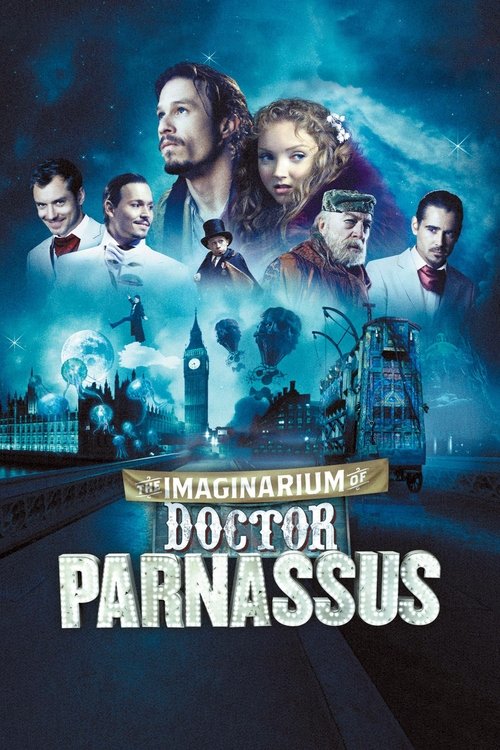
The Imaginarium of Doctor Parnassus
Film
The Imaginarium of Doctor Parnassus
A carnival leader's immortal bet with the devil echoes the cosmic, high-stakes wagers that drive Rincewind's fate.
 Film
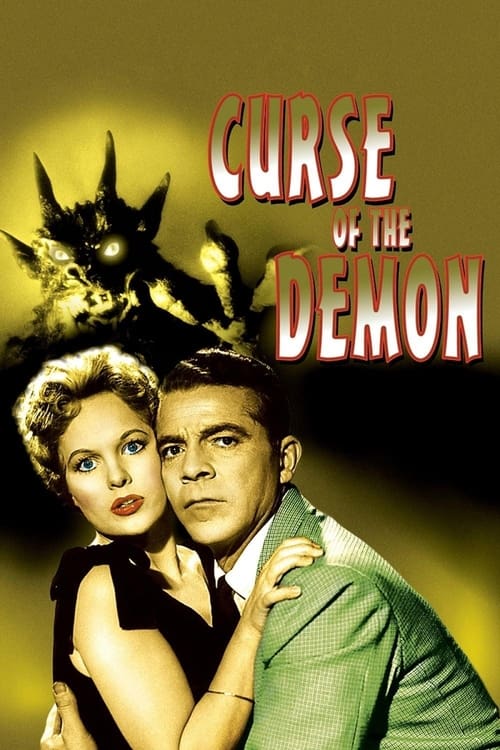
Night of the Demon
Film
Night of the Demon
A scholar drawn into sinister supernatural forces he can't quite dismiss shares Rincewind's reluctant brush with dark, ungovernable magic.
Series like The Light Fantastic
 Series
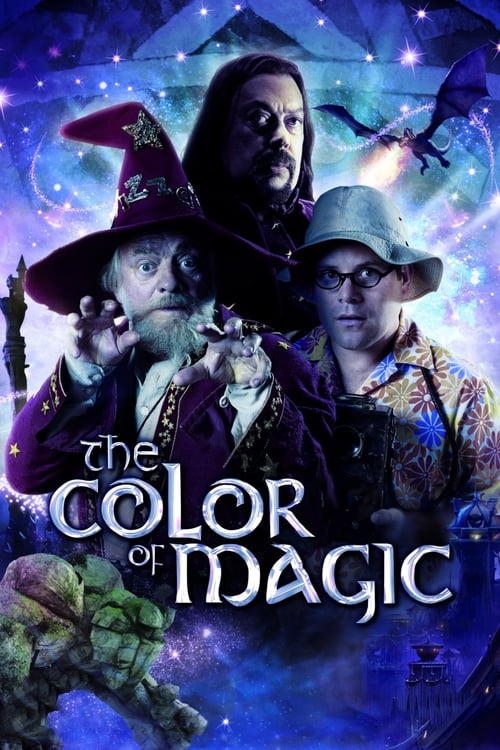
The Colour of Magic
Series
The Colour of Magic
Rincewind himself flees Ankh-Morpork with the tourist Twoflower — this is the direct screen companion to *The Light Fantastic*.
 Series
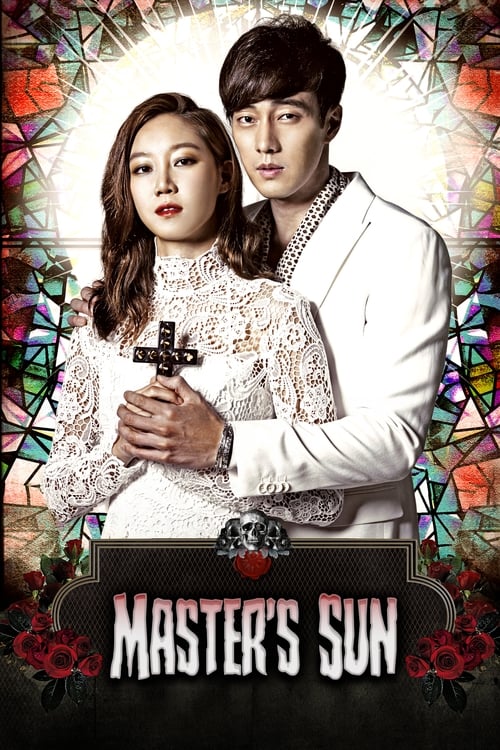
Master's Sun
Series
Master's Sun
An outcast with unwanted supernatural abilities and a grumpy rich boss trades in the same mismatched-pair, comic-fantasy energy.
 Series
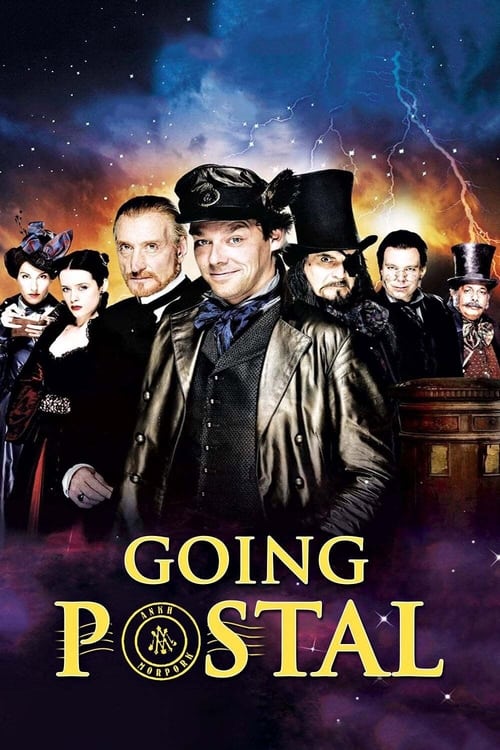
Going Postal
Series
Going Postal
A con-man pressed into unlikely heroic duty on the Discworld — wrong person, impossible job, signature Pratchett tone.
Games like The Light Fantastic
 Game
Discworld II: Missing Presumed...!?
Game
Discworld II: Missing Presumed...!?
A point-and-click adventure set directly in Pratchett's Discworld, with the same satirical fantasy world and sensibility.
 Game
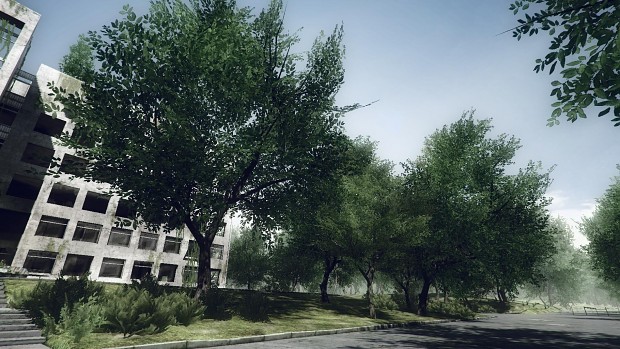
The Light
Game
The Light
An atmospheric parable set in an abandoned world reclaimed by nature — solitary, beautiful, and quietly eerie.
 Game
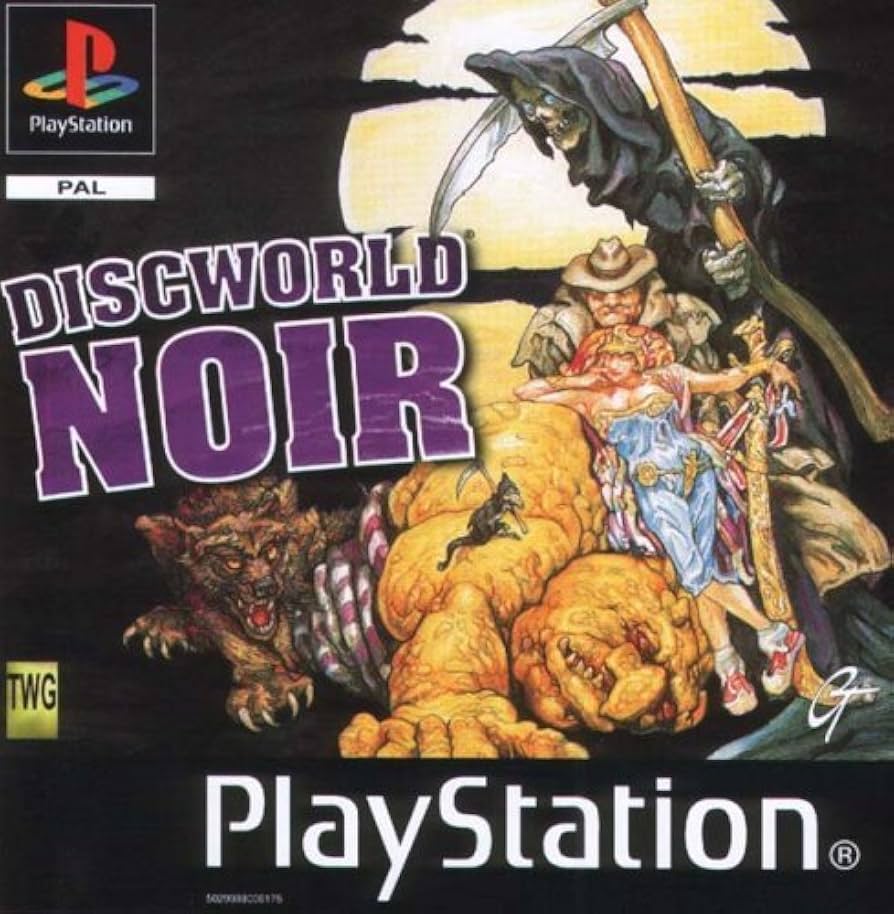
Discworld Noir
Game
Discworld Noir
A noir mystery set in Pratchett's satirical Discworld — same universe, darker mood, same sharp wit underneath.
More books like The Light Fantastic
 Book
The Globe
Book
The Globe
Discworld's own wizards accidentally conjure an entire universe, with the same bumbling magical authority as Unseen University.
 Book
Small Gods
Book
Small Gods
An unwilling Chosen One who just wants peace finds himself crushed between divine will and institutional cruelty — classic Pratchett moral comedy.
 Book
The Last Continent
Book
The Last Continent
Unseen University's senior wizards blunder into a continent-scale mystery, carrying the same inept-magical-authority comedy.
 Book
A Hat Full of Sky
Book
A Hat Full of Sky
A young witch's apprenticeship proves nothing like expected — an undertone of real threat beneath the comic Discworld surface.
 Book
Terry Pratchett's The Truth
Book
Terry Pratchett's The Truth
A Discworld editor seeking truth while powerful people try to stop him — Pratchett's satirical wit applied to journalism and power.
 Book
Night Watch
Book
Night Watch
A city-watch commander flung thirty years back in time must navigate conspiracy and violence — Pratchett's Discworld at its darkest.
Frequently asked
What should I read after The Light Fantastic?
The Discworld series continues with many entry points — Small Gods, Going Postal (also a TV adaptation), and Night Watch are all strong picks from this list, each standalone but sharing the same flat world and satirical sensibility.
Are there TV shows or movies like The Light Fantastic?
The TV adaptation The Colour of Magic covers the same Rincewind storyline directly, while Going Postal (2010) brings the same Discworld humour to a different corner of Ankh-Morpork.
What games capture the feel of The Light Fantastic?
Discworld II: Missing Presumed...!? and Discworld Noir are both point-and-click adventures built inside Pratchett's Discworld, carrying the same comic-fantasy atmosphere and dry wit.