 CrossBinge
Book: Digital Fortress →
CrossBinge
Book: Digital Fortress →
More like Digital Fortress
Cross-media recommendations across film, TV, games, books & music — picked by taste.
Digital Fortress is a 1998 techno-thriller by Dan Brown that centres on government surveillance of citizens' electronically stored data and the civil liberties questions that follow from it. If that premise hooked you, you have a taste for stories where technology is the terrain of genuine ethical conflict — not just a plot device — and where the tension between state power and individual privacy is the real engine. Below is a cross-media trail of fiction, nonfiction, and games that share that same nerve.
About Digital Fortress
Digital Fortress is a techno-thriller novel written by American author Dan Brown and published in 1998 by St. Martin's Press. The book explores the theme of government surveillance of electronically stored information on the private lives of citizens, and the possible civil liberties and ethical implications of using such technology.
From the Wikipedia article Digital_Fortress, available under CC BY-SA.
Films like Digital Fortress
 Film
Fortress 2
Film
Fortress 2
A man trapped in a sophisticated space prison fights to get back to his son on Earth.
 Film
Fortress
Film
Fortress
A private underground prison where computers surveil and punish inmates via cameras, dream readers, and pain devices.
 Film
WarGames: The Dead Code
Film
WarGames: The Dead Code
A government super-computer built to lure potential terrorists ensnares an unwitting hacker instead.
 Film
Fortress
Film
Fortress
Criminals breach a top-secret compound for retired intelligence officers, exploiting its secrecy as a vulnerability.
Series like Digital Fortress

Games like Digital Fortress
More books like Digital Fortress
 Book
Cyber war
Book
Cyber war
Security expert Richard Clarke explains plainly how cyber weapons work and how exposed governments and citizens are.
 Book
Cyberpunk
Book
Cyberpunk
A tour through the computer underground and the high-tech rebels who inhabit it.
 Book
The Digital Person
Book
The Digital Person
How digital dossiers on citizens are built without their knowledge — and why our concept of privacy needs rethinking.
 Book
Neuromancer
Book
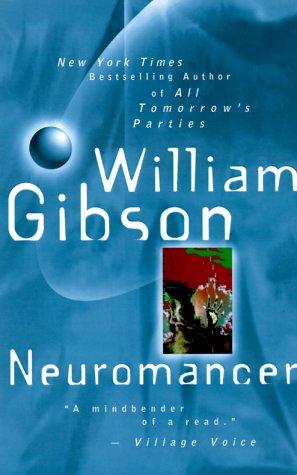
Neuromancer
Gibson's Hugo- and Nebula-winning cyberpunk novel: the first fully-realised vision of a digital future where code is power.
 Book
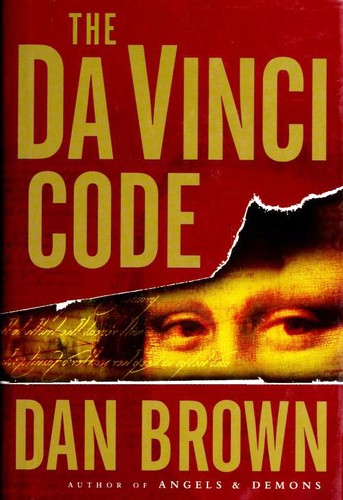
The Da Vinci Code
Book
The Da Vinci Code
Dan Brown's mystery thriller following a symbologist unravelling hidden secrets in a relentless, puzzle-driven chase.
 Book
Gray Hat Hacking
Book
Gray Hat Hacking
A practitioner's guide to the real hacking tools and techniques that thrillers like this one dramatise.
Frequently asked
What should I read after Digital Fortress?
The Digital Person by Daniel Solove tackles the same surveillance-and-privacy stakes in nonfiction, arguing we need to rethink what privacy means in the digital age. Neuromancer takes the digital frontier into visceral fiction — both reward the part of you that found the ethics in Digital Fortress as gripping as the plot.
Are there games that feel like Digital Fortress?
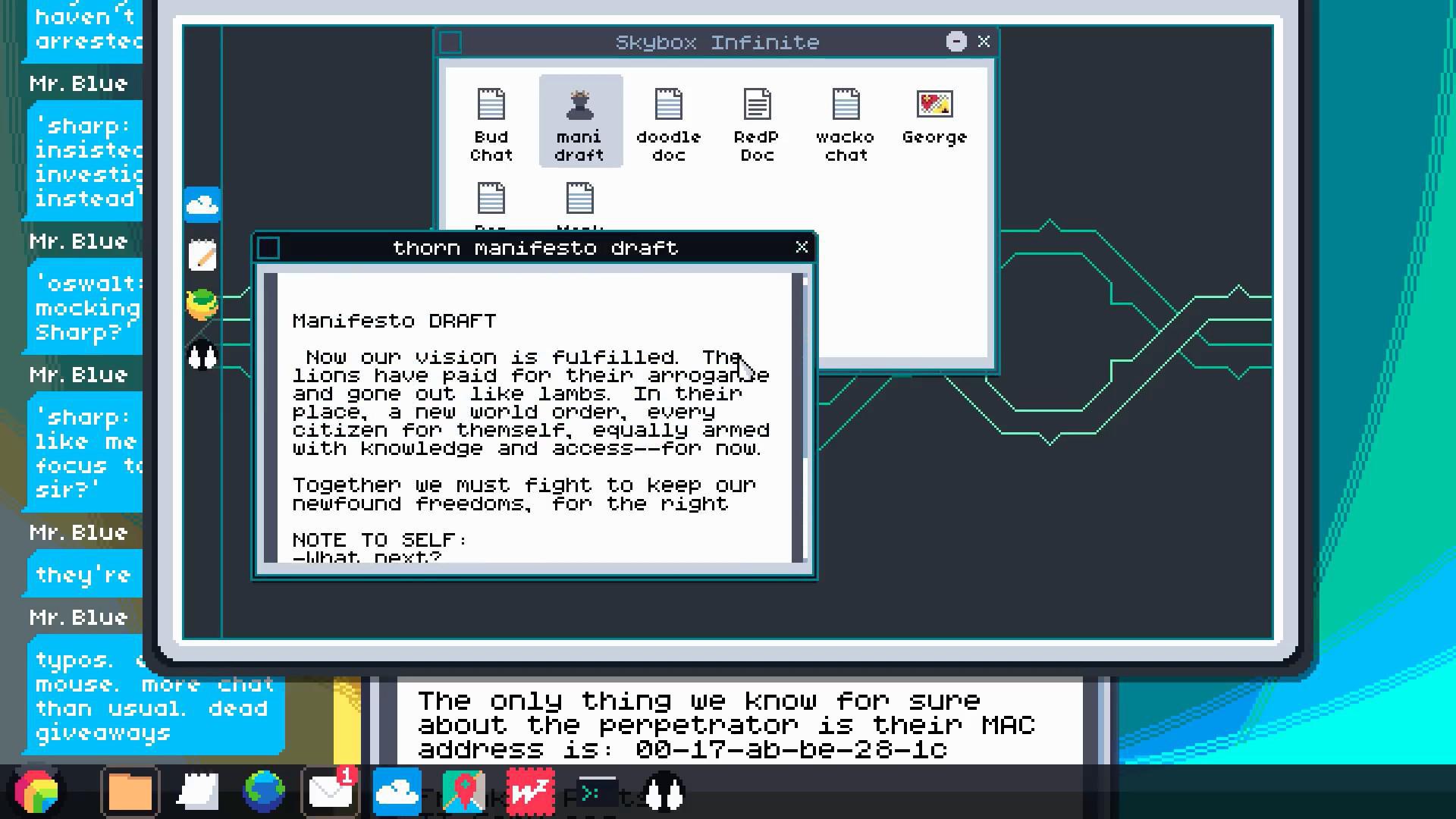
Mainlining puts you inside a government surveillance interface where you work cases by sifting through suspects' digital records — the most thematically direct translation of the book's core tension into interactive form.
What makes Digital Fortress different from other techno-thrillers?
Its central conflict is less about stopping a villain than about whether the surveillance infrastructure built to protect citizens is itself the danger — a question that Cyber War and The Digital Person extend into nonfiction territory.