More like Rubber Soul
Cross-media recommendations across film, TV, games, books & music — picked by taste.
Rubber Soul marks a turning point: the Beatles deliberately stepped back from the pop frenzy surrounding them to make something more reflective and interior. The album sits at the crossroads of craft and restlessness — tight songwriting that starts to push against its own boundaries, with folk and soul textures threading through the familiar rock frame. Listeners drawn to it tend to want cultural documents as much as music: the moment a band outgrew its own phenomenon, captured on record.
About Rubber Soul
Rubber Soul is the sixth studio album by the English rock band the Beatles. It was released on 3 December 1965 in the United Kingdom on EMI's Parlophone label, accompanied by the non-album double A-side single "We Can Work It Out" / "Day Tripper". The original North American release, issued by Capitol Records, contains ten of the fourteen songs and two tracks withheld from the band's Help! (1965) album. Rubber Soul was described as an important artistic achievement by the band, meeting a highly favourable critical response and topping sales charts in Britain and the United States for several weeks.
From the Wikipedia article Rubber_Soul, available under CC BY-SA.
Films like Rubber Soul
 Film
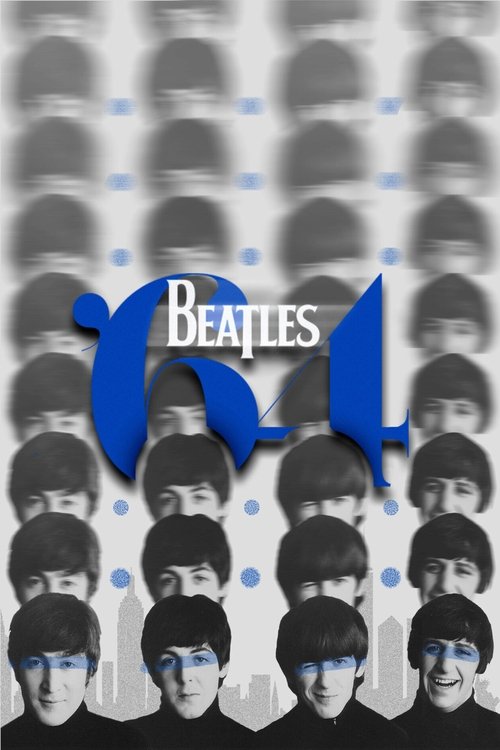
Beatles '64
Film
Beatles '64
Rare footage frames the exact moment fan frenzy met the band's New York arrival in 1964.
 Film
Yesterday
Film
Yesterday
A struggling musician finds he's the only person alive who remembers the Beatles.
 Film
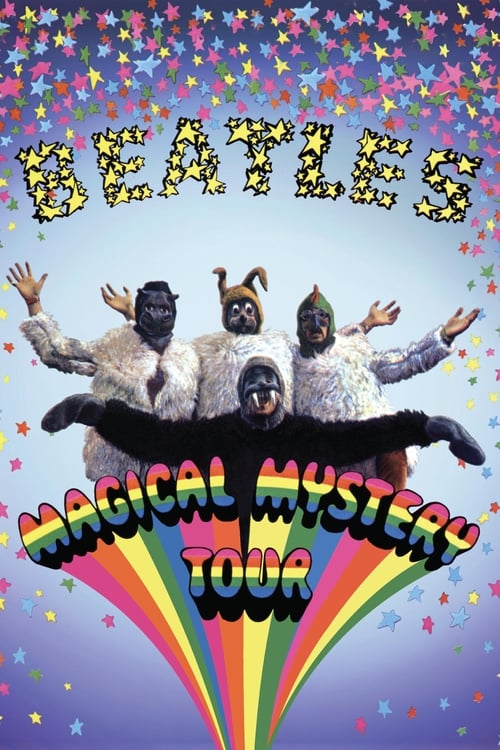
Magical Mystery Tour
Film
Magical Mystery Tour
The band and friends board a coach tour and encounter strange happenings caused by magicians.
 Film
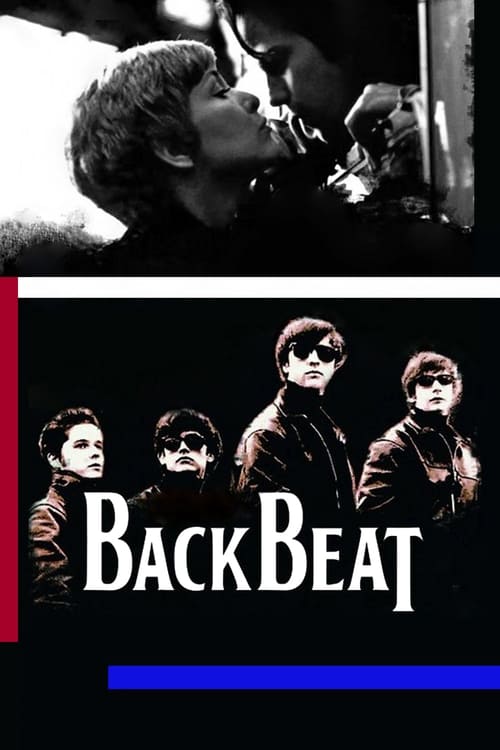
Backbeat
Film
Backbeat
The Hamburg years and the friction between Lennon, Sutcliffe, and Kirchherr show the band before its myth hardened.
 Film
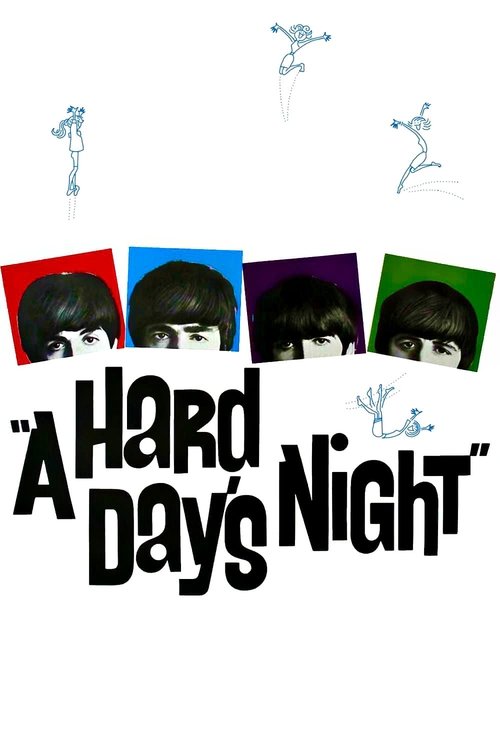
A Hard Day's Night
Film
A Hard Day's Night
A candid, irreverent portrait of the band at peak Beatlemania, full of wit and momentum.
 Film
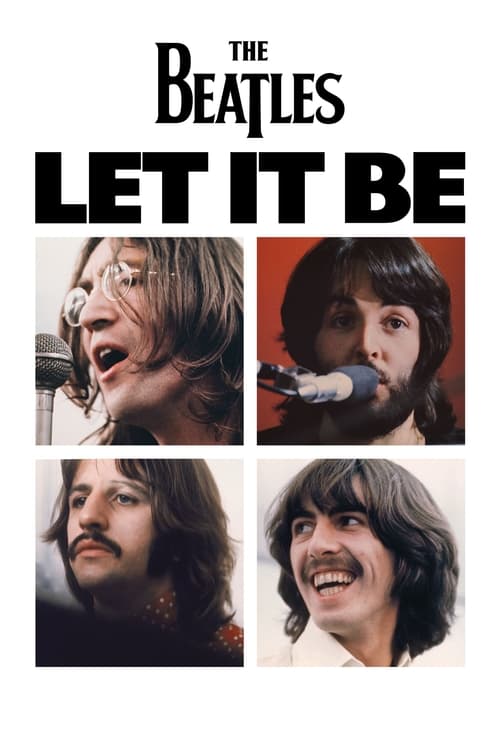
Let It Be
Film
Let It Be
Rehearsal-room footage documents the creative strain as the band worked toward what became their final record.
Series like Rubber Soul
 Series
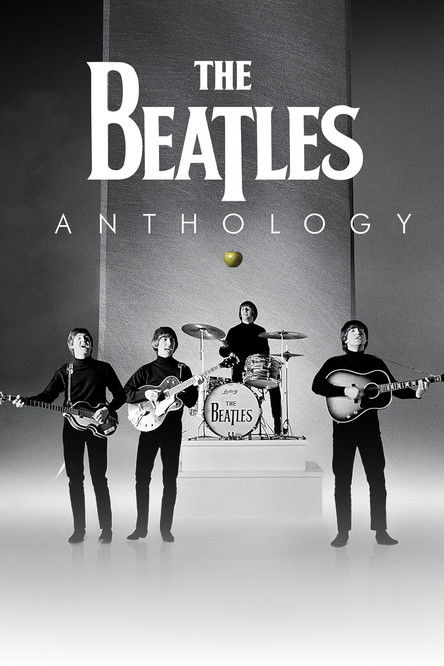
The Beatles Anthology
Series
The Beatles Anthology
A full career survey across documentary episodes, tracing the band from start to dissolution.
 Series
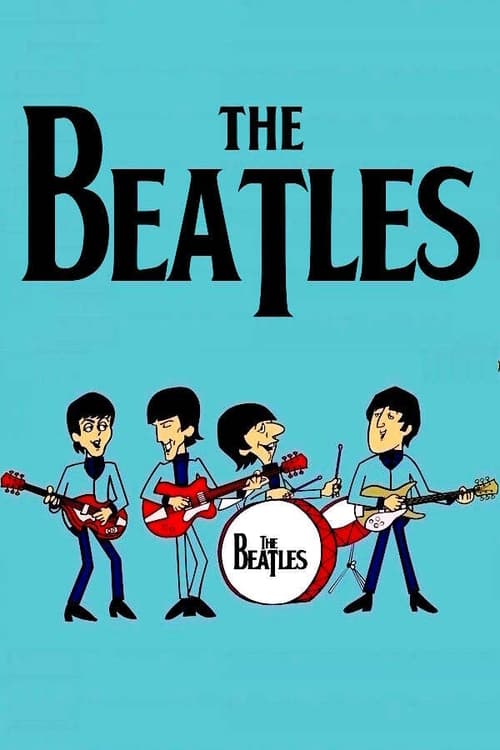
The Beatles
Series
The Beatles
An animated series running 1965–1969 imagines the band's misadventures in fanciful, musical episodes.
 Series
George Harrison: Living in the Material World
Series
George Harrison: Living in the Material World
Focuses on Harrison as far more than a member of the world's most famous rock quartet.
Books to read after Rubber Soul
 Book
Ringo Starr
Book
Ringo Starr
Ringo Starr's Liverpool origins ground the Beatles' legend in the concrete specifics of where he came from.
 Book
Lennon
Book
Lennon
Draws on close personal access to trace Lennon's life, career, and lasting cultural influence.
 Book
A hard day's write
Book
A hard day's write
Traces the real people and events behind Beatles songs, arranged chronologically through their catalogue.
Frequently asked
What should I watch after getting into Rubber Soul?
The documentary Beatles '64 captures the band at the exact moment their fame exploded, while The Beatles Anthology TV series gives a deep, multi-episode dive into their full career arc.
Are there any books that go behind the songs on Rubber Soul?
A Hard Day's Write investigates the real people and events that inspired the Beatles' lyrics, arranged chronologically, making it a natural companion for anyone curious about what fuelled the songwriting.
Why do people still love Rubber Soul sixty years on?
It marked a turning point where the Beatles moved from pop singles to album-as-artistic-statement, a shift documented in both Let It Be and The Beatles Anthology, which show the creative ambition that Rubber Soul first unleashed.