 CrossBinge
Album: Ghosts I–IV →
CrossBinge
Album: Ghosts I–IV →
More like Ghosts I–IV
Cross-media recommendations across film, TV, games, books & music — picked by taste.
Ghosts I–IV is an instrumental industrial album built on texture, dread, and negative space — music that feels less like songs and more like atmosphere you inhabit. Released independently in 2008 after a break from a major label, it trades hooks for unease, cycling through minimalist figures that accumulate into something unsettling. The taste it signals: you're drawn to works that use mood as structure, where silence and darkness carry as much weight as any explicit narrative — slow-burn horror, ambient dread, and worlds where something is deeply, quietly wrong.
About Ghosts I–IV
Ghosts I–IV is the sixth studio album by the American industrial rock band Nine Inch Nails, released by The Null Corporation on March 2, 2008. It was the band's first independent release following their split from longtime label Interscope Records in 2007. The production team included Nine Inch Nails frontman Trent Reznor, studio collaborators Atticus Ross and Alan Moulder, and contributions from Alessandro Cortini, Adrian Belew, and Brian Viglione.
From the Wikipedia article Ghosts_I–IV, available under CC BY-SA.
Films like Ghosts I–IV
 Film
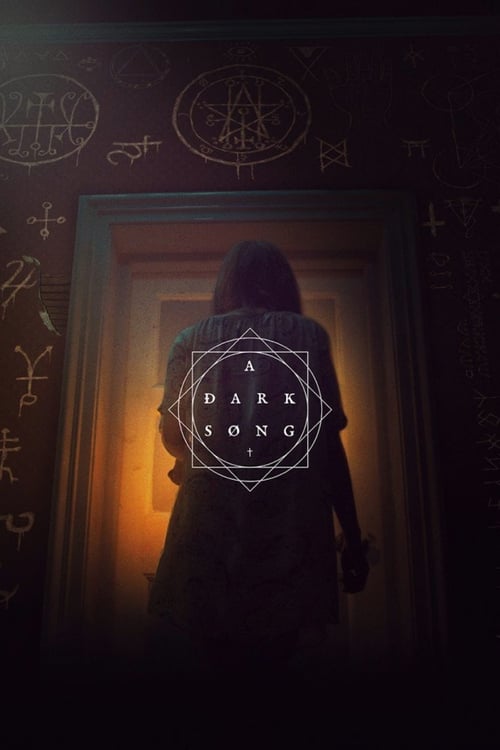
A Dark Song
Film
A Dark Song
Like the album, it dwells in ritualistic darkness where the cost of what you want may be your soul.
 Film
Pulse 3
Film
Pulse 3
A world stripped of electronics and haunted by soulless presences mirrors the album's desolate, ghost-laden atmosphere.
 Film
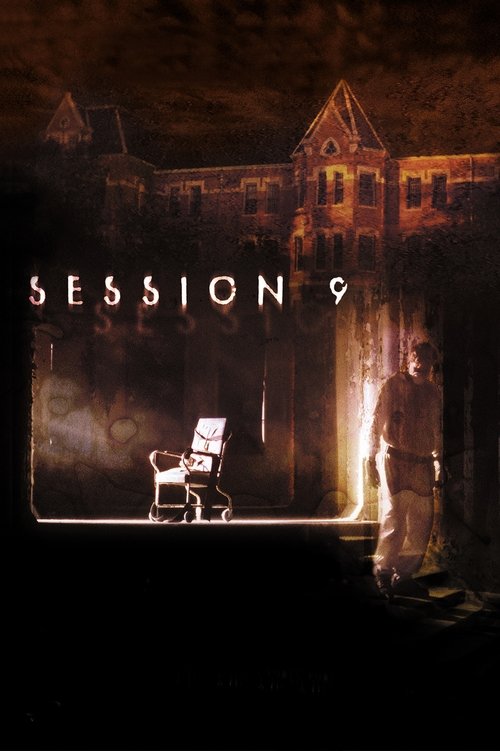
Session 9
Film
Session 9
Creeping dread inside an abandoned institution, where the building's horrific past gradually resurfaces around the crew.
 Film
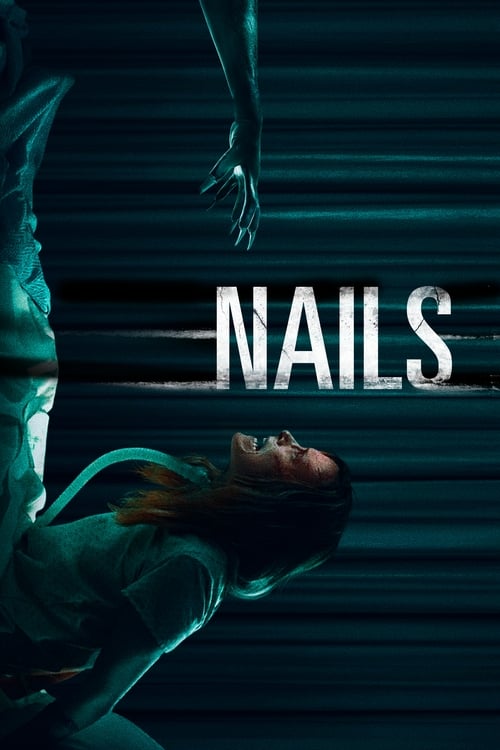
Nails
Film
Nails
Paralysis and a malevolent hospital ghost create the same trapped, inescapable unease the album sustains across its runtime.
 Film
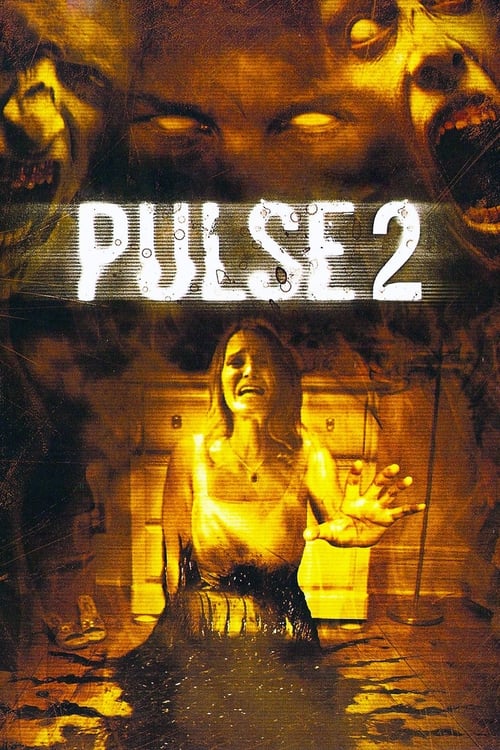
Pulse 2: Afterlife
Film
Pulse 2: Afterlife
Ghosts invading through wireless networks render the world empty and electrical silence becomes the only survival strategy.
 Film
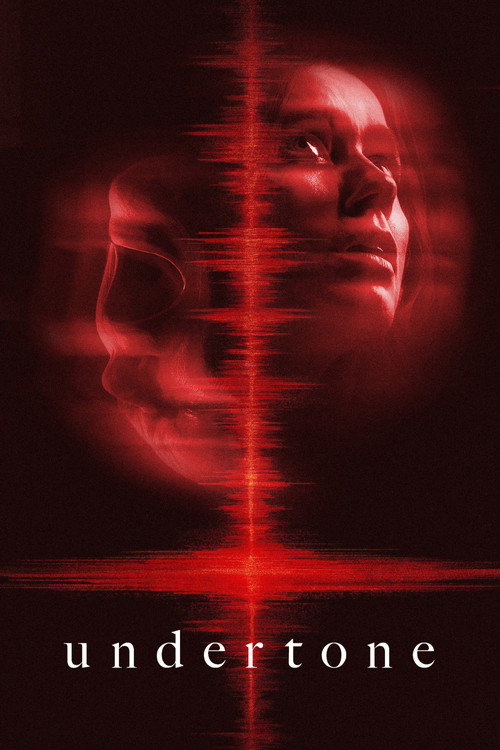
undertone
Film
undertone
Terrifying recordings arriving unbidden echo the album's sense that something hostile is bleeding in from just outside perception.
Series like Ghosts I–IV
 Series
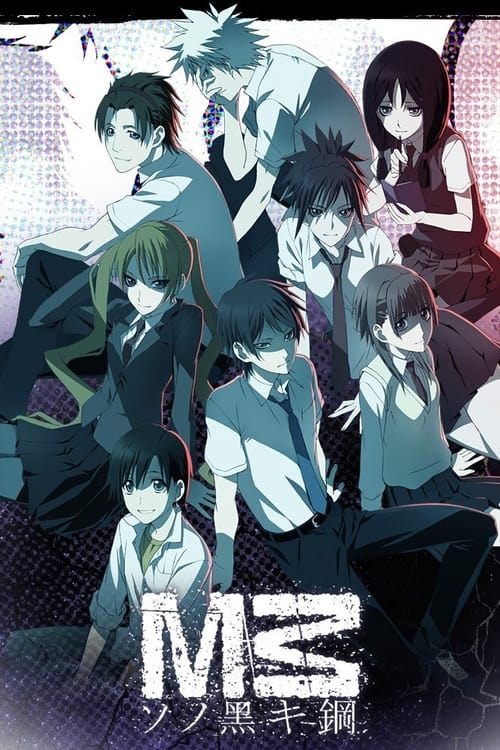
M3: The Dark Metal
Series
M3: The Dark Metal
Children pulled from a lightless void and hunted by its monsters share the album's oppressive, structurally dark atmosphere.
 Series
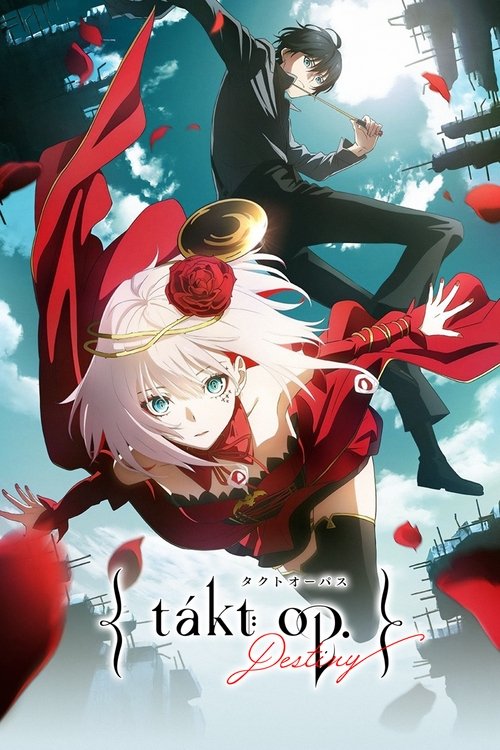
takt op.Destiny
Series
takt op.Destiny
Music itself becomes a weapon against monsters that extinguished it — a premise that reframes the album's own threatening quiet.
Games like Ghosts I–IV
 Game
Dark Echo
Game
Dark Echo
Sound as the only navigational tool in pure darkness maps directly onto how *Ghosts I–IV* uses texture to define space.
 Game
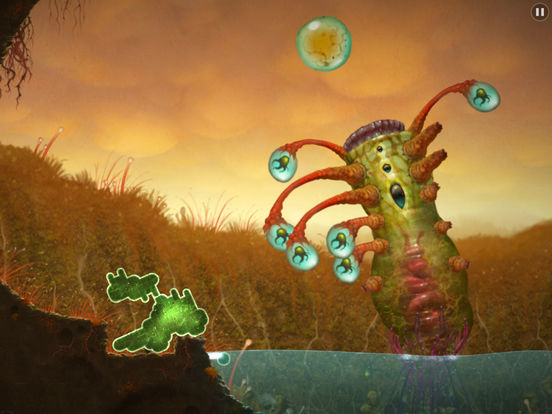
Mushroom 11
Game
Mushroom 11
An amorphous organism shaped by deletion through a mutated, mysterious world carries the album's sense of uncanny transformation.
 Game
Halfbrick Echoes
Game
Halfbrick Echoes
Dodging echoes that shadow your own footsteps gives this arcade game the same haunted, self-generated dread.
Frequently asked
What should I listen to after Ghosts I–IV?
If you're after more instrumental mood and texture, the picks here signal a taste for dread and atmosphere over melody — takt op.Destiny and Dark Echo both use sound itself as a central, almost physical force worth exploring next.
What films capture the same mood as Ghosts I–IV?
Session 9 and A Dark Song are the strongest matches: both are slow-burn, atmosphere-first works where dread accumulates gradually rather than arriving in sudden shocks — the same structural approach the album takes.
Why does Ghosts I–IV feel so unsettling even without lyrics?
Stripped of vocals, the record leaves the listener with pure texture and repetition, which the brain interprets as presence without source — a classically unsettling effect. The album was a collaborative production involving Trent Reznor, Atticus Ross, and several other contributors, which gives the instrumental layers a density that never quite resolves.