More like Hacking
Cross-media recommendations across film, TV, games, books & music — picked by taste.
Hacking: The Art of Exploitation teaches computer security by building it from the ground up — starting with C programming and assembly, then moving through memory corruption, network communications, and cryptographic weaknesses. Jon Erickson's approach is to show how techniques actually function rather than hand off ready-made tools, with a bundled Linux environment where readers can debug code, overflow buffers, and hijack network traffic themselves. The appeal is to anyone who wants to understand a system completely, not just operate it.
About Hacking
Hacking: The Art of Exploitation (ISBN 1-59327-007-0) is a book by Jon "Smibbs" Erickson about computer security and network security. It was published by No Starch Press in 2003, with a second edition in 2008. All the examples in the book were developed, compiled, and tested on Gentoo Linux. The accompanying CD provides a Linux environment containing all the tools and examples referenced in the book.
From the Wikipedia article Hacking:_The_Art_of_Exploitation, available under CC BY-SA.
Films like Hacking
 Film
Hackers
Film
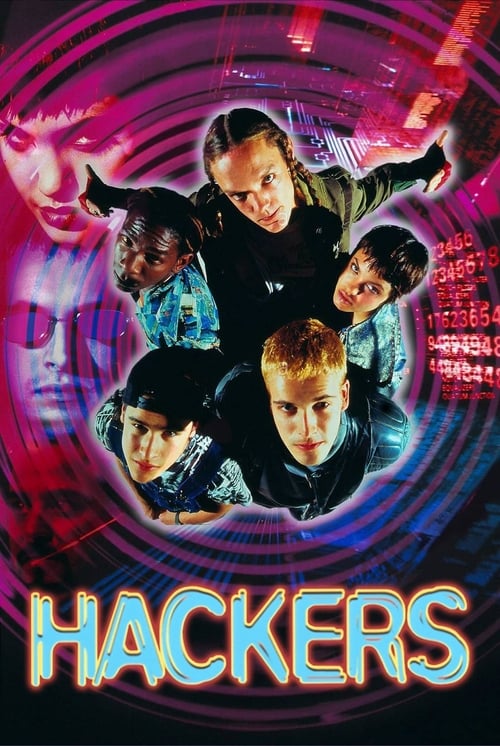
Hackers
Teenagers deploy real computer skills against a genuine criminal conspiracy, treating hacking as both craft and weapon.
 Film
Hacker
Film
Hacker
An online criminal underworld draws a young outsider deeper in, turning opportunistic access into a personal vendetta.
 Film
Hacker
Film
Hacker
A hacker is hunted by a rogue ex-NSA figure determined to surveil and control ordinary citizens.
 Film
Hacker
Film
Hacker
Children losing internet mid-game is the comedy flip side of dependency on networked systems.
 Film
The Net 2.0
Film
The Net 2.0
Identity theft and manipulated digital records strand a woman in a city where her entire existence has been overwritten.
 Film
Exploited
Film
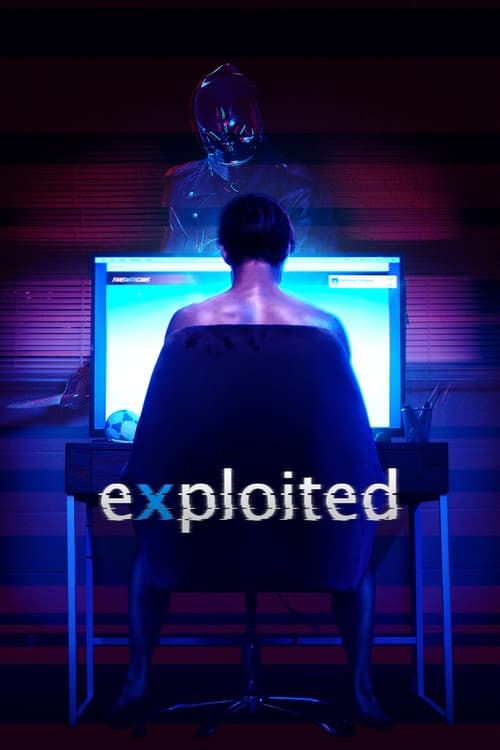
Exploited
A compromised laptop becomes a window into someone else's exploited life, with potentially fatal consequences.
Series like Hacking
 Series
.hack
Series
.hack
Players discover a virtual world with hidden, inescapable logic — systems that trap users inside their own architecture.
 Series
The Copenhagen Test
Series
The Copenhagen Test
An analyst's own senses are compromised, exposing how deeply an adversary can penetrate and control perception itself.
 Series
StartUp
Series
StartUp
A hacker's idea to reinvent money pulls together criminals and bankers, showing technical leverage reshaping power.
 Series
Spy x Sect
Series
Spy x Sect
A brilliant hacker dies defeating a rogue AI and is reincarnated as the leader of a powerful cultivation sect.
 Series
Hack
Series
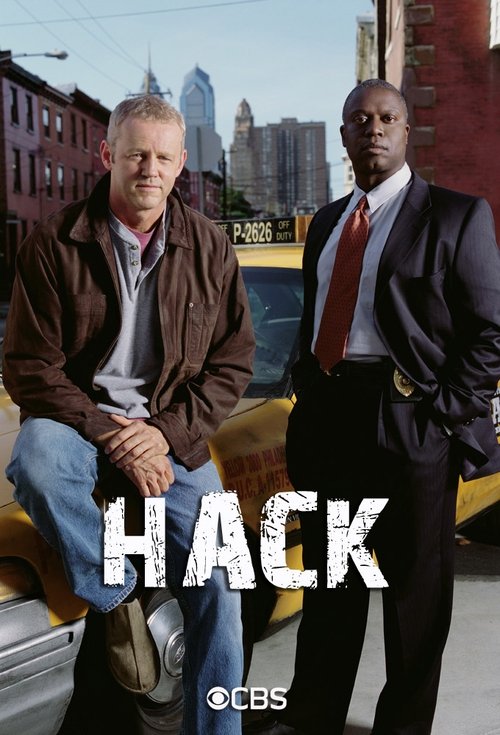
Hack
A disgraced cop reinvents himself as a Philadelphia cab driver and roving vigilante after losing everything to corruption charges.
 Series
Battle Programmer Shirase
Series
Battle Programmer Shirase
A freelance programmer with elite hacking abilities who flatly refuses to work for money.
Games like Hacking
 Game
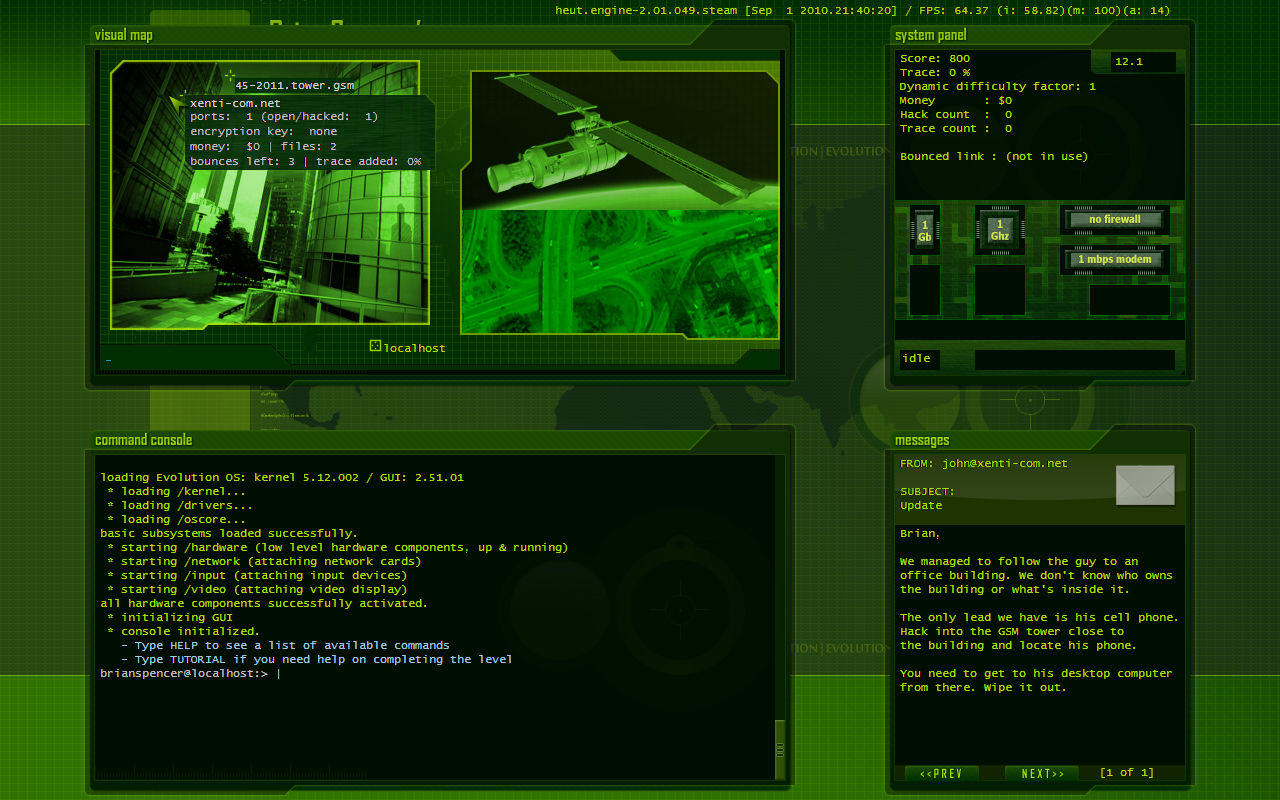
Hacker Evolution: Untold
Game
Hacker Evolution: Untold
An indie puzzle game built around non-linear decision-making and watching code execute in real time.
 Game
Hacknet
Game
Hacknet
A terminal-driven simulator that makes you investigate a real case by searching file systems and tracing illegal activity.
 Game
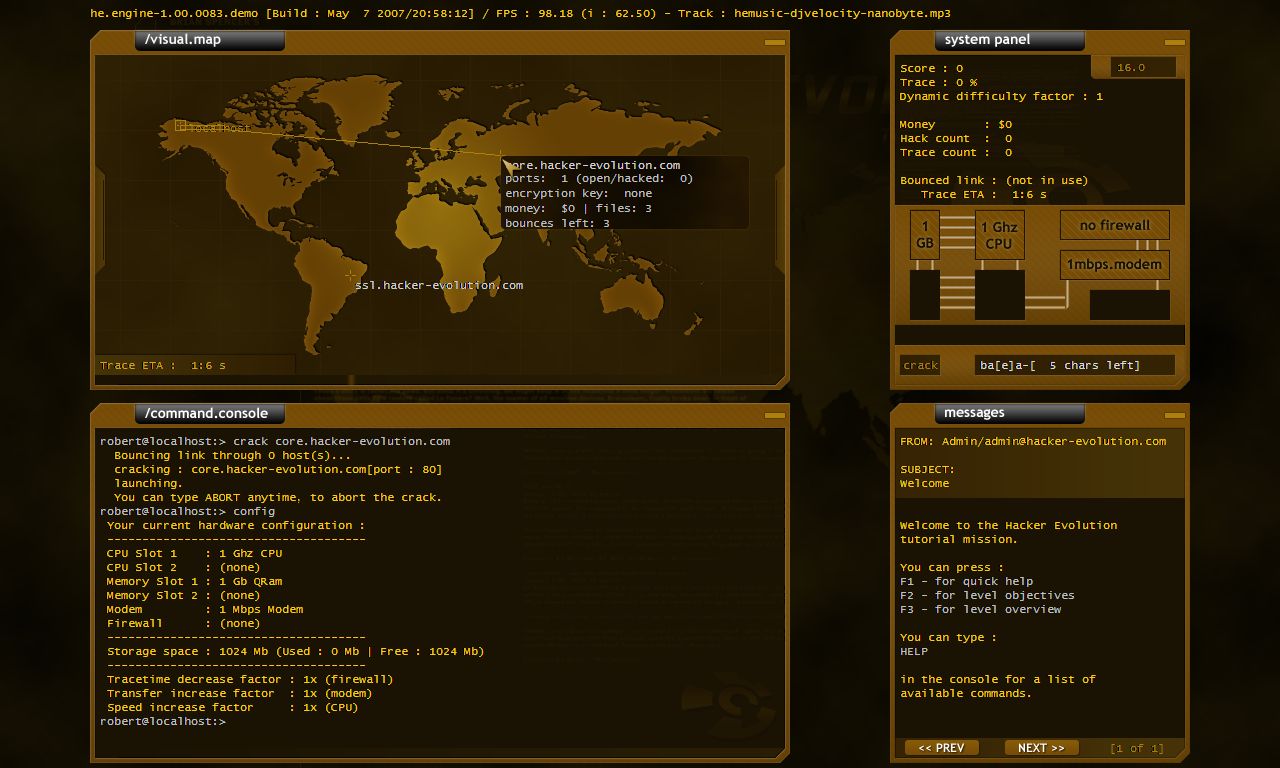
Hacker Evolution
Game
Hacker Evolution
A former intelligence specialist navigates a cybersecurity crisis, grounding the hacker fantasy in operational stakes.
 Game
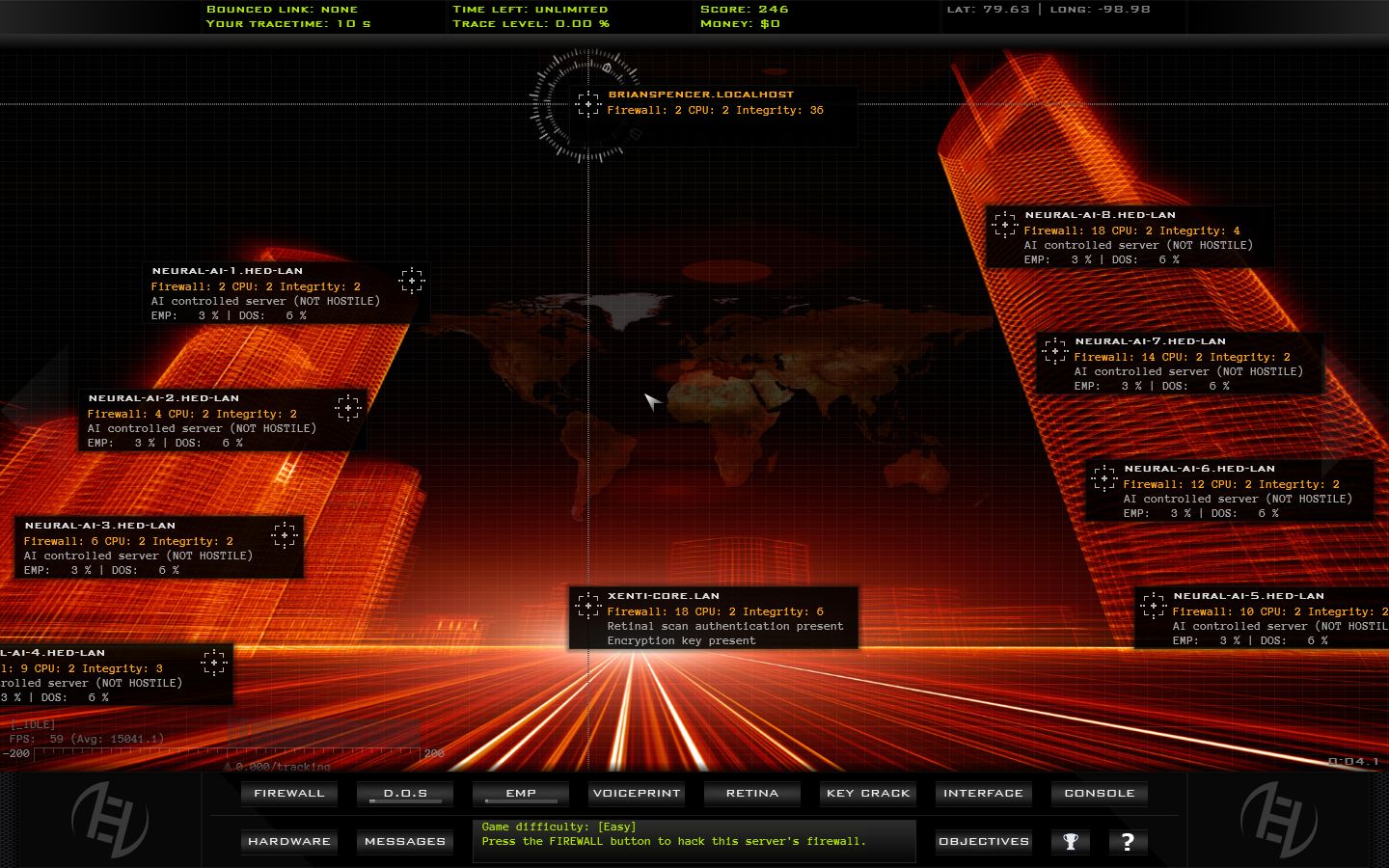
Hacker Evolution Duality
Game
Hacker Evolution Duality
A lone hacker confronts a malevolent AI attempting to seize control of networked servers worldwide.
 Game
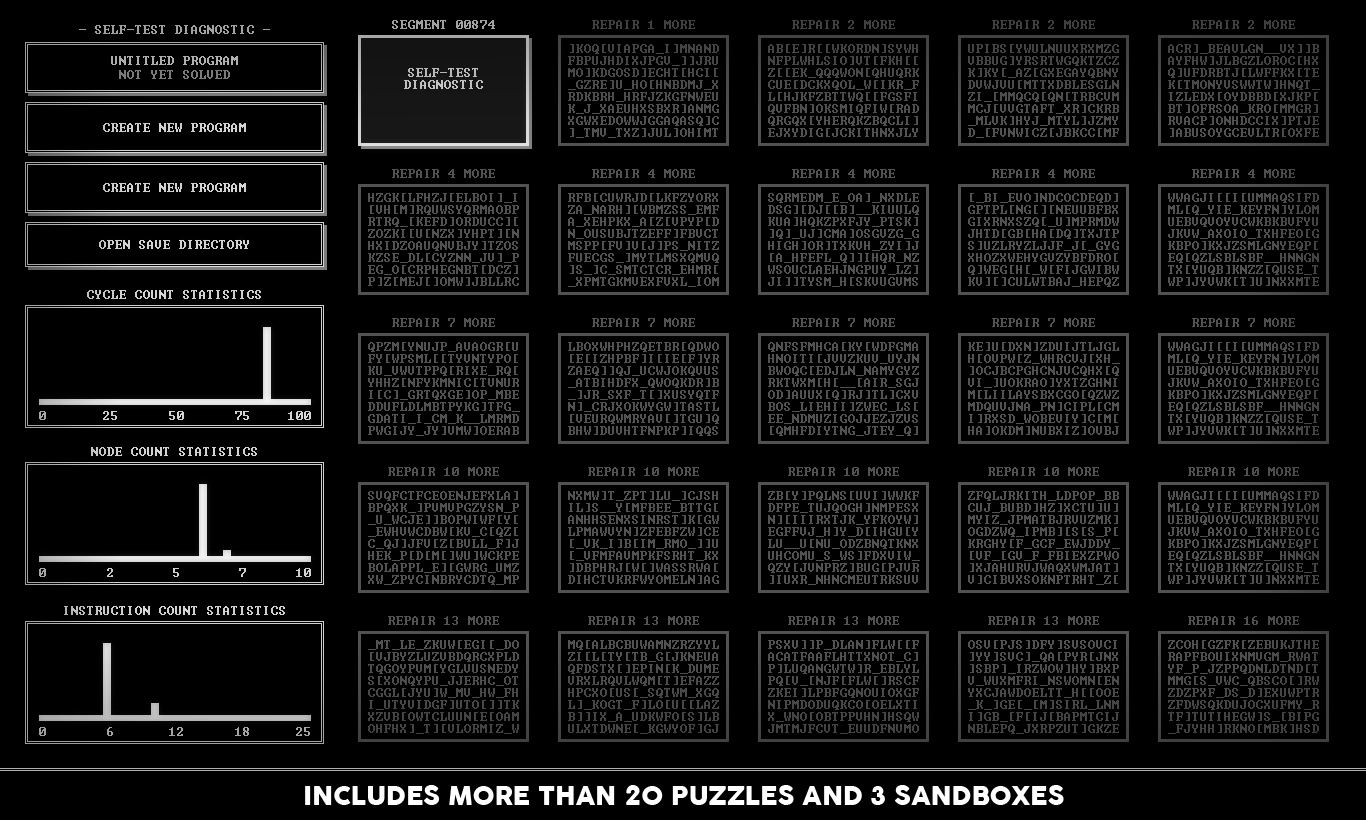
TIS-100
Game
TIS-100
A puzzle game built on a corrupted 1980s computer demands low-level thinking — assembly-style logic over abstraction.
 Game
CipherCraft: Cyber Guardian Introduction
Game
CipherCraft: Cyber Guardian Introduction
Players step into the role of a cyber guardian, learning security concepts through immersive hands-on simulation.
More books like Hacking
 Book
Hacking for Dummies
Book
Hacking for Dummies
A practical guide covering the same threat surface — sabotage, intrusion, and information theft — from the defender's side.
 Book
Forbidden Code
Book
Forbidden Code
Covers buffer overflows, format strings, port scanning, and denial-of-service — the same technical terrain, systematically.
 Book
Gray Hat Hacking
Book
Gray Hat Hacking
Endorsed as essential for both beginners and seasoned professionals needing tools to break in and maintain access.
 Book
Security+ Guide to Networking Security Fundamentals
Book
Security+ Guide to Networking Security Fundamentals
A networking security foundations text covering the practical defences that exploitation techniques are designed to bypass.
 Book
Hacking electronics
Book
Hacking electronics
Hardware hacking applied to Raspberry Pi and Arduino — the same maker-tinkerer impulse shifted from software to circuits.
 Book
Networking all-in-one for dummies
Book
Networking all-in-one for dummies
Nine minibooks covering network fundamentals — the infrastructure layer that the book's network-attack chapters depend on.
Frequently asked
What should I read after Hacking: The Art of Exploitation?
Try Gray Hat Hacking for a broader toolkit of offensive and defensive techniques, or Forbidden Code, which covers similar ground — buffer overflows, format strings, and network attacks — making it a natural next step after Erickson's fundamentals.
Are there games that feel like working through a real hacking book?
Hacknet is the closest match: a terminal-driven hacking simulator where you investigate a mysterious death by navigating real-feeling systems, and TIS-100 challenges you to think in low-level assembly the same way the book does.
What movies capture the technical thrill of Hacking: The Art of Exploitation?
The 1995 film Hackers is the cult classic for readers of this book, blending teenage energy with genuine computer-culture mythology, while Hacker (2016) goes darker — following a young man drawn into underground cybercrime via the Darkweb.