 CrossBinge
Book: La Divina Commedia →
CrossBinge
Book: La Divina Commedia →
More like La Divina Commedia
Cross-media recommendations across film, TV, games, books & music — picked by taste.
La Divina Commedia maps an imaginary passage through the afterlife across three parts — Hell, Purgatory, and Paradise — each with thirty-three cantos, plus one opening canto for a total of one hundred, a figure freighted with medieval symbolic meaning. Dante descends through concentric circles of Hell guided by the Latin poet Virgil, then continues through Purgatory before Virgil yields to Beatrice, who leads him upward into the radiance of Paradise. Readers drawn to it tend to love structured mythologies of the afterlife, allegories of guilt and grace, and worlds where geography doubles as a map of conscience.
About La Divina Commedia
The Divine Comedy is an Italian narrative poem by Dante Alighieri, begun c. 1308 and completed c. 1321, shortly before the author's death. It is widely considered the pre-eminent work in Italian literature and one of the greatest works of Western literature. The poem's imaginative vision of the afterlife is representative of the medieval worldview as it existed in the Western Church by the 14th century. It helped establish the Tuscan language, in which it is written, as the standardized Italian language. It is divided into three parts: Inferno, Purgatorio, and Paradiso.
From the Wikipedia article Divine_Comedy, available under CC BY-SA.
Films like La Divina Commedia
 Film
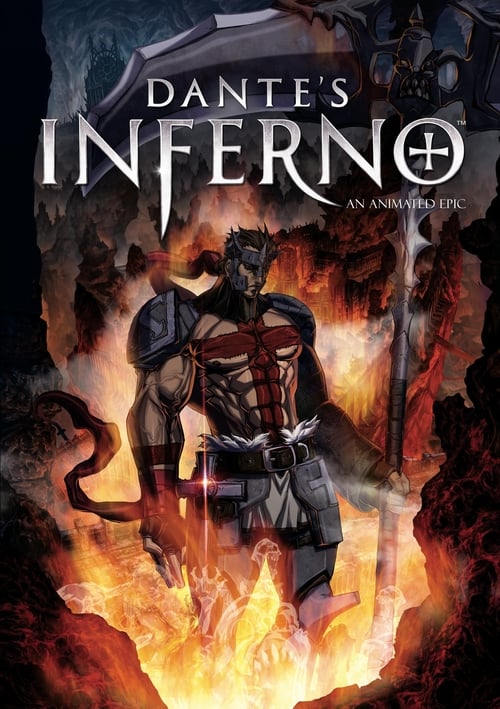
Dante's Inferno: An Animated Epic
Film
Dante's Inferno: An Animated Epic
Dante traverses all nine circles in search of Beatrice, mirroring the poem's core journey of love through Hell.
 Film
Il Dio dell'Amore
Film
Il Dio dell'Amore
Like the Comedy, it traces interconnected souls caught in the chaos of love's emotional destinies.
 Film
Divine Confusion
Film
Divine Confusion
Divine figures descend into the mortal world, echoing the Comedy's interplay between the sacred and the human.
 Film
Para Que Este Mundo Não Acabe!
Film
Para Que Este Mundo Não Acabe!
A journey into a remote, spiritually charged community evokes the Comedy's sense of pilgrimage and wonder.
 Film
Astral City: A Spiritual Journey
Film
Astral City: A Spiritual Journey
A soul wakes in limbo and is guided toward a realm of light, tracing the Comedy's arc from suffering to harmony.
 Film
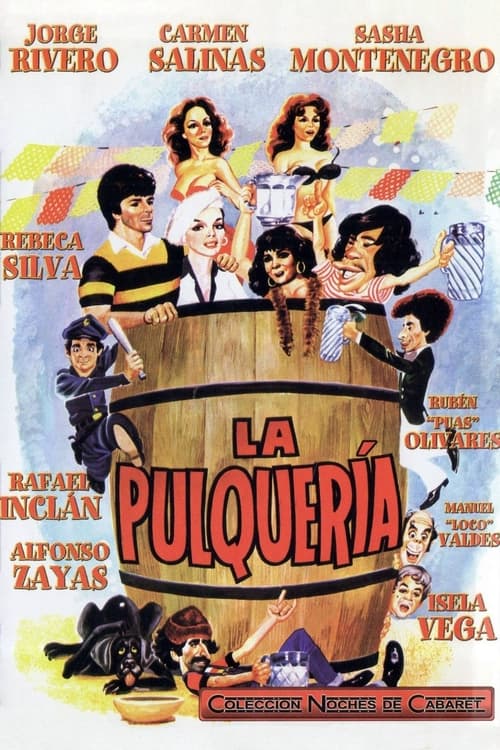
La pulquería
Film
La pulquería
The Devil appears as a bargaining presence, recalling the Comedy's theatrical confrontation with forces of damnation.
Series like La Divina Commedia
 Series
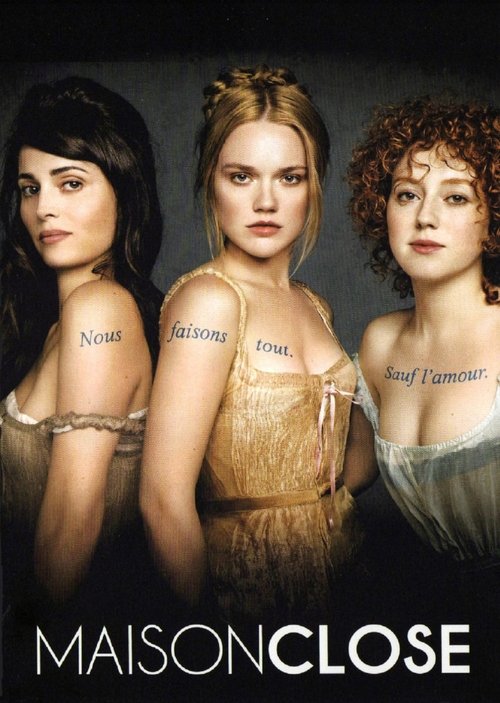
Maison close
Series
Maison close
Souls trapped in a place called Paradise but denied true freedom echo the Comedy's layered irony of names and fates.
 Series
En Famille
Series
En Famille
A multigenerational web of conflicts and joys mirrors the Comedy's concern with bonds that persist across time.
 Series
Ordinace v růžové zahradě
Series
Ordinace v růžové zahradě
Lives entwined in a medical setting share the Comedy's interest in human fate and the passage through hardship.
Games like La Divina Commedia
 Game
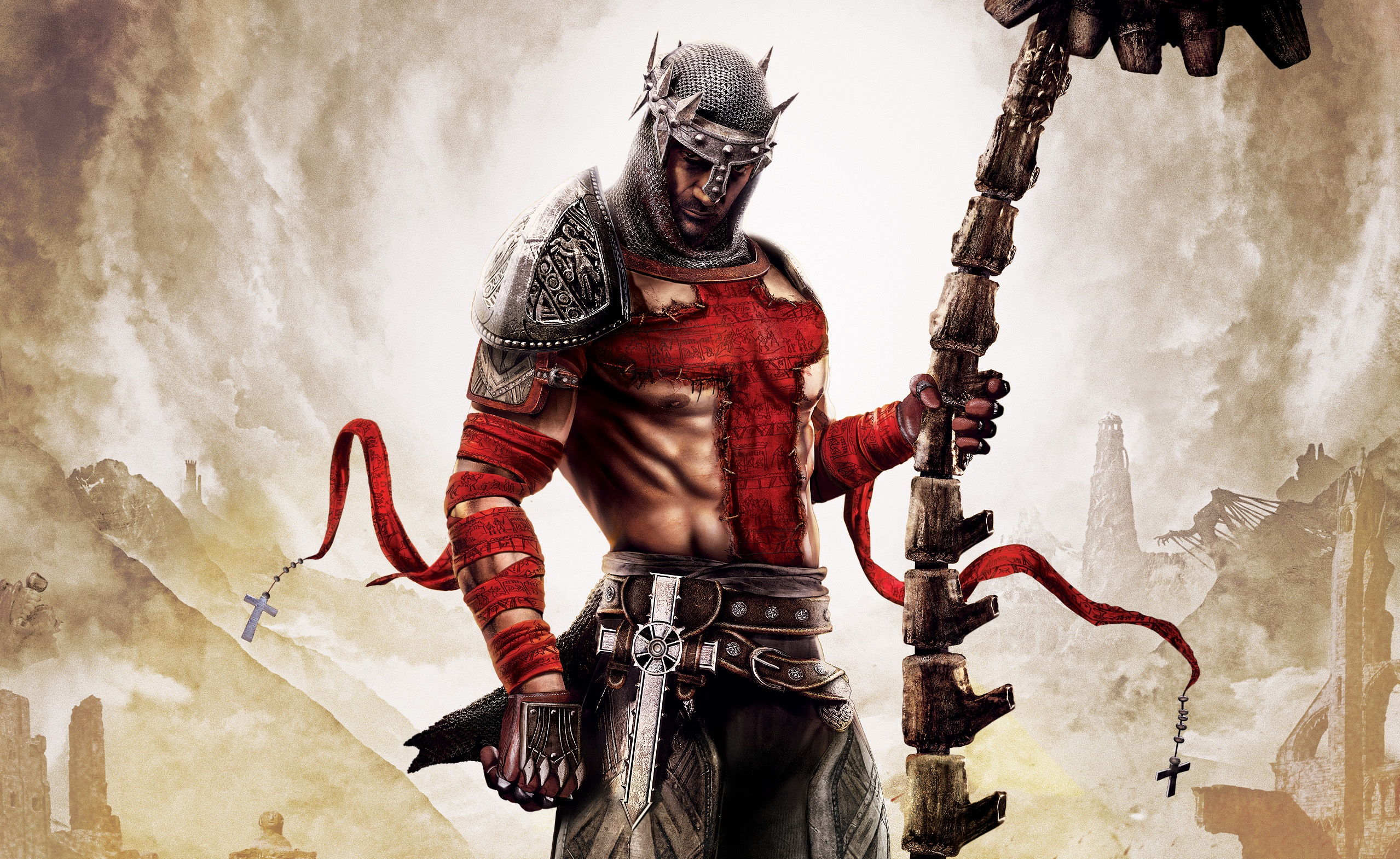
Dante's Inferno (PSP)
Game
Dante's Inferno (PSP)
An epic quest of vengeance and redemption through the nine circles directly adapts the poem's moral landscape.
 Game
Dante's Inferno: Trials of St. Lucia
Game
Dante's Inferno: Trials of St. Lucia
Each circle of Hell has a distinct look with demons and monsters, translating the Comedy's vivid infernal geography into play.
 Game
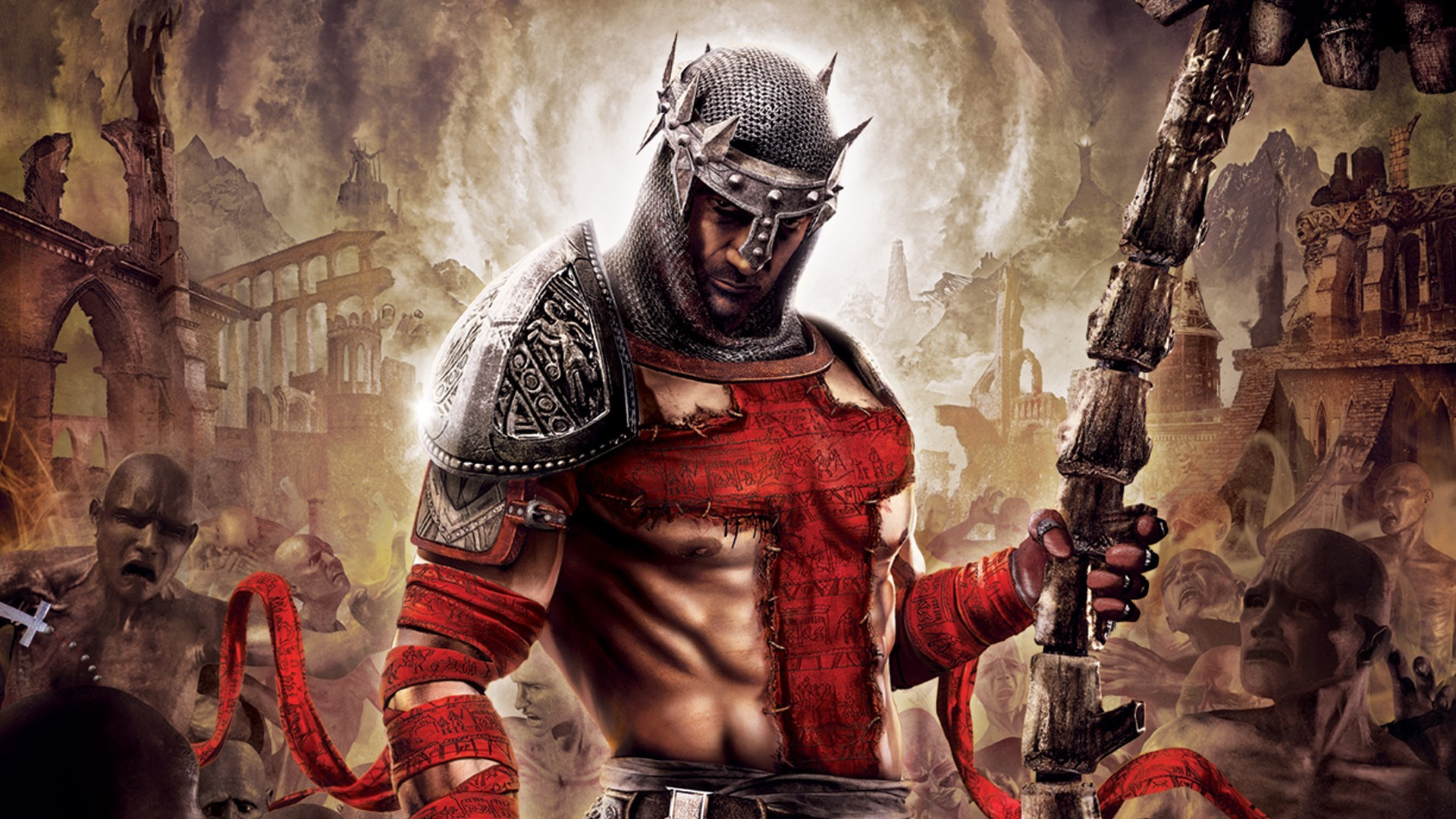
Dante's Inferno
Game
Dante's Inferno
Loosely based on the Divine Comedy, a crusader battles through Hell to rescue his beloved Beatrice.
 Game
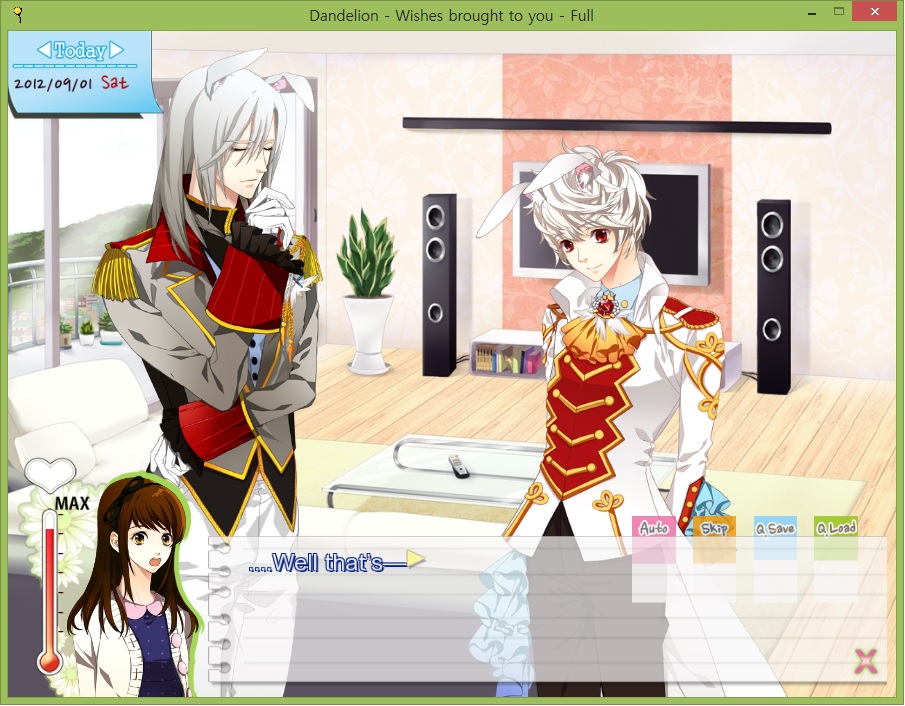
Dandelion - Wishes brought to you
Game
Dandelion - Wishes brought to you
A female-oriented dating simulation by Cheritz built around wishes and longing for connection.
More books like La Divina Commedia
 Book
Siener van Rensburg, boodskapper van God
Book
Siener van Rensburg, boodskapper van God
A life of prophetic visions and spiritual gifts echoes the Comedy's sense of a chosen soul receiving divine revelation.
 Book
Les paradis artificiels
Book
Les paradis artificiels
An introspective voyage into altered states of perception mirrors Dante's descent into heightened, visionary experience.
 Book
Les loyautés
Book
Les loyautés
Hidden suffering and moral obligation beneath a surface calm recalls the Comedy's moral weight pressing on every soul.
 Book
De aanslag
Book
De aanslag
A winter night, sudden violence, and the long shadow of guilt trace the Comedy's arc of crime and moral consequence.
 Book
Vals spel
Book
Vals spel
A young person trapped by suspicion and isolation echoes the Comedy's individual soul navigating an unjust ordeal alone.
 Book
Les Jardins de lumière
Book
Les Jardins de lumière
A forgotten figure whose name still shapes language mirrors Dante's own legacy — a voice that outlasts its era.
Frequently asked
What should I read after La Divina Commedia?
Les Jardins de lumière offers another forgotten visionary at the centre of a civilisation's imagination, while De aanslag brings moral reckoning across a lifetime — both reward readers who love consequence woven into narrative structure.
What games capture the world of La Divina Commedia?
Dante's Inferno and its companion Dante's Inferno: Trials of St. Lucia translate the nine circles directly into action, putting you inside the poem's infernal geography with its distinct demons and moral stakes.
Why do so many films and games adapt La Divina Commedia?
Its three-part structure — descent, purgation, ascent — is a near-perfect dramatic arc, and its vivid, specific punishments give adapters ready-made imagery. Dante's Inferno: An Animated Epic and Astral City: A Spiritual Journey both draw on that template of the guided journey through the afterlife.