 CrossBinge
Book: Madame Bovary →
CrossBinge
Book: Madame Bovary →
More like Madame Bovary
Cross-media recommendations across film, TV, games, books & music — picked by taste.
Madame Bovary is a portrait of a woman trapped between who she is and who she imagined she could be. Emma, married to a country doctor, finds provincial life crushing — so she reaches for luxury, romance, and fantasy, running up debts and affairs that spiral toward ruin. The taste it signals is sharp and literary: stories about desire thwarted by circumstance, women constrained by social expectation, and the gap between inner life and outward reality — told in prose that prizes precision over sentiment.
About Madame Bovary
Madame Bovary: Provincial Manners, commonly known as simply Madame Bovary, is the début novel of French writer Gustave Flaubert, originally published in 1856 and 1857. The eponymous character, Emma Bovary, lives beyond her means in order to escape the ennui of provincial life.
From the Wikipedia article Madame_Bovary, available under CC BY-SA.
Films like Madame Bovary
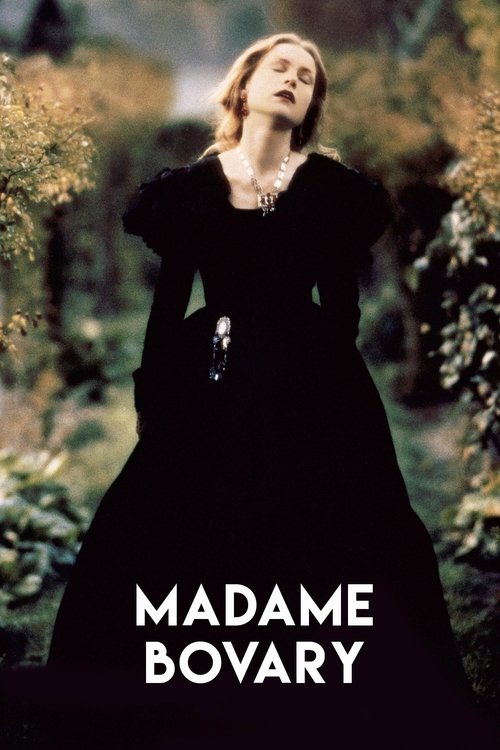 Film
Madame Bovary
Film
Madame Bovary
A direct adaptation: Emma's affairs and reckless spending in provincial France lead to the same tragic end.
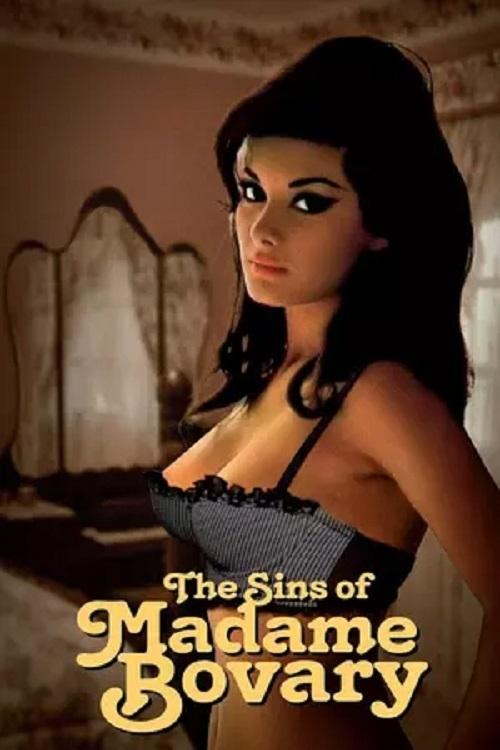 Film
Madame Bovary
Film
Madame Bovary
Another retelling of Emma's doomed escape from provincial dullness through extravagance and infidelity.
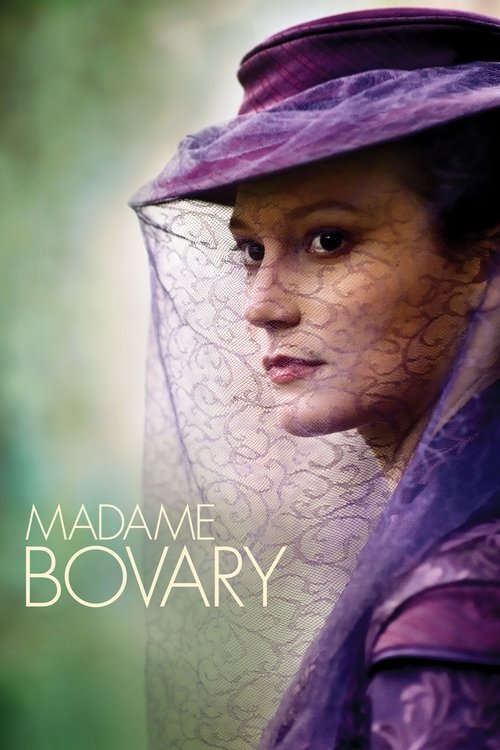 Film
Madame Bovary
Film
Madame Bovary
Emma's desire to flee her stifling marriage through affairs and spending drives this adaptation toward tragedy.
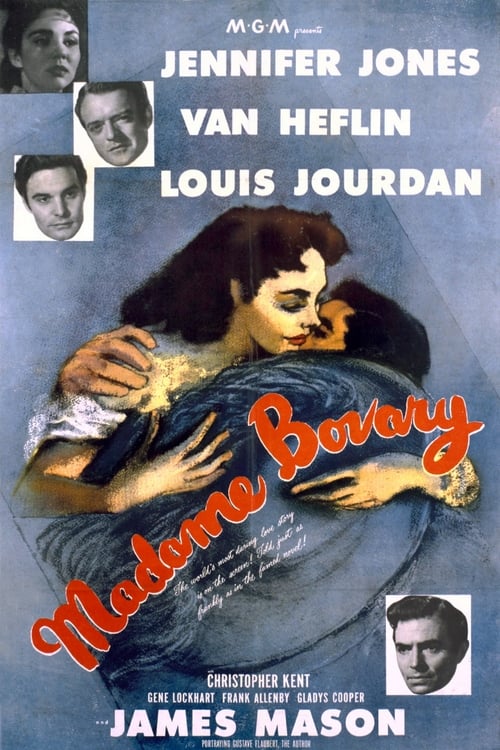 Film
Madame Bovary
Film
Madame Bovary
Emma pursues romance and excess to outrun provincial boredom — the same fatal arc, an earlier telling.
 Film
A Woman's Life
Film
A Woman's Life
A young bride's innocent dreams collapse as her husband reveals a miserly, faithless nature in rural France.
 Film
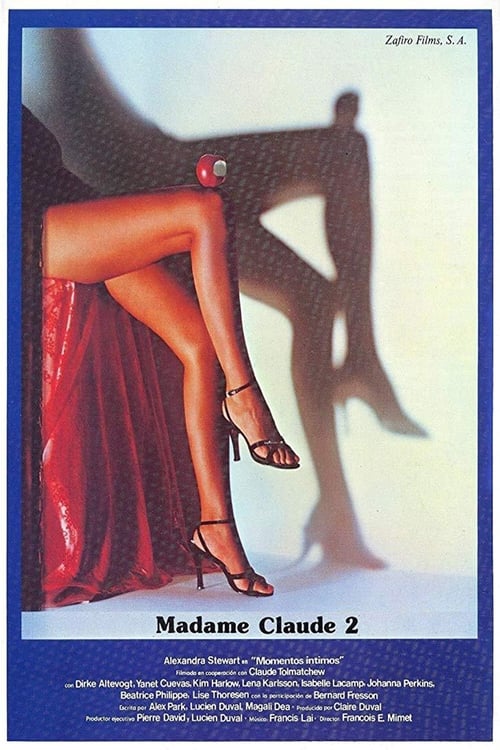
Madame Claude 2
Film
Madame Claude 2
A powerful woman navigating a world of influential men faces sudden public scrutiny that threatens her empire.
Series like Madame Bovary
 Series
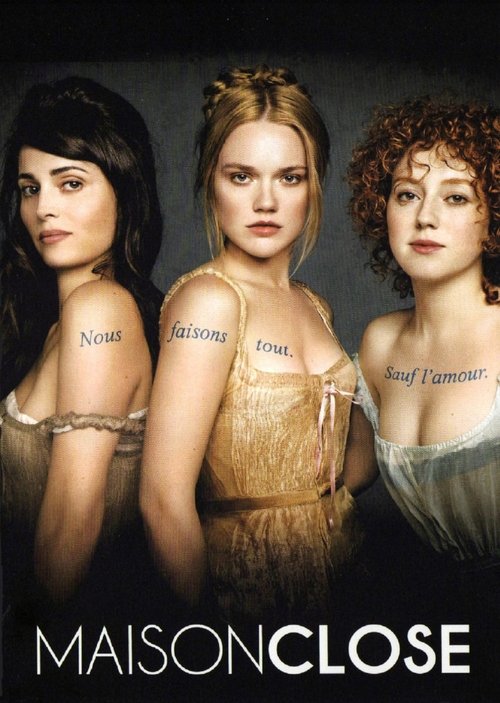
Maison close
Series
Maison close
Women trapped inside a Parisian brothel struggle against a system that controls their bodies and futures.
 Series
La Petite Histoire de France
Series
La Petite Histoire de France
A comic survey of French history that shares the provincial social world Emma spends her life trying to escape.
 Series
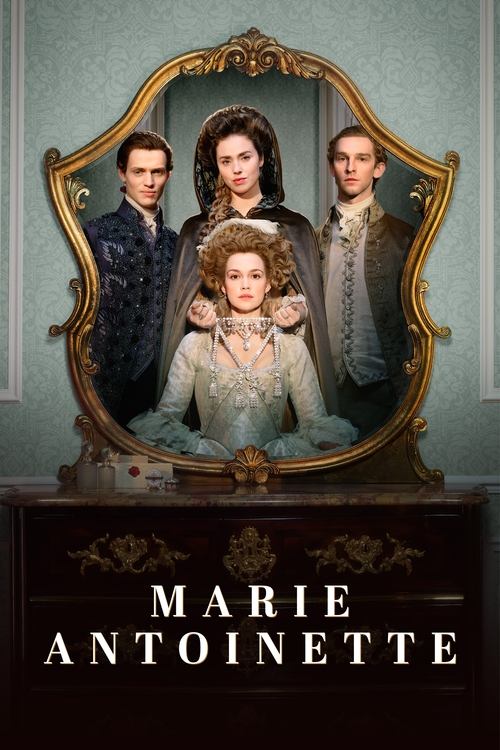
Marie Antoinette
Series
Marie Antoinette
A young woman at Versailles chafes under rigid court rules that dictate every aspect of how she must live.
 Series
Softly from Paris
Series
Softly from Paris
Erotic stories drawn from classic literary sources, sharing *Madame Bovary*'s 19th-century French milieu.
 Series
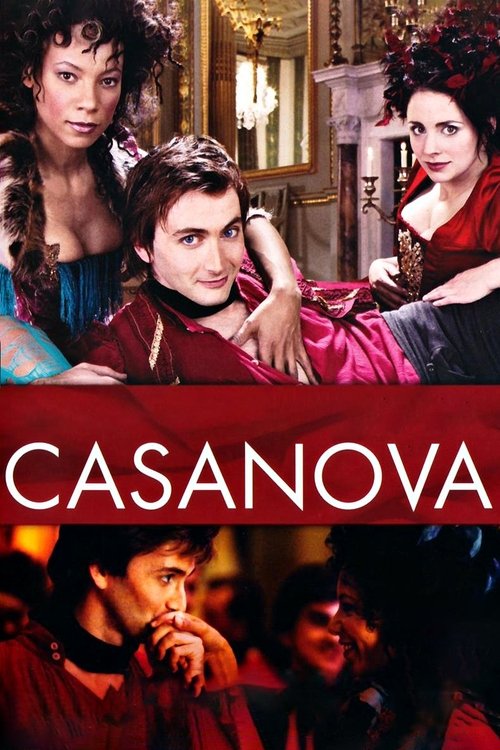
Casanova
Series
Casanova
An aging man recounts a life defined by desire and a single great love — passion remembered across decades.
 Series
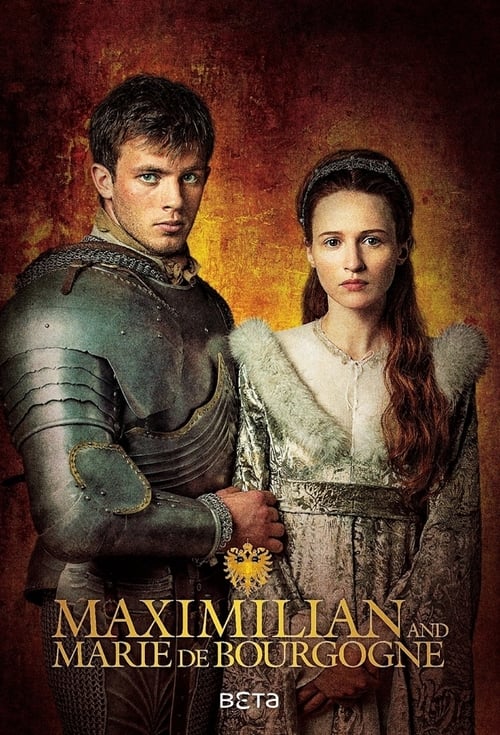
Maximilian and Marie De Bourgogne
Series
Maximilian and Marie De Bourgogne
A prince learning the weight of power struggles between duty and personal longing in a grand historical drama.
More books like Madame Bovary
 Book
Madame Bovary
Book
Madame Bovary
A study guide unpacking the major themes, characters, and literary devices that make the novel endure.
 Book
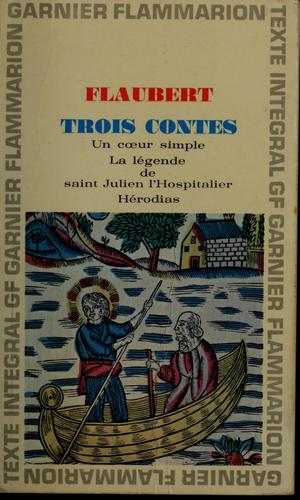
Trois contes
Book
Trois contes
Flaubert's three late stories of ordinary French lives, rendered with the same unsparing precision as the novel.
 Book
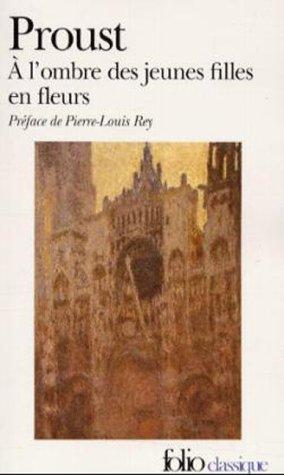
À l'ombre des jeunes filles en fleurs
Book
À l'ombre des jeunes filles en fleurs
A narrator navigates Parisian social life with the same acute attention to class, desire, and disappointment.
 Book
La Boule Noire
Book
La Boule Noire
A man whose rhythm is consumed by a machine — a quiet portrait of life overtaken by forces beyond his control.
 Book
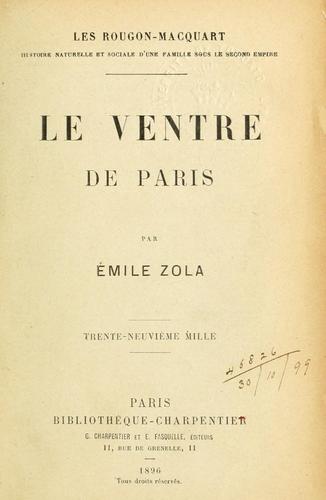
Le ventre de Paris
Book
Le ventre de Paris
A man returns to Paris through pre-dawn market carts — French realism at street level, dense with social texture.
 Book
Mademoiselle de Maupin
Book
Mademoiselle de Maupin
A satirical opening skewers the press's moralising tone — sharp social critique in a French literary register.
Frequently asked
What should I read after Madame Bovary?
If you want more French literary realism, Trois contes and Le ventre de Paris are natural next reads — precise, socially observed, and rooted in the same 19th-century world. À l'ombre des jeunes filles en fleurs pushes further into interiority and desire.
What films are like Madame Bovary?
The 1991, 2015, and 1949 adaptations each retell Emma's story directly. A Woman's Life takes a similar angle — a provincial woman whose marriage quickly shatters her hopes — without sharing the same source material.
Why does Madame Bovary still resonate?
Emma's restlessness — the gap between the life she has and the life she imagines — feels contemporary even in a 19th-century setting. The novel is unflinching about how desire, debt, and social constraint feed each other into catastrophe.