More like Преступление и наказание
Cross-media recommendations across film, TV, games, books & music — picked by taste.
Преступление и наказание (Crime and Punishment) is a novel of agonizing self-justification: an impoverished former student in St. Petersburg murders a pawnbroker, convincing himself the act serves a greater good and that certain exceptional people are simply permitted to cross moral lines others cannot. The book excavates the psychological machinery of guilt — the tortured gap between a self-serving idea and the human cost of acting on it. Readers drawn to it tend to want fiction that sits inside a morally compromised mind, where crime is never just plot but an existential reckoning.
About Преступление и наказание
Crime and Punishment is a novel by the Russian author Fyodor Dostoevsky. It was first published in the literary journal The Russian Messenger in twelve monthly installments during 1866. It was later published in a single volume. It is the second of Dostoevsky's full-length novels following his return from ten years of exile in Siberia. Crime and Punishment is considered the first great novel of his mature period of writing and is often cited as one of the greatest works of world literature.
From the Wikipedia article Crime_and_Punishment, available under CC BY-SA.
Films like Преступление и наказание
 Film
Crime and Punishment
Film
Crime and Punishment
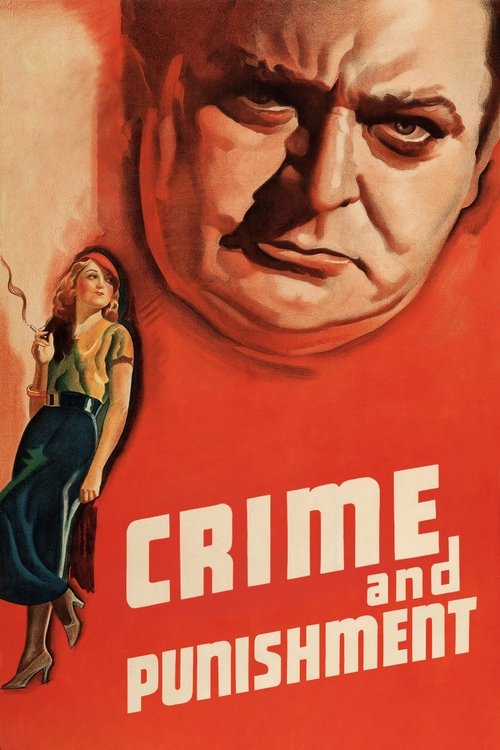
Raskolnikov's murder and the unbearable pull between concealment and confession, rendered on screen.
 Film
Crime and Punishment
Film
Crime and Punishment
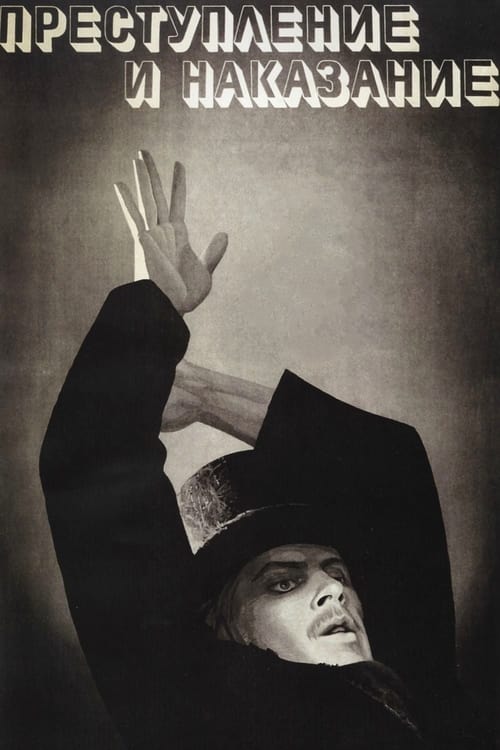
The same fractured psychology — a student's killing and the slow collapse of his will to hide it.
 Film
Crime and Punishment
Film
Crime and Punishment
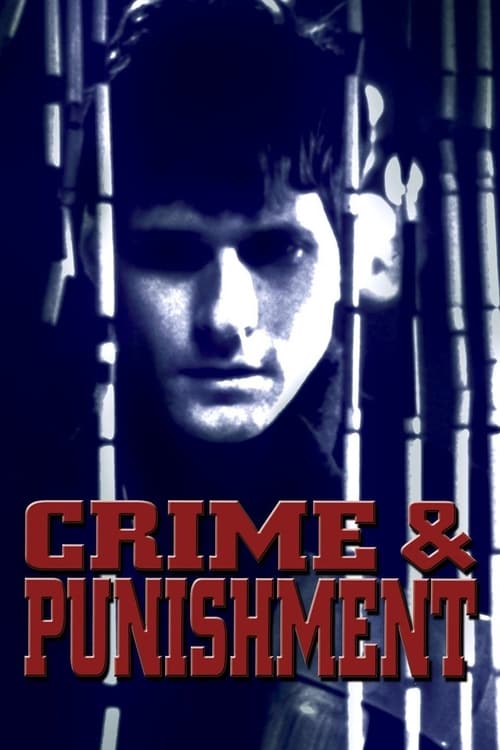
Financial desperation drives a former student to murder, and guilt tears him apart under police scrutiny.
 Film
Boris Godunov
Film
Boris Godunov
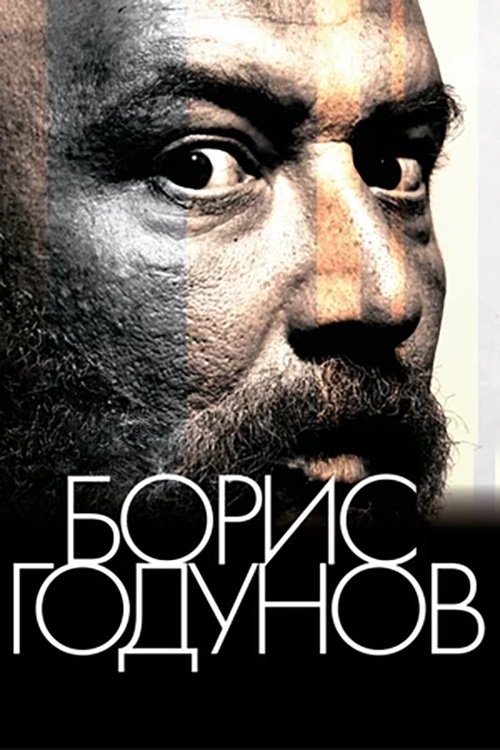
Conscience and existential choice explicitly framed as the same knotted themes that define the novel.
 Film
Crime and Punishment
Film
Crime and Punishment
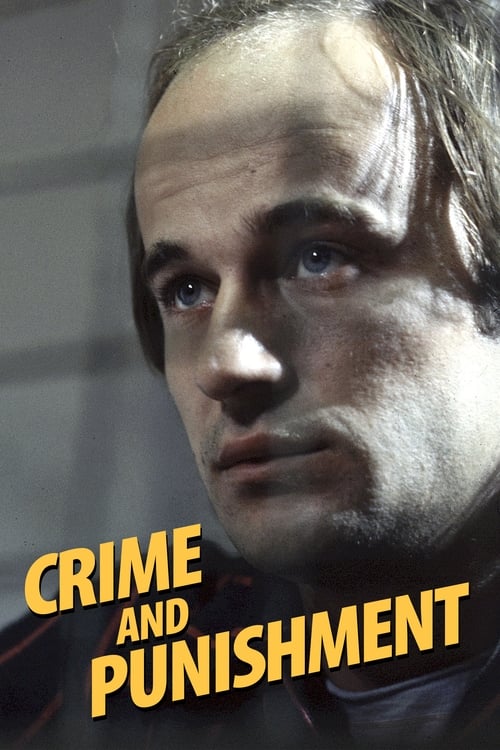
A Finnish-set retelling: student Rahikainen murders over unpaid rent, then struggles between hiding guilt and confessing.
 Film
Arithmetic of a Murder
Film
Arithmetic of a Murder
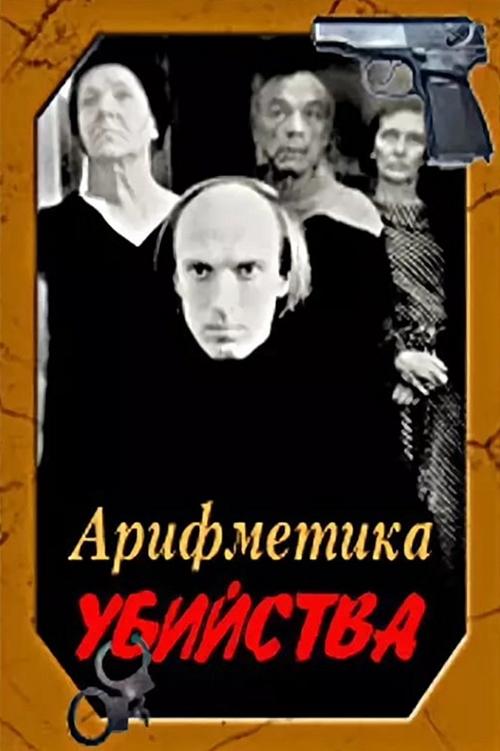
A communal St. Petersburg apartment, a dead hooligan, and residents who each had reason to kill — guilt dispersed across a building.
Series like Преступление и наказание
 Series
Шеф
Series
Шеф
St. Petersburg crime seen from inside a police force navigating institutional pressure and forced relocation.
 Series
Fisher
Series
Fisher
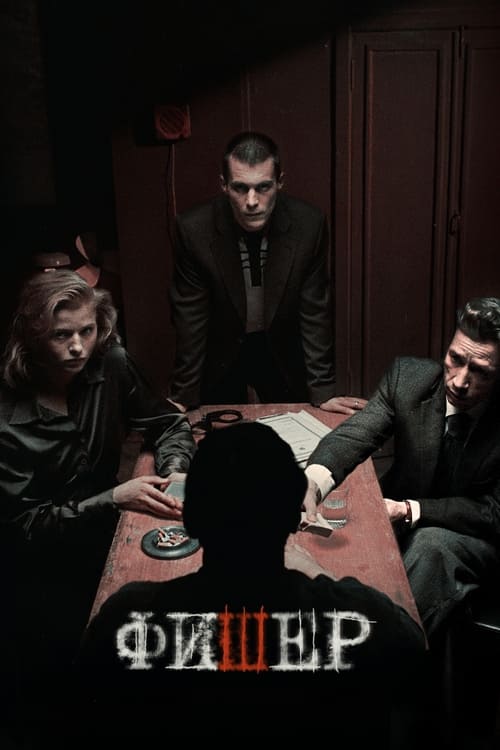
1986: investigators pursue a serial killer targeting teenagers near government dachas, piecing the case together methodically.
 Series
Chikatilo
Series
Chikatilo
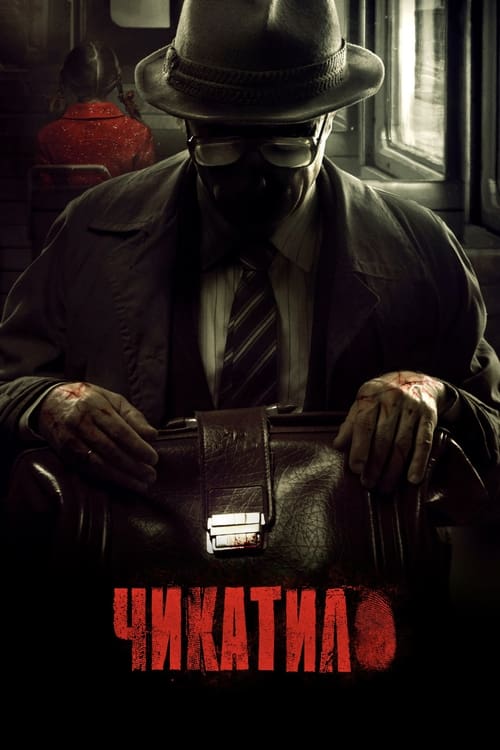
A killer who evaded justice for over a decade while an innocent man was executed in his place.
 Series
MosGaz. Delo N4: Shakal
Series
MosGaz. Delo N4: Shakal
Major Cherkasov and his team investigate a robbery spree that escalates into violence.
 Series
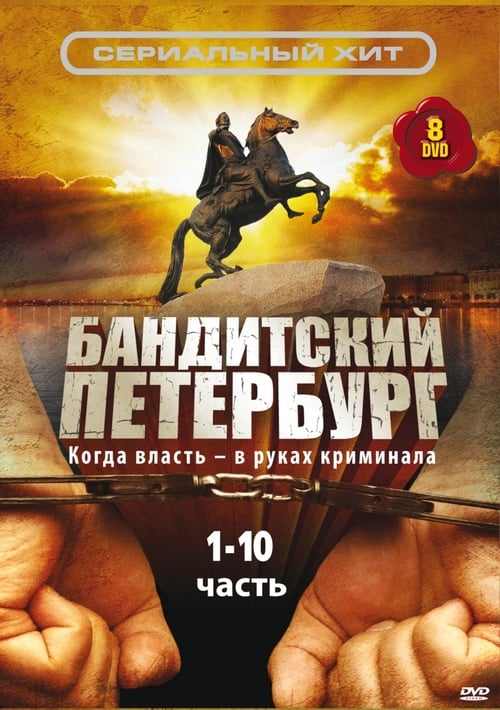
Gangster's Petersburg
Series
Gangster's Petersburg
A Russian detective series set in St. Petersburg, based on multiple novels by Andrei Konstantinov.
 Series
Nevskiy
Series
Nevskiy
A St. Petersburg police captain who acts on instinct rather than deliberation, working a rough residential beat.
More books like Преступление и наказание
 Book
Crime and Punishment Notes
Book
Crime and Punishment Notes
A study guide that unpacks the critical ideas and elements at the heart of the novel itself.
 Book
Crime & punishment
Book
Crime & punishment
A historical account tracing how societies have defined, judged, and punished transgression from 3200 BC to the present.
 Book
Раковый корпус
Book
Раковый корпус
Solzhenitsyn's novel on the corrupting power of the Soviet police state bearing down on the individual.
 Book
The Brothers Karamazov
Book
The Brothers Karamazov
A family feud over inheritance and desire erupts into violence, with moral and spiritual reckoning at its core.
 Book
Смерть Ивана Ильича
Book
Смерть Ивана Ильича
A high court judge's proud, status-driven life examined from within — and the reckoning that arrives too late.
 Book
Идиот
Book
Идиот
A guileless soul returns to St. Petersburg and is ground down by it — Dostoyevsky testing goodness against brutal reality.
Frequently asked
What movies should I watch after reading Crime and Punishment?
Several film adaptations bring Raskolnikov's psychological torment to life — the Crime and Punishment (1935) and Crime and Punishment (1983) adaptations are strong picks, while Arithmetic of a Murder offers a fresh St. Petersburg crime mystery in the same dark spirit.
Are there any TV shows that capture the brooding atmosphere of Crime and Punishment?
Fisher (2023) and Chikatilo (2021) both dig into the psychology of crime through Soviet-era Russian crime investigations, sharing that same sense of guilt, obsession, and moral weight that defines Dostoevsky's novel.
What books should I read if I loved Crime and Punishment?
Dostoevsky's own The Brothers Karamazov explores similar moral and spiritual conflicts within a family entangled in murder, while The Idiot follows another psychologically complex protagonist navigating a brutal, indifferent society.