 CrossBinge
Album: Songs of Leonard Cohen →
CrossBinge
Album: Songs of Leonard Cohen →
More like Songs of Leonard Cohen
Cross-media recommendations across film, TV, games, books & music — picked by taste.
Songs of Leonard Cohen (1967) marks a debut built around confessional writing where language takes precedence over melody — lyrics that read as poems, arrangements stripped to serve the words. Listeners drawn to that sensibility tend to reach toward the folk tradition and the American popular song canon it inhabits, and outward into films about musicians navigating ambition and loss, books that treat lyrics as literature, and the live-performance world where a song becomes communal.
About Songs of Leonard Cohen
Songs of Leonard Cohen is the debut studio album by Canadian singer-songwriter Leonard Cohen, released on December 27, 1967, on Columbia Records. More successful in Europe than in North America, Songs of Leonard Cohen foreshadowed the kind of chart success Cohen would go on to achieve. It spent nearly a year and a half on the UK Albums Chart, peaking at number 13. In the US, it reached number 83 on the Billboard 200.
From the Wikipedia article Songs_of_Leonard_Cohen, available under CC BY-SA.
Films like Songs of Leonard Cohen
 Film
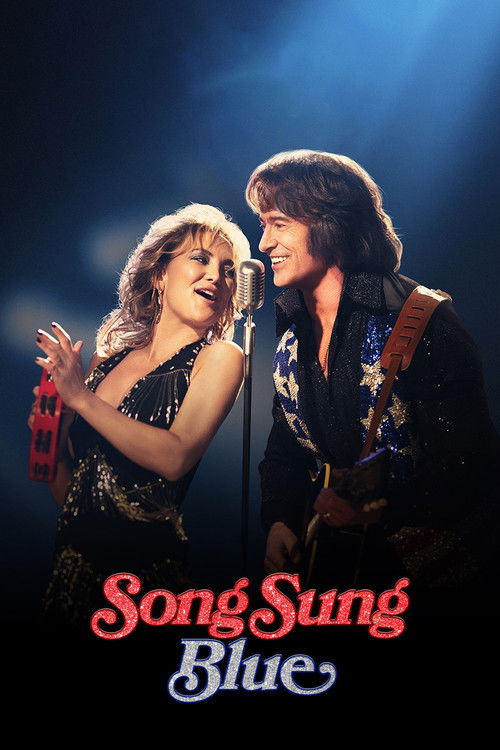
Song Sung Blue
Film
Song Sung Blue
Two down-on-their-luck musicians form a Neil Diamond tribute band and find love along the way.
 Film
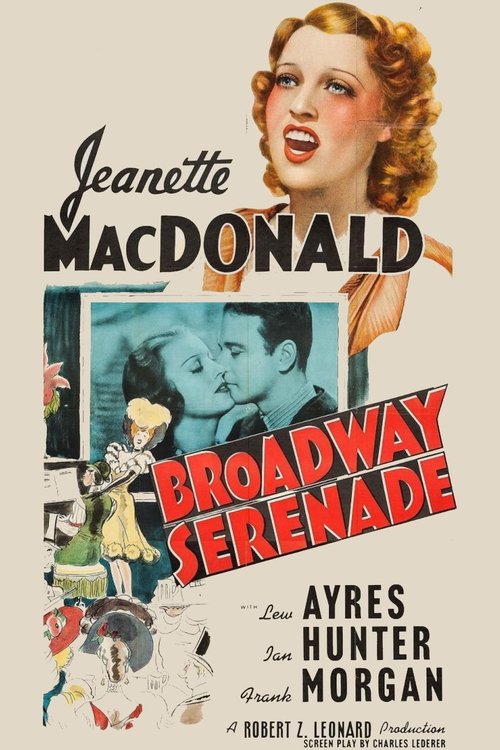
Broadway Serenade
Film
Broadway Serenade
A musical partnership strained when Broadway success falls to only one partner, leaving the other feeling a failure.
 Film
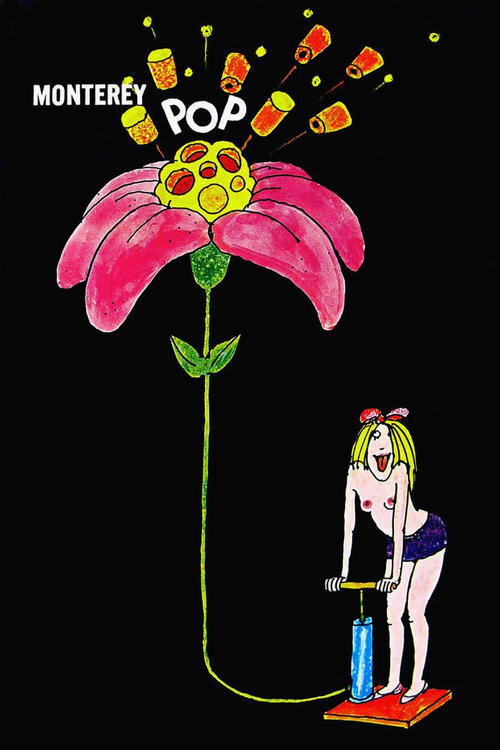
Monterey Pop
Film
Monterey Pop
Concert film capturing the 1967 Monterey Pop Festival — the live-performance world the album emerged from.
Books to read after Songs of Leonard Cohen
 Book
Leonard Cohen
Book
Leonard Cohen
Collects the lyrics and poems from Leonard Cohen's long, acclaimed career — the page-bound companion to the album's voice.
 Book
American popular song
Book
American popular song
Surveys popular music's development through six outstanding composers who shaped the American song tradition.
 Book
The NPR curious listener's guide to popular standards
Book
The NPR curious listener's guide to popular standards
A century-spanning guide to popular standards — singers, composers, lyricists, and the songs that defined the form.
 Book
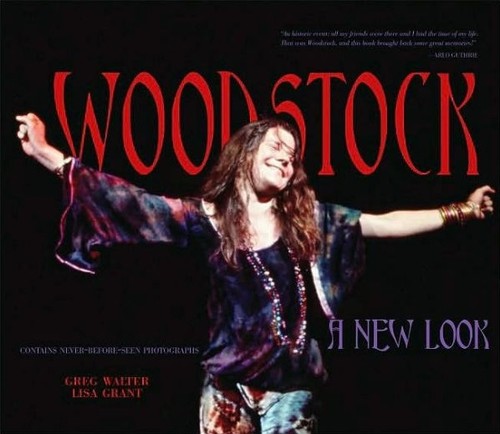
Woodstock
Book
Woodstock
Personal photographs and crew memoir from the 1969 Woodstock festival.
 Book
Twentieth-century Harmony
Book
Twentieth-century Harmony
An orderly survey of harmonic procedures in music from the first half of the twentieth century.
 Book
Red sings from treetops
Book
Red sings from treetops
A picture book in which color behaves as sensation and sound — red sings, blue dances, green waits.
Frequently asked
What should I watch after Songs of Leonard Cohen?
Monterey Pop puts you inside the 1967 live-performance world the album emerged from. Song Sung Blue offers a warmer, story-driven take on musicians finding purpose and connection through performance.
What books go well with Songs of Leonard Cohen?
The Leonard Cohen collection pairs most directly — it presents the lyrics and poems as literature. American Popular Song illuminates the songwriting tradition through six key composers, and The NPR Curious Listener's Guide to Popular Standards surveys a century of the form.
Why does Songs of Leonard Cohen still resonate so strongly?
The album treats each song as confessional poetry — language-first, with arrangements stripped to serve the words. That balance of literary precision and emotional directness is rare, which is why listeners keep returning to it across generations.