More like The Crucible
Cross-media recommendations across film, TV, games, books & music — picked by taste.
The Crucible is Arthur Miller's 1953 play dramatizing the Salem witch trials of 1692–93, written deliberately as an allegory for the McCarthyite persecution of accused communists in Cold War America. It traces how a community tears itself apart when accusation becomes its own proof, and how conscience buckles under institutional pressure. Miller himself was later called before the House Un-American Activities Committee. If this resonates, you're drawn to stories where mob logic, scapegoating, and coerced conformity corrode both justice and the people who try to uphold it.
About The Crucible
The Crucible is a 1953 play by the American playwright Arthur Miller. It is a dramatized and partially fictionalized story of the Salem witch trials that took place in the Province of Massachusetts Bay from 1692 to 1693. Miller wrote the play as an allegory for McCarthyism, when the United States government persecuted people accused of being communists. Miller was later questioned by the House of Representatives' Committee on Un-American Activities in 1956 and convicted of contempt of Congress for refusing to identify others present at meetings he had attended.
From the Wikipedia article The_Crucible, available under CC BY-SA.
Films like The Crucible
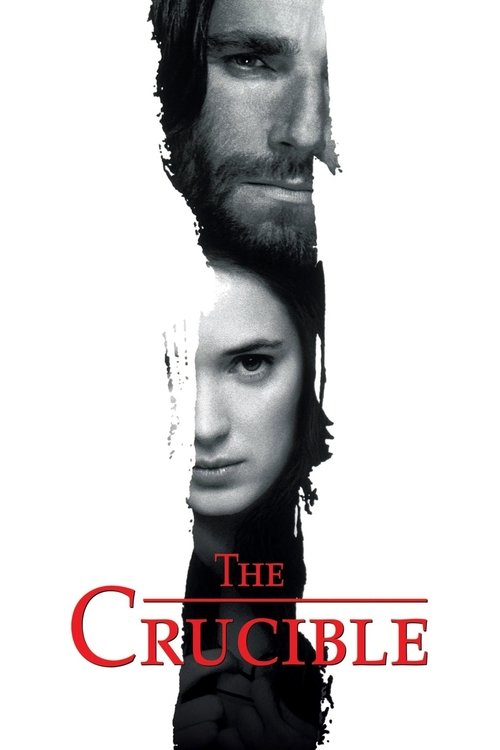 Film
The Crucible
Film
The Crucible
The same 1692 trials, refracted through one woman's calculated attempt to destroy a romantic rival.
 Film
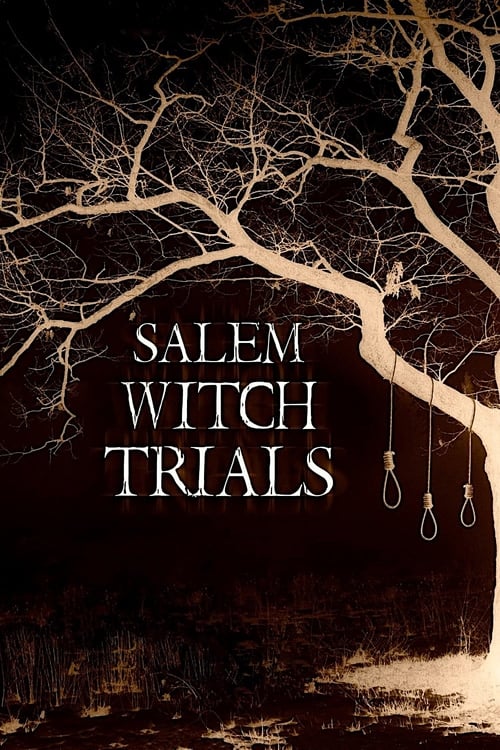
Salem Witch Trials
Film
Salem Witch Trials
A direct reckoning with Salem's witchcraft scandal as a dark, defining rupture in American history.
 Film
Crucible of Horror
Film
Crucible of Horror
A household patriarch's tyranny drives a mother and daughter toward murder — domestic power as persecution.
 Film
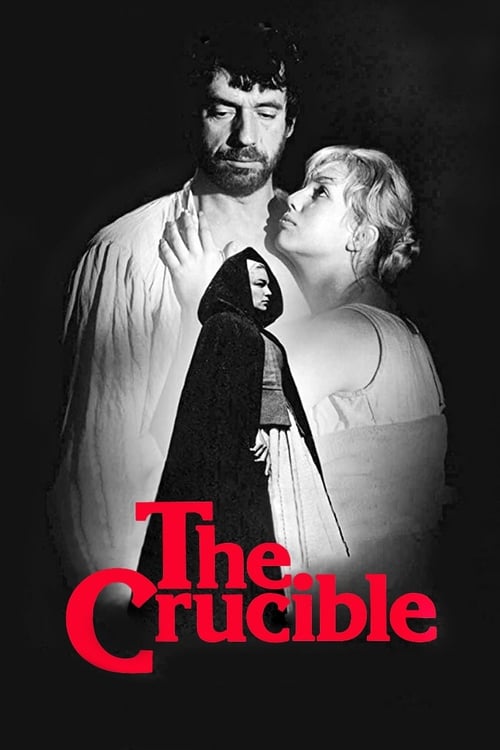
The Witches of Salem
Film
The Witches of Salem
Abigail's act of revenge against John Proctor's wife sets Salem's tragic machinery of fear in motion.
 Film
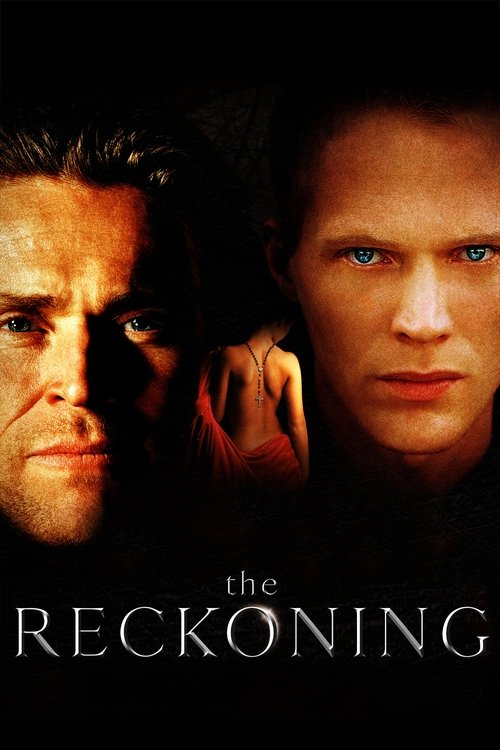
The Reckoning
Film
The Reckoning
A woman condemned for witchcraft in 14th-century England — scapegoating across a different century's fear.
 Film
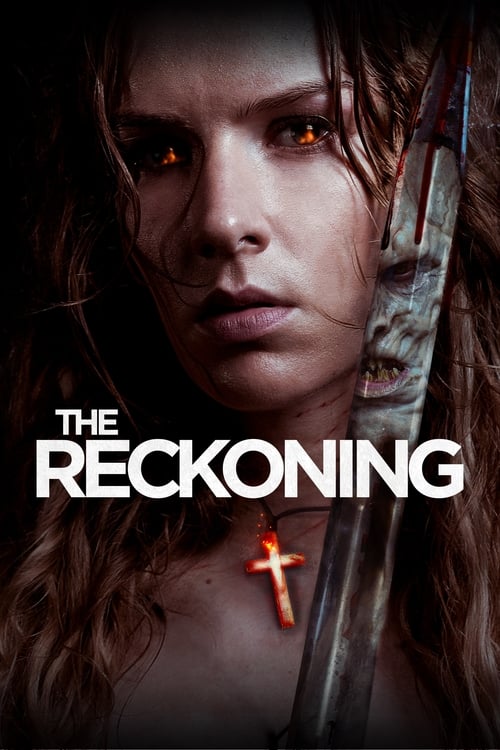
The Reckoning
Film
The Reckoning
A widow accused of witchcraft during plague-era witch-hunts faces a society consumed by fear and death.
Games like The Crucible


More books like The Crucible
 Book
The Salem Witch Trials
Book
The Salem Witch Trials
Puritan Salem's beliefs and social tensions laid bare as witchcraft accusations spiral into infamous trials.
 Book
The Crucible of Time
Book
The Crucible of Time
An epic spanning millennia: a species evolving from medieval city-states to technological civilization.
 Book
The Sacrifice
Book
The Sacrifice
Historical fiction set in Salem's witch-trial era, where accusation and execution become the social norm.
 Book
Focus
Book
Focus
Racism and antisemitism examined in fiction — prejudice as its own kind of social trial.
 Book
In the Devil's Snare
Book
In the Devil's Snare
A close investigation of Salem's 1692 crisis, tracing 144 accused and the twenty who were put to death.
 Book
The Borden murders
Book
The Borden murders
A brutal 1892 murder case where a respectable woman faces the court of public suspicion.
Frequently asked
What should I watch after The Crucible?
The 1996 film adaptation The Crucible and the 2002 TV movie Salem Witch Trials both dramatise the same historical events, making either a natural next watch — especially if you want to see Miller's story brought to life on screen.
Are there any books like The Crucible for deeper historical context?
In the Devil's Snare offers a rigorous, extensively researched account of the 1692 Salem crisis, while The Sacrifice is a historical-fiction retelling set in the same witch-trial era — both complement Miller's allegorical drama.
Why do people still love The Crucible?
Beyond the Salem setting, the play resonates because it uses witch-trial hysteria as an allegory for political persecution and mob justice, themes Miller himself faced when questioned by Congress — giving it a timeless, real-world urgency.