More like The Doors
Cross-media recommendations across film, TV, games, books & music — picked by taste.
The Doors arrived on January 4, 1967, carrying something stranger than rock energy: a confrontation with darkness, desire, and the irrational. Recorded in August 1966 at Sunset Sound in Hollywood, it gave "Light My Fire" its full-length form and closed with "The End" — built around an improvised Oedipal spoken-word passage rather than verse-chorus craft. The taste it signals is an appetite for art that fuses ritual, altered states, and psychological extremity, where the boundary between performance and unraveling is exactly the point.
About The Doors
The Doors is the debut studio album by the American rock band the Doors, released on January 4, 1967, by Elektra Records. Recorded in August 1966 at Sunset Sound Recorders in Hollywood, California, the album was produced by Paul A. Rothchild. It contains the full-length version of the group's breakthrough single "Light My Fire" and concludes with "The End", noted for its improvised Oedipal spoken-word section.
From the Wikipedia article The_Doors_(album), available under CC BY-SA.
Films like The Doors
 Film
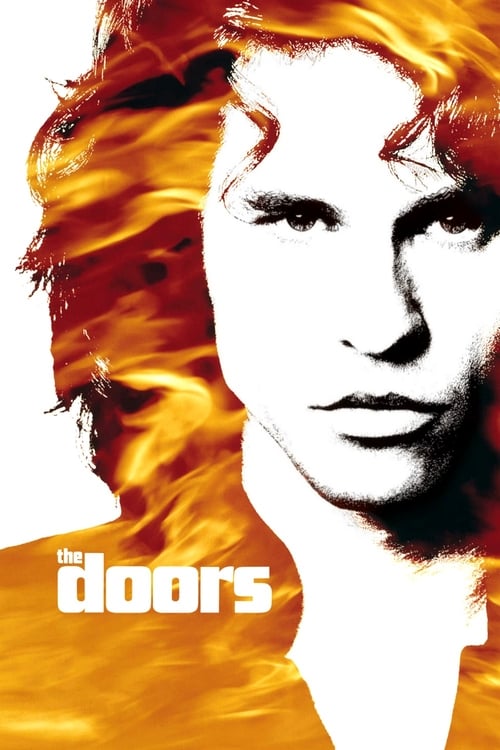
The Doors
Film
The Doors
The story of the famous 1960s rock band and its lead singer and composer, Jim Morrison.
 Film
The Acid House
Film
The Acid House
Surreal, chemically-charged storytelling with a vicious edge — consciousness altered, social reality warped.
 Film
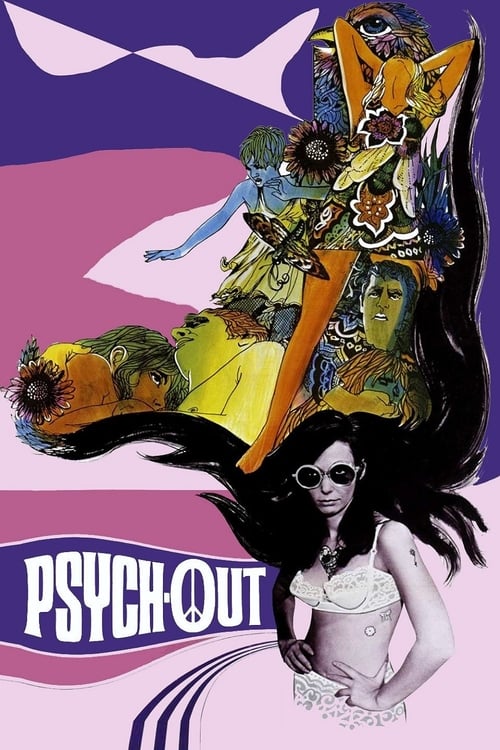
Psych-Out
Film
Psych-Out
A deaf runaway arrives in Haight-Ashbury and falls in with a psychedelic band searching for her brother.
 Film
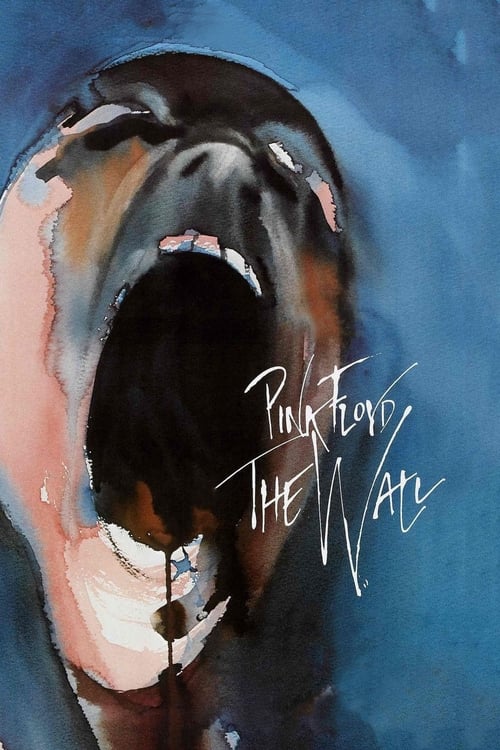
Pink Floyd: The Wall
Film
Pink Floyd: The Wall
A rock star's descent into madness through isolation — psyche unraveling where performance once stood.
 Film
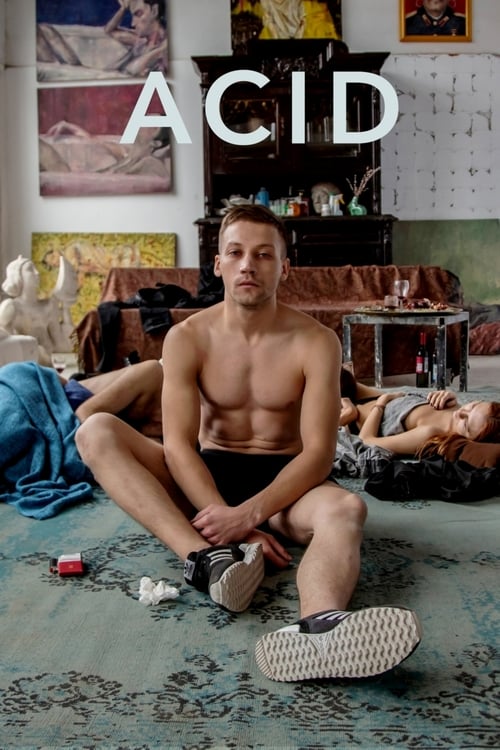
Acid
Film
Acid
Abandoned figures corroding themselves and the world around them in search of elusive answers.
 Film
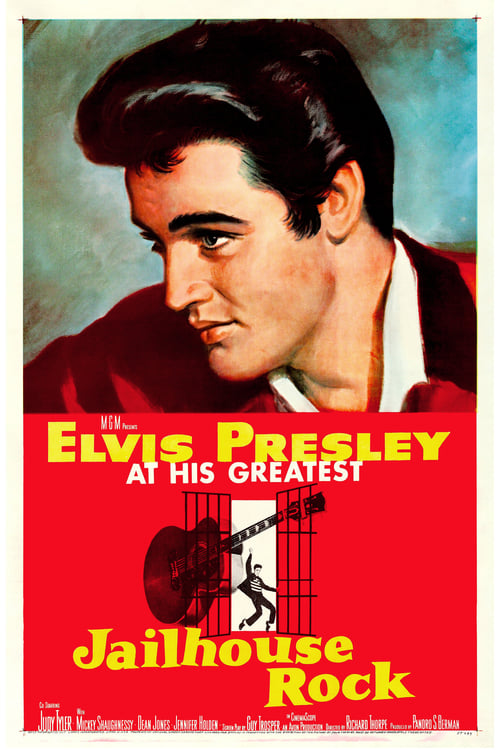
Jailhouse Rock
Film
Jailhouse Rock
Rock stardom born from danger and consequence — the raw collision of youth, music, and transgression.
Books to read after The Doors
 Book
Light My Fire
Book
Light My Fire
An insider account of the band's wild, liberated life, told from its turbulent psychedelic sixties beginning.
 Book
Jim Morrison
Book
Jim Morrison
A portrait of voracious spiritual, sexual, and psychedelic hunger that inflamed an entire generation's psyche.
 Book
The house that crack built
Book
The house that crack built
Cumulative verses map a substance's creation and destructive spread — ritual, compulsion, consequence.
Frequently asked
What should I watch after listening to The Doors debut album?
The 1991 biopic The Doors is the most direct match, dramatising Jim Morrison's life and the band's rise. For a different psychedelic trip, Pink Floyd: The Wall captures the same rock-star-on-the-edge intensity.
Is there a book that goes deeper into The Doors and Jim Morrison?
Light My Fire is Ray Manzarek's insider memoir of the band's entire journey, while Jim Morrison focuses tightly on his poetic vision and electrifying live performances — both go well beyond the album liner notes.
Are there any films with a similar late-60s psychedelic counterculture feel?
Psych-Out drops you straight into San Francisco's Haight-Ashbury scene in 1968, with a psychedelic band at its centre — it shares The Doors album's raw, underground energy almost exactly.