 CrossBinge
Book: Uncle Tom's Cabin →
CrossBinge
Book: Uncle Tom's Cabin →
More like Uncle Tom's Cabin
Cross-media recommendations across film, TV, games, books & music — picked by taste.
Uncle Tom's Cabin is a novel about the moral weight of human bondage — not just its physical brutality, but what it costs a society to sustain it. Through Tom's steadfast faith and the cascading consequences of his sale down the Mississippi, Harriet Beecher Stowe asks a question that refuses to stay historical: whether love and morality can survive within systems built on cruelty and profit. Readers drawn to this book tend to want works that sit with that tension — stories of endurance, resistance, and the human cost of structural injustice, across every medium.
About Uncle Tom's Cabin
Uncle Tom's Cabin; or, Life Among the Lowly is an anti-slavery novel by American author Harriet Beecher Stowe. Published in two volumes in 1852, the novel had a profound effect on attitudes toward African Americans and slavery in the U.S., and is said to have "helped lay the groundwork for the American Civil War".
From the Wikipedia article Uncle_Tom's_Cabin, available under CC BY-SA.
Films like Uncle Tom's Cabin
 Film
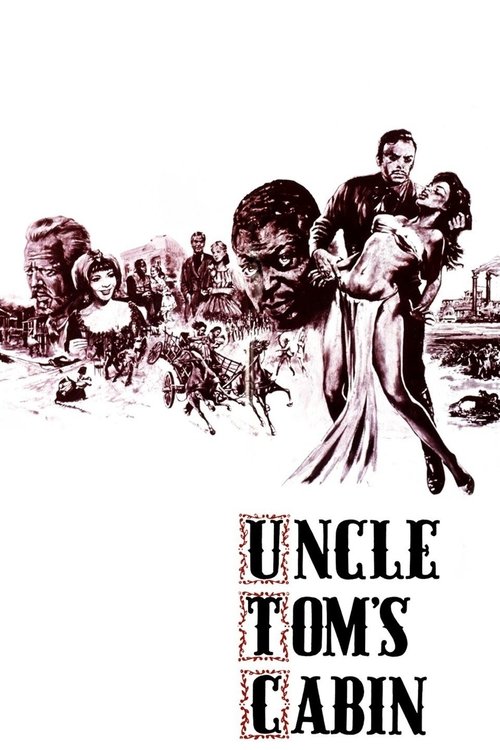
Uncle Tom's Cabin
Film
Uncle Tom's Cabin
A faithful, peaceable slave becomes the center of tragedy under a sadistic plantation owner in the pre-Civil War South.
 Film
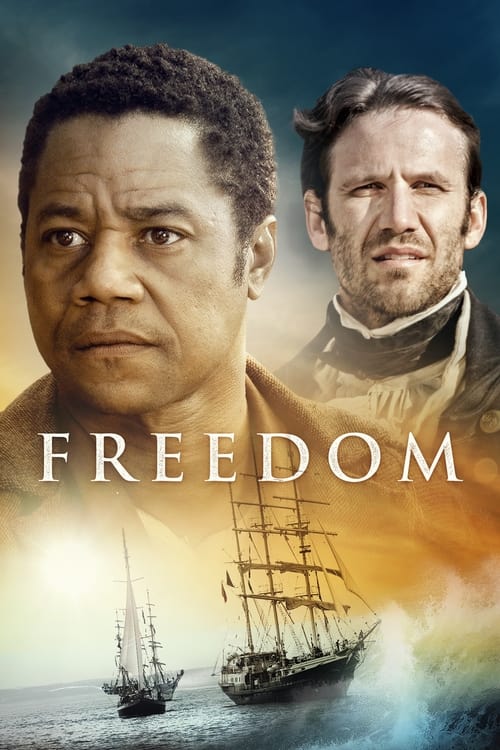
Freedom
Film
Freedom
A family's dangerous flight through the Underground Railroad echoes the novel's anguished search for freedom.
 Film
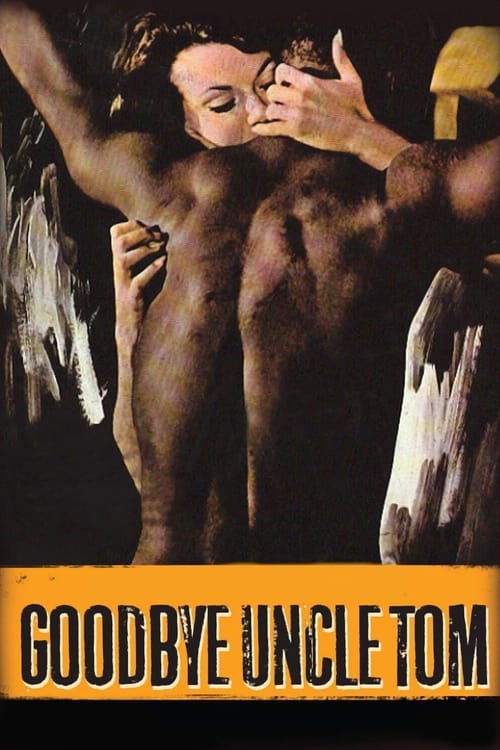
Goodbye Uncle Tom
Film
Goodbye Uncle Tom
Filmmakers examining the slave trade firsthand force a confrontational, unflinching look at the same brutal institution.
 Film
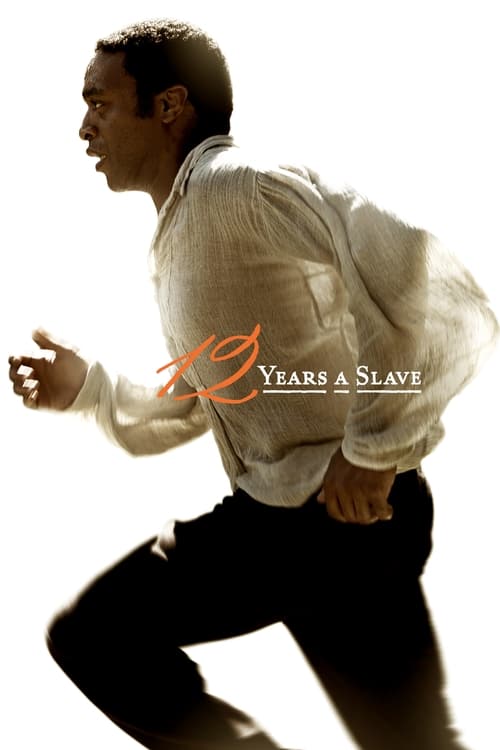
12 Years a Slave
Film
12 Years a Slave
A free man sold into slavery struggles to retain his dignity against cruelty — the novel's central moral ordeal in visual form.
 Film
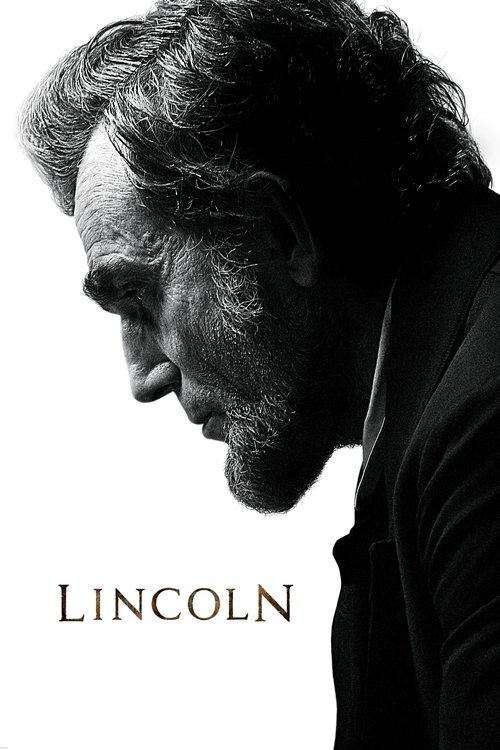
Lincoln
Film
Lincoln
The political fight to abolish slavery in a nation torn apart by war — the legislative culmination the novel helped ignite.
 Film
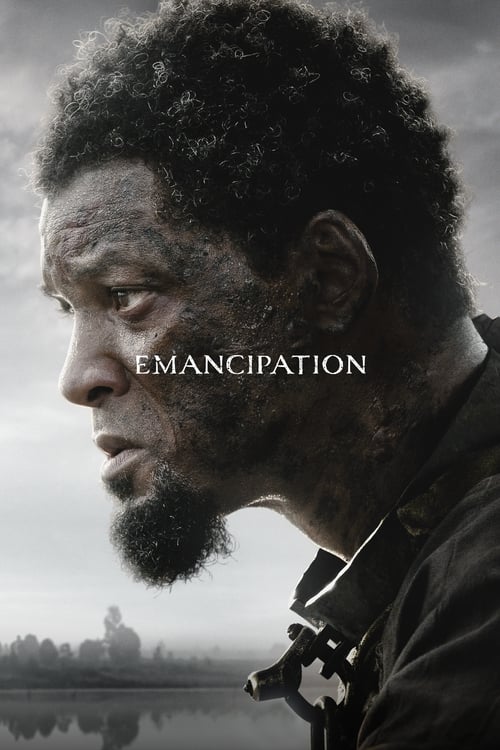
Emancipation
Film
Emancipation
An enslaved man risks everything to escape and return to his family, driven by love and endurance.
Series like Uncle Tom's Cabin
More books like Uncle Tom's Cabin
 Book
Theory of war
Book
Theory of war
A white man sold into indentured servitude just after the Civil War shows bondage's reach beyond the plantation South.
 Book
The slave trade
Book
The slave trade
A rigorous account of who profited from the slave trade and why African rulers participated — the systemic backdrop the novel inhabits.
 Book
Bound for the promised land
Book
Bound for the promised land
A fearless figure who led enslaved people to freedom and fought behind enemy lines — resistance where the novel saw only endurance.
 Book
Closer to freedom
Book
Closer to freedom
Scholarship on how enslaved people navigated life beyond their masters' gaze — the hidden agency the novel's Tom ultimately lacks.
 Book
Complicity
Book
Complicity
The North's quiet economic dependence on slavery — the wider moral complicity the novel forces readers to reckon with.
 Book
The invention of wings
Book
The invention of wings
An urban slave and a slaveholder's daughter both trapped by the same household — the novel's dilemma of loyalty and suffocation reimagined.
Frequently asked
What should I watch after Uncle Tom's Cabin?
Start with 12 Years a Slave, which shares the novel's unflinching focus on a man stripped of freedom and fighting to preserve his dignity. Emancipation and Lincoln round out the picture — one on the cost of escape, the other on the political battle to end slavery.
What books are similar to Uncle Tom's Cabin?
The Invention of Wings is the closest in spirit, pairing an enslaved woman's yearning for freedom with her enslaver's daughter's moral awakening. Theory of War and Closer to Freedom extend the conversation into the aftermath and the hidden lives slavery tried to erase.
Why does Uncle Tom's Cabin still matter?
Because its central question — whether a moral person can truly live inside an unjust society — outlasts its historical setting. The novel argues that slavery wasn't an aberration but a symptom of a society unable to sustain genuine human connection, a challenge that resonates well beyond 1852.