More like The Wall
Cross-media recommendations across film, TV, games, books & music — picked by taste.
The Wall, Pink Floyd's eleventh studio album, is a rock opera built around "Pink," a rock star who retreats behind a self-constructed psychological barrier of social isolation. Released in 1979, it spent fifteen weeks at the top of the US charts. If this record speaks to you, you're likely drawn to work that explores the cost of fame, the pull of withdrawal, and the point where artistic ambition and personal collapse become hard to separate.
About The Wall
The Wall is the eleventh studio album by the English rock band Pink Floyd, released on 30 November 1979 by Harvest/EMI and Columbia/CBS Records. It is the last album to include all four post-Barrett-era band members. The album is a rock opera that follows the story of "Pink", a jaded rock star, as he constructs a psychological "wall" of social isolation. The Wall topped the US charts for 15 weeks and reached number three in the UK. It initially received mixed reviews from critics, many of whom found it overblown and pretentious, but later received accolades as one of the greatest albums of all time.
From the Wikipedia article The_Wall, available under CC BY-SA.
Films like The Wall
 Film
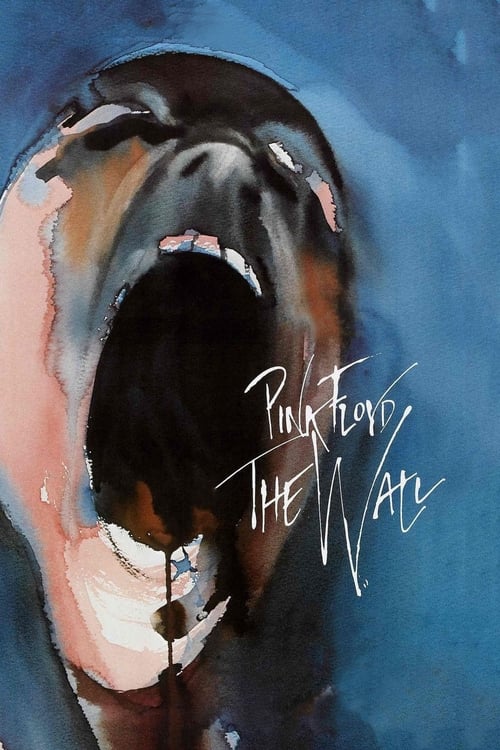
Pink Floyd: The Wall
Film
Pink Floyd: The Wall
A rock star descends into madness and social isolation — the album's own story made visible on screen.
 Film
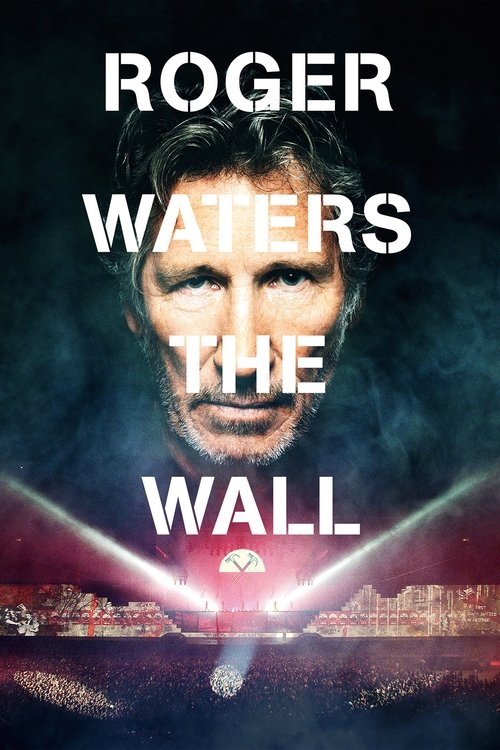
Roger Waters: The Wall
Film
Roger Waters: The Wall
The double album performed in full on tour, captured across Roger Waters's 2010–2013 concert dates.
 Film
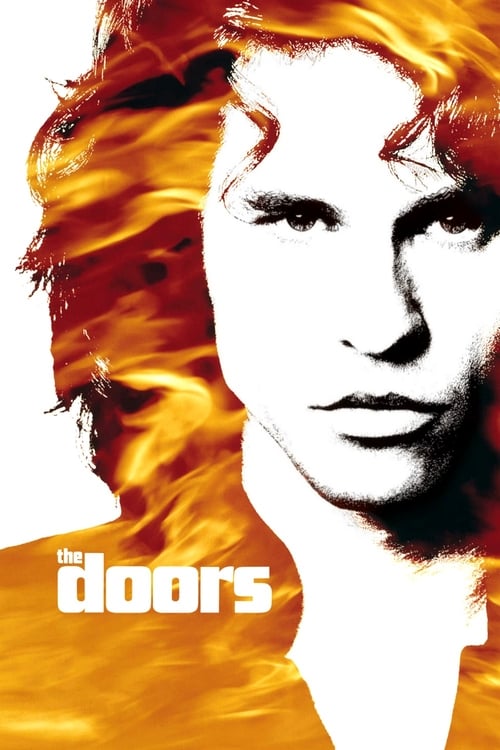
The Doors
Film
The Doors
The story of the 1960s rock band and its lead singer and composer, Jim Morrison.
 Film
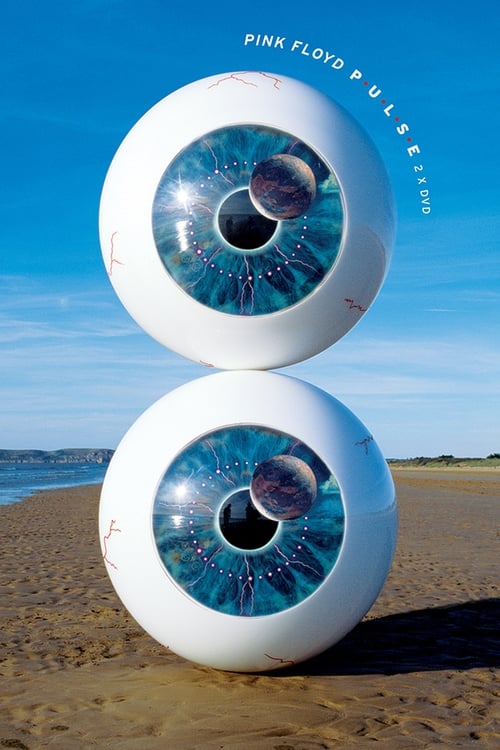
Pink Floyd: Pulse
Film
Pink Floyd: Pulse
Pink Floyd performing live at Earls Court in 1994 during The Division Bell tour.
 Film
Pink Floyd: Live at Pompeii
Film
Pink Floyd: Live at Pompeii
Pink Floyd performing in the ancient Pompeii amphitheatre in 1971, with no audience present.
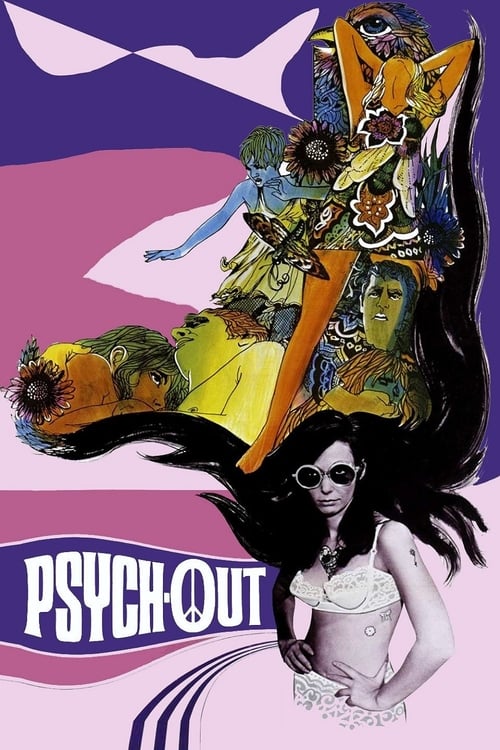 Film
Psych-Out
Film
Psych-Out
A deaf runaway searching for her lost brother falls in with a psychedelic band in Haight-Ashbury.
Books to read after The Wall
 Book
The Wall
Book
The Wall
After climate collapse, a country builds a wall; young people guard it in a story about fear and inherited consequence.
 Book
Echoes
Book
Echoes
A full account of Pink Floyd's collective and individual careers, from formation to the present day.
 Book
Saucerful of secrets
Book
Saucerful of secrets
A biography of the British progressive and psychedelic rock band at the album's core.
 Book
The Wall
Book
The Wall
A famous pop singer retreats into isolation under a false name, hiding from the pressures of public life.
 Book
Rock and roll, 1955-1970
Book
Rock and roll, 1955-1970
A historical survey of rock's roots, rhythm and blues, solo stars, and supergroups.
Frequently asked
What should I watch after listening to The Wall?
Start with Pink Floyd: The Wall (1982), a film adaptation that follows the same rock star protagonist descending into isolation and madness — it's essentially the album made visual. Roger Waters: The Wall (2014) captures the full live stage spectacle if you want the concert experience.
Are there any books about Pink Floyd for fans of The Wall?
Echoes is a comprehensive chronological account of the band's collective and individual careers, covering stage, TV, and radio performances, while Saucerful of Secrets offers a biography of the group's progressive and psychedelic rock journey.
Why do people still love The Wall decades after its release?
The album's rock-opera structure — tracing "Pink's" psychological collapse and self-imposed isolation — gives it a narrative depth rare in rock music, and it topped the US charts for 15 weeks despite initially polarising critics who called it overblown.