 CrossBinge
Album: War →
CrossBinge
Album: War →
More like War
Cross-media recommendations across film, TV, games, books & music — picked by taste.
War channels the tension of a world perpetually on the brink — a political reckoning from a band that looked at 1982 and saw conflict everywhere. It signals a taste for art that doesn't flinch from power, violence, and moral urgency: work that uses its chosen form — song, film, prose — as a vehicle for protest rather than escape. Listeners drawn to it tend to connect with stories about resistance, idealism under pressure, and the uncomfortable weight of history on ordinary lives.
About War
War is the third studio album by Irish rock band U2. It was produced by Steve Lillywhite, and was released on 28 February 1983 on Island Records. The album is regarded as U2's first overtly political album, in part because of songs like "Sunday Bloody Sunday" and "New Year's Day", as well as the title, which stems from the band's perception of the world at the time; lead vocalist Bono stated that "war seemed to be the motif for 1982."
From the Wikipedia article War_(U2_album), available under CC BY-SA.
Films like War
 Film
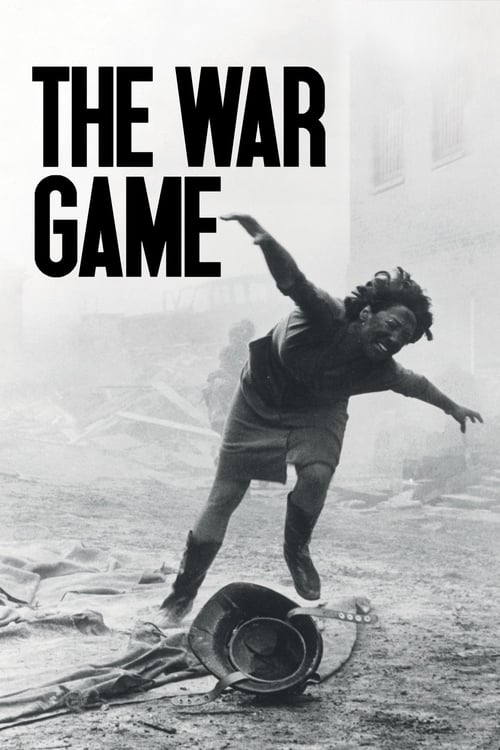
The War Game
Film
The War Game
A docudrama so unflinching in its depiction of nuclear catastrophe that broadcasters refused to air it.
 Film
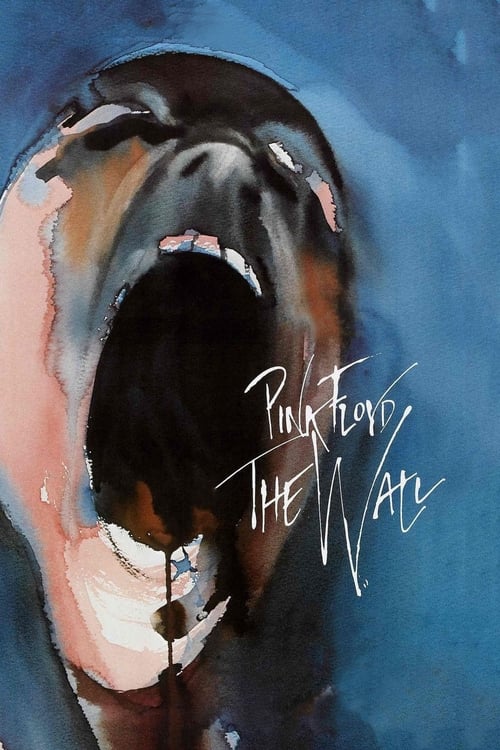
Pink Floyd: The Wall
Film
Pink Floyd: The Wall
A rock star's psychological unravelling told through music, matching War's fusion of personal anguish and wider alienation.
 Film
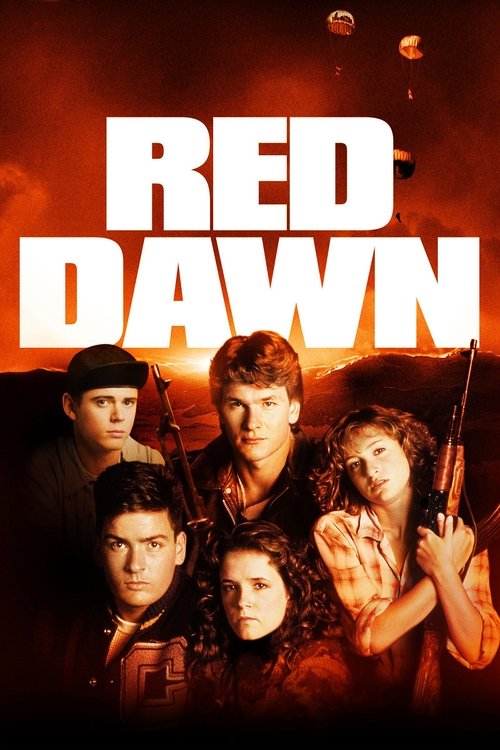
Red Dawn
Film
Red Dawn
Teenagers confront the reality of war on home soil — the same Cold War dread that shaped *War*'s worldview.
 Film
Leto
Film
Leto
Underground rock fermenting under Soviet rule — music as defiance in an era of political pressure.
 Film
Alone We Fight
Film
Alone We Fight
A small band holding a line against overwhelming force — the literal theatre of war *War* evokes.
 Film
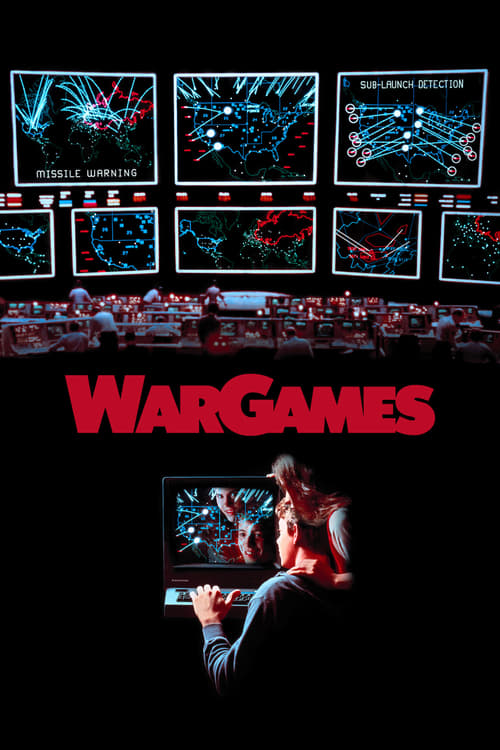
WarGames
Film
WarGames
A teenager's accidental brush with superpower brinkmanship captures the same nuclear-age anxiety.
Books to read after War
 Book
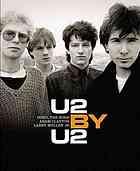
U2 by U2
Book
U2 by U2
Four Dublin teenagers building something extraordinary — the inside story behind the band that made *War*.
 Book
U2 at the end of the world
Book
U2 at the end of the world
A sweeping account of U2 across continents, tracing the ideas and ambitions that *War* first announced.
 Book
Psychotic Reactions and Carburettor Dung
Book
Psychotic Reactions and Carburettor Dung
Sharp rock criticism covering the bands — Bowie, Reed, the Clash — whose records shaped the era *War* emerged from.
 Book
Slash
Book
Slash
A rock guitarist's memoir of excess and survival — the raw, lived-in side of the music world *War* inhabits.
Frequently asked
What should I watch after listening to War?
Try WarGames or The War Game — both wrestle with nuclear-age anxiety in ways that mirror the album's political urgency. Pink Floyd: The Wall pairs well if you're drawn to the intersection of rock and unravelling idealism.
What books go well with War by U2?
U2 by U2 is the natural companion, tracing the band's Dublin origins to the political ambition the album represents. Psychotic Reactions and Carburettor Dung offers sharp critical context for the rock era that produced it.
Why does War feel so different from other early-80s rock albums?
The album was deliberately shaped by the band's sense that conflict defined the moment — a conscious choice to make political subject matter the centre of the record rather than a backdrop, which set it apart from the escapism common at the time.