3 Million Copies Sold, Still in the Red: 007 First Light Is the AAA Crisis in One Number
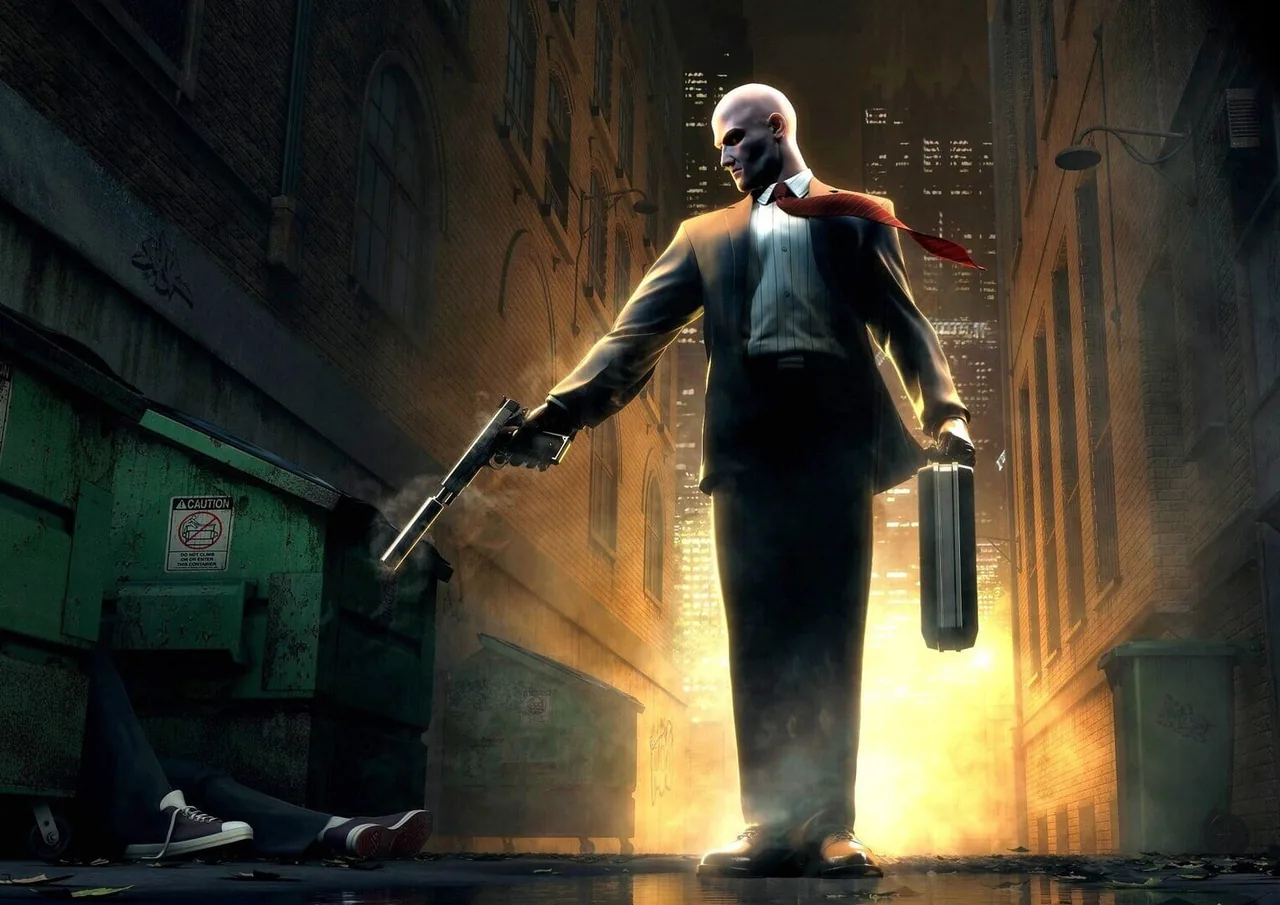
IO Interactive shipped 007 First Light on May 26 and sold 3 million copies in two weeks. One and a half million of those moved in the first 48 hours alone, making it the fastest-selling game in the Copenhagen studio's history. By any reasonable definition of the word, this is a hit. And it still hasn't made its money back.
The budget was roughly $200 million, or about 1.3 billion Danish kroner, which makes First Light the most expensive entertainment product Denmark has ever produced. IO's own internal sales estimates were exceeded, which means the studio shipped a game that performed better than its best-case projections and is still staring at a gap between revenue and expenditure. Three million copies at a standard $70 price point generates somewhere near $210 million gross, before retailer cuts, platform fees (typically 30 percent), and marketing spend that almost certainly ran into the tens of millions on top of development. The arithmetic is unforgiving.
By week three, the UK boxed retail chart told the next chapter: EA Sports FC 26 reclaimed No. 1, with First Light dropping to second. That is not a collapse; sports games perpetually cycle back to the top as weekend traffic resets. But the retail tail of a $200 million single-player action game matters. IO built the Hitman trilogy on a disciplined model that kept costs and expectations aligned. First Light is the opposite bet: maximum ambition, a licensed property with global recognition, and a release that needs to keep selling for months to close the gap.
Three million sales in two weeks is real, and the industry will call it a success. The budget means it is also a warning: the threshold for what counts as a AAA game now sits high enough that genuine commercial outperformance is not sufficient to guarantee a return. If First Light eventually recoups, it will be through digital long-tail sales, subscription inclusion, and years of post-launch revenue. The launch-weekend headline numbers are not the actual story. The actual story is that IO built something people clearly want to play, and the cost of building it has structurally changed what winning looks like.