Twenty Billion Dollars to Prove That Weird Games Don't Fit the Spreadsheet
The argument Microsoft made for five years was seductive: own everything, fund everything, let creative risk bloom inside a subscription model that spreads the cost across millions of subscribers. It was, in theory, the best deal weird games had ever been offered. Compulsion Games could make a Southern Gothic action game about a Black woman navigating a flooded American myth-scape. Ninja Theory could make a second chapter in a psychosis-as-gameplay meditation so uncompromising it shipped without a health bar. Double Fine could make a decades-delayed sequel to the most formally inventive platformer of the 2000s. Nobody would have to worry about sales. That argument is now visibly, numerically over.
The figures reported in June 2026 are specific enough to sit with. Microsoft spent approximately $20 billion acquiring first-party studios over five years, a number that excludes the separate Activision Blizzard deal. Over that same period, Xbox hardware revenue fell by nearly $500 million. Game Pass, the subscription meant to justify the entire architecture, has not compensated for the decline. The result is what Xbox leadership calls a "reset," which is corporate language for: the model did not work, and the studios bought to populate it are now negotiating to go independent or face layoffs. Compulsion Games, Ninja Theory, and Double Fine are all, by current reporting, in that position.
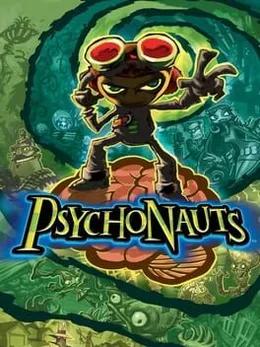
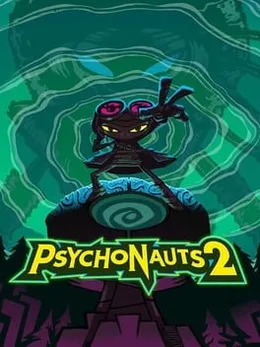
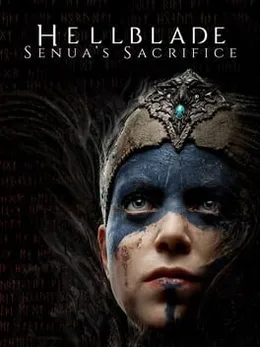
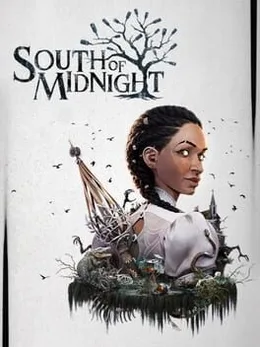
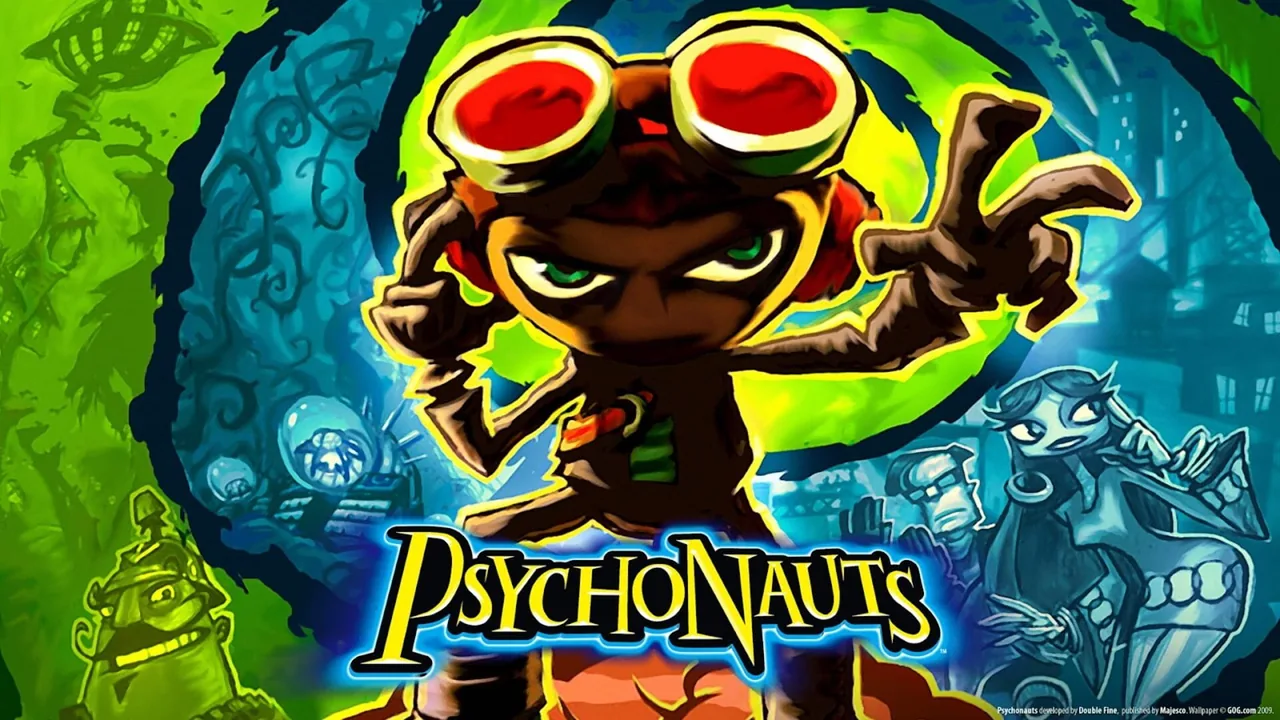
It is worth being precise about what these studios made, because coverage like this tends to abstract them into assets. Ninja Theory made Hellblade: Senua's Sacrifice in 2017 as an independent studio, a game about a Pictish warrior navigating Norse mythology and psychotic breaks, narrated by voices recorded with binaural audio to simulate auditory hallucinations. Microsoft published its sequel, Senua's Saga: Hellblade II, in 2024 after acquiring the studio. It is one of the most visually committed games ever shipped on a console, with essentially no combat depth, no open world, and no live-service hooks. Double Fine made Psychonauts in 2005, then Psychonauts 2 in 2021 after a crowd-funded gap of sixteen years, a game so densely imagined that it won multiple awards while selling modestly. Compulsion made South of Midnight in 2025, drawing on Black Southern folklore in ways mainstream publishers would not have funded. These are studios with specific, authorial signatures.
The tension was structural from the beginning. A closed, authored game cannot keep a subscriber logging in every week. The subscription model that was supposed to liberate weird games from sales pressure introduced a different and arguably harsher pressure: justify the monthly fee, repeatedly, for the same user. Psychonauts 2 cannot do that. Senua's Saga cannot do that. South of Midnight cannot do that. They are experiences, not platforms, and so the studios that made them became, inside the logic of the model, underperformers.
The acquisition spree's logic was never really about creative diversity. It was about catalog density: the more studios Microsoft owned, the more content it could offer subscribers without licensing deals. The auteur reputations were useful for marketing, signaling that Game Pass was a place where serious games lived. But the marketing value of an unusual game is realized at announcement and launch. The operational cost of keeping a studio employed is realized every quarter. When revenue falls by half a billion dollars, the unusual games become line items.
The question now is whether independence is genuinely available to these studios or whether the framing is a softer way of describing dissolution. Going independent after years inside a large corporate structure is not straightforward. Double Fine has the strongest brand identity of the three, and Psychonauts has genuine affection behind it, but affection does not fund a studio. Both Ninja Theory and Compulsion would be entering independence at a moment when mid-budget funding is scarce and publisher appetite for linear, non-live-service games is lower than it has been in years.
The lesson Microsoft is demonstrating, at cost, is one the industry has rehearsed before. You cannot acquire creative culture and then optimize it inside a subscription funnel without the culture eventually losing. The $20 billion number is not proof of commitment to games. It is proof of what happens when a platform company confuses ownership with alignment. The studios that made the most distinctive work in Xbox's catalog are being returned to a market that may not have a place for them. That is not a reset. It is a reckoning.