House of the Dragon Is Back, and the Dragon War Is Finally Here
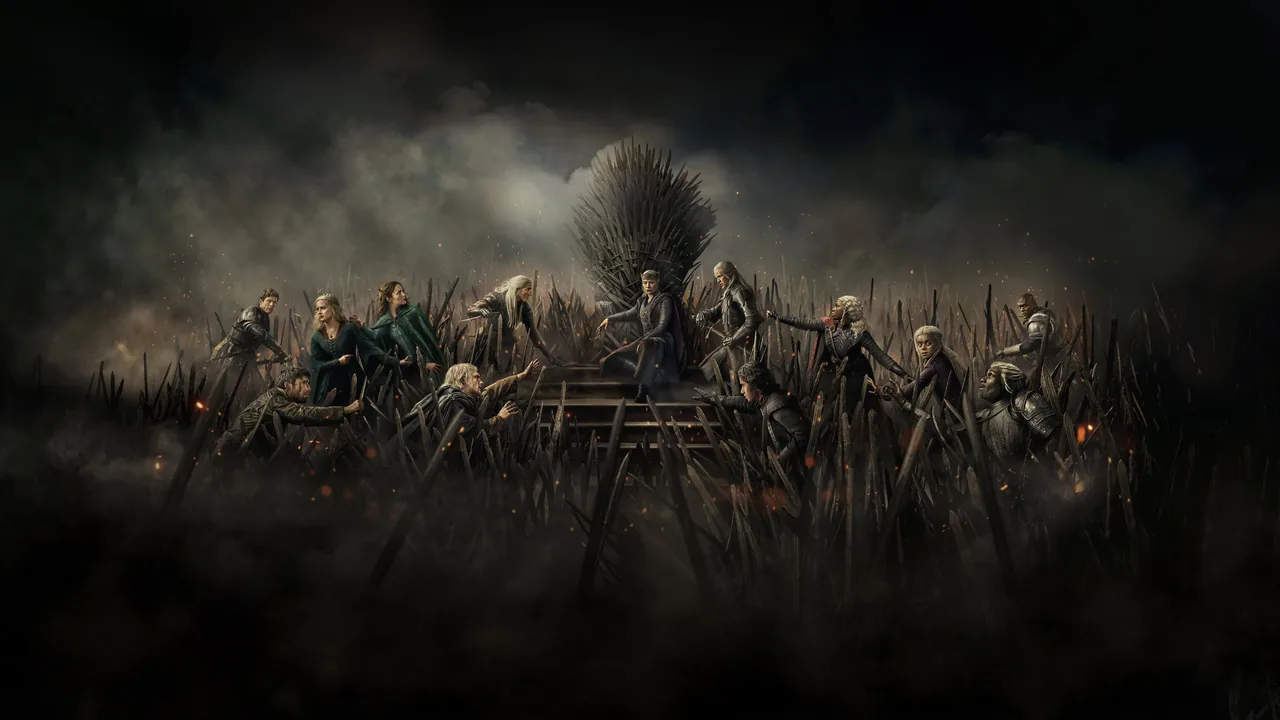
The Dance of the Dragons has been building for two seasons, and Sunday night it finally hit the water. House of the Dragon Season 3 premiered June 21 on HBO and Max, opening on the Battle of the Gullet, the naval massacre from George R.R. Martin's Fire & Blood where dragons collide over a strait and the Targaryen civil war stops being a family argument and becomes a catastrophe. If you have been waiting for the show to stop clearing its throat and start screaming, this is the moment HBO has been saving.
The season runs eight episodes, weekly, through August 9. That calendar is significant. HBO is not dropping the full season at once, which means it is betting on appointment television, on the kind of Sunday-night shared experience that Game of Thrones once absolutely owned. The question is whether that bet still pays out the way it did in 2019, or in 2022 when House of the Dragon first launched to those enormous numbers. The honest answer is probably not, and that is fine, actually.

Game of Thrones at its peak was a genuine cultural monoculture. People who did not watch it still knew who Jon Snow was. The show existed before the streaming wars fractured attention into a hundred simultaneous obsessions, and it burned itself into that moment in a way its finale, however badly received, could not erase. House of the Dragon has never had that. It is a very good show, sometimes a great one, watched with genuine enthusiasm by a loyal audience that has learned not to scream about it at dinner parties the way their older siblings screamed about the Red Wedding. That is not a failure. It is a condition. The prestige TV landscape in 2026 is not the landscape of 2011, and the Targaryen prequel does not need to be a monoculture to be worth your time.
What it does need to do, with the Battle of the Gullet as its opening statement, is deliver on the scale Fire & Blood promises. The first two seasons were largely occupied with the political maneuvering that precedes open war. Season 3 has no more runway. The battle that opens the premiere is one of the largest dragon engagements in the canon, and the show has placed it at the front of the season rather than saving it for a finale. That signals the writers are not rationing spectacle anymore. The implication is that what follows is the aftermath: the grief, the regrouping, the next catastrophe. If that is the shape of this season, it could be the best argument yet that House of the Dragon understands what it is. It is a war story, not a mystery box, and war is not a revelation you hold back until episode nine.