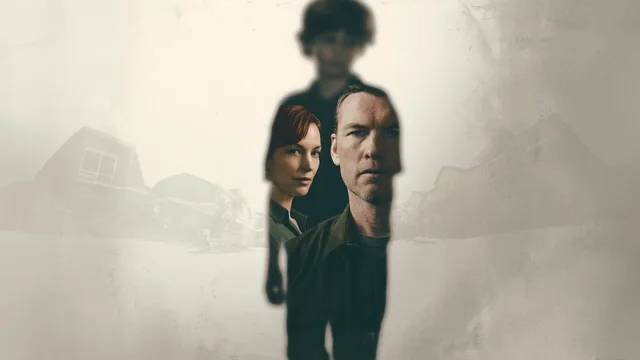
Sherlock Holmes Will Outlive Us All
Arthur Conan Doyle tried to kill Sherlock Holmes in 1893, pushing him off a waterfall because he was sick of writing him. It did not take. Public pressure forced a resurrection, and 130 years later the detective is still working. Guinness World Records lists Holmes as the most-portrayed human literary character in film and television, with 254 screen portrayals counted by 2012 and many more since, played by more than 75 actors. Only Dracula, who is not technically human, has been portrayed more often.
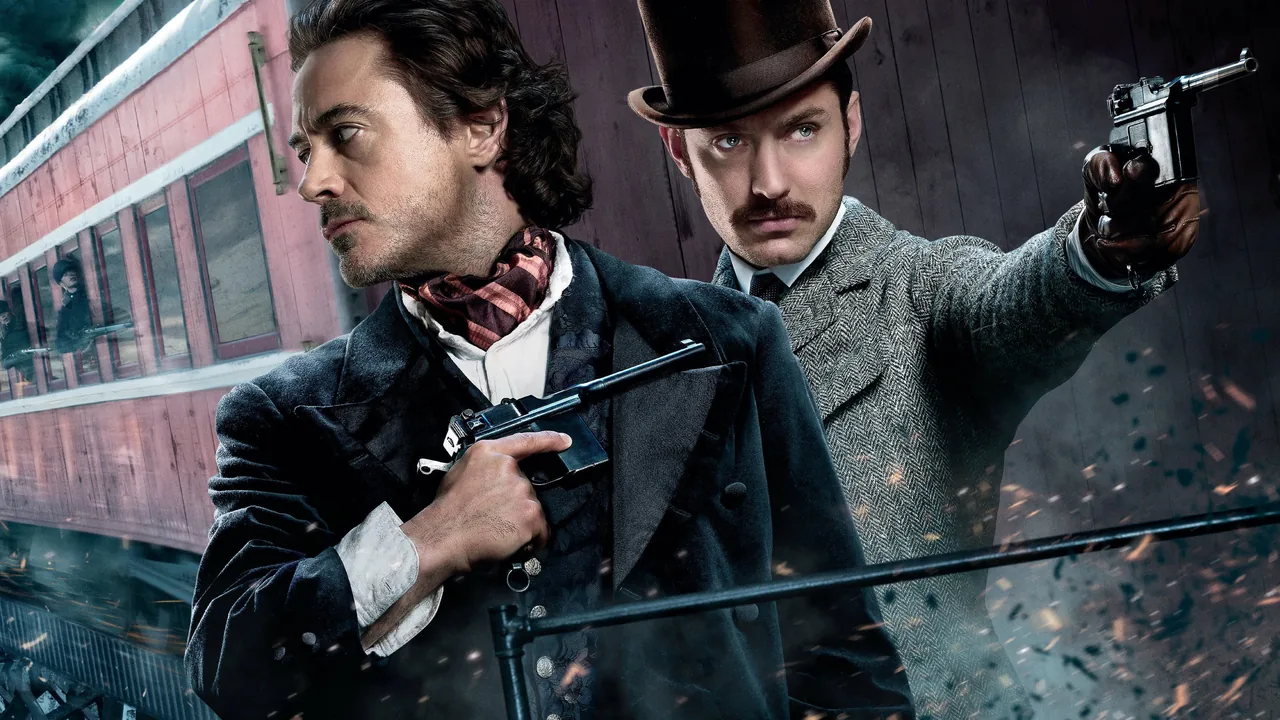
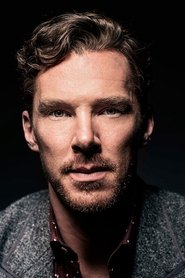
This week's Enola Holmes 3 is just the latest proof. Henry Cavill plays Sherlock there as the famous brother in the background of his sister's story. That is the trick of Holmes: he survives because he bends. Benedict Cumberbatch made him a modern London sociopath. Robert Downey Jr. made him a bare-knuckle action hero. Jonny Lee Miller made him a recovering addict in New York on Elementary. House, M.D. turned him into a diagnostician named for the same root word, with a Watson named Wilson, and most viewers never noticed the lift. The character is a costume that fits almost any actor and almost any decade.
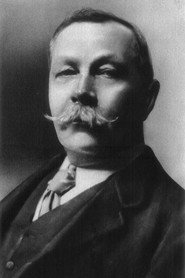
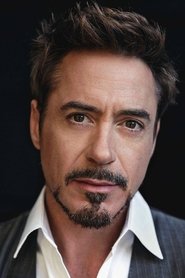
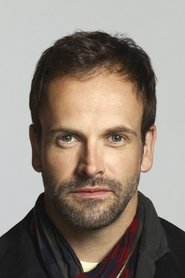
There is a lesson in that durability for everyone making entertainment right now, in a week obsessed with franchises and shared universes. Holmes is the original IP, and he is in the public domain, which means anyone can use him and no studio owns him. He has outlasted every rights-holder who ever tried to fence him in. The lesson is not that you should chase a universe. It is that a single, specific, well-drawn character will outlive any marketing plan built around him. Conan Doyle wanted to be remembered for his historical novels. He is remembered for the detective he could not kill.