Destiny 2 didn't die of old age. It was starved
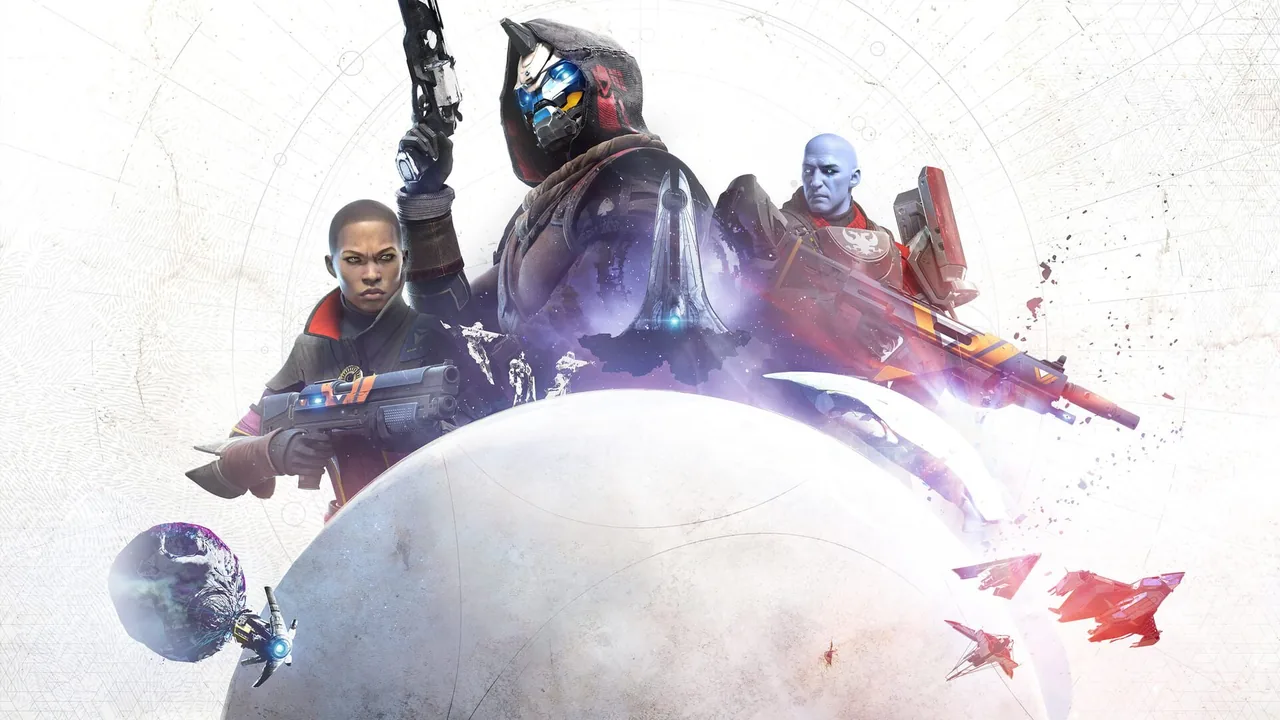
The numbers are brutal enough on their own. On June 25, Bungie announced roughly 400 job cuts, about half the entire studio, and the fallout has kept landing all week. The Destiny 2 team was, by the accounts of the people on it, almost completely wiped out. Support for the game effectively ends after Monument of Triumph. Studio head Justin Truman is stepping down. And Sony has booked a 765 million dollar impairment on Bungie, an accounting sentence that translates to a simple admission: this bet did not pay off.
The bet, of course, was Marathon. The revival of Bungie's old shooter shipped in March and flopped, and the bill for that failure has now been handed to the Destiny 2 team, the people running the one game Bungie had that players actually showed up for, year after year. This is the studio that made Halo: Combat Evolved, that invented the console live-service playbook everyone else copied. That institutional knowledge was not laid off because Destiny 2 stopped mattering. It was laid off because something else failed.
The developers reacting this week have been unusually direct about that. The cuts were described as self-inflicted, the consequence of leadership decisions rather than market weather. One reaction, reported by PC Gamer, has become the epitaph for the whole week.
Here is the part the industry keeps refusing to learn. Live-service players are loyal to worlds, not to pipelines. The people who logged into Destiny 2 for a decade were not loyal to Bungie's production capacity or its portfolio strategy. They were loyal to a place: the Tower, the vault, the raid group that survived three metas and two divorces. You cannot starve that world to feed a new pipeline and expect the loyalty to transfer. It never does. It just dies with the world.
Destiny 2 was not a game in natural decline that got a merciful ending. It was a living world whose caretakers were pulled away to chase a flop, and when the flop landed, the world was billed for it. The tragedy is not that a ten year old game is winding down. It is that the people who could have kept it alive, or built the next world worth a decade of loyalty, are gone.